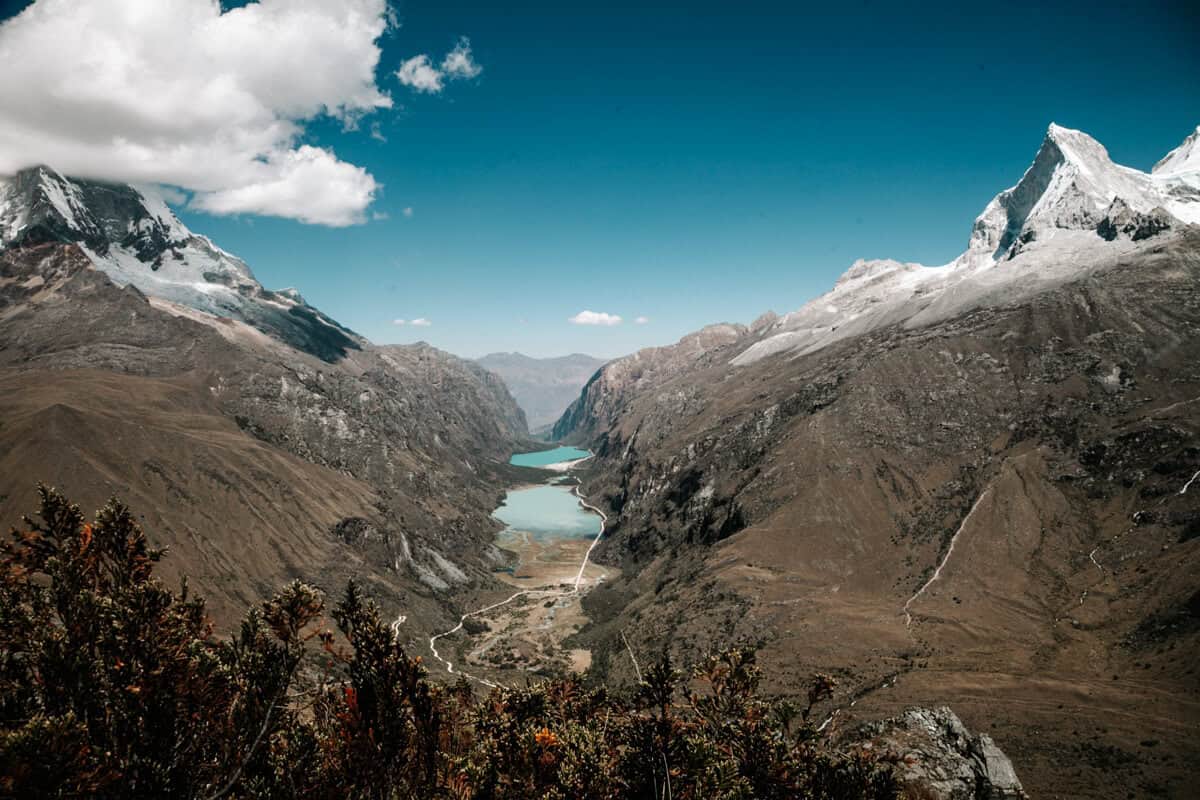
The first time you see the Cordillera Blanca in Peru, there is a good chance you will be lost for words. Snow-capped mountain peaks rise high above the landscape, turquoise lagoons lie between the mountains, and green valleys are surrounded by rugged mountain walls. The Cordillera Blanca is one of the most beautiful mountain regions in Peru, with Huaraz as its main city. You will find not only impressive hikes, but also glaciers, mountain lakes and ancient archaeological sites. Curious about what to do in the Cordillera Blanca in Peru? These are my favourite places, activities and hikes.
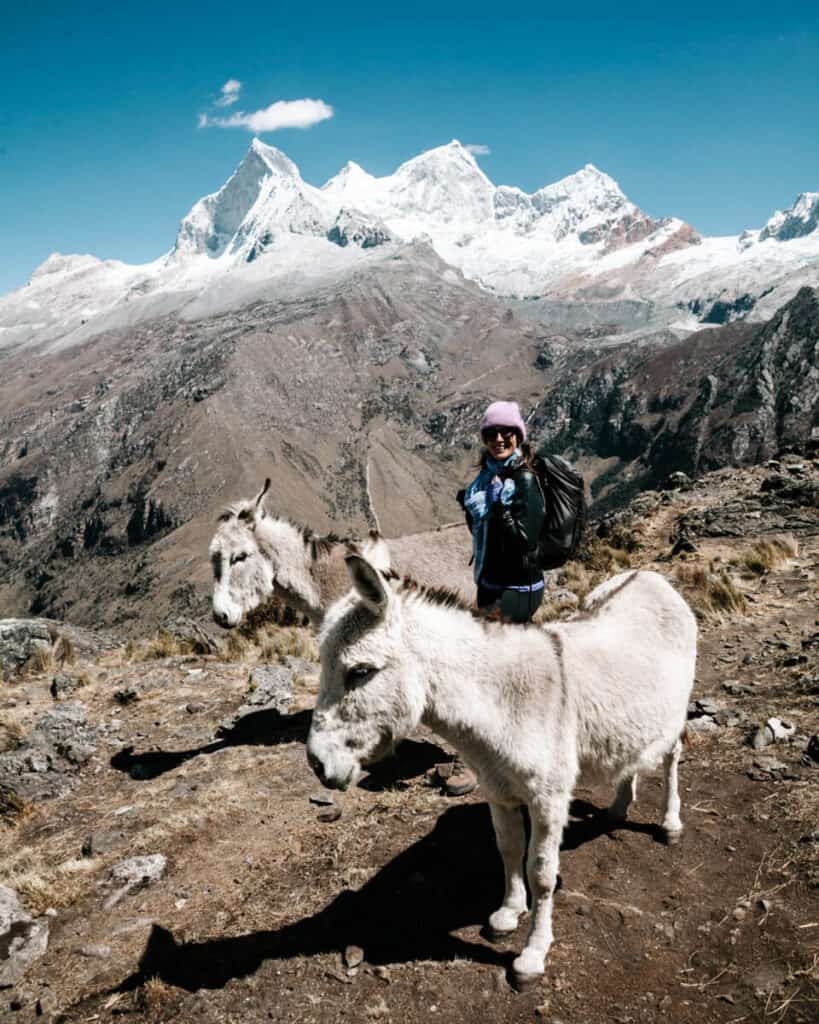
The Cordillera Blanca is located in the Áncash region in northern Peru, east of the city of Huaraz. The mountain range is part of the Andes and stretches for approximately 180 kilometres from north to south. On its western side lies the Cordillera Negra, a lower and drier mountain range without the snow-capped peaks of the Cordillera Blanca. Between the two mountain ranges lies the wide Callejón de Huaylas valley, with Huaraz as its main city. A large part of the Cordillera Blanca is located within Huascarán National Park Peru, where you will find dozens of high mountain peaks, glaciers, lagoons and deep valleys.
The Cordillera Blanca is particularly special because of its combination of altitude, nature and vast landscapes. The mountain range has dozens of snow-capped peaks, and within Huascarán National Park you will find countless lagoons, glaciers and valleys. At 6,768 metres, Huascarán is the highest mountain in Peru. The national park is also a UNESCO World Heritage Site and an official biosphere reserve. The area is also much quieter than the well-known destinations around Cusco.
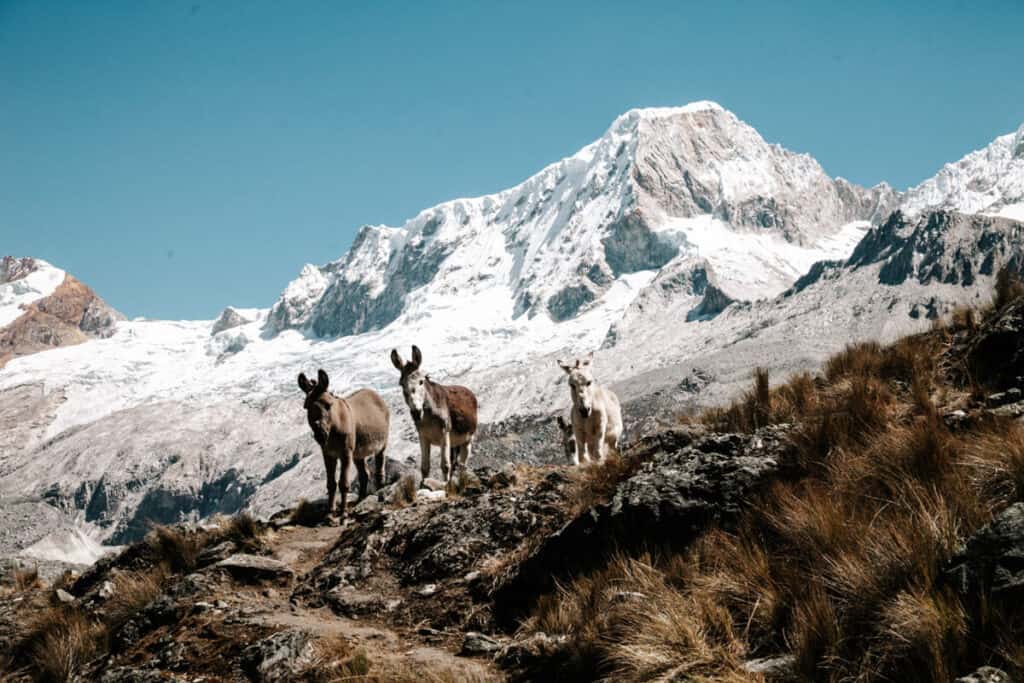
The great thing is that you don’t have to be an experienced mountaineer to explore the Cordillera Blanca in Peru. There are short walks, lakes that you can reach mostly by car, and day trips where you only have to cover a relatively short distance on foot. At the same time, there are challenging day hikes and multi-day treks for those who want to venture further into the mountains. These are my tips on what to do and see in the Cordillera Blanca in Peru.
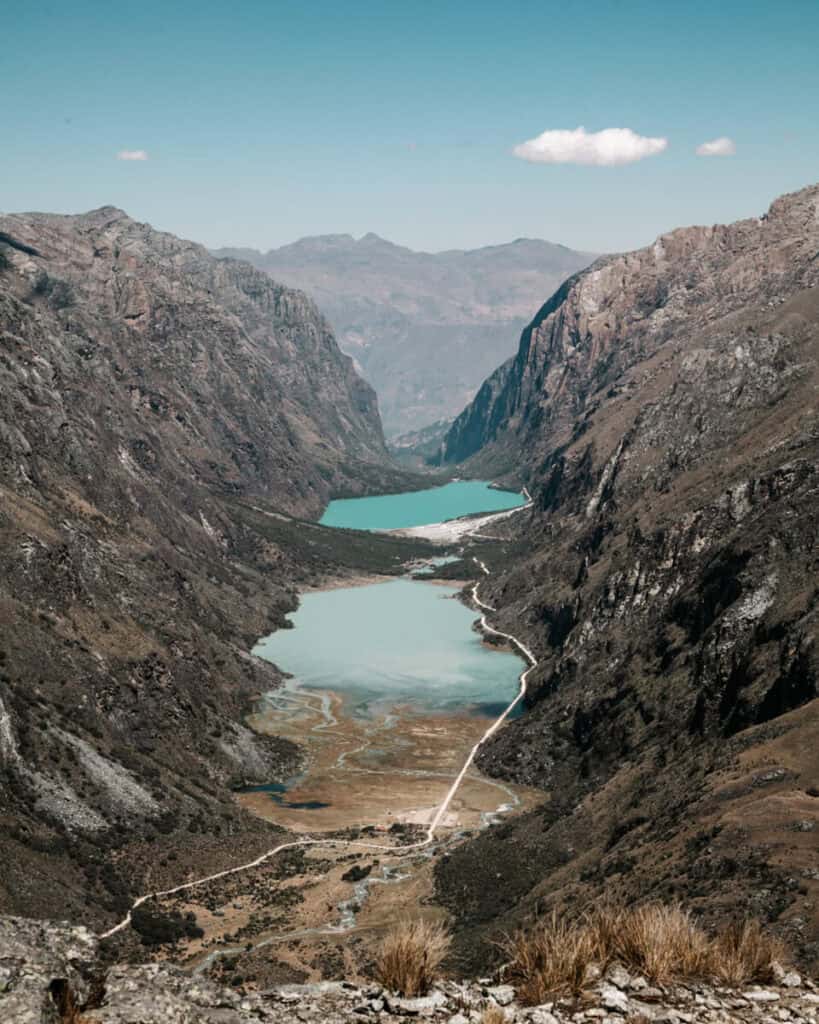
In my opinion, the Llanganuco Valley is one of the most beautiful landscapes in Huascarán National Park. The drive itself is already one of the most beautiful excursions in the Cordillera Blanca. This is where you will find the lakes Chinancocha and Orconcocha, surrounded by steep mountain walls and snow-capped peaks.
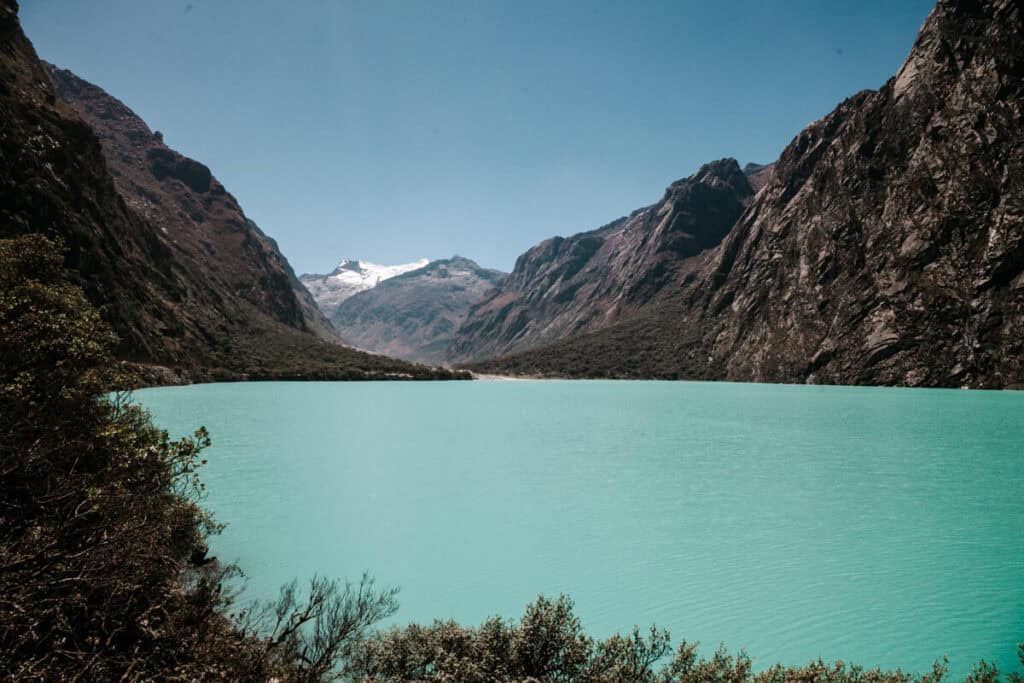
The water ranges from greenish-blue to an intense turquoise. The great thing is that you don’t have to go on a long hike to enjoy the surroundings. There are several short walks around the lakes, with beautiful viewpoints along the way. A visit to Llanganuco can also easily be combined with Laguna 69.
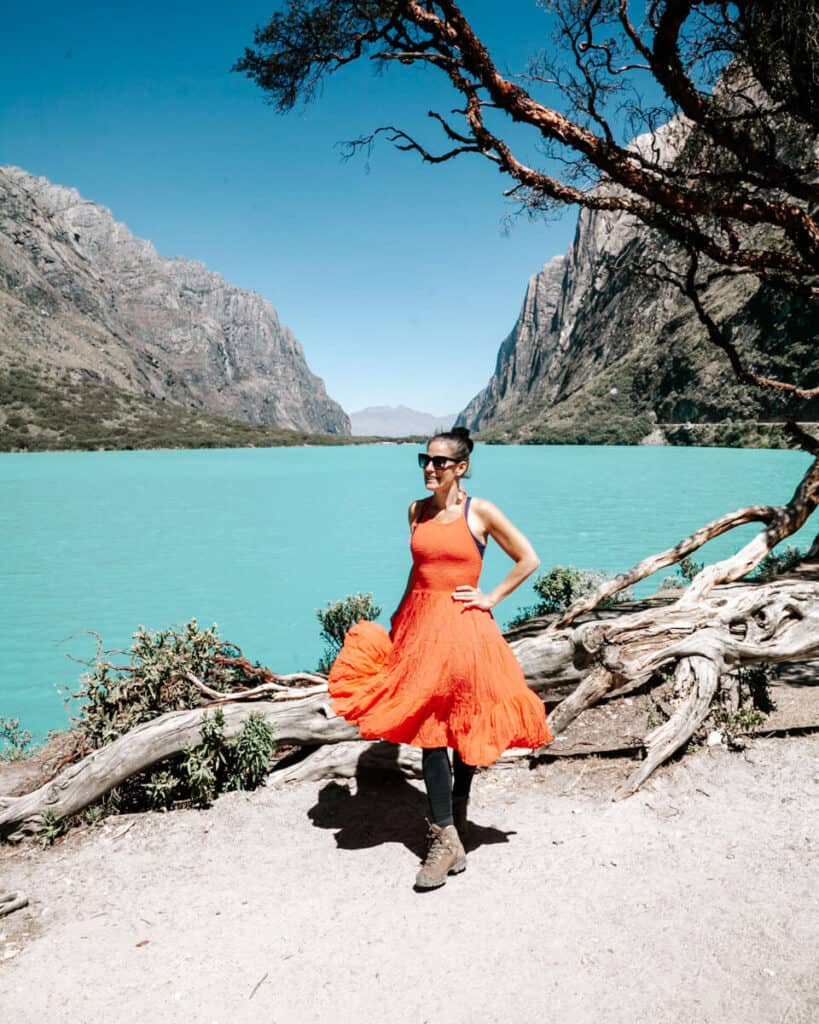
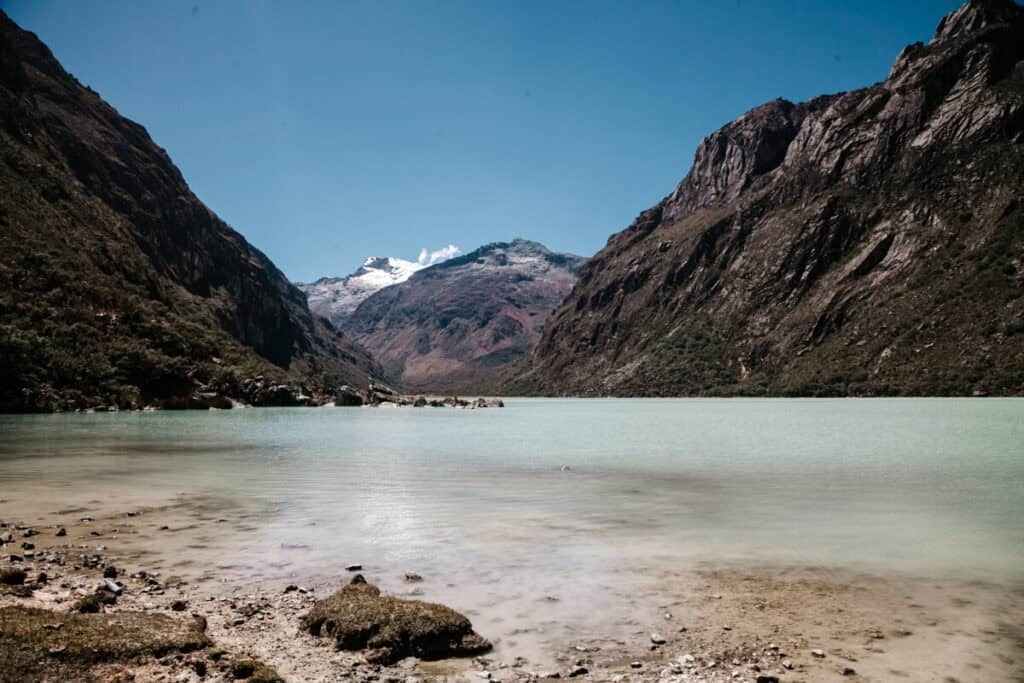
Tip: Book a stay at Cordillera Blanca Lodge. Get dropped off by car at the lakes and walk to the lodge in a few hours, right in the middle of nature.
Also read: everything you need to know about visiting the Llanganuco Lakes.
Laguna 69 is probably the most famous hike in the Cordillera Blanca in Peru, and to be honest, I can understand why. The hike is challenging, but the landscape and, above all, the views of the lake make all the effort more than worthwhile. The hike starts at Cebollapampa. From here, it takes approximately three hours of climbing to reach the lagoon. The route takes you through an increasingly rugged mountain landscape, with beautiful views of the surrounding peaks along the way.
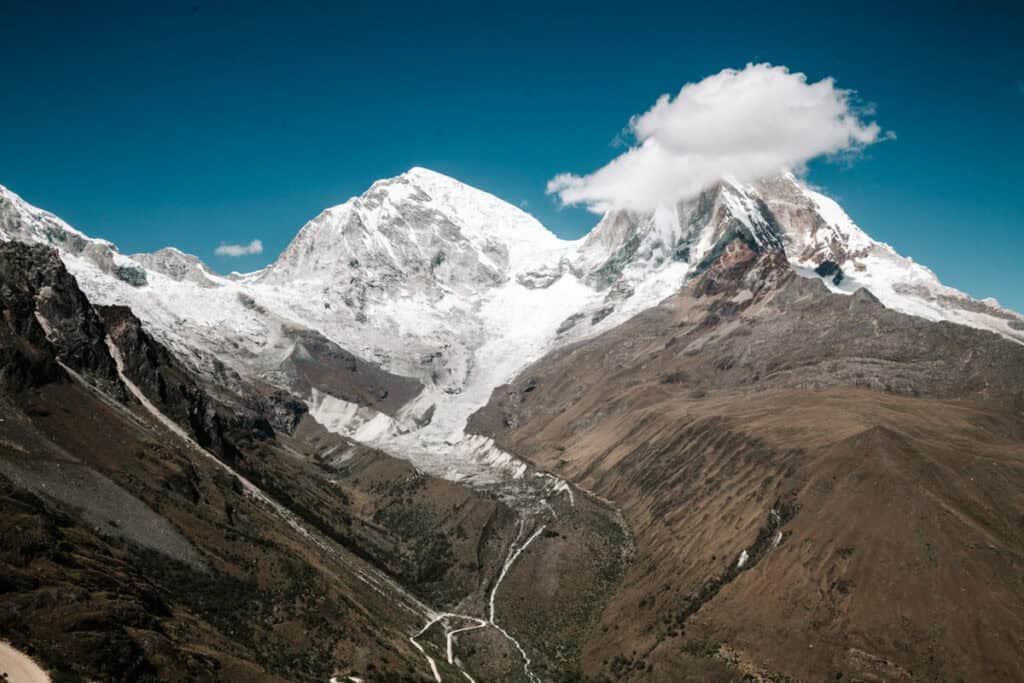
The final climb is quite strenuous, especially as Laguna 69 is located at an altitude of 4,604 metres. Once you reach the top, you are rewarded with bright blue water, nestled between snow-capped mountain peaks. Allow approximately five to six hours for the round trip.

Tip: Don’t go on this hike immediately after arriving in Huaraz. Give your body time to adjust to the altitude first.
Also read: Laguna 69 – everything you need to know about the hike
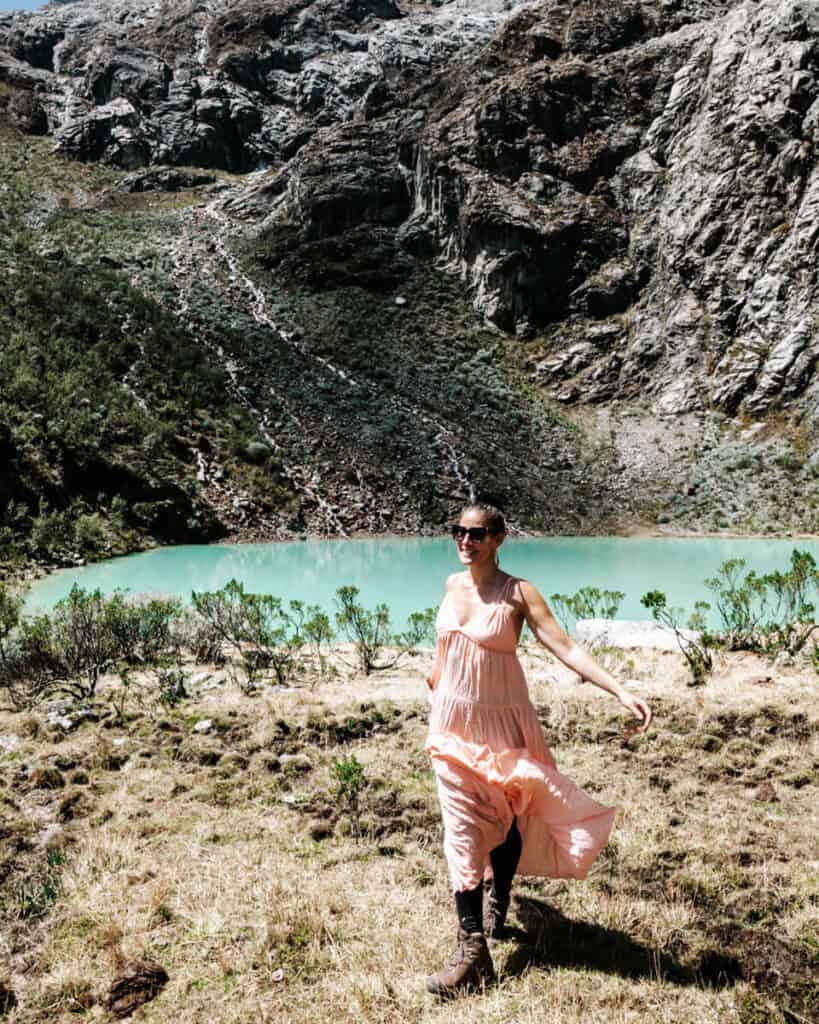
Laguna Rocutuyoc is a beautiful excursion in the Cordillera Blanca that combines two special mountain lakes. You can drive almost all the way to the lagoon, which lies at an altitude of approximately 4,500 metres and is surrounded by high, snow-capped mountain peaks. What makes Rocutuyoc particularly special is the colour of the water. Depending on the light, it ranges from blue to intense turquoise and green.
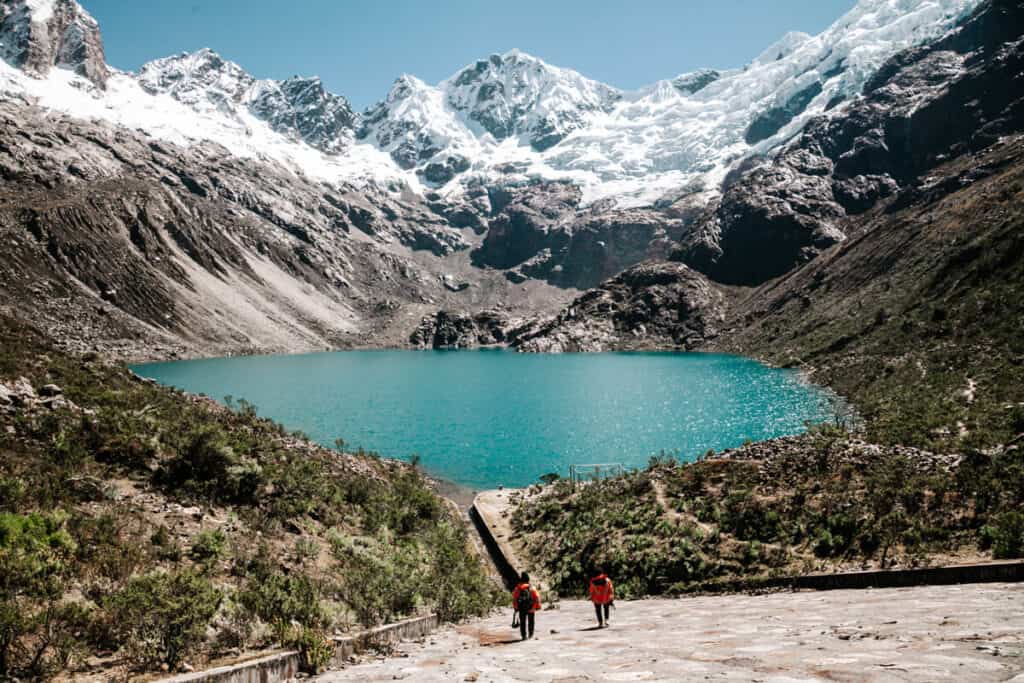
From Rocutuyoc, you can continue on foot for approximately 40 to 60 minutes to a second lake, Laguna Congelada, which is located close to the glaciers. The landscape changes here, and alongside the turquoise water, you will also see ice and rugged mountain peaks.
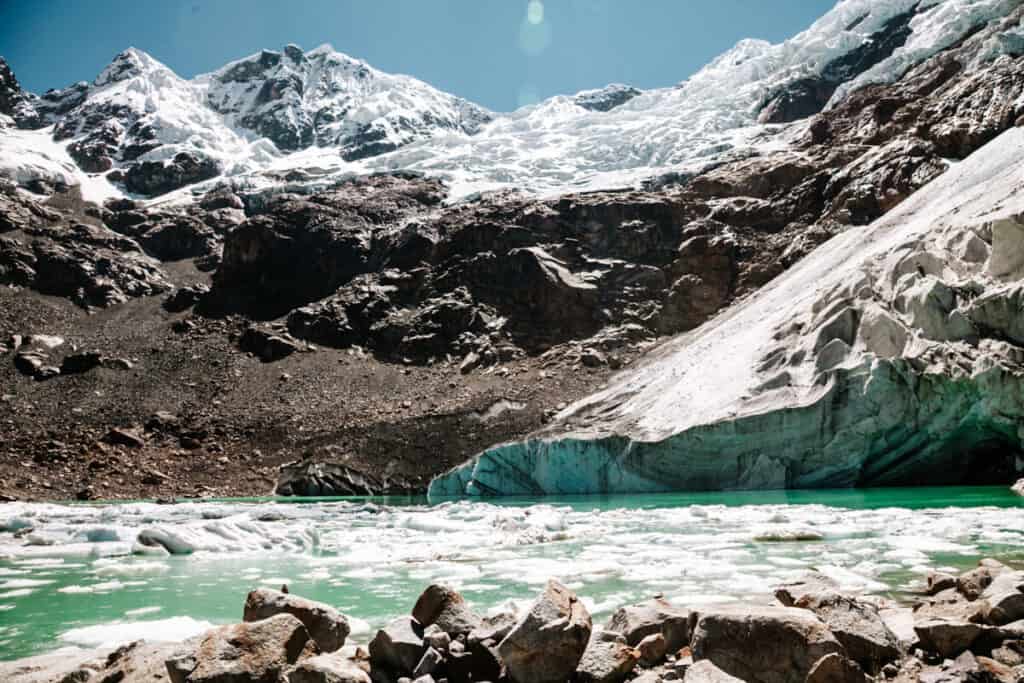
Keep in mind that you are at a high altitude: even the relatively short walk to Laguna Congelada can be quite strenuous at 4,500 metres, especially on the uphill sections.
Also read: everything you need to know about Laguna Rocutuyoc and Laguna Congelada.
Laguna Churup is one of the most popular day hikes from Huaraz. From the city, you drive to Pitec, at an altitude of approximately 3,850 metres, where the hike begins. From here, you gradually climb further into the mountains for about two to three hours, with beautiful views of the surrounding area along the way.
The trail becomes increasingly steep, and the final section is quite rocky. In some places, you need to use your hands and climb up with the help of steel cables. At the top, you reach Laguna Churup, at approximately 4,450 metres, surrounded by high mountain peaks and the mountain of the same name, Churup. Allow approximately five to six hours for the round trip. Still have some energy left? From the lagoon, you can continue climbing towards smaller mountain lakes. Keep in mind that, here too, the altitude in particular can make this hike more challenging than the distance might suggest.
The Pastoruri Glacier shows a completely different side of the Cordillera Blanca in Peru. From Huaraz, you drive south into Huascarán National Park, towards the Pachacoto Valley. The road gradually climbs through spectacular mountain scenery, making the drive an experience in itself. From the parking area, it takes approximately 30 to 60 minutes to walk to the glacier. The distance is relatively short, but don’t underestimate the walk: by this point, you are already at an altitude of more than 5,000 metres, and it is exactly this altitude that can make the route quite strenuous.
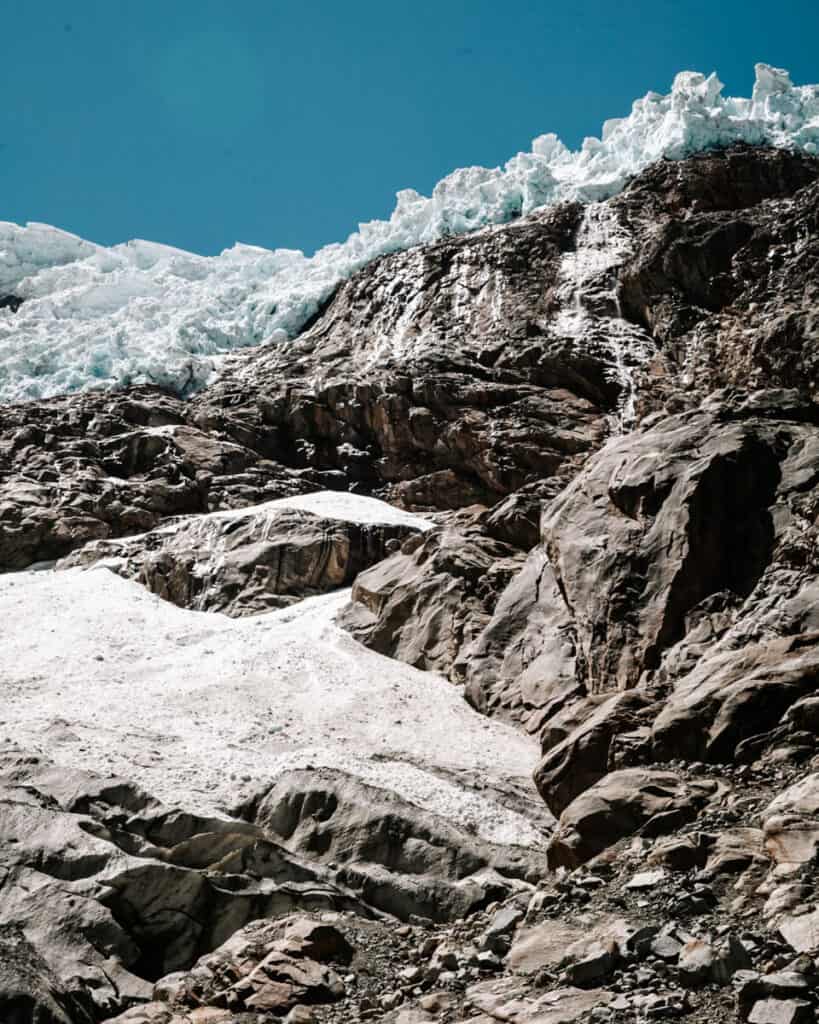
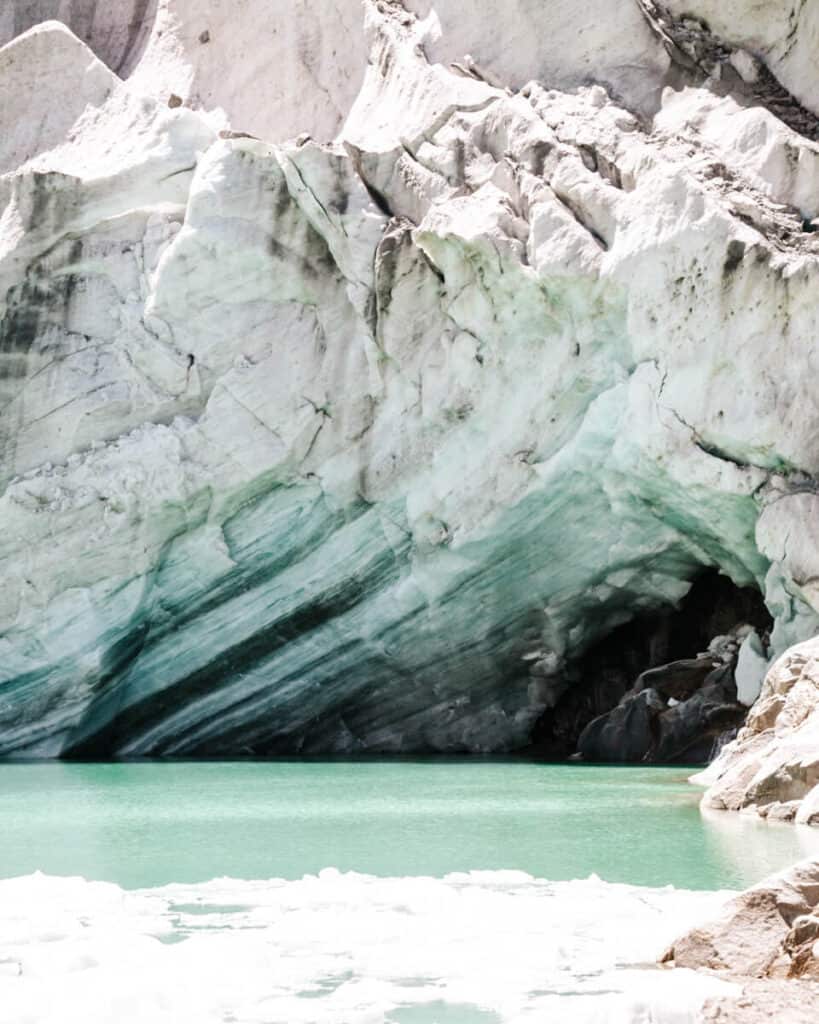
Along the way, you will see the remarkable Puya Raimondii, an enormous bromeliad that grows in certain parts of the Andes. Pastoruri is therefore a beautiful day trip if you don’t want to go on a long hike but still want to experience the high mountains, glaciers and rugged landscapes of the Cordillera Blanca.
Short on time or would you prefer to take it easy during your first few days in Huaraz? Then Wilcacocha is a great option. The hike is located close to the city, making it easy to plan as a half-day trip. From the starting point, it takes approximately one to one and a half hours to walk uphill to the lagoon. The hike itself isn’t particularly long, but the views make it well worth the effort. At the top, you look out over Huaraz and the enormous mountain range of the Cordillera Blanca in Peru.
I would particularly recommend Wilcacocha as an easy first hike or as an alternative on a day when your body could use a break from a more challenging hike. You don’t always have to reach the highest or most famous lagoon to enjoy the Andes.
After spending several days among the mountains, it’s nice to take a break from nature and explore some culture. From Huaraz, you drive for a few hours via the Cahuish Pass to Chavín de Huántar. Chavín de Huántar was an important religious centre of the Chavín culture, which lived in this part of Peru centuries before the Incas. At the archaeological site, you will find temples, plazas and underground galleries, with the mysterious Lanzón being its best-known feature.
It’s not a hike, but that’s exactly why I think Chavín is a great addition to a trip through the Cordillera Blanca in Peru. After a few active days in the mountains, you get a completely different perspective on the region and learn more about the cultures that left their mark here long before the Incas.
Want to truly experience the Cordillera Blanca? Then the Santa Cruz Trek is one of the best ways to spend several days exploring the mountains. The classic trek takes three to four days and passes turquoise mountain lakes, glaciers and impressive snow-capped mountain peaks. Along the way, you cross the Punta Unión Pass, at an altitude of approximately 4,750 metres, and spend the nights in tents in the middle of the mountain landscape. Because you are on the trail for several days, you experience the Cordillera Blanca in a completely different way than during a day hike.
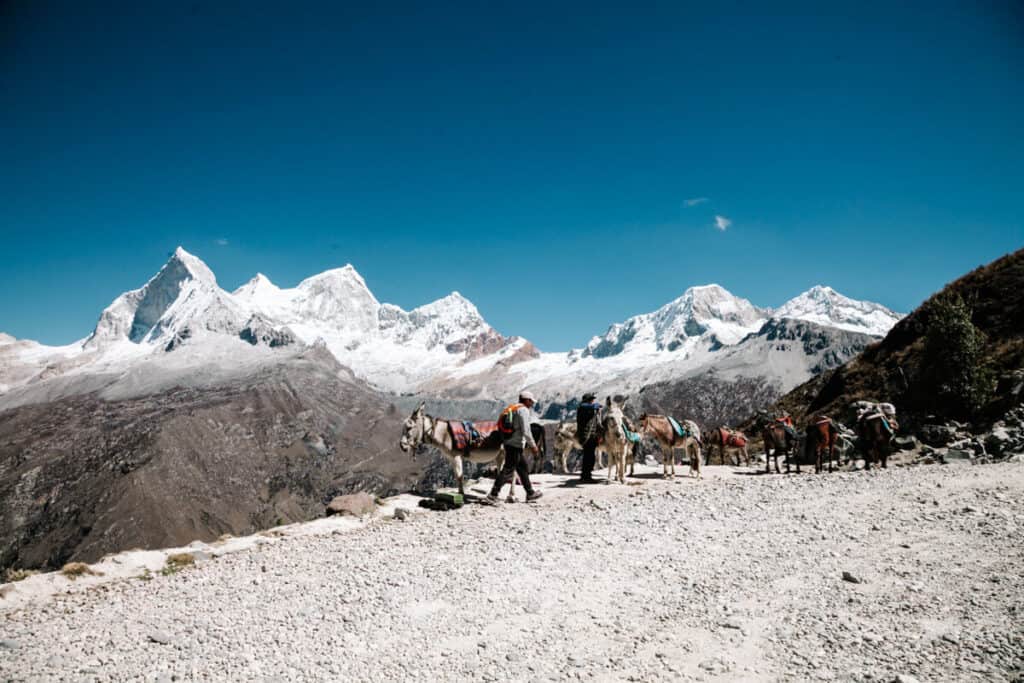
The trek does require good preparation. You should also be used to walking and, above all, be properly acclimatised, as you will spend several hours walking each day. This trek is done with the guidance of a local team of guides and cooks.
Laguna Parón is one of those places where you immediately understand what makes the Cordillera Blanca so special. From Huaraz, you drive via Caraz into the Quebrada Parón, heading further and further into the mountains. You cover a large part of the route by car, so you don’t have to walk for hours before reaching the lake.
At approximately 4,140 metres, you will find this enormous turquoise mountain lake, surrounded by high, snow-capped mountain peaks. From the parking area, it takes about half an hour to walk to the viewpoint. If you want to explore further, you can continue walking along the lake and admire the landscape from different spots.
Huaraz is the obvious base for a trip through the Cordillera Blanca. You will find restaurants, cafés, shops and outdoor stores, and countless excursions and treks are organised from the city. But you don’t necessarily have to stay in the city. Especially if you are visiting for the mountains, staying closer to the hiking trails is highly recommended.
Huaraz is a practical base, with plenty of hotels in different price ranges. From the city, you can easily arrange excursions, buy supplies and prepare for your hikes. On the other hand, Huaraz can be quite busy and chaotic. If you prefer to return to somewhere peaceful after a day in the mountains, it might be better to look for a nice hotel outside Huaraz.
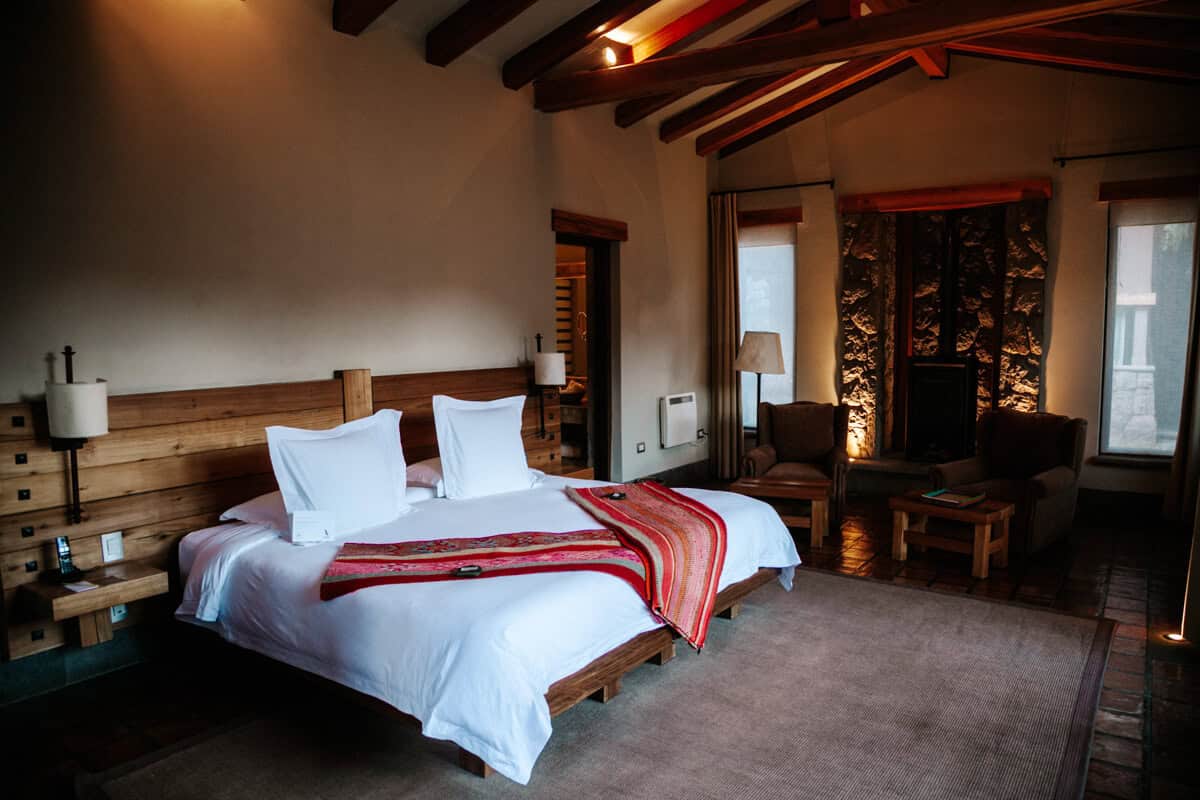
Cuesta Serena Boutique Hotel is located between Huaraz and the airport and feels like a little oasis in the landscape. From the garden, you look out over the snow-capped peaks of the Cordillera Blanca, including Huascarán. The rooms and communal areas have a warm, bohemian feel, and the restaurant is also a place where you will want to linger. The rooms themselves are also a real treat to stay in.
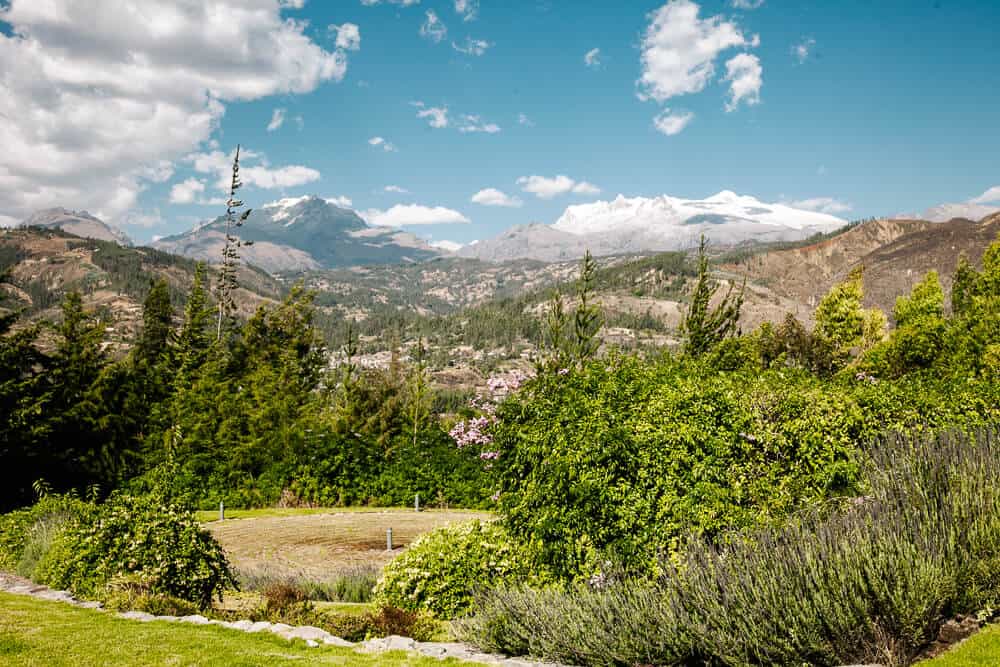
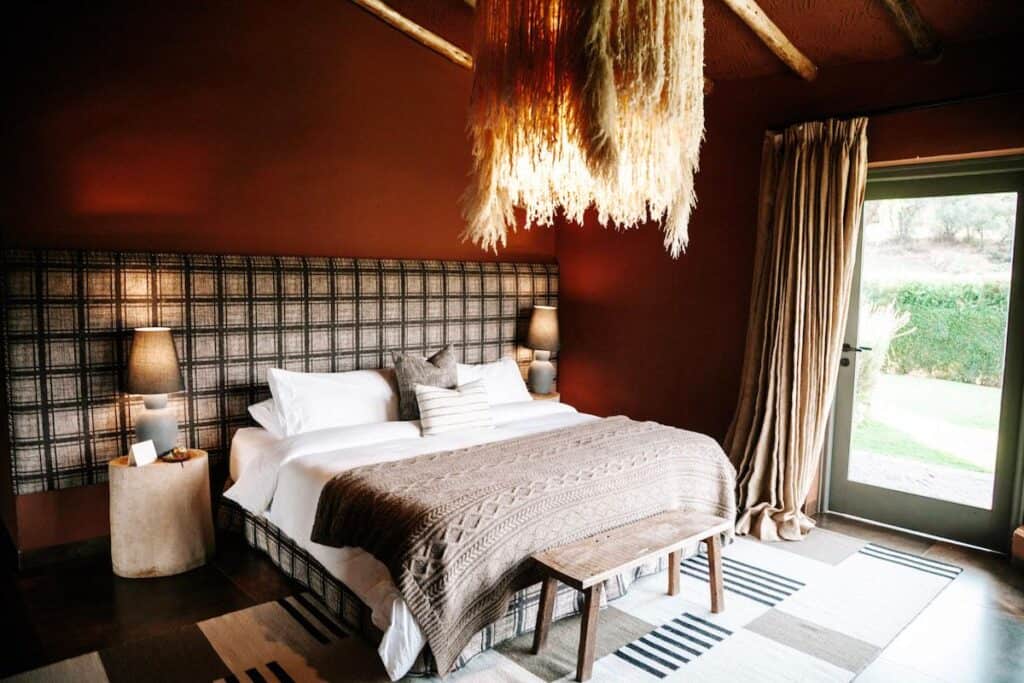
For me, it is the combination of comfort, tranquillity and mountain scenery that makes this place so special. After a day of hiking, you can return, relax in the garden or hot tub and then sit down for dinner. Read my full review of Cuesta Serena Boutique Hotel here.
If you want to stay as close as possible to the mountains and hiking trails, Cordillera Blanca Lodge is a fantastic choice. This small-scale lodge is located in the heart of the Cordillera Blanca, near Queushu, and has just six rooms.
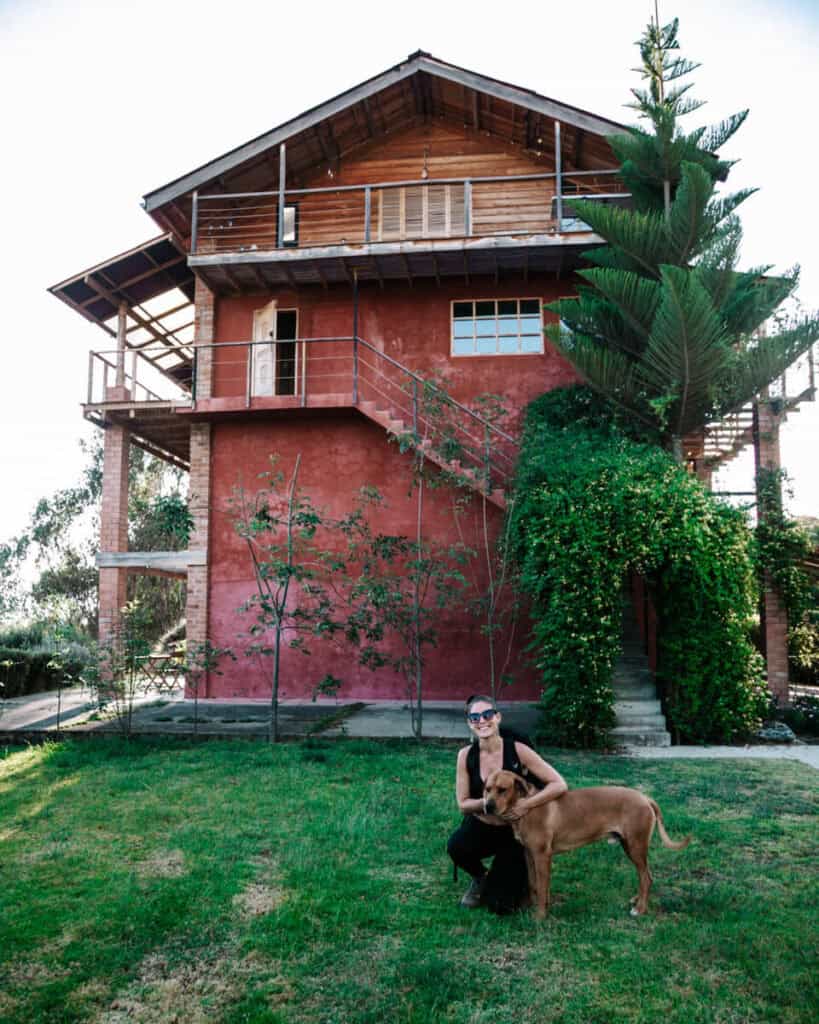
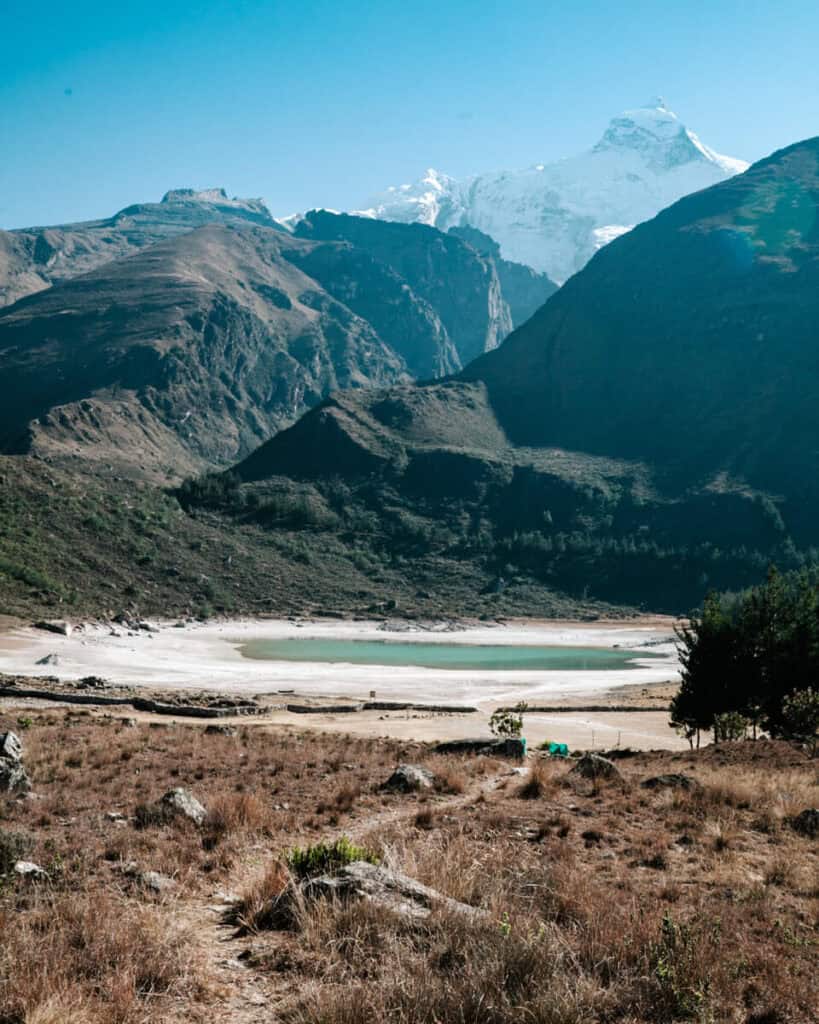
The great advantage of its location is that you spend much less time travelling. Instead of driving into the mountains from Huaraz every morning, you are already right in the middle of the landscape here. The lodge is located between the entrances to the Llanganuco and Huandoy valleys, putting several well-known hiking trails close by.
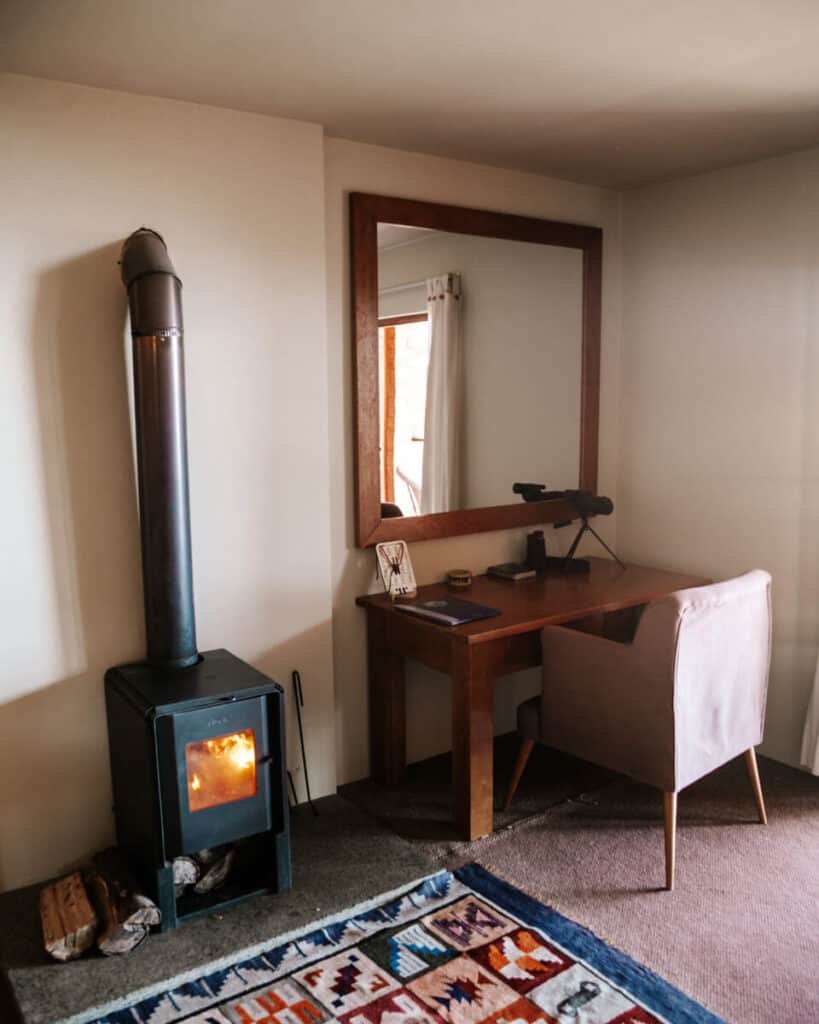
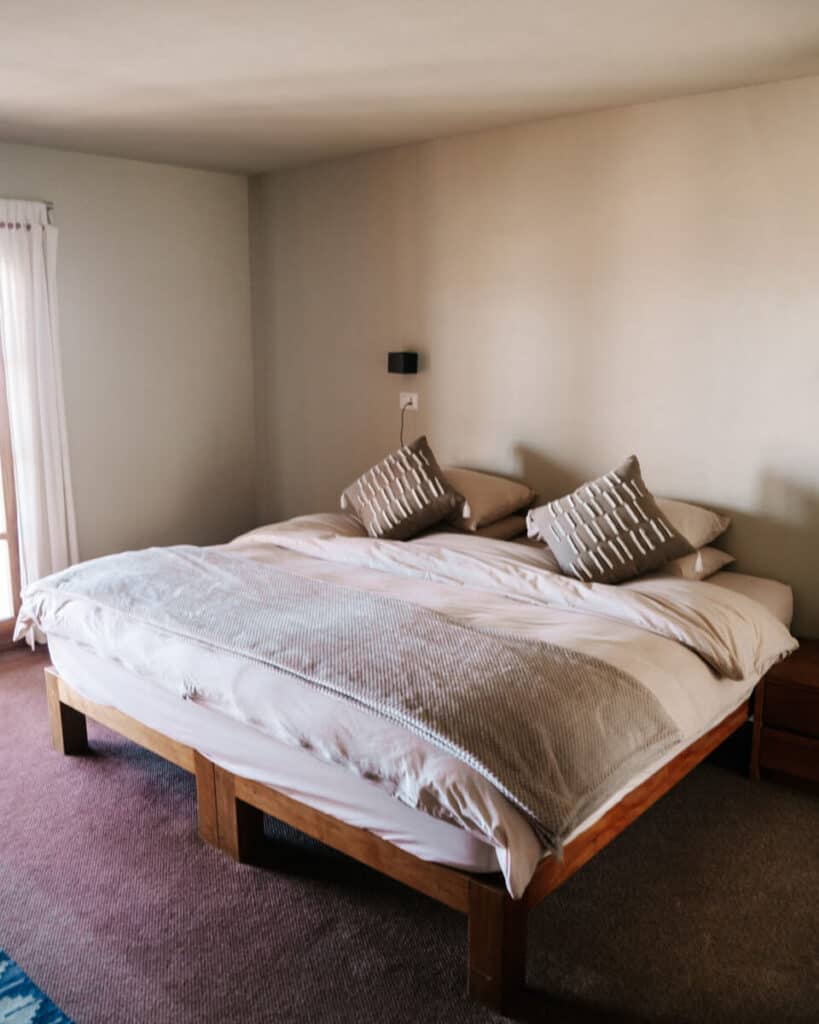
The rooms are simply but comfortably furnished and have large windows or balconies overlooking the mountains, as well as beds you will want to sink into. The lodge operates on a full-board basis, so breakfast, lunch and dinner are all taken care of during your stay. Especially if you plan to spend several days hiking, this is a place where you will want to be.
Also read my full article about Cordillera Blanca Lodge in Peru
A trip to the Cordillera Blanca requires a little more preparation than an ordinary trip around Peru. Altitude, in particular, plays a major role. Make sure you take this into account and plan your hikes carefully. That way, you will get much more out of your stay in the Cordillera Blanca.
The fastest way to travel from Lima to the Cordillera Blanca in Peru is by plane. You can fly from Lima to Anta (ATA), the airport near Huaraz, in approximately one hour. You can easily find, compare and book flights here. From Anta, you continue to your destination in the region. You can also travel from Lima to Huaraz by bus. This takes between 8 and 10 hours, but is an option if you prefer travelling overland.
The best time for hiking in the Cordillera Blanca is generally during the dry season, from approximately May to September. This is when you have the greatest chance of clear weather and good hiking conditions. June, July and August are particularly popular months for trekking.
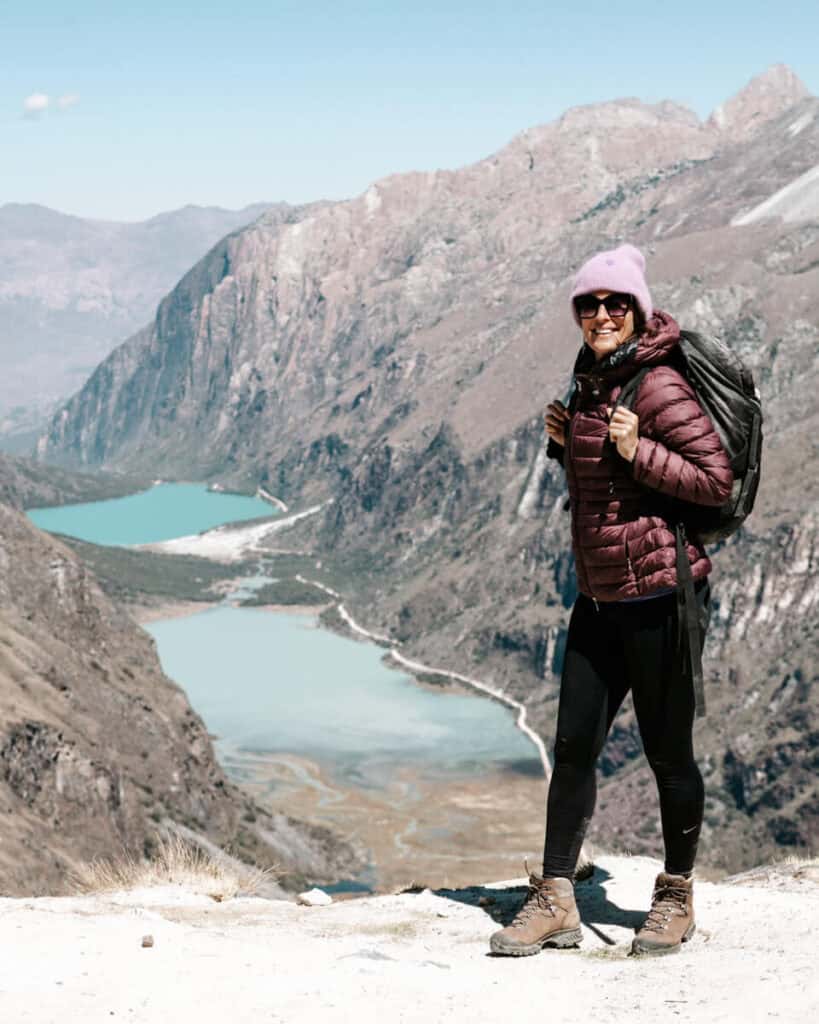
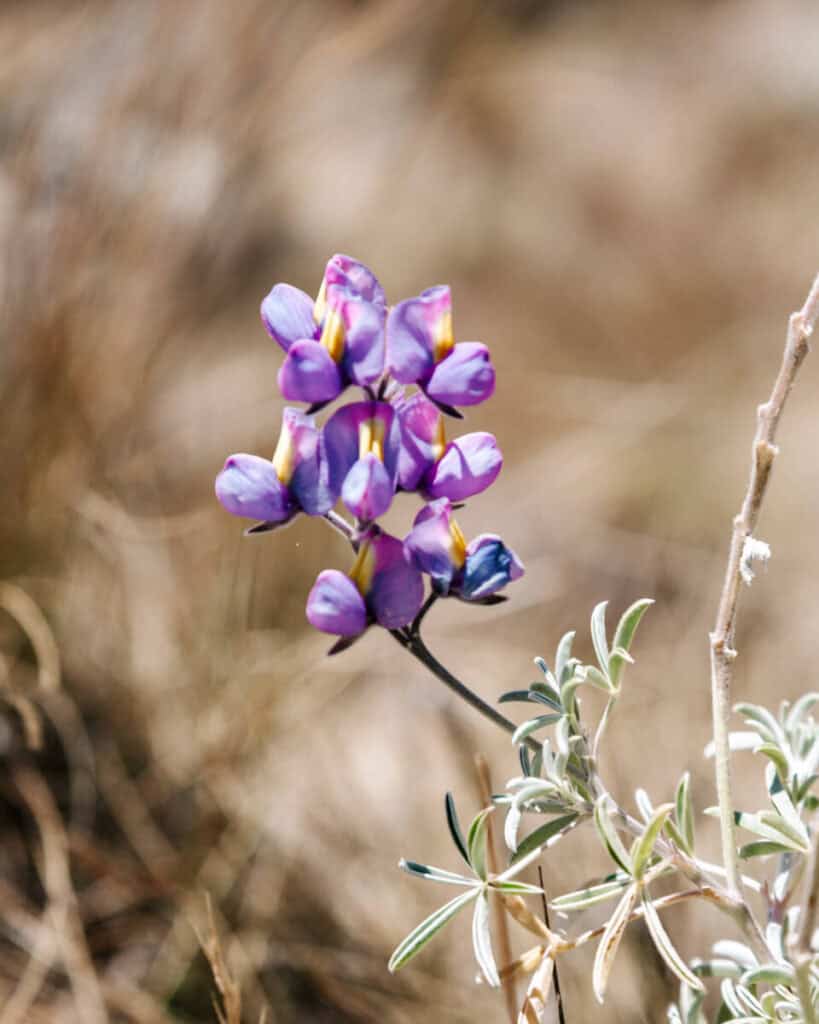
However, the weather in the mountains remains unpredictable. Even during the dry season, temperatures can drop quickly, and wind, rain or snow showers can occur. Therefore, always bring warm clothing and a good rain jacket. It is also best to start your hike early in the morning. The chances of clear weather are usually higher then, and you will have enough time to complete the walk.
Also read more about the best time to visit Peru.
One of the most important things to keep in mind when visiting the Cordillera Blanca in Peru is the altitude. Huaraz is already located at approximately 3,000 metres, and many hikes then take you up to 4,000 metres or higher. Walking at 4,000 to 4,600 metres feels very different from walking at sea level. Your breathing becomes heavier, your pace slows down, and a climb that would normally be easy can suddenly become quite strenuous.
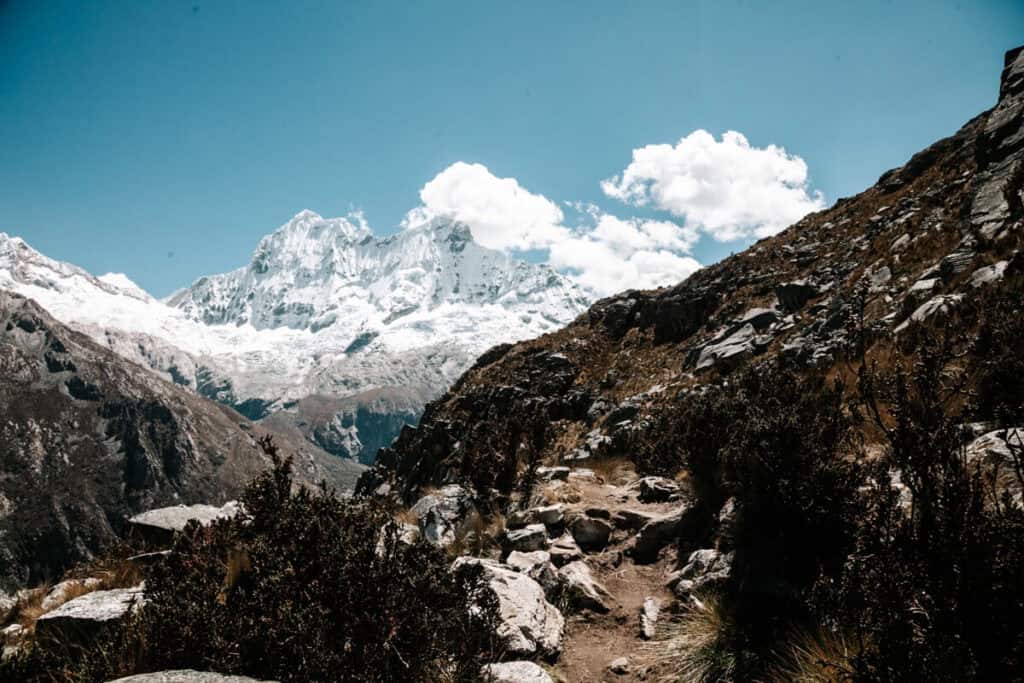
Therefore, don’t plan a challenging hike such as Laguna 69 immediately after arriving. Give your body time to adjust to the altitude first. After that, you can gradually build up to more demanding walks. Make sure you listen carefully to your body. Staying outside the city, for example at Cuesta Serena Boutique Hotel, which is located at an altitude of 2,800 metres, is perfect for this. You can take your time to rest and adjust without immediately heading into the mountains for an active day.
You can visit many places in the Cordillera Blanca in Peru independently, but because of the long distances and the altitude, it is convenient to hire a local guide or driver for certain excursions.
From Huaraz, you can easily book organised day tours. If you are staying at Cuesta Serena Boutique Hotel or Cordillera Blanca Lodge, you can also arrange your excursions directly through your accommodation. This gives you more flexibility to adjust a route to the weather, your fitness level and the time you have available.
For multi-day treks such as the Santa Cruz Trek, you set off with a local team of guides, porters and cooks. This allows you to spend several days hiking through the mountains without having to carry all your camping equipment and supplies yourself.
Even on a day hike, you need to be prepared for rapidly changing conditions. Therefore, always bring several layers of clothing and make sure you have good protection against the sun, cold and rain. For a hike in the Cordillera Blanca, I would recommend bringing at least the following:
In the next article, you will find a handy packing list for Peru.
If you love nature and hiking, the Cordillera Blanca in Peru is an unforgettable destination. The combination of turquoise lakes, glaciers, green valleys and snow-capped peaks rising above 6,000 metres is hard to beat. You can also choose between short walks, challenging day hikes and multi-day treks.
Not an avid hiker? Even then, you don’t have to skip the Cordillera Blanca. Several lakes and viewpoints are accessible by car, and you can adapt your itinerary to the amount of walking you want to do. You can also enjoy a wonderful stay at a boutique hotel such as Cuesta Serena where everything is about enjoying the surroundings, with luxurious rooms, delicious food and wellness facilities.
In my opinion, the Cordillera Blanca is one of the most impressive landscapes in Peru and definitely deserves a place on your travel itinerary. While many travellers head straight to Cusco and Machu Picchu, here you discover a completely different side of Peru: wilder, quieter and with scenery that is sometimes almost unreal in its beauty.
Planning a trip to Peru or just starting your research? In the next travel guide, you’ll find everything you need to know about traveling to Peru, including practical tips, essential travel info, and inspiration for where to go and what to see. Hopefully, my articles will help you get the most out of your trip, or convince you to add Peru to your travel bucket list.
Did you enjoy reading this article with tips and things to do in La Cordillera Blanca in Peru? Let me take you on a further journey along the most beautiful destinations and attractions in Peru in the next articles.
This article may contain affiliate links. If you purchase something using one of our links, we may receive a commission at no extra cost to you, which helps us keep this blog alive. Thank you for your support! Please see our disclosures for more information.
Are you interested in the world? Do you want to learn more about a country and its culture? Let me take you on a journey with Passport the World.
As a travel reporter, producer and tour guide, I have been traveling around the world for the last 20 years, looking for the most scenic places and stories that are worth sharing. In Passport the World, I am guiding you along scenic and cultural places, cities, art, viewpoints, hiking trails and unique experiences. To help you get the most out of your travels or to just get to know a country and culture better!


Are you interested in the world? Do you want to learn more about a country and its culture? Let me take you on a journey with Passport the World.
As a travel reporter, producer and tour guide, I have been traveling around the world for the last 20 years, looking for the most scenic places and stories that are worth sharing. In Passport the World, I am guiding you along scenic and cultural places, cities, art, viewpoints, hiking trails and unique experiences. To help you get the most out of your travels or to just get to know a country and culture better!