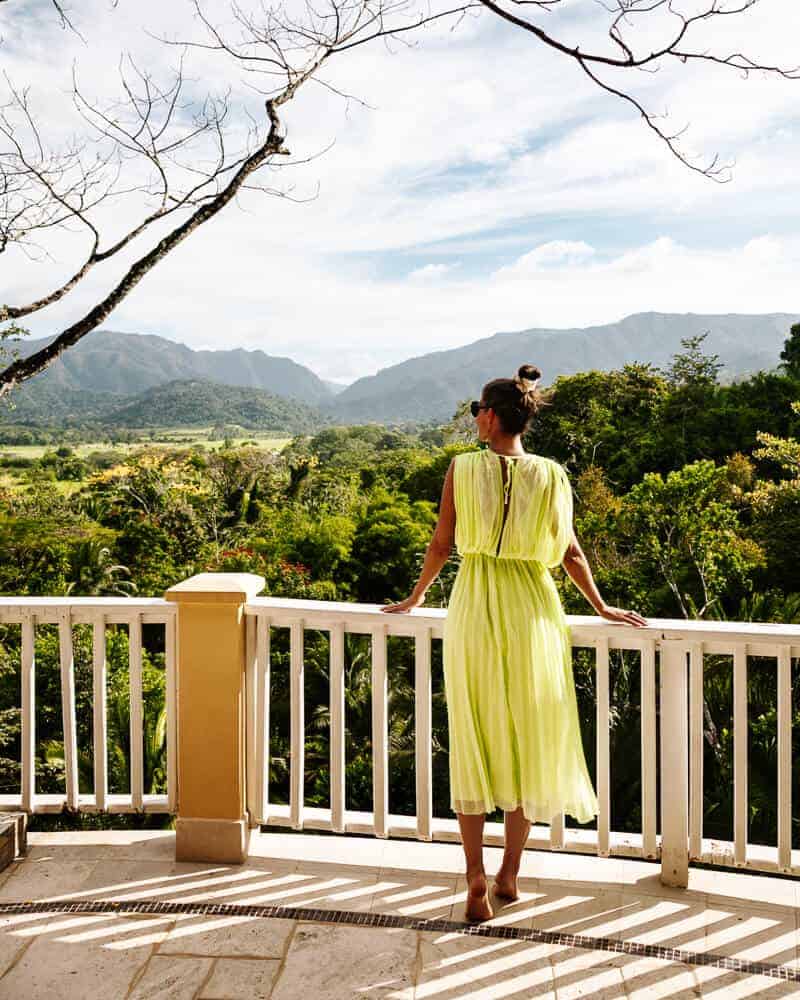
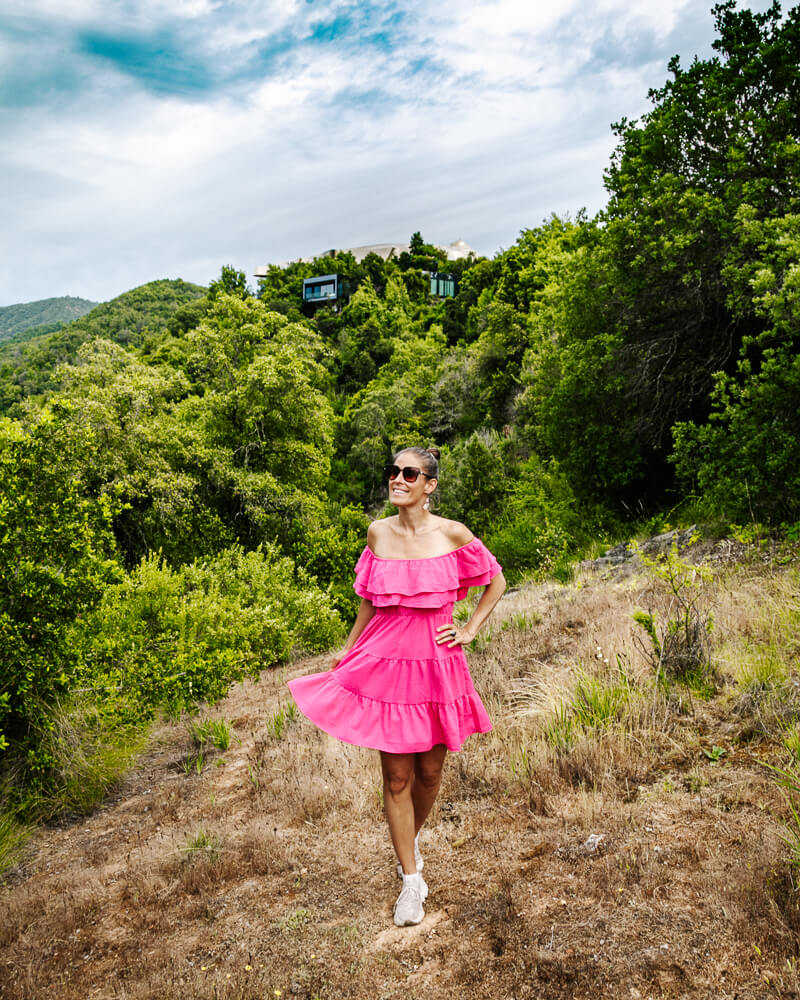
The Sacred Valley is one of my favorite places in Peru. Not only because of its impressive Inca ruins, but also because of its landscape of green valleys, towering Andes mountains, agricultural fields, and small villages. You’ll find well-known attractions here, but also plenty of surprising places that are visited less often. The Sacred Valley, also known as the Valle Sagrado, is easy to visit from Cusco, but it’s also a wonderful place to spend a little more time. You can explore archaeological sites, go hiking, discover local markets, and use the valley as a starting point for traveling onward to Machu Picchu. In this article, I’ll share the most beautiful attractions in the Sacred Valley of the Incas and give you practical tips for your visit.
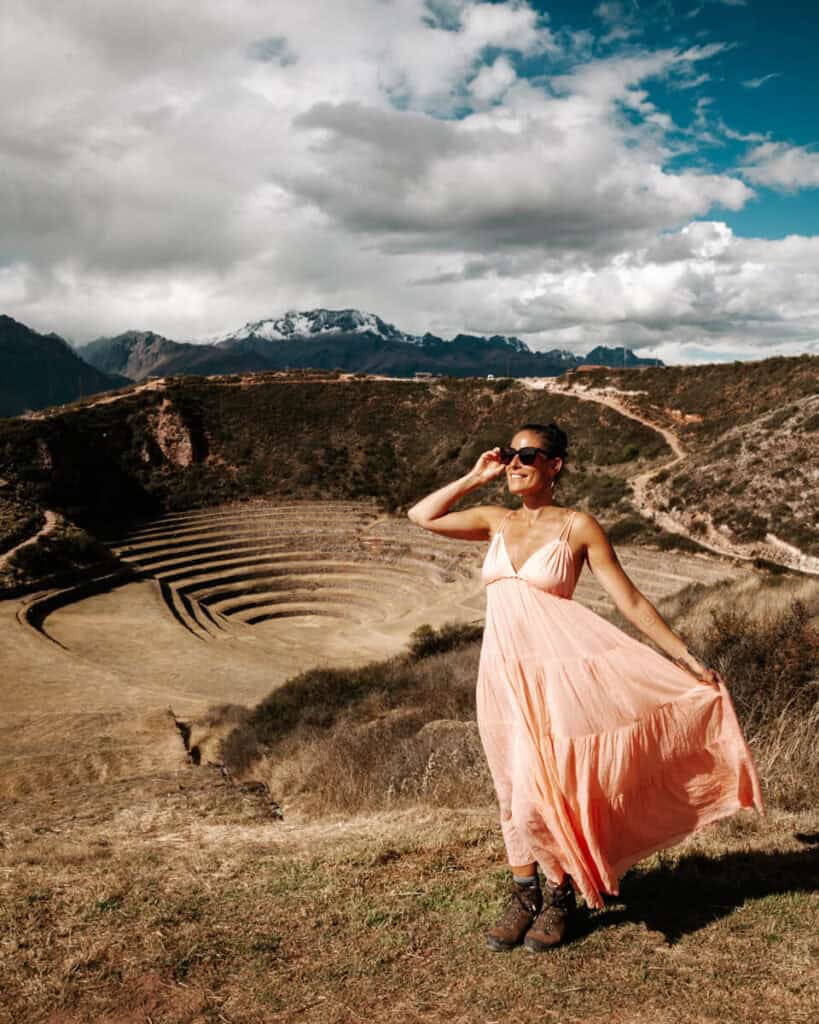
The Sacred Valley of the Incas is located north of Cusco, between the city of Cusco and Machu Picchu. The valley largely follows the Urubamba River and is surrounded by towering Andes mountains. From Cusco, you can visit the most famous attractions in the Sacred Valley on a day tour. Personally, though, I think it’s much more enjoyable to spend one or more nights here. That way, you’ll have more time to explore the archaeological sites, go hiking, and visit smaller towns that are often skipped on organized day trips.
The Sacred Valley played an important role in the Inca Empire. Thanks to its fertile climate and access to water, it was an important agricultural region. The Incas cultivated crops such as corn here and used various places throughout the valley as religious, military, and administrative centers. Many of the attractions you visit today are reminders of this period. The location of the archaeological sites is particularly impressive: several ruins are perched high above the valley, giving you a good sense of how ingeniously the Incas worked with the landscape.
There is quite a lot to see and do in the Sacred Valley of the Incas in Peru. Below, you’ll find the attractions I find most interesting and would recommend including in your visit.
If you want to see the main things to do and attractions in the Sacred Valley in a short amount of time, you can take a day tour from Cusco. These tours often combine Pisac and its market with Ollantaytambo and several other archaeological sites, such as Moray, Maras, and Chinchero. A tour is especially convenient if you want to see a lot in a limited amount of time. If you have more time, however, I’d recommend exploring the Sacred Valley at your own pace and spending one or more nights here. I’ll share more about that below.
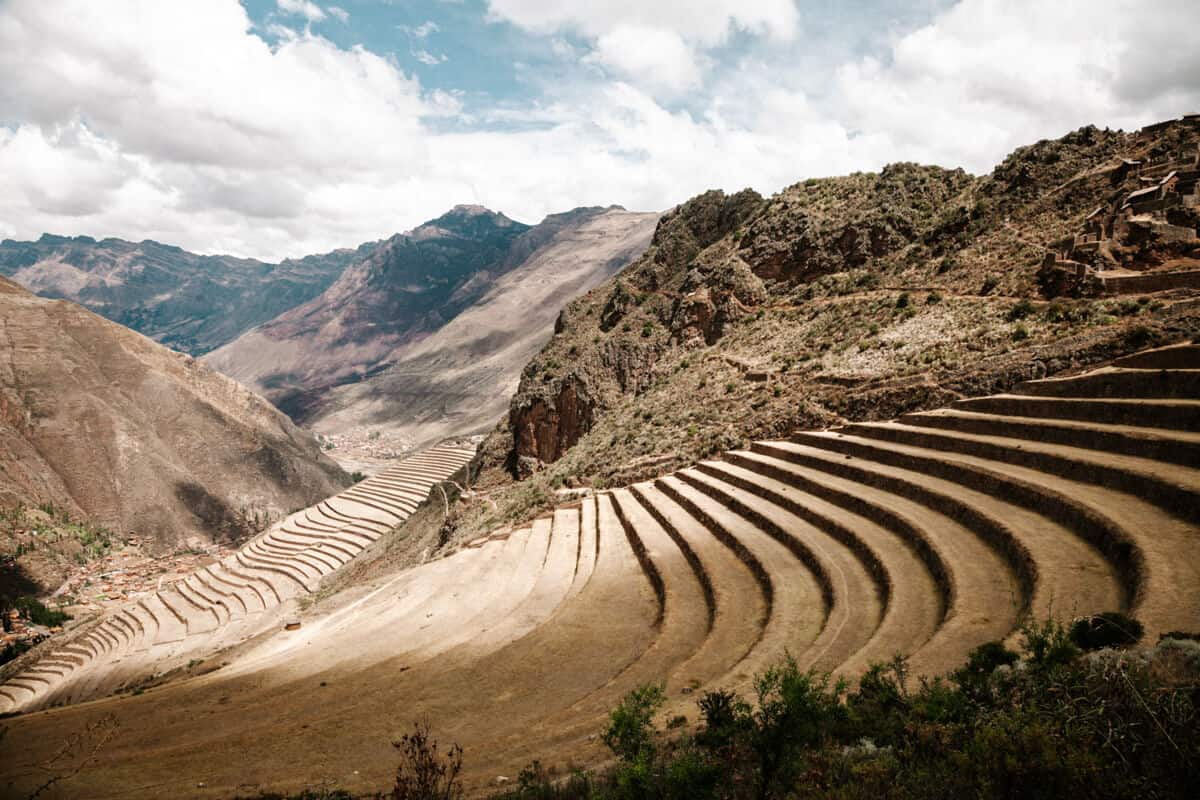
Pisac is one of the best-known attractions in the Sacred Valley. High above the village, impressive Inca ruins are spread across the mountainside, surrounded by extensive agricultural terraces. From the archaeological site, you can look out across the green valley and the Urubamba River.
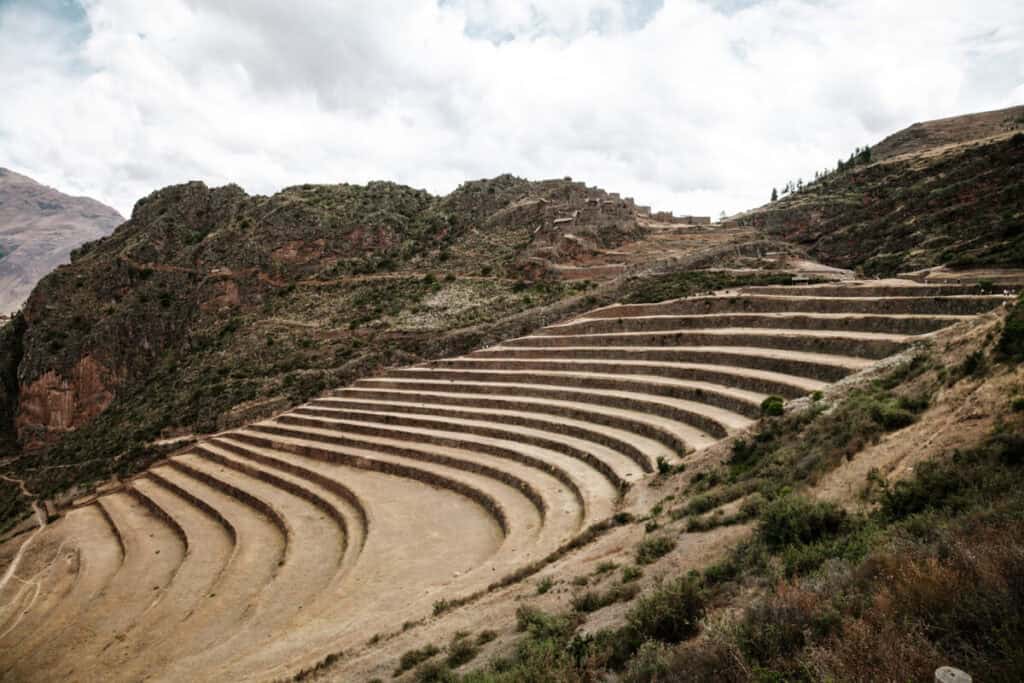
The terraces are perhaps the most striking feature of Pisac. The Incas used them for agriculture, making optimal use of the steep slopes. During your walk, you’ll pass ancient walls, temple remains, and other remnants of the Inca settlement. You’re also likely to encounter several llamas, completing the classic Andean landscape.
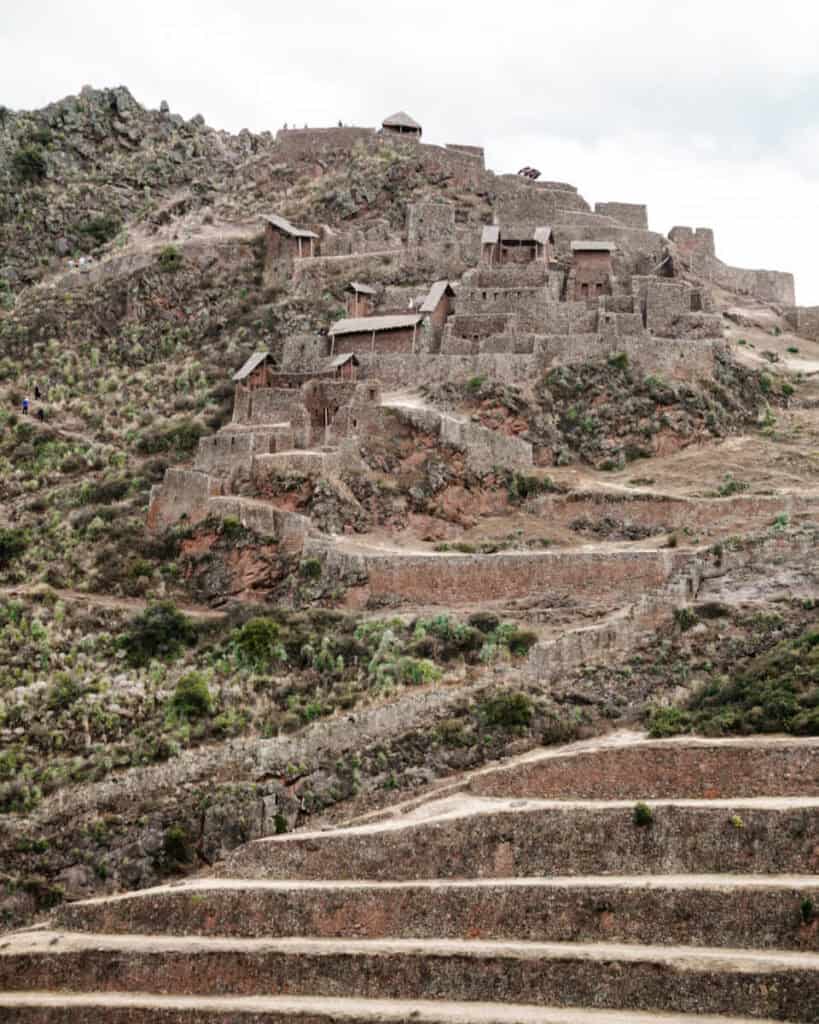
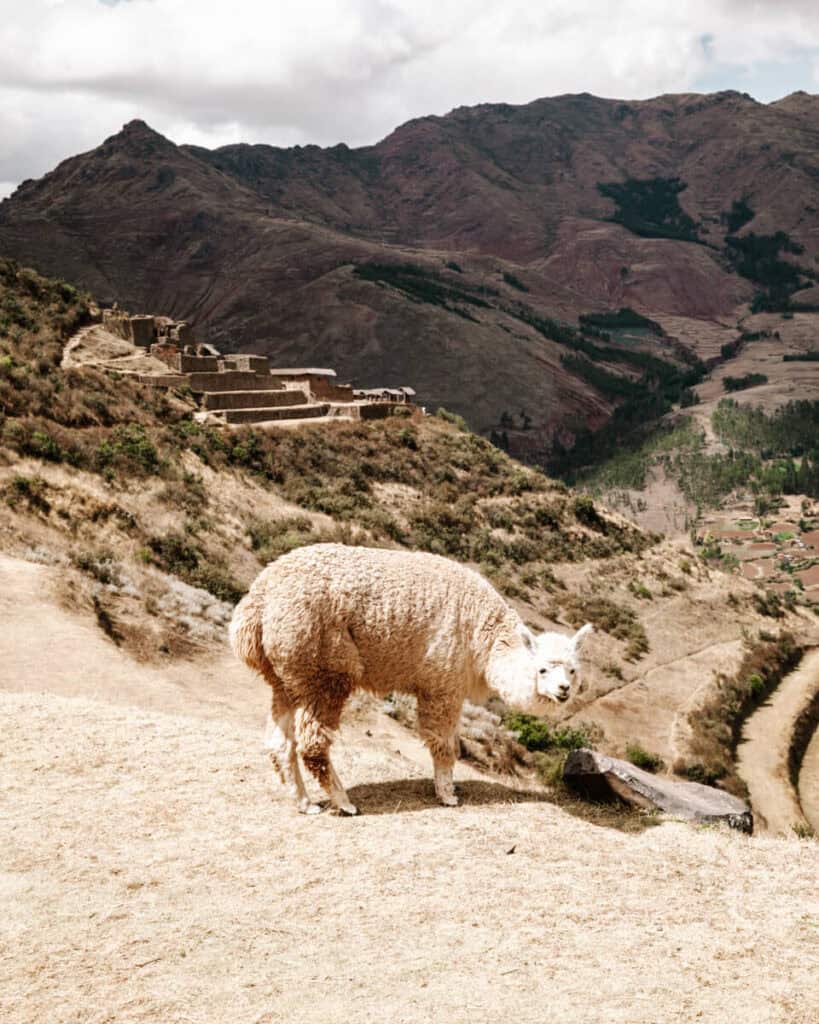
The archaeological site is quite extensive and spreads across several levels. You can choose a short walk past the main highlights, but there are also longer hiking routes through the complex. One of the most beautiful routes leads to Intiwatana, a stone ceremonial center located behind the main complex. Make sure you allow enough time for Pisac and don’t just rush from one major attraction to the next. Walking between the different sections gives you a much better sense of the size and location of the site. You can easily combine a visit to Pisac with a stop at the market in the village below.
With this tour, you can visit Pisac from Cusco.
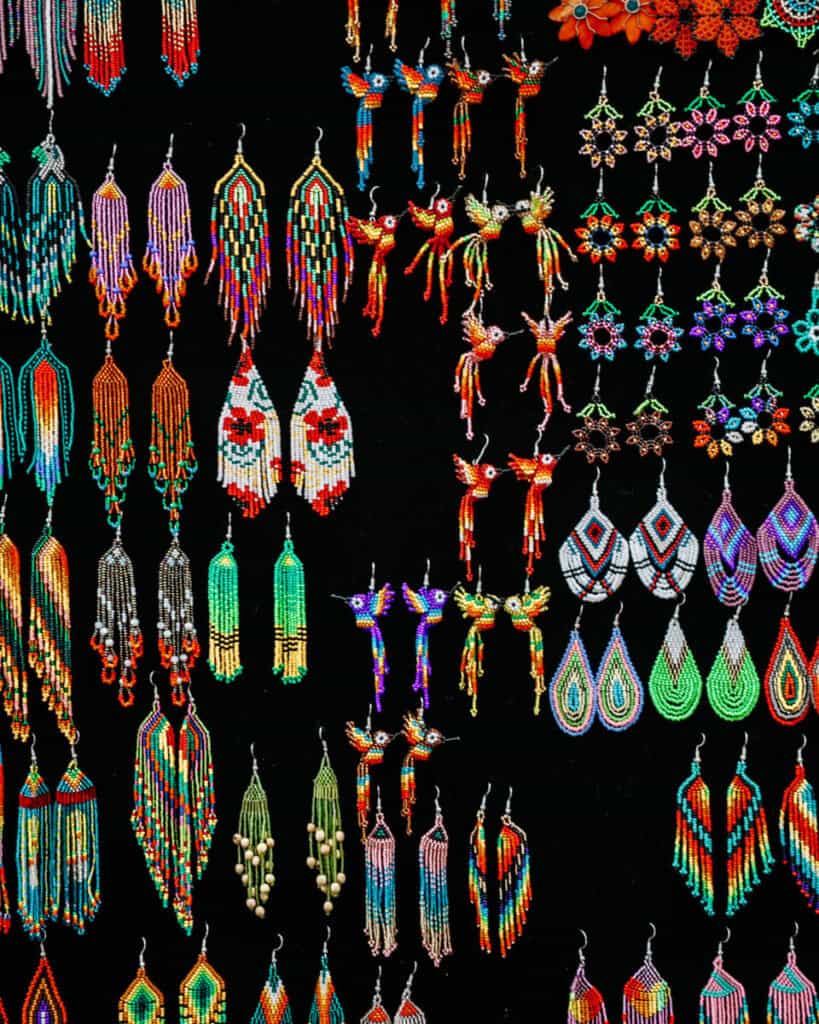
Pisac is also known for its market, which takes place daily in and around Plaza Constitución. You’ll find all kinds of stalls selling textiles, jewelry, souvenirs, and local products. On Tuesdays, Thursdays, and especially Sundays, the market is larger and livelier. On Sundays, residents from the surrounding Andean villages also come to Pisac to sell their products. Although the market has become quite touristy, it’s still a fun place to browse and shop. You can also easily combine a visit to the market with the archaeological site of Pisac.
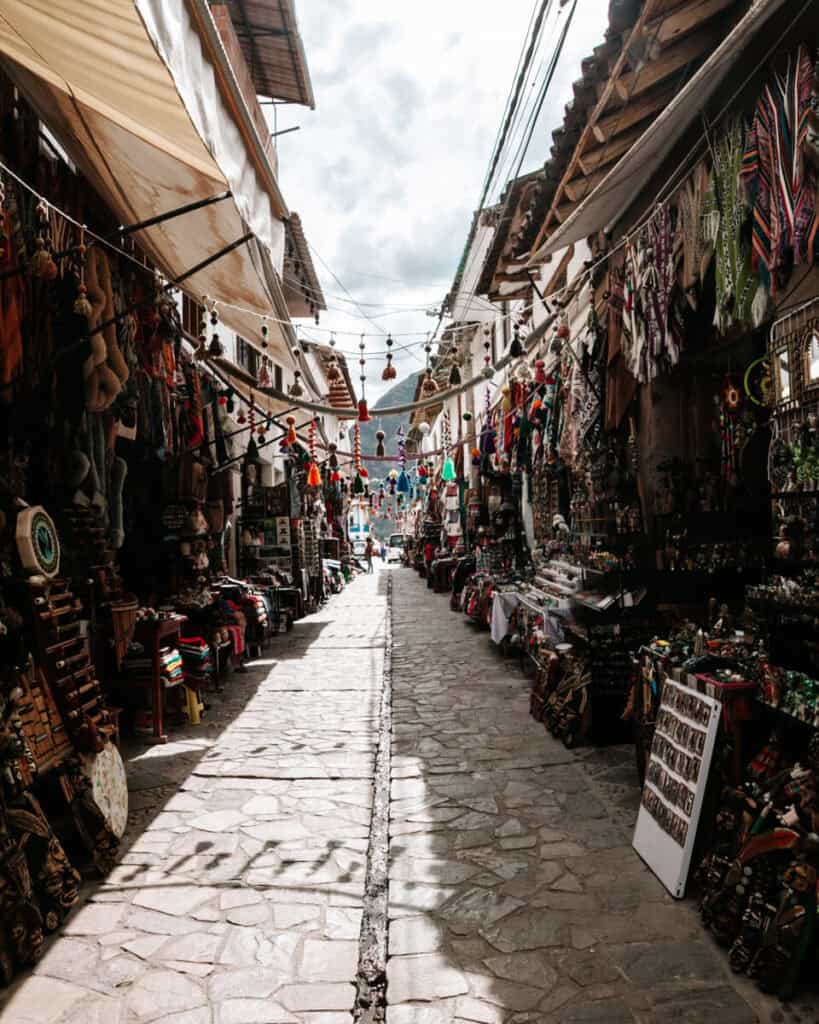
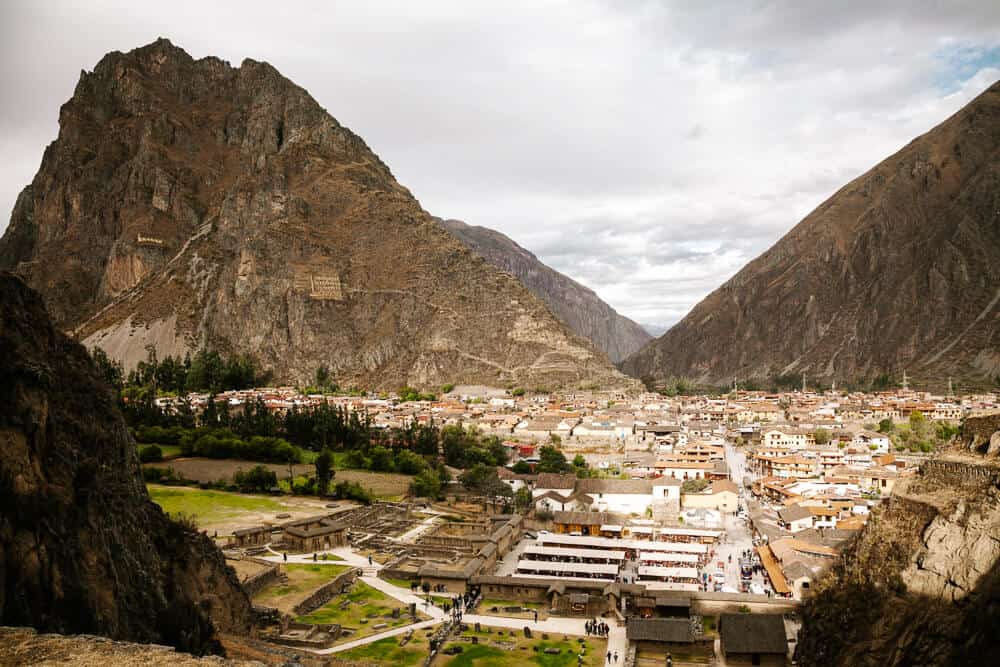
Ollantaytambo is one of the most important attractions in the Sacred Valley of the Incas. As soon as you enter the village, you’ll see the enormous Inca complex rising above it, with its stone terraces and temple walls. But Ollantaytambo itself is just as special. Its streets, walls, and narrow alleyways still largely follow the original Inca urban layout.
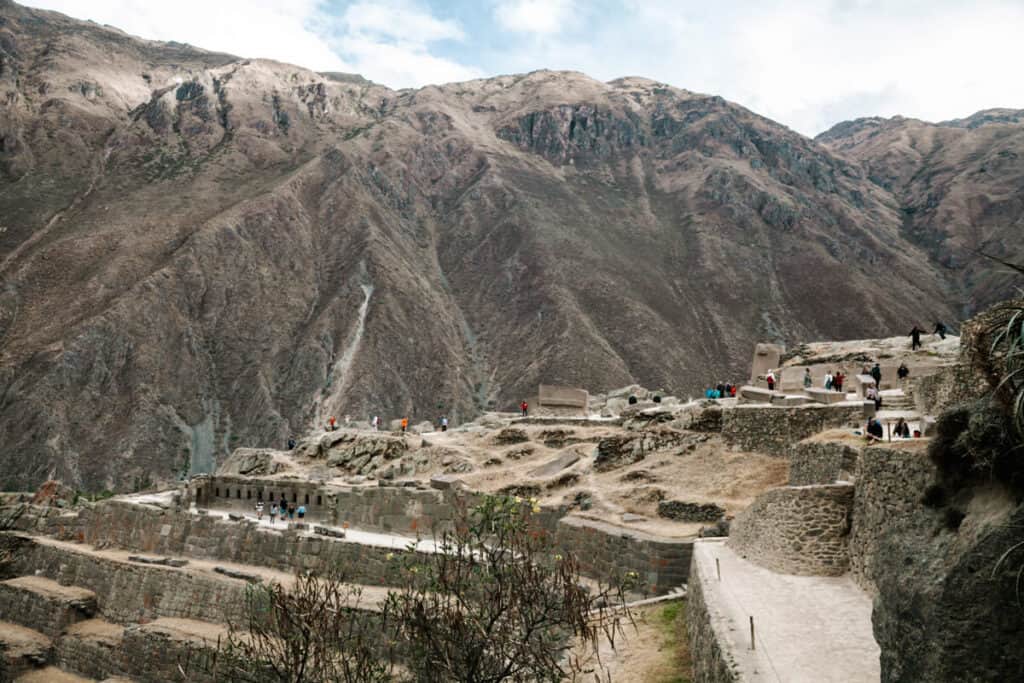
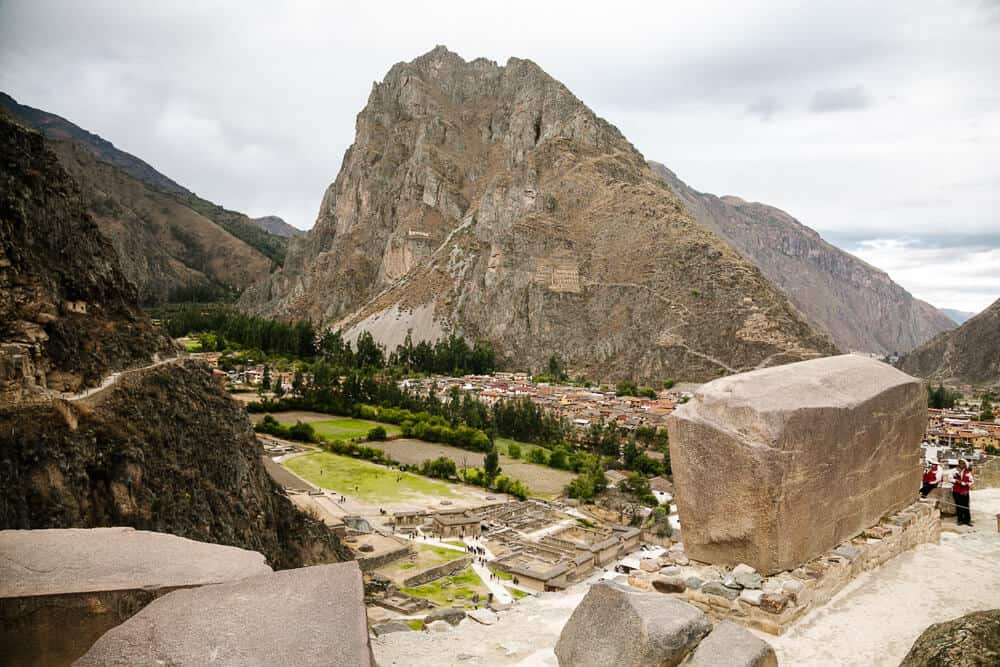
It’s therefore worth visiting not only the archaeological site but also spending enough time in the village itself. As you walk through the old streets, sit down at a terrace, or visit one of the restaurants, you’ll come across ancient Inca walls and water channels everywhere. The central square is also home to a colorful market with countless souvenirs, textiles, and local products.
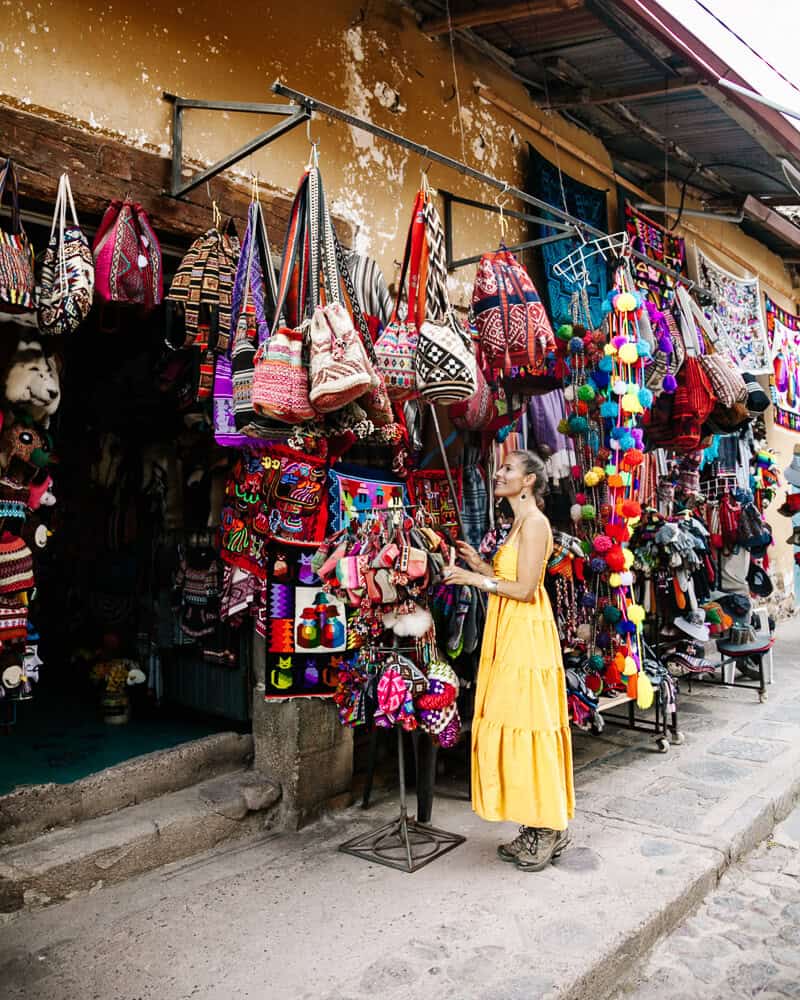
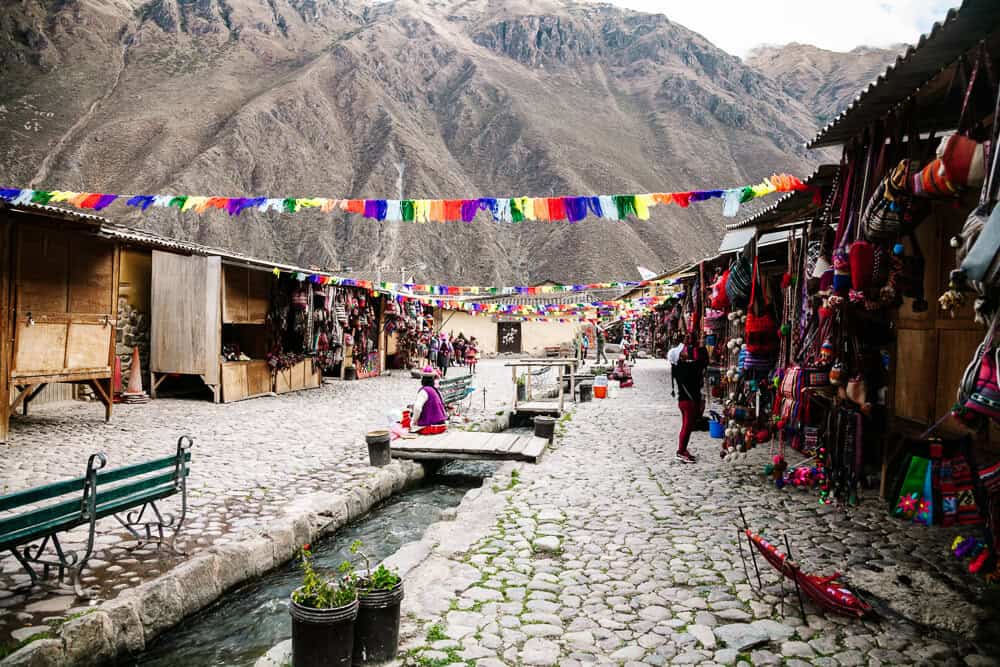
Do you want to know more about the archaeological site, the village, and what else you can do here? Read my in-depth article about Ollantaytambo.
Moray is one of my favorite attractions in the Sacred Valley, and a place that impresses me every time I visit. The enormous circular terraces are arranged like a series of circles in the landscape, creating an almost surreal sight. From the edge, you can look deep into the bowl-shaped terraces, with each level appearing progressively smaller.
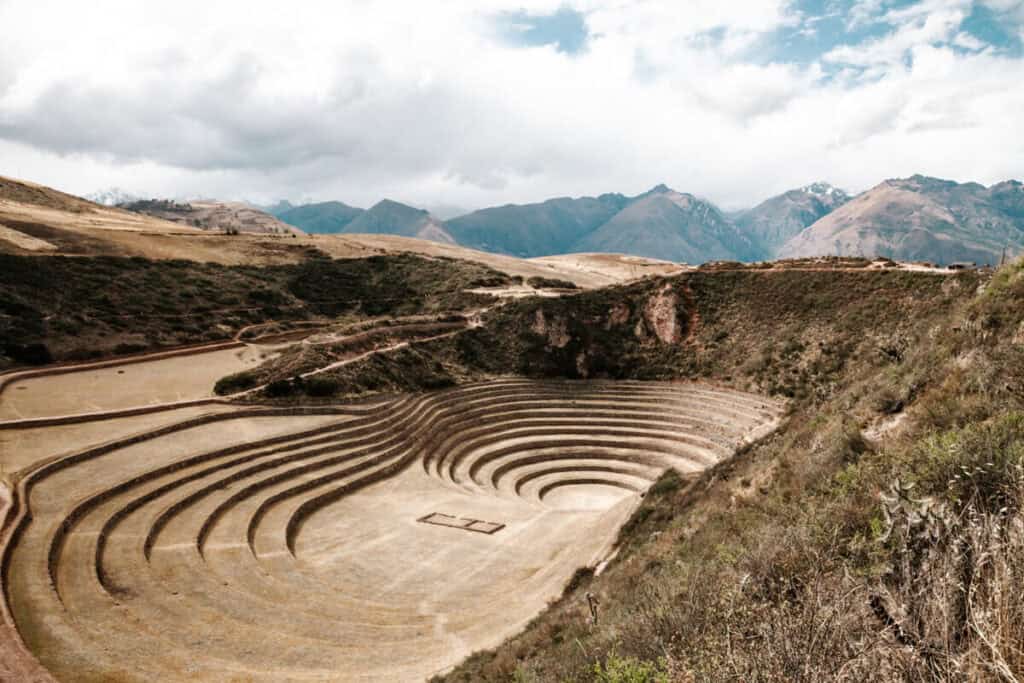
The Incas probably used Moray for agricultural experiments. The different elevations created small variations in temperature and climate, allowing them to test and grow different crops here. However, the exact purpose of Moray is still not entirely clear.
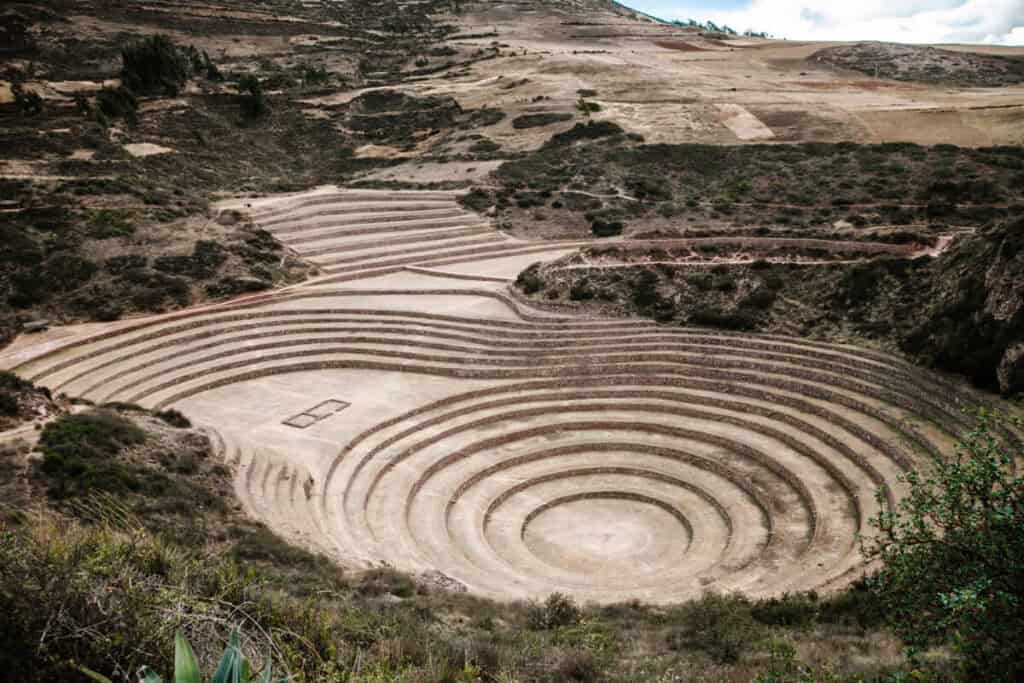
What I find so special is not only the shape of the terraces but also their sheer scale. From above, you can see how ingeniously the Incas adapted the landscape. Take your time to walk along the edge of the terraces and enjoy the views from different angles. Moray is one of those places that looks impressive in photos but makes an even bigger impression in person.
With this tour, you can visit Moray from the Sacred Valley of the Incas, or join this tour from Cusco. If you have more time, make sure to book a table at Mil restaurant, run by acclaimed chef Virgilio Martínez, where you can enjoy views of the archaeological site.
Another special place to visit in the Sacred Valley is Salineras de Maras, an extraordinary landscape of thousands of small salt ponds built into the mountainside. Together, the white terraces create a striking pattern that you can see from a distance. Salt is still harvested here using traditional methods. Salt water flows down from a natural spring and is distributed among the different pools through a network of small channels. As the water evaporates, the salt remains behind, forming the white layer that gives the terraces their distinctive appearance.
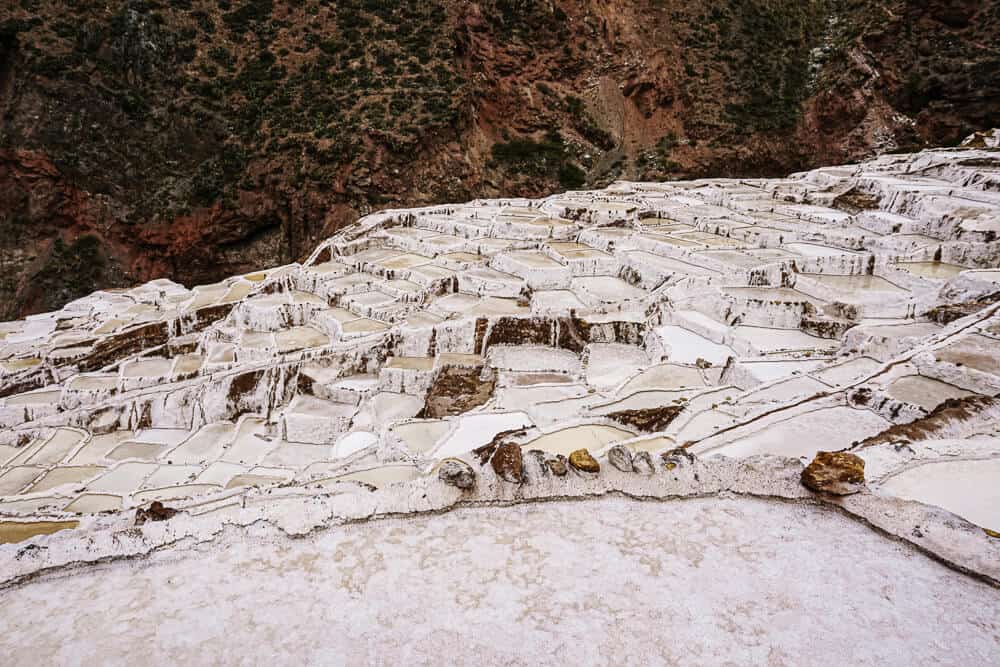
In the past, you could walk between the salt ponds and explore the area up close. This is no longer permitted, but the site is still beautiful when viewed from the current walking route and designated viewpoints. When the sun shines on the white salt ponds, you can really appreciate the scale and impressive nature of this centuries-old salt production site.
This day tour takes you to Maras from Cusco.
Maras is one of those small villages where I like to stop and wander around whenever I’m in the Sacred Valley. It’s usually combined with Moray and Salineras de Maras, but I think it’s a shame to simply drive through the village on your way to those two attractions.
The main square is small and charming, surrounded by a few old buildings and narrow streets. The shops around the square mainly sell products made with the local salt. It’s fun to pop in and, of course, pick up a bag of salt or another local product. Maras isn’t a place where you need to spend hours, but it’s a lovely stop to include in your journey through the Sacred Valley.
Chinchero sits at an altitude of approximately 12,336 feet (3,760 meters) and is one of the places in the Sacred Valley where you can still see the combination of Inca heritage and traditional Andean culture. The village is located high in the mountains, and the journey there offers beautiful views of the surrounding landscape. At the archaeological site, you’ll find ancient Inca walls and agricultural terraces. What’s particularly interesting is that part of the colonial village was later built on top of the Inca structures. You can clearly see how different periods of Peruvian history overlap here.
Chinchero is also known for its traditional weaving. Local weaving workshops still use techniques and patterns that have been passed down from generation to generation. It’s therefore an interesting stop if, alongside the famous archaeological attractions in the Sacred Valley, you’d also like to learn more about Andean culture.
Chinchero is included in most day tours from Cusco.
Do you enjoy horseback riding? Then exploring the Sacred Valley of the Incas on horseback is something you shouldn’t miss. You’ll ride through the impressive Andean landscape, past agricultural fields and small villages, with the mountains constantly in the background. Along the way, you can visit various archaeological sites, such as Moray and Maras.
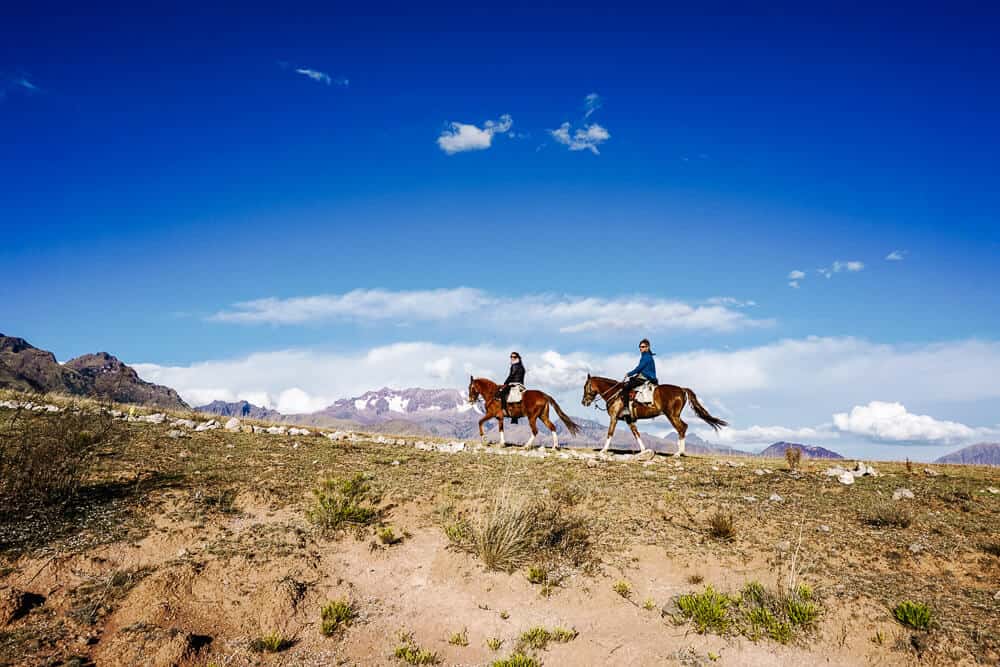
I’ve taken a horseback riding tour through the Sacred Valley myself, and I can already warn you: I was sore for days afterward. But honestly, it was more than worth it. The views along the way are beautiful, and riding on horseback gives you a completely different perspective on the landscape than you get from a car. There are several routes and tours to choose from, taking you past Inca terraces, archaeological sites, and small villages, for example. Horseback riding is a wonderful combination of nature and culture.
You can book a beautiful horseback riding tour here. If you’d like to visit Moray and Maras on horseback, you can find the tour I took here.
The Sacred Valley of the Incas is interesting for more than just its archaeological attractions. It’s also a wonderful place for hiking, with trails through agricultural areas, past Inca terraces, and into the mountains. There are several hiking routes, particularly around Ollantaytambo and Urubamba.
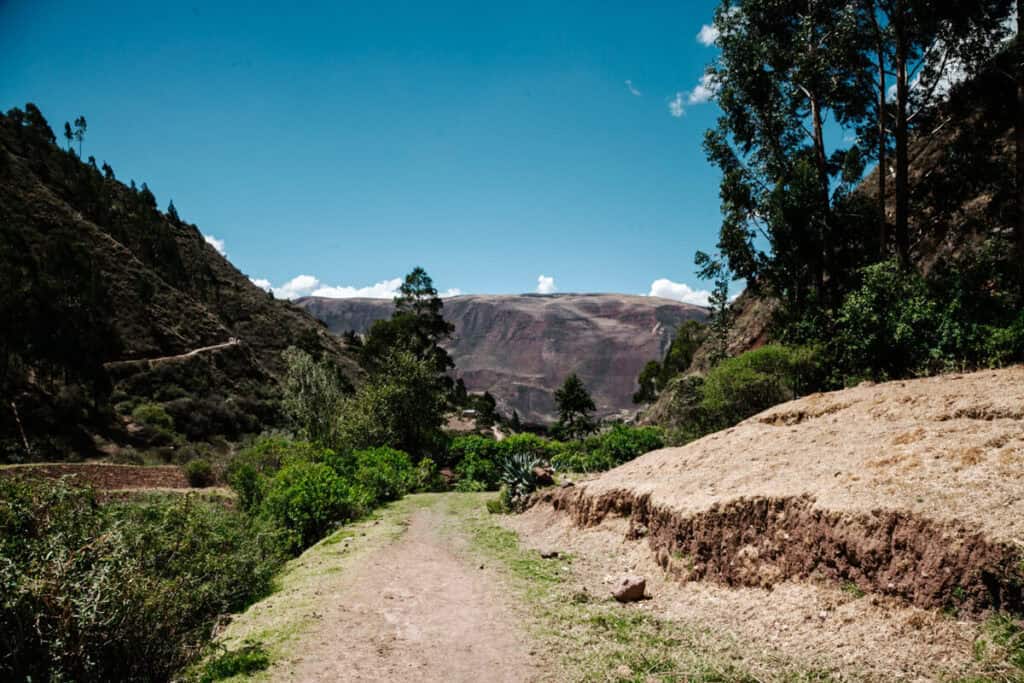
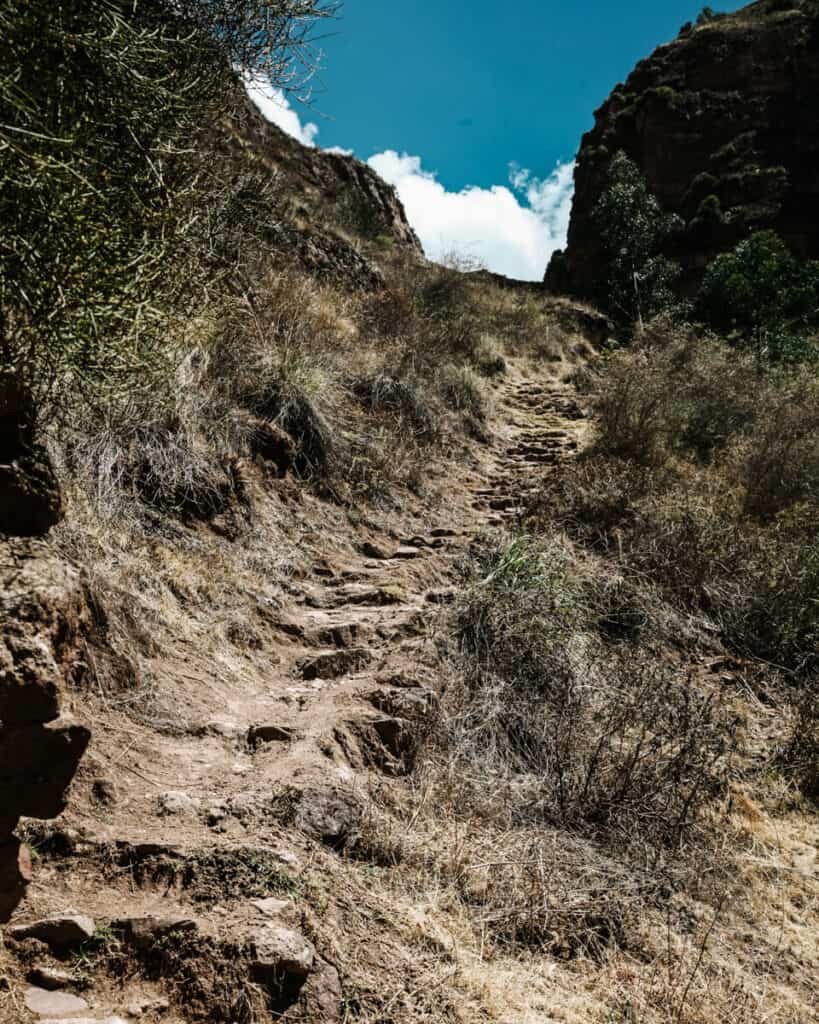
If you’re staying at a hotel in the Sacred Valley for a few nights, take a look at the hiking opportunities in the immediate surroundings. Many hotels are located right in the middle of the landscape, which means you can sometimes set off on beautiful trails directly from your accommodation. Around Ollantaytambo, for example, you can hike to Pumamarca or visit the Inca quarries of Cachicata. This makes it easy to combine hiking with discovering lesser-known Inca sites. In the next travel guide, you can read more about what to see and do in Ollantaytambo.
Keep the altitude in mind when hiking. Many trails are located above 9,843 feet (3,000 meters), which can make a hike more strenuous than you might expect based on the distance alone.
One special way to discover the landscape of the Sacred Valley is to go on a hike with alpacas. During this small-group experience, which lasts approximately three hours, you’ll walk with your own alpaca through the Andean landscape around Calca. Along the way, a local guide will tell you more about the culture and daily life in the valley. The route also follows quieter trails, allowing you to explore the surroundings at a relaxed pace.
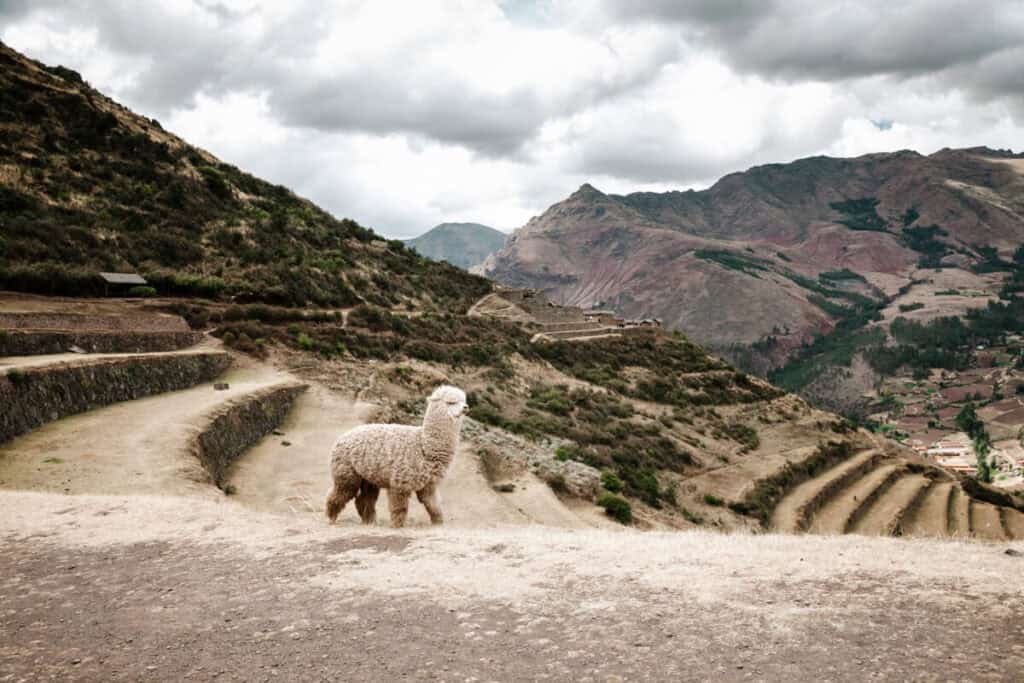
This is a really fun activity if you’re spending a little longer in the Sacred Valley and want to do something different from visiting archaeological sites. The tour is also suitable for families and can be booked here. You can also combine the hike with an overnight stay at a luxury lodge. You can book this experience here.
If you’d like to learn more about Peru’s wildlife during your trip through the Sacred Valley of the Incas, you can visit the Centro de Rescate Animal. Cochahuasi is a rescue center that takes in wild animals, for example, those rescued from illegal wildlife trafficking or animals that have been injured. The aim is to care for them and, whenever possible, release them back into their natural habitat.
The Sacred Valley of the Incas is beautiful, but it also attracts plenty of visitors. Would you like to avoid the crowds? It’s best to visit early in the morning or later in the afternoon. Another great option is to combine the famous Inca sites with a few lesser-known attractions in the Sacred Valley. These places also give you a different perspective on the valley, with hiking trails, remarkable landscapes, and archaeological sites where you’re likely to encounter only a handful of other visitors.
Perolniyoc is located above the Sacred Valley and is best known for its waterfall. Above the waterfall, you’ll also find the small, idyllic archaeological site of Raqaypata. You reach Perolniyoc via a hike through beautiful scenery. The walk to the waterfall is relatively short, but if you want to enjoy the best views and reach Raqaypata, you’ll soon need two to three hours. It’s therefore important to prepare properly for the hike, with suitable shoes and enough food and water. Perolniyoc is one of the attractions in the Sacred Valley worth visiting if you’d like to combine hiking with exploring a lesser-known archaeological site.
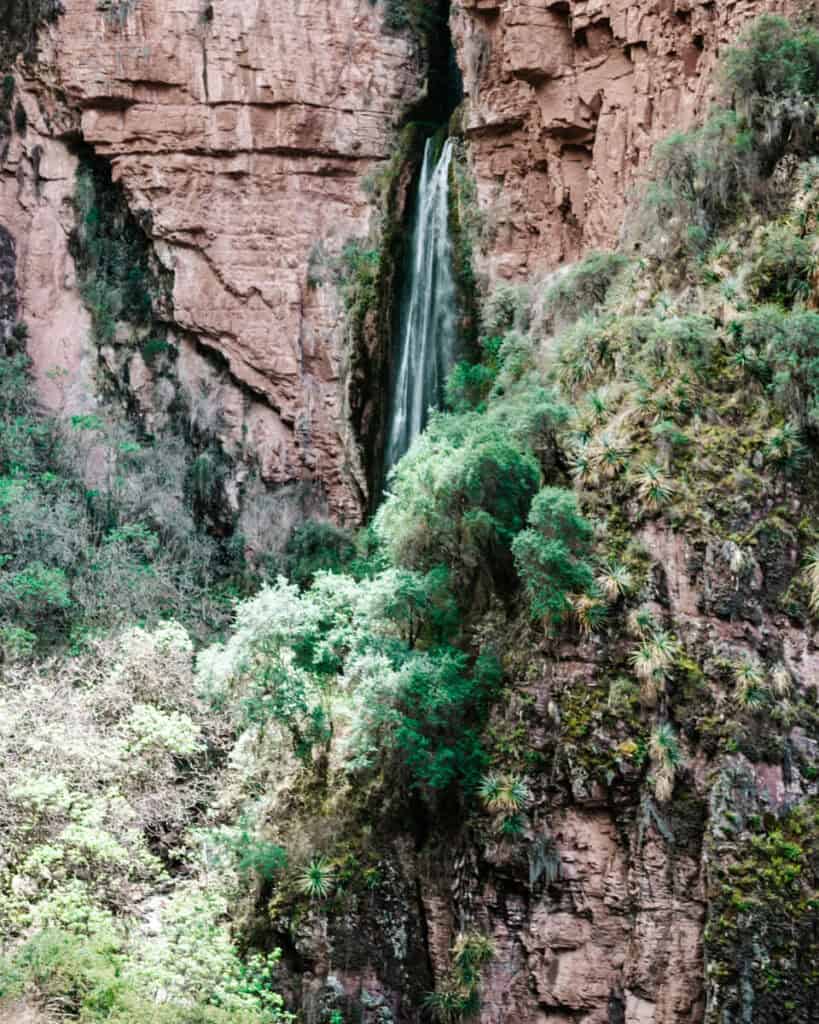
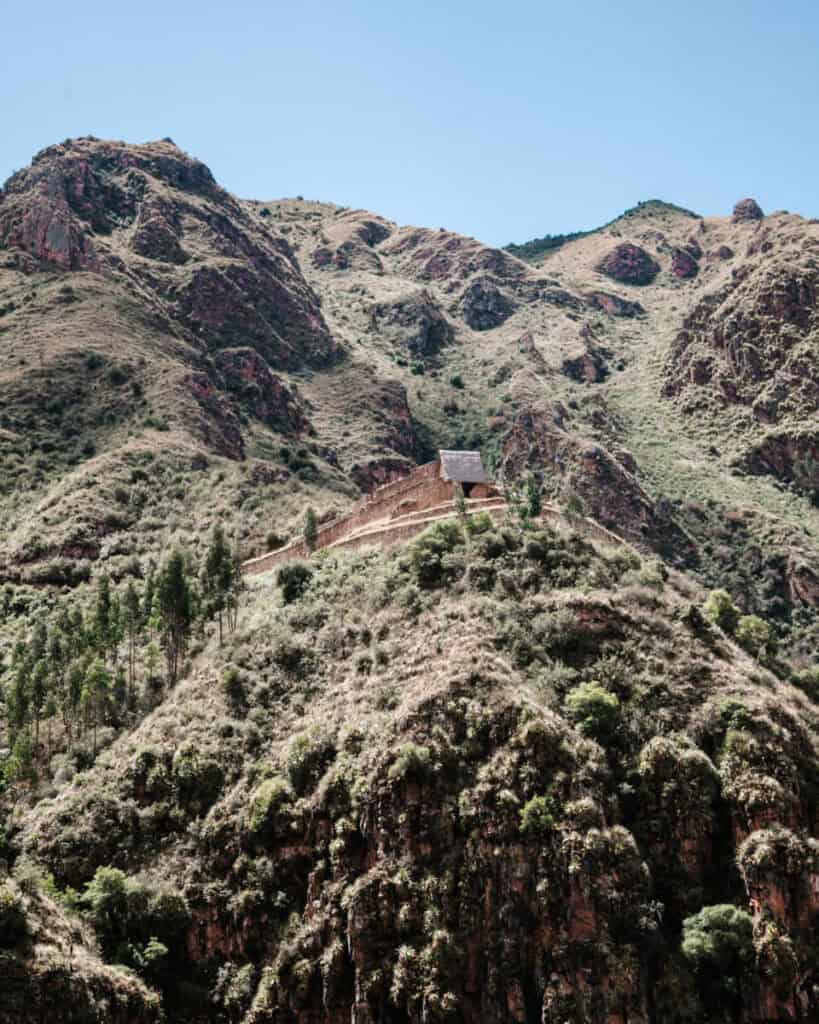
If you’re already staying in the Sacred Valley, you can easily do the hike independently. However, you’ll need transportation to the trailhead. If you’d like to visit Perolniyoc from Cusco, it’s best to book a day tour.
Ñaupa Iglesia is a mysterious place in the Sacred Valley. It’s a site carved into the rock that probably served a religious or ceremonial purpose. The site is small and can be reached with a 20-minute walk from the main road.
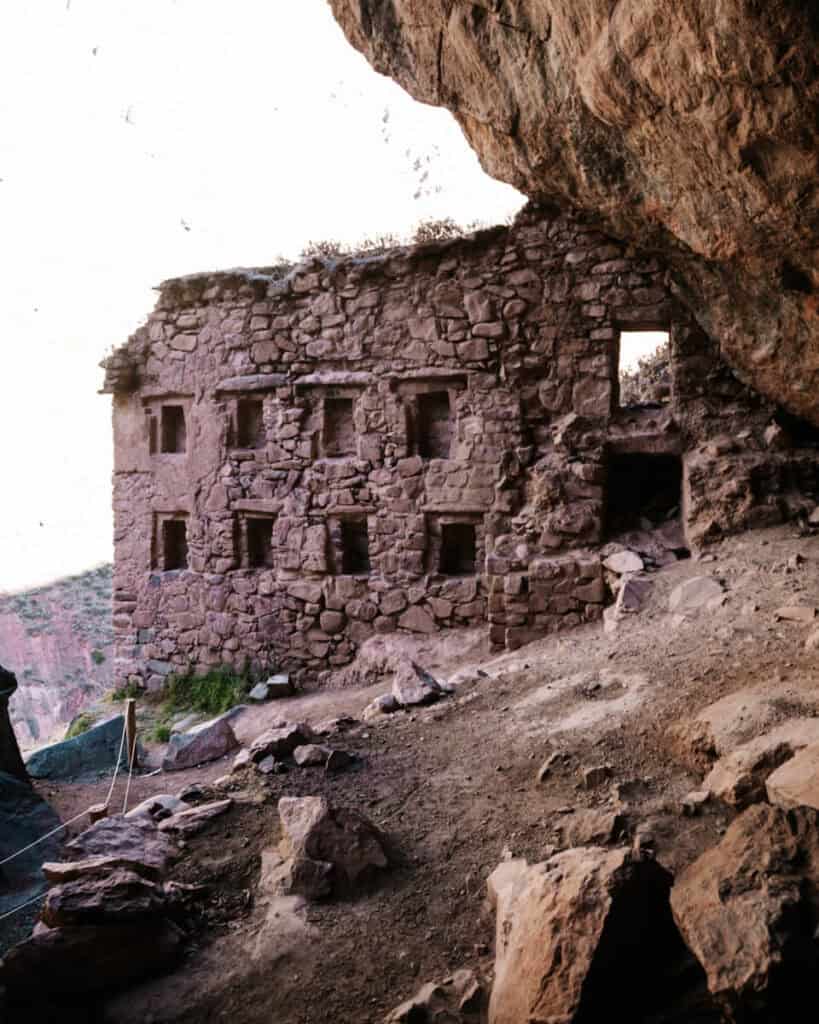
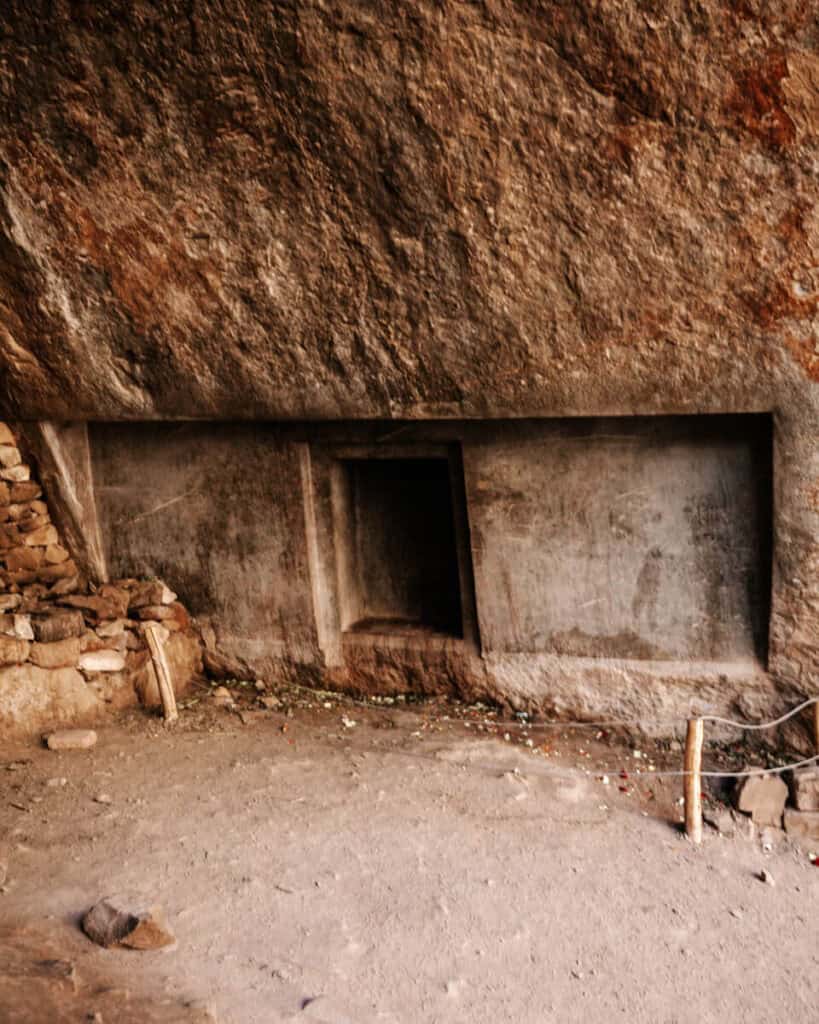
You don’t visit Ñaupa Iglesia for a large archaeological complex, but rather for its remarkable rock carvings and location. Since Ñaupa Iglesia is much less well-known than places such as Pisac or Ollantaytambo, you’ll also encounter considerably fewer visitors here. It’s an interesting place to include in your itinerary if you have more time.
If you’d like to visit Ñaupa Iglesia from Cusco, it’s best to book a day tour that combines a visit to both Perolniyoc and Ñaupa Iglesia.
If you really want to explore the Sacred Valley at a relaxed pace, I’d recommend staying here for at least one or two nights. Instead of traveling back and forth from Cusco every day, you’ll have time to visit different attractions in the Sacred Valley and enjoy the surrounding landscape. You’ll also find several special hotels and lodges scattered throughout the valley, often right in the middle of nature.
Inkaterra Hacienda Urubamba is one of my favorite hotels in the Sacred Valley. This luxury boutique hotel is surrounded by green agricultural fields, with the Andes mountains in the background. Its style is inspired by a traditional Peruvian hacienda, with plenty of wood, natural stone, and warm earth tones. It’s the details that make the difference, from the stylish interiors to the personal service. You’ll stay in beautiful casitas with large windows and views across the valley.
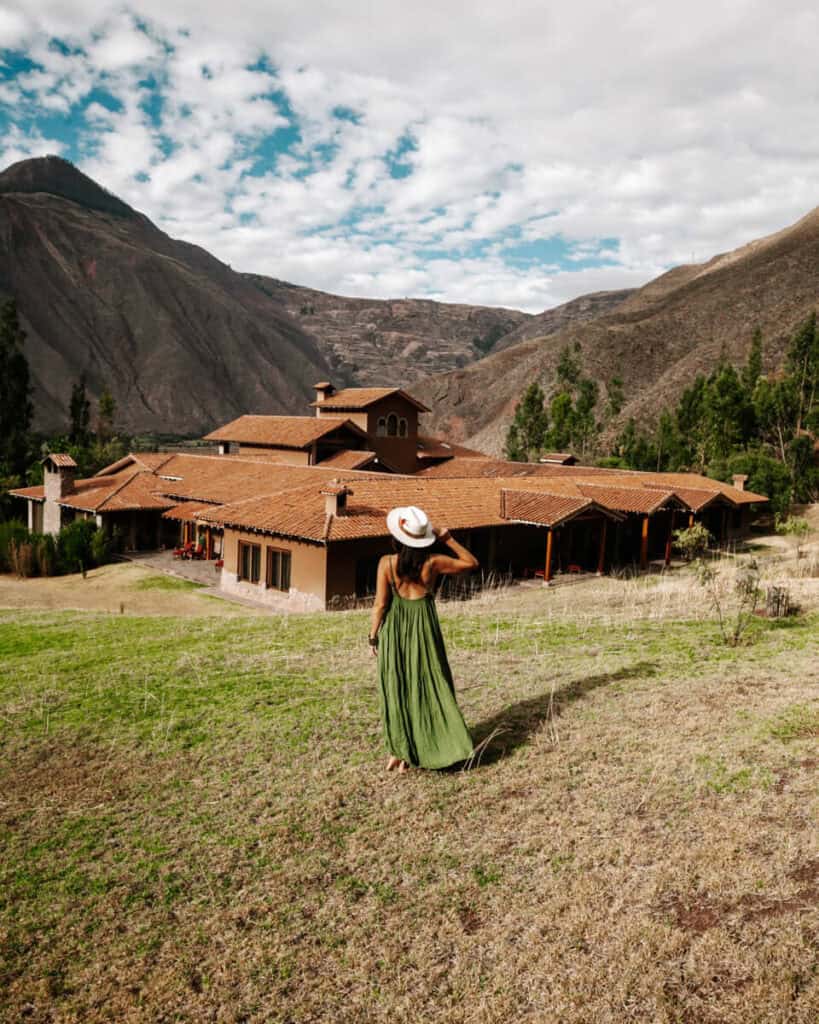
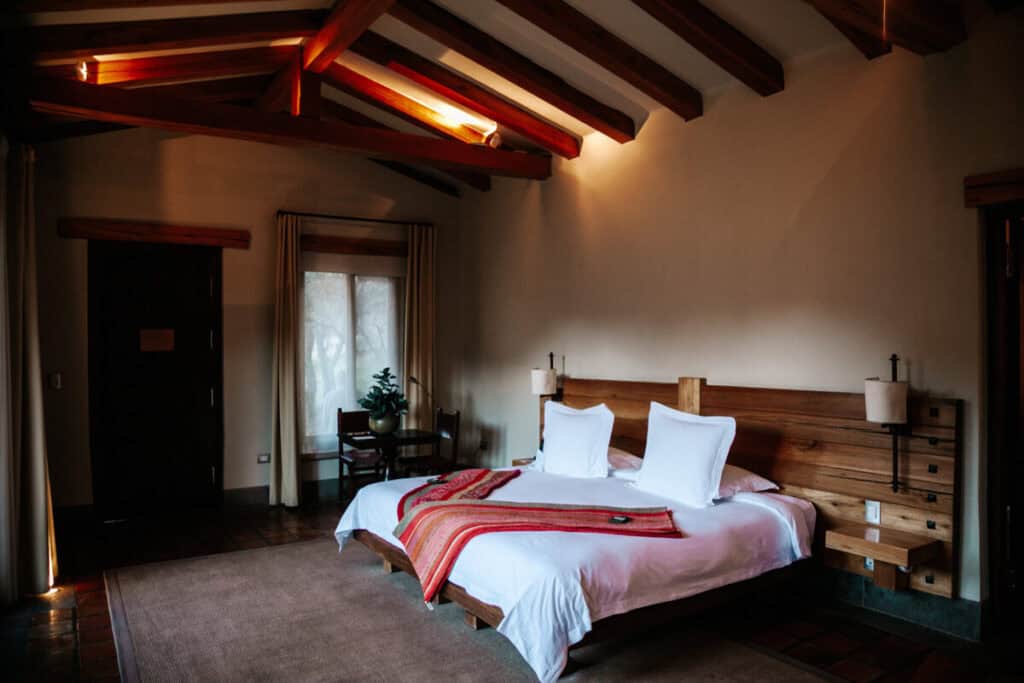
From the hotel, you can enjoy several hikes and activities and learn more about the nature and culture of the surrounding area. Thanks to its location, Inkaterra Hacienda Urubamba is an excellent base for exploring the Sacred Valley. After a day visiting the Inca sites, it’s wonderful to return here. I’d definitely recommend staying for at least two nights and taking time to enjoy the hotel and its surroundings.
In my hotel review, you can read more about Inkaterra Hacienda Urubamba, including my personal experience. You can find prices and availability here.
Las Qolqas is another wonderful place to stay in the Sacred Valley. I’ve been returning here time and time again for years. Las Qolqas Eco-Lodge & Spa is set in a green area just outside Ollantaytambo, surrounded by mountains and agricultural fields. You’ll stay in spacious, comfortable tents that have been designed and furnished with great attention to detail. It feels more like staying in the middle of nature than in a traditional hotel.
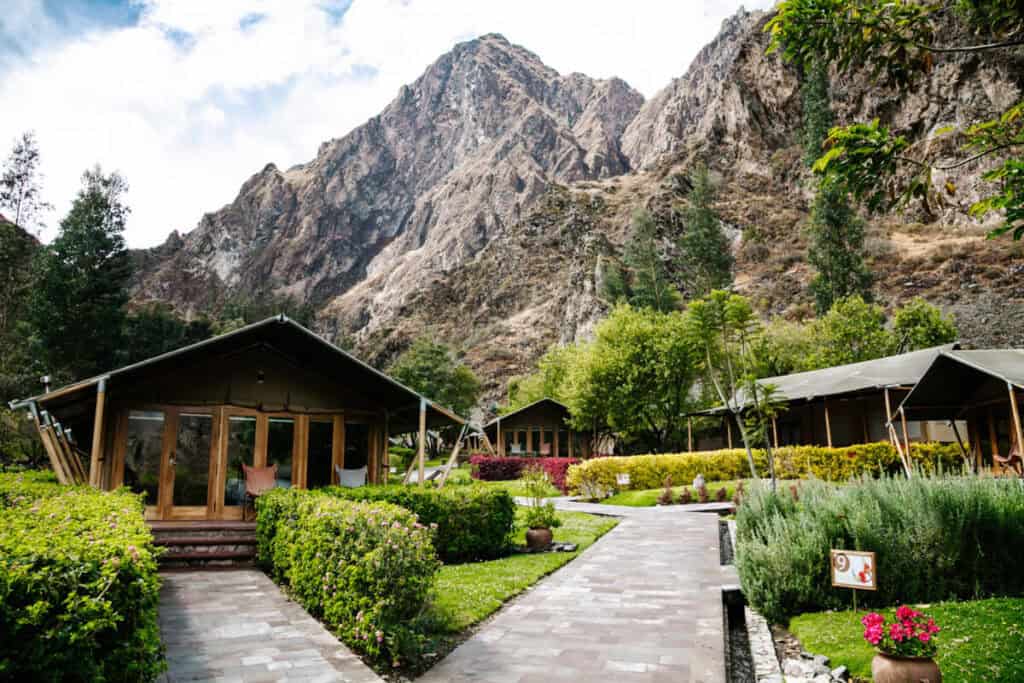
There are several outdoor areas on the property where you can sit and enjoy the landscape. You can go hiking and enjoy activities in the surrounding area directly from Las Qolqas, but it’s also a place where you can simply take it easy and do very little.
In the next article, you can read more about Las Qolqas. You can find prices and availability here. Looking for more hotels in the Sacred Valley? Here you’ll find an overview.
If you only have one day in the Sacred Valley, I’d recommend choosing a few of the main attractions and taking a full-day tour from Cusco. With two days, you’ll have a little more flexibility. For example, you could visit Pisac and Ollantaytambo on the first day and spend the second day exploring Moray and Salineras de Maras. This way, you won’t have to rush from one place to the next, and you’ll have more time to stop along the way.
If you have three days, you can combine the well-known destinations with a hike or activity near your hotel, and you’ll have time to visit Perolniyoc or Ñaupa Iglesia. That way, you’ll see not only the main attractions but also get a better feel for the landscape and atmosphere of the Sacred Valley of the Incas.
The Sacred Valley is easy to combine with Machu Picchu. My personal recommendation is to spend a few days exploring the valley first and then take the train from Ollantaytambo to Aguas Calientes, the gateway to Machu Picchu. You won’t have to travel back to Cusco each time, and you can, for example, head straight to Machu Picchu after visiting Ollantaytambo. You can book a train ticket from Ollantaytambo to Aguas Calientes here.
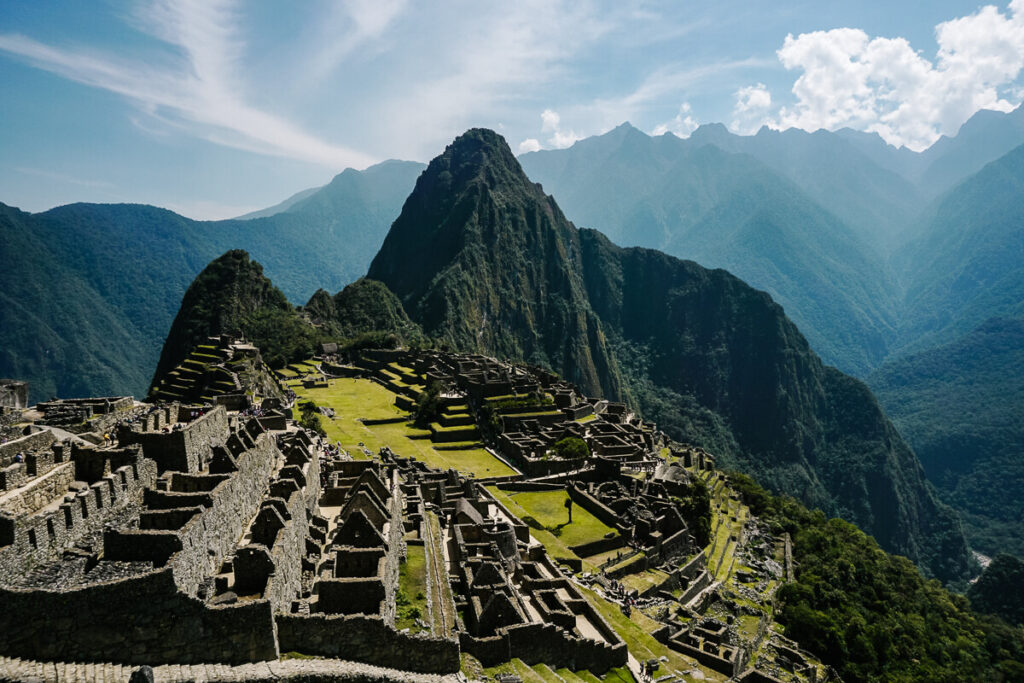
Short on time? You can also choose a two-day tour. On the first day, you’ll visit the best-known attractions in the Sacred Valley and take the train from Ollantaytambo to Machu Picchu in the late afternoon. The following day is dedicated to Machu Picchu, and you’ll return to Cusco at the end of the day. You can book another two-day tour here.
In my next article, you’ll find everything you need to know about visiting Machu Picchu.
You need a Boleto Turístico to visit several of the main attractions in the Sacred Valley of the Incas. If you plan to visit places such as Pisac, Ollantaytambo, Chinchero, and Moray, you can purchase the Boleto Turístico Parcial III – Valle Sagrado. This ticket currently costs 70 soles (2026) and is valid for two days. If you’re also planning to visit several archaeological sites in and around Cusco during your trip, the Boleto Turístico Integral may be a better option. This ticket costs 130 soles (2026), is valid for ten days, and gives you access to 16 attractions across several circuits. In the next travel article, you’ll find all my tips for Cusco.
Good to know: the Boleto Turístico is an admission ticket only. Transportation and a guide are not included. You cannot purchase the ticket online; it is sold in person in Cusco and at participating attractions.
My tip: if you’re only staying in the Sacred Valley and mainly plan to visit Pisac, Ollantaytambo, Chinchero, and Moray, the Parcial III ticket is usually the most logical choice. If you’re combining the Sacred Valley with several attractions in Cusco, take a look at the Integral ticket.
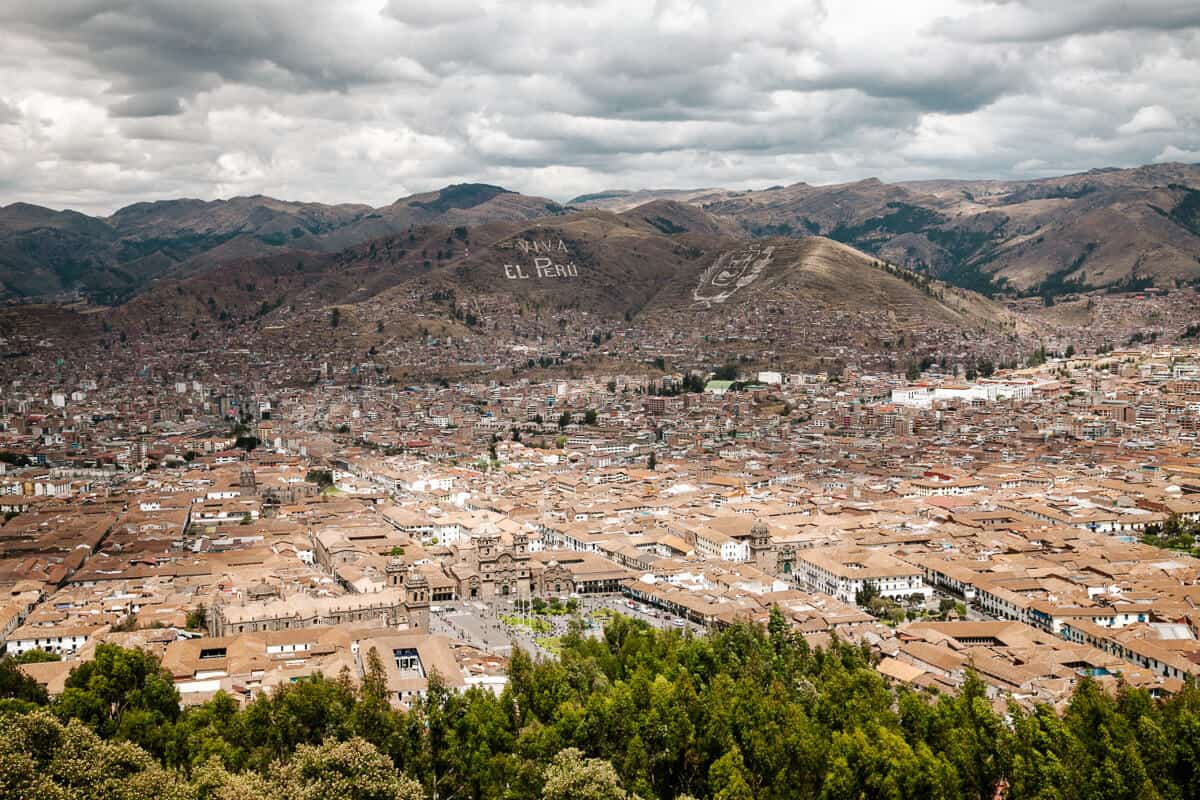
From Cusco, it takes approximately one hour to reach the Sacred Valley, depending on your destination. Pisac is closest to Cusco, while Ollantaytambo and other places farther into the valley take a little longer to reach.
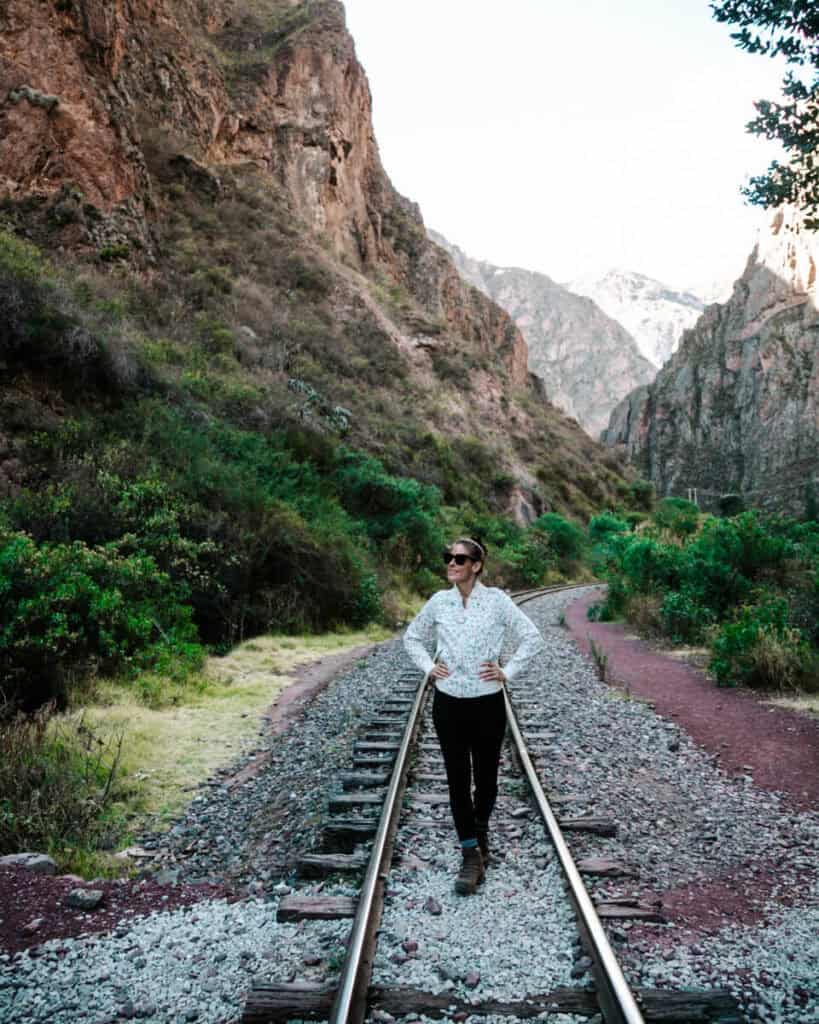
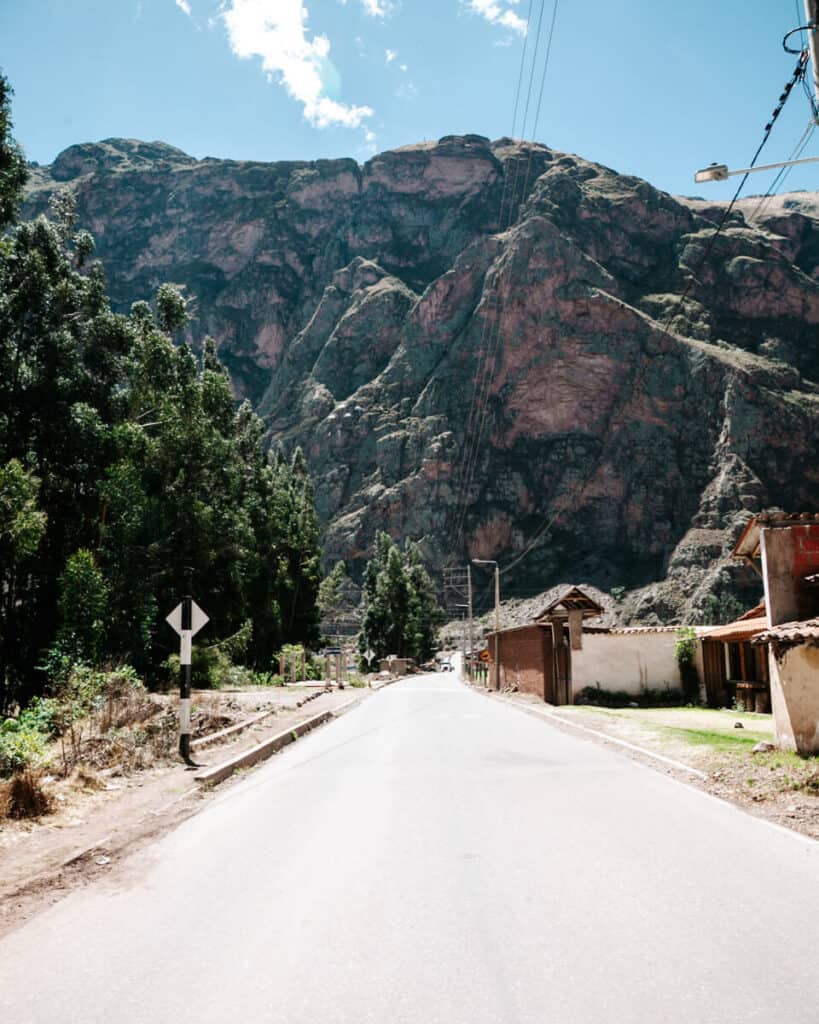
You can visit the Sacred Valley on an organized day tour. Alternatively, you can hire a private driver or rent a car, which is what I always do. If you’re traveling independently, you can also use local buses and colectivos to get between the different villages. This is an inexpensive option, but it does require more time and planning.
If you’re staying overnight in the Sacred Valley of the Incas, I’d recommend traveling directly from Cusco to your hotel and exploring the attractions from there. This gives you much more flexibility than driving back and forth from Cusco every day.
The driest period in the Sacred Valley generally runs from May through September. These months offer the best chance of sunny days and clear views of the Andes mountains. This is also the most popular time to visit Peru, so well-known destinations can be busier.
April and October are also interesting months to visit. The weather can be more changeable, but you’ll often get a nice combination of sunny days and green landscapes. November through March is the rainy season. It can rain heavily during this period, especially later in the day, but the valley is greener and generally quieter.
Keep in mind that the weather in the Andes can change quickly. Even during the dry season, you may encounter clouds and rain, so I’d always recommend carrying a good rain jacket in your daypack.
Read more about the best time to visit Peru.
The altitude varies considerably throughout the Sacred Valley of the Incas. Urubamba sits at approximately 9,416 feet (2,870 meters), while Ollantaytambo is around 9,154 feet (2,790 meters). This makes the Sacred Valley a good place to acclimatize gradually compared to Cusco, which sits at 11,155 feet (3,400 meters).
However, not all places in the valley are at lower elevations. Pisac is around 2980 meters, while Chinchero sits at approximately 3760 meters and Moray at 3500 meters. The altitude can therefore also be noticeable when hiking or visiting archaeological sites.
If you’re traveling directly from Cusco, you’re unlikely to notice the change in altitude as much. If you’re arriving from Lima or another low-altitude destination, take it easy during the first few days and don’t plan a strenuous hike right away.
Planning a trip to Peru or just starting your research? In the next travel guide, you’ll find everything you need to know about traveling to Peru, including practical tips, essential travel info, and inspiration for where to go and what to see. Hopefully, my articles will help you get the most out of your trip, or convince you to add Peru to your travel bucket list.
Did you enjoy reading this article with tips and things to do in Cusco Peru? Let me take you on a further journey along the most beautiful destinations and attractions in Peru in the next articles.
This article may contain affiliate links. If you purchase something using one of our links, we may receive a commission at no extra cost to you, which helps us keep this blog alive. Thank you for your support! Please see our disclosures for more information.
Are you interested in the world? Do you want to learn more about a country and its culture? Let me take you on a journey with Passport the World.
As a travel reporter, producer and tour guide, I have been traveling around the world for the last 20 years, looking for the most scenic places and stories that are worth sharing. In Passport the World, I am guiding you along scenic and cultural places, cities, art, viewpoints, hiking trails and unique experiences. To help you get the most out of your travels or to just get to know a country and culture better!


Are you interested in the world? Do you want to learn more about a country and its culture? Let me take you on a journey with Passport the World.
As a travel reporter, producer and tour guide, I have been traveling around the world for the last 20 years, looking for the most scenic places and stories that are worth sharing. In Passport the World, I am guiding you along scenic and cultural places, cities, art, viewpoints, hiking trails and unique experiences. To help you get the most out of your travels or to just get to know a country and culture better!