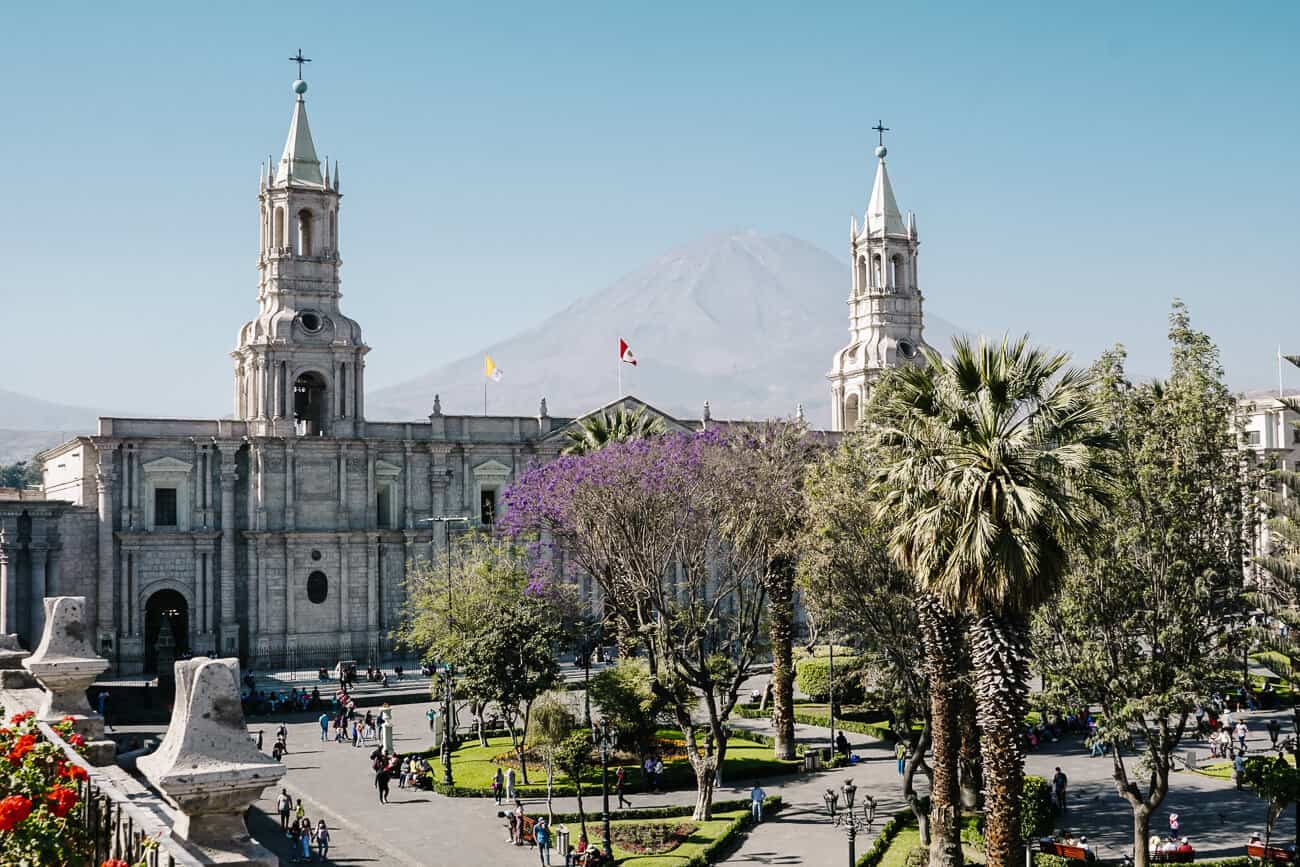
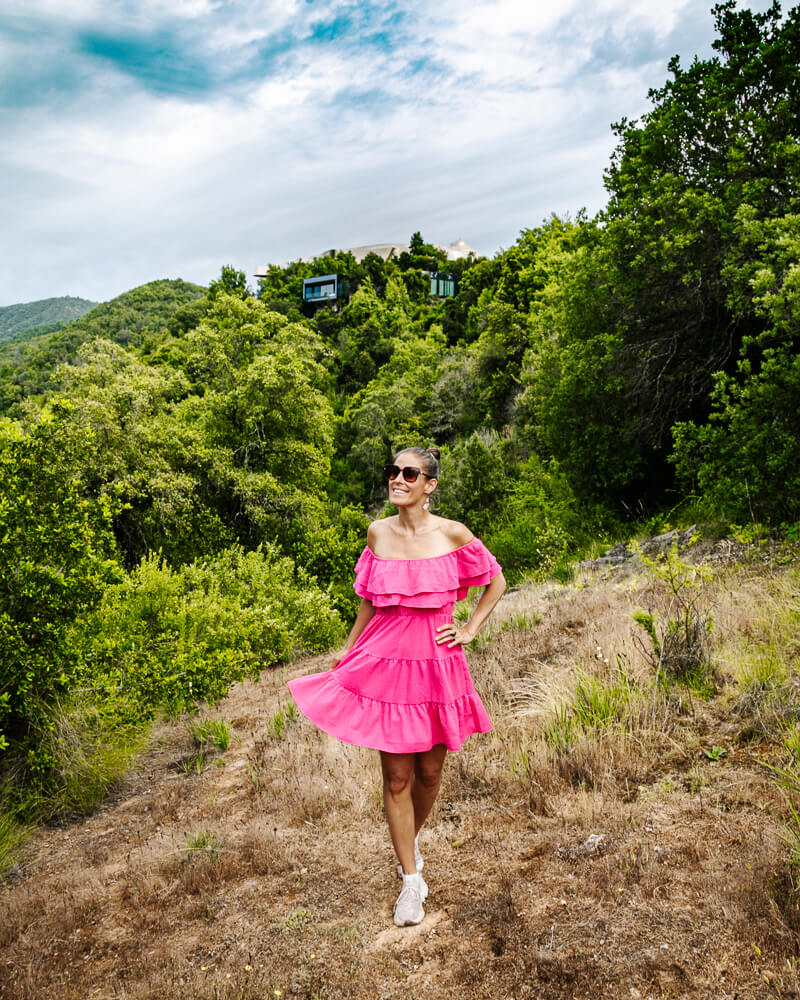
Arequipa is the second-largest city in Peru, and an exceptionally beautiful one. Its nickname Ciudad Blanca, the White City, is well deserved. The city is filled with elegant colonial buildings constructed from white sillar, a volcanic stone. And almost everywhere you go, you’ll see the nearly 6,000-meter-high Misti volcano rising above the city. Arequipa is also the perfect base for several beautiful excursions in the area, such as the Colca Canyon. In this article, you’ll find my tips for things to do in Arequipa Peru, including the best sights, tours, restaurants, and hotels.
Arequipa is a city I instantly fell in love with, and one you’ll definitely want to include in your Peru itinerary. It feels more intimate than Lima or Cusco, yet it offers everything: a lovely historic center, beautiful architecture, interesting museums, and excellent Peruvian cuisine. On top of that, Arequipa is the perfect base for exploring the stunning landscapes and highlights in the surrounding region. In this article, I’ll share my tips on the best things to do and see in and around Arequipa: from must-visit sights and tours to great places to stay.
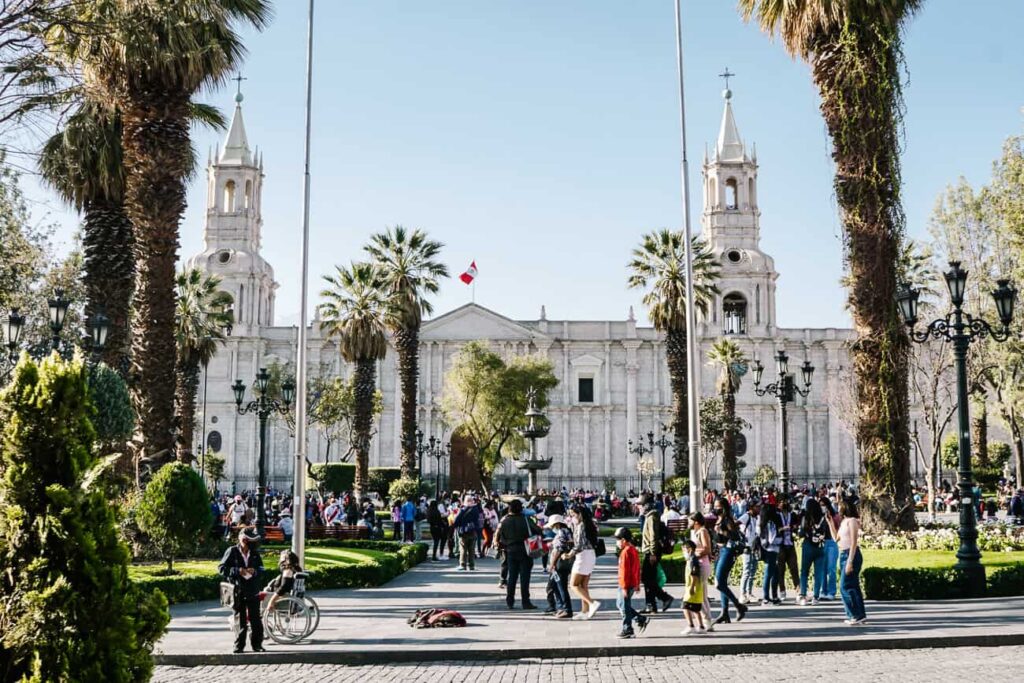
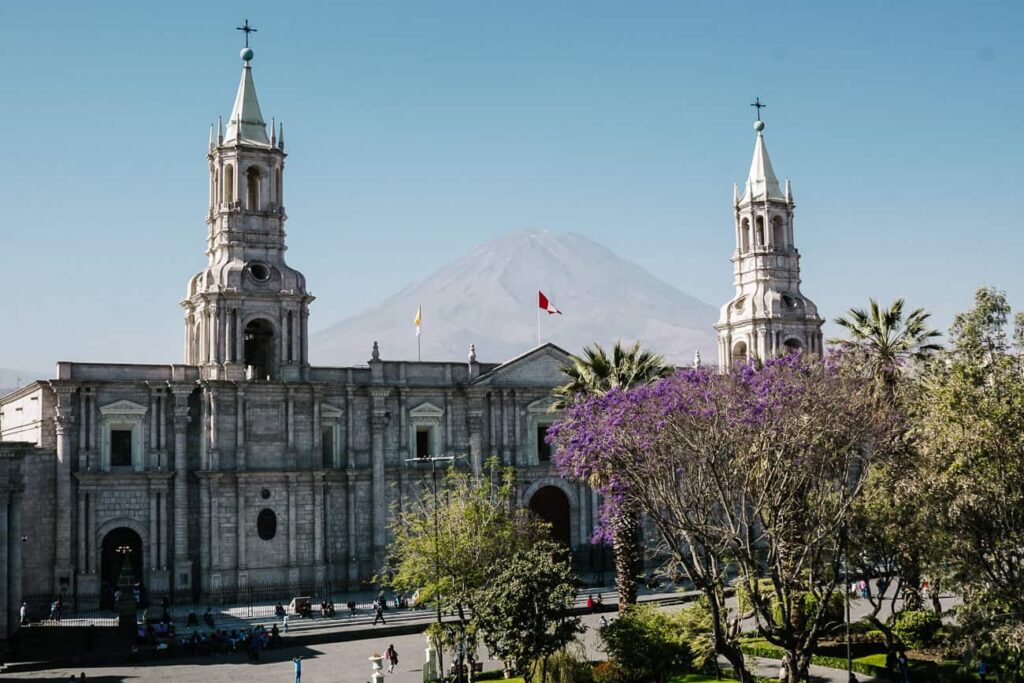
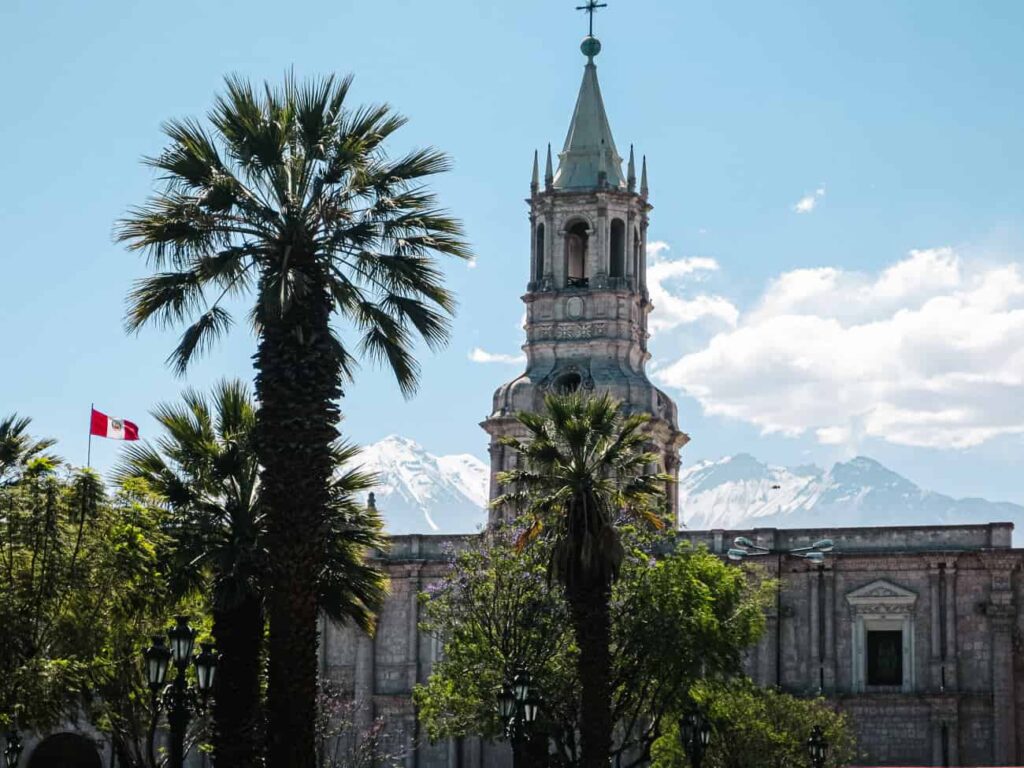
The Plaza de Armas is the central point and one of the main attractions and things to do in Arequipa Peru, because of its imposing cathedral with the snow-capped peaks in the background. You’ll certainly want to stop by this square in Arequipa to take beautiful photos and observe daily local life. It’s the place where many Arequipeños gather at the end of the day for a chat, a bite to eat, or a drink.
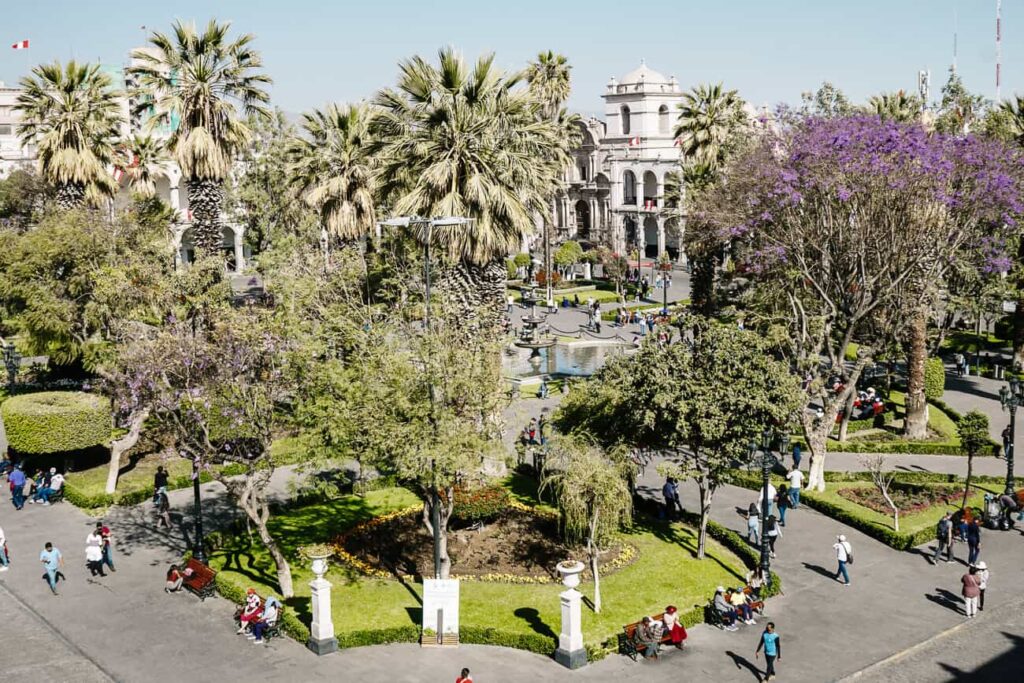
Looking for a great viewpoint over the Plaza de Armas in Arequipa? Then you won’t want to miss the Waya lookout point. It’s a small café with its own rooftop terrace located right on the plaza. From the café, you can walk straight onto the rooftop for fantastic views over the Plaza de Armas and the surrounding area. There are several cafés around the square with rooftop bars, so you have plenty of options.
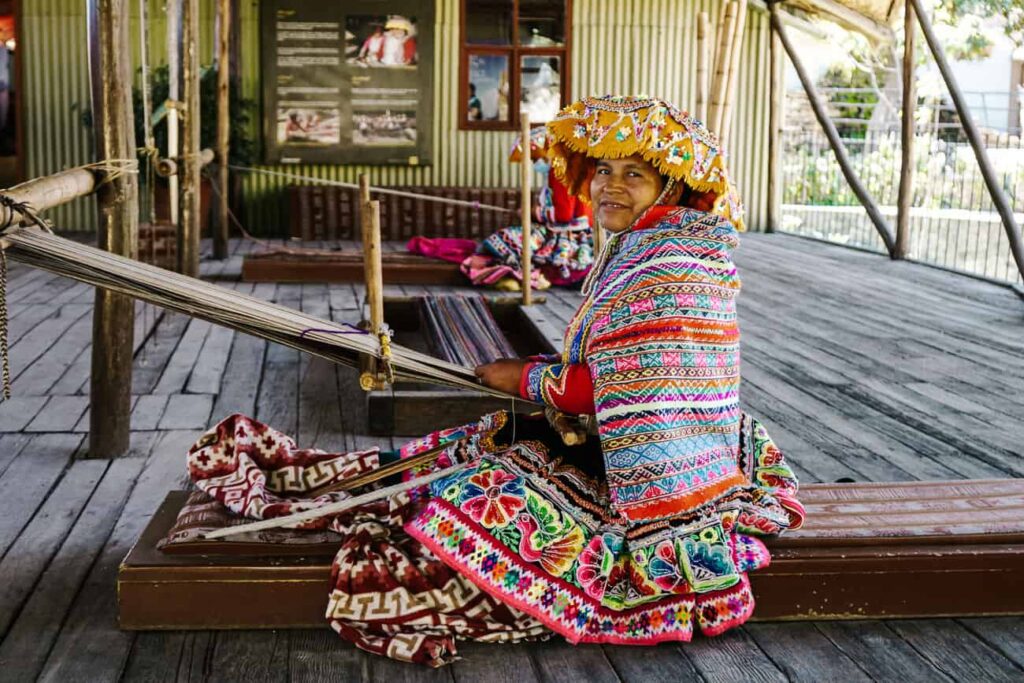
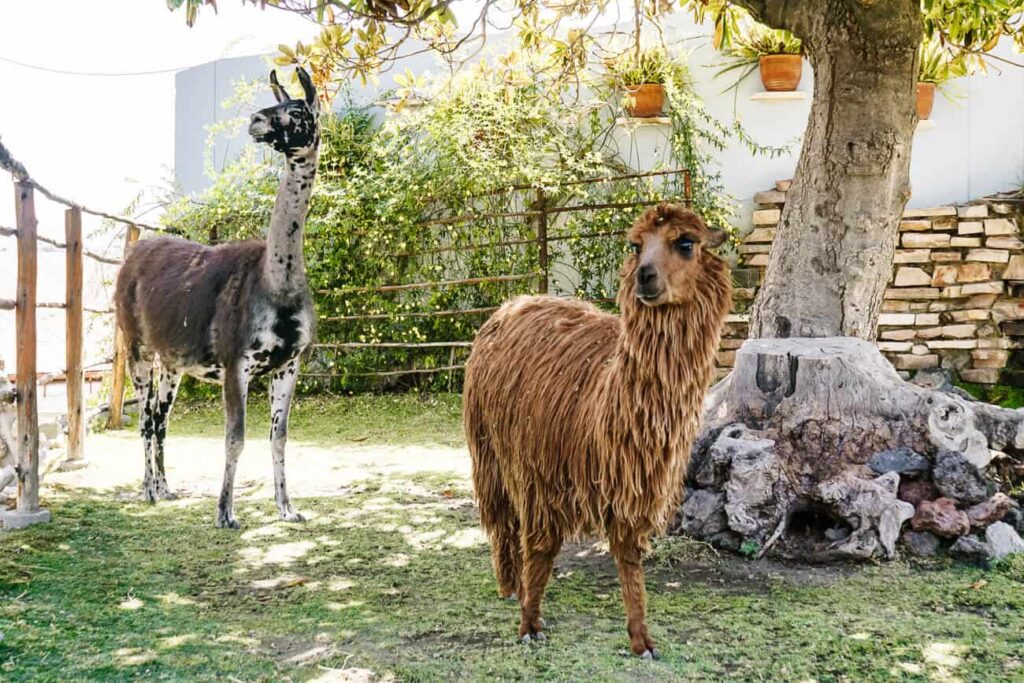
A nice concept created by the store chain Sol Alpaca, known for its high-quality alpaca wool clothing, is Mundo Alpaca. This museum, located in a beautiful villa with a garden on the edge of the colonial center, teaches you everything about alpacas and their wool. You’ll find informative signs and demonstrations where beautifully dressed women showcase their weaving skills. Extra fun: alpacas roam freely in the garden at the back. Of course, you can also purchase beautiful products made from alpaca wool here.
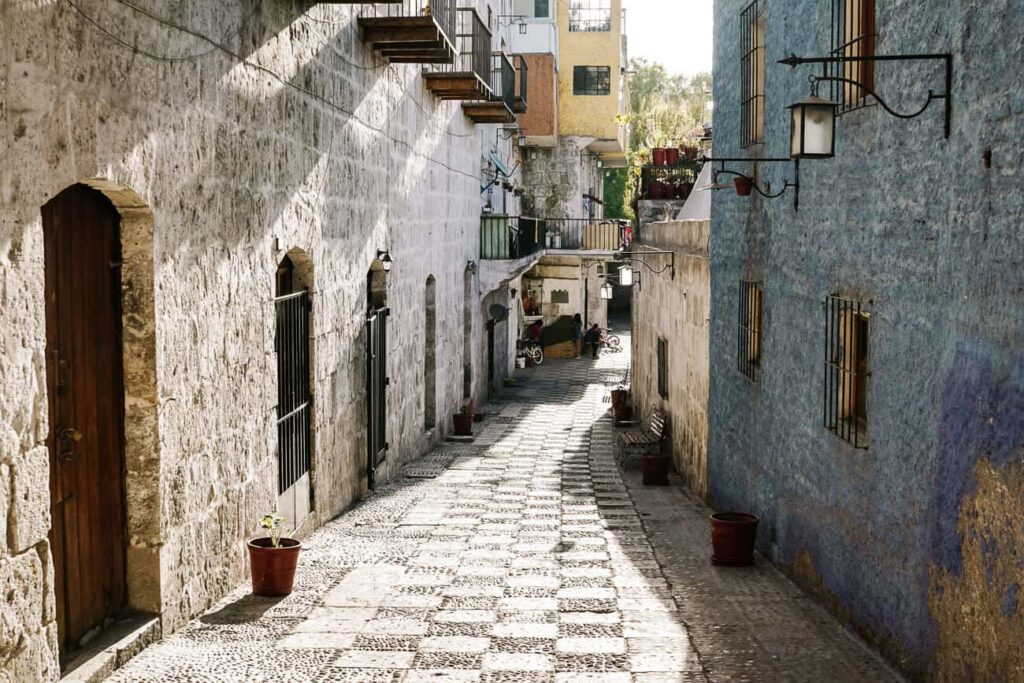
One of the attractions and things to do in Arequipa Peru, that you shouldn’t miss if you love photography is Callejón de Solar. This is a charming little neighborhood full of narrow alleys, picturesque houses, flowers, plants, and benches where locals relax and enjoy daily life. It’s an ideal photo spot.
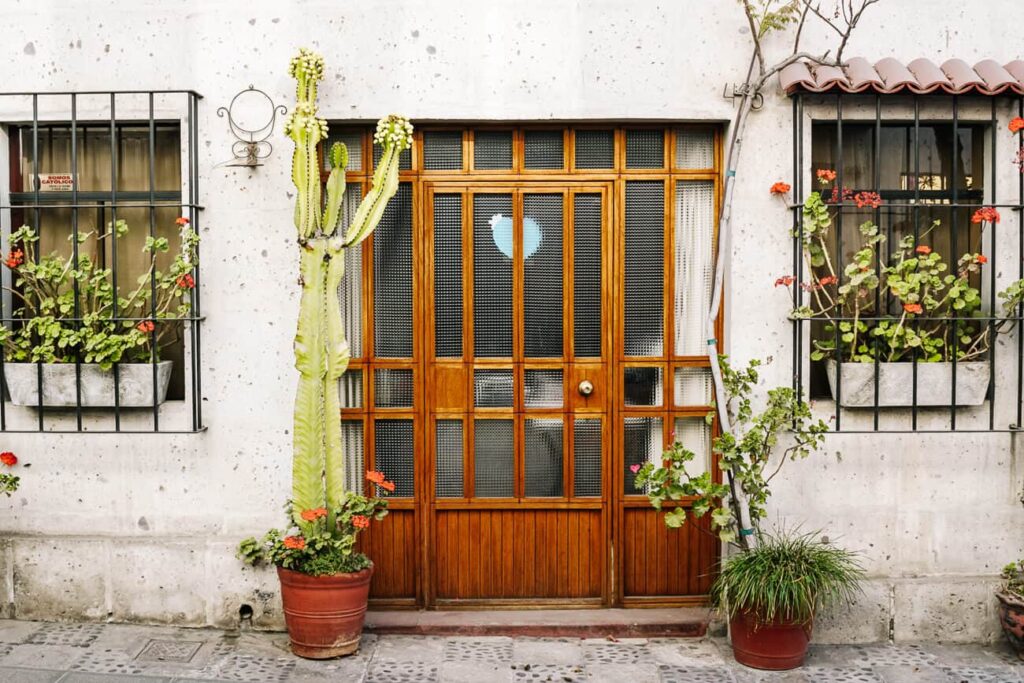
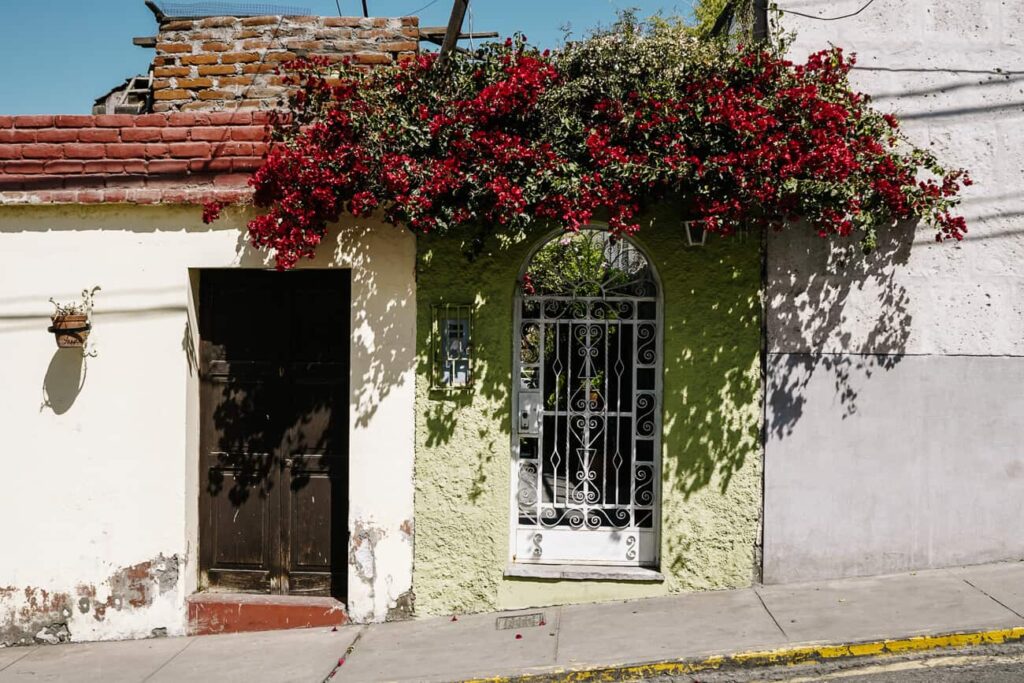
A pleasant walk leads from the Plaza de Armas via Santa Catalina Street and the Grau Bridge to Yanahuara. This district features a small park by the river, narrow streets lined with houses decorated with flowers, and a beautiful viewpoint located at Plaza Yanahuara. From here, you have sweeping views over Arequipa and the Misti volcano in Peru.
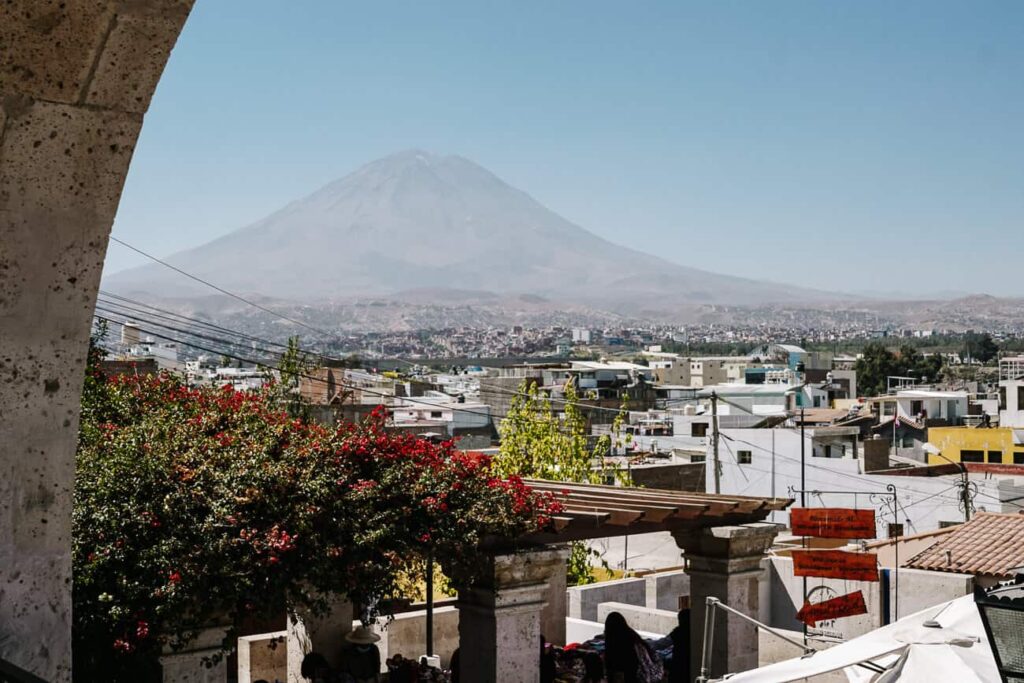
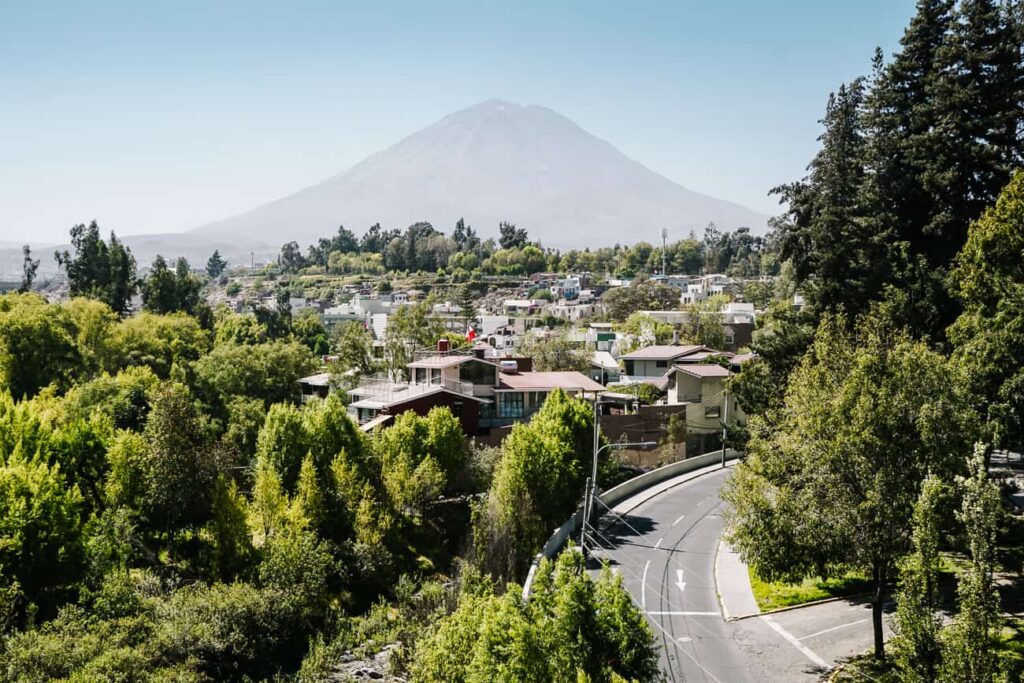
Tip: No time for a full walk to Yanahuara? Make sure to stop at the Grau Bridge, offering beautiful views of the Misti volcano.
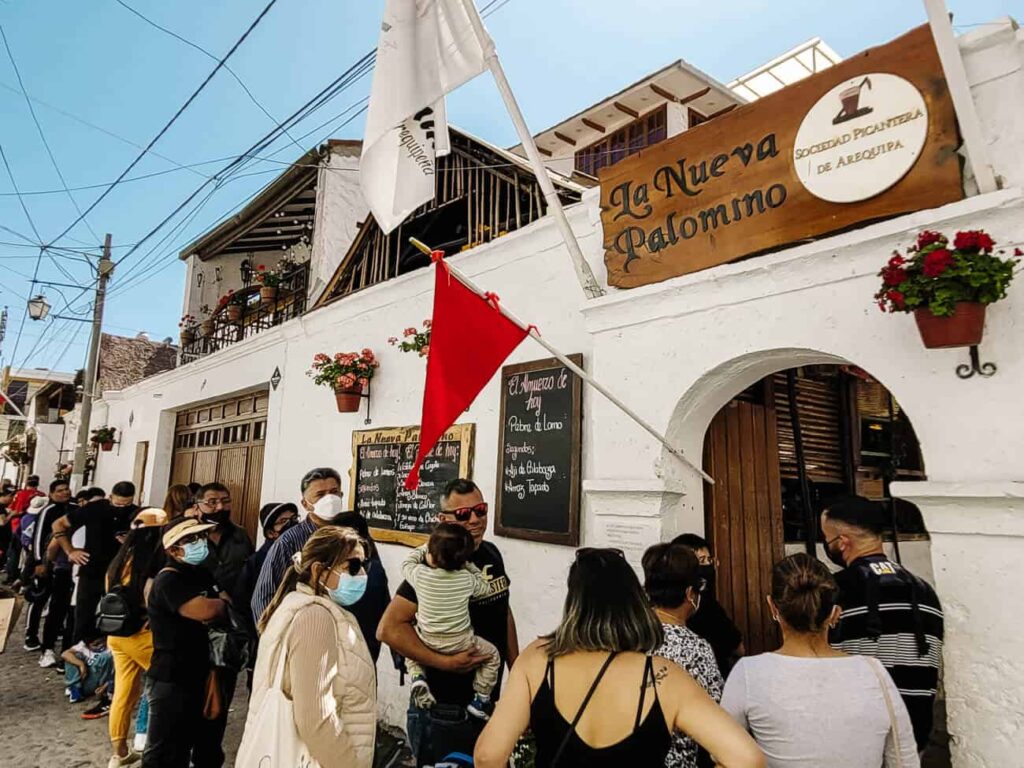
In the Yanahuara district, you’ll find countless picanterías. These are traditional local eateries in Arequipa Peru, where you can enjoy fresh, hearty food. You’ll find typical Peruvian dishes such as rocoto relleno, trout, shrimp, soups, guinea pig, and lots of meat. Picanterías are extremely popular with affluent Peruvian families, so waiting in line is not unusual. Especially on weekends, it’s wise to reserve your spot in advance.
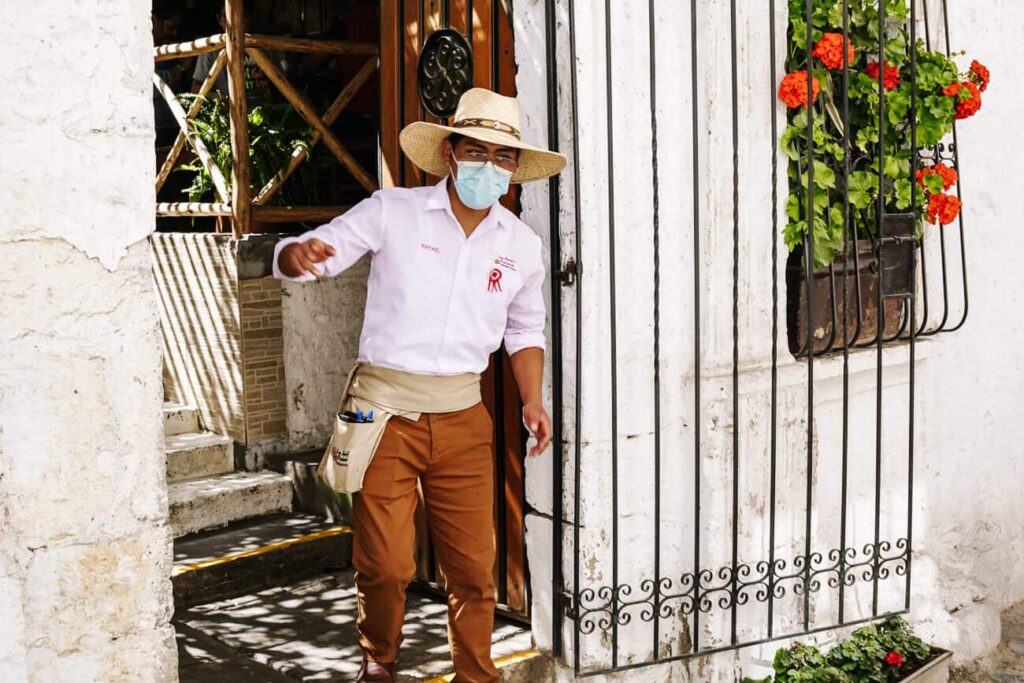
If you read about Arequipa Peru, you’ll quickly learn about the mummy Juanita, a girl around 14 years old who was found on Mount Ampato. During Inca times, children in the region were regularly sacrificed to appease Mother Earth. In 1995, Juanita was discovered by mountaineers. Due to the harsh conditions on the volcano’s summit, her body remained remarkably well-preserved. Today, you can view Juanita at the Museo Santuarios Andinos and learn more, with a guide, about the sacrificial rituals practiced by pre-Columbian cultures.
Note: Because research on Juanita is ongoing, she is not always on display. Sometimes you will see another mummy discovered on a nearby mountain. Nevertheless, this museum is one of the most interesting things to do, you shouldn’t miss during your stay in Arequipa Peru.
The Santa Catalina Monastery is a city in itself and one of the most famous attractions in Arequipa Peru. This former convent covers an incredible 20,000 m², and each part of the complex has its own color scheme. The blue Andean sky combined with the vividly painted walls creates fantastic photo opportunities.
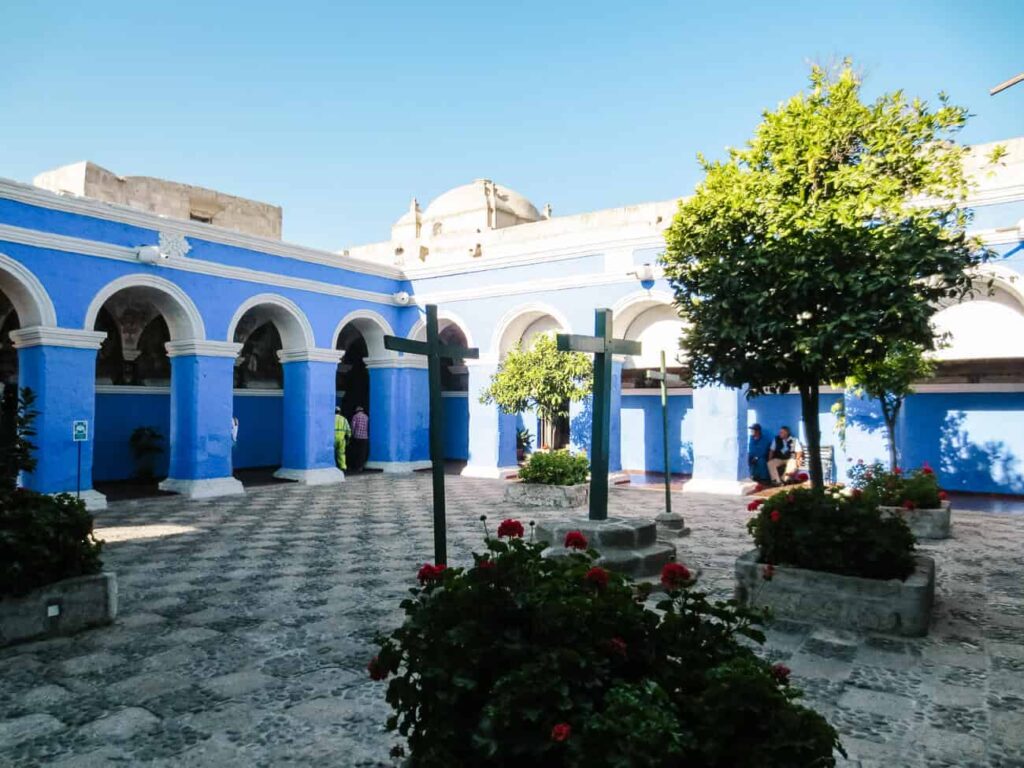
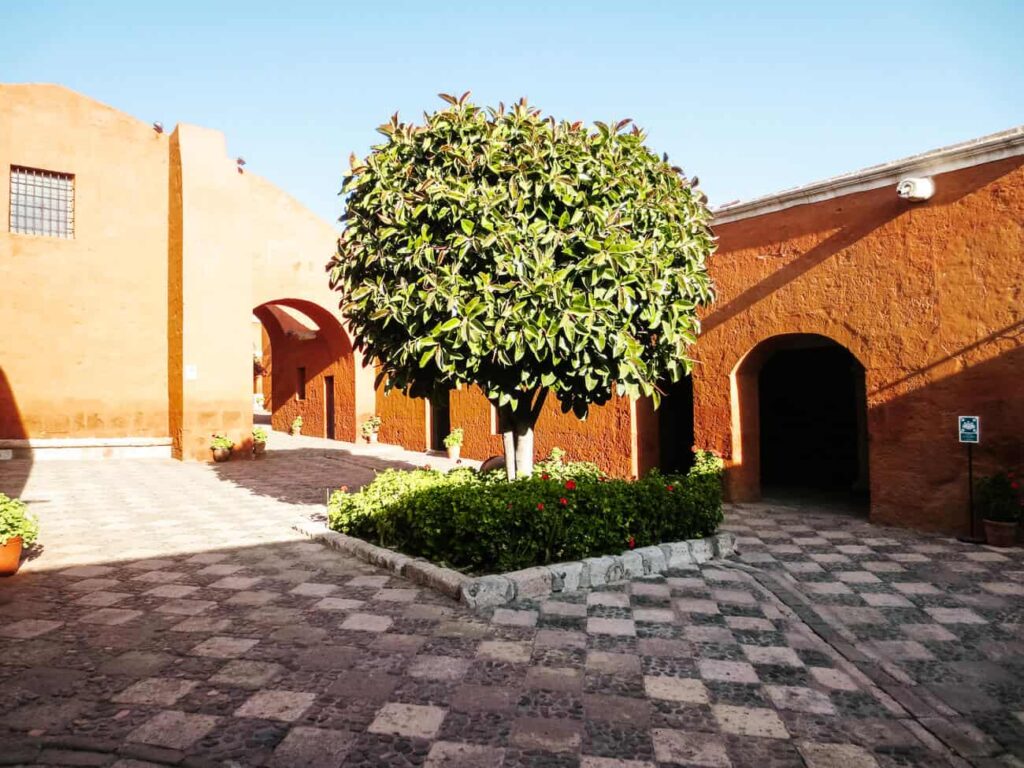
The Santa Catalina Monastery was first used in the 16th century. Initially, it catered to the daughters of wealthy families, who had to pay a large dowry to enter. The nuns lived in luxury with their own staff and enslaved servants. When the Vatican discovered this, everything changed drastically: the wealthy nuns were dismissed, and the monastery returned to a sober lifestyle. Today, several nuns still live in the complex, but since 1970 it has been open to the public and remains one of the top sights in Arequipa Peru.
Tip: Bring something warm. There is a lot of shade in the monastery, and it can get quite chilly.
Are you, like me, interested in modern art? The MAC museum in Lima has a sister museum in Arequipa: MACA. It features rotating exhibitions and is one of the things to do in Arequipa Peru if you enjoy art. Check their website in advance for current exhibitions and opening hours.
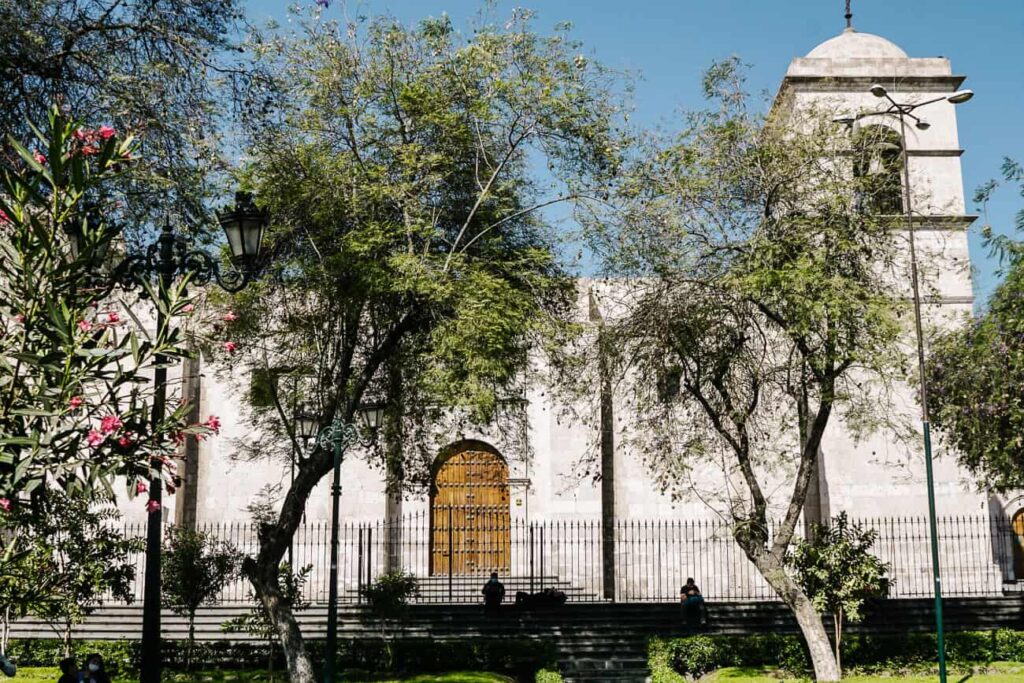
Arequipa Peru has numerous churches and monasteries. While you likely won’t have time to visit them all, a few are worth photographing or exploring inside, such as Iglesia de la Compañía and Iglesia de San Francisco.
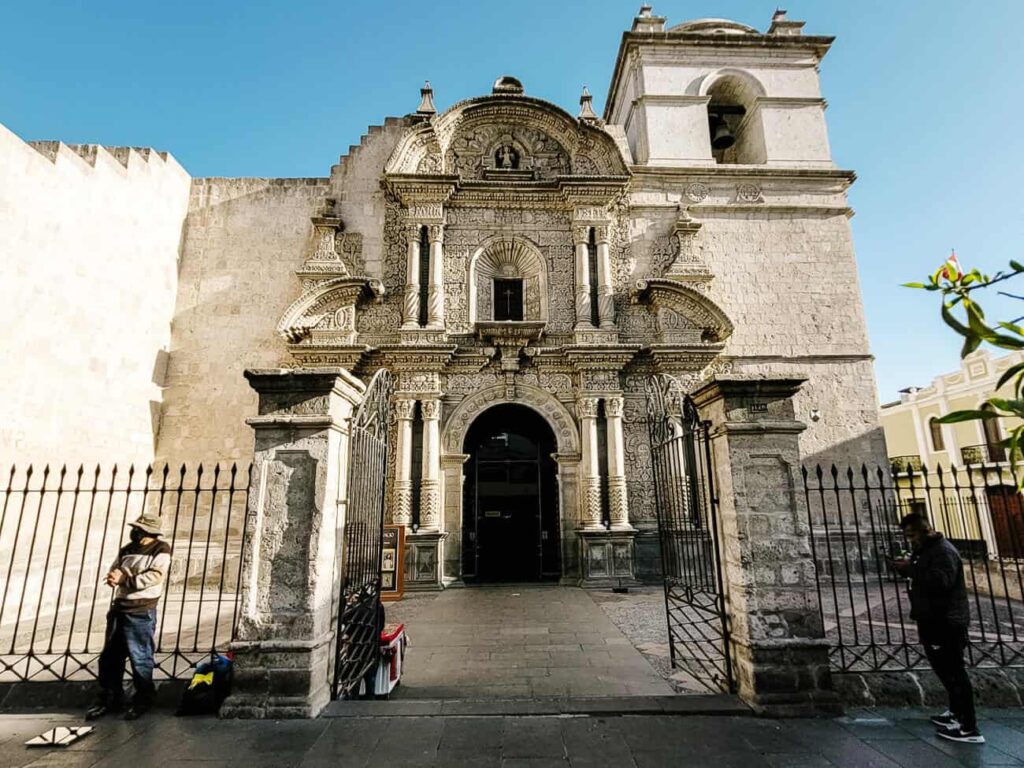
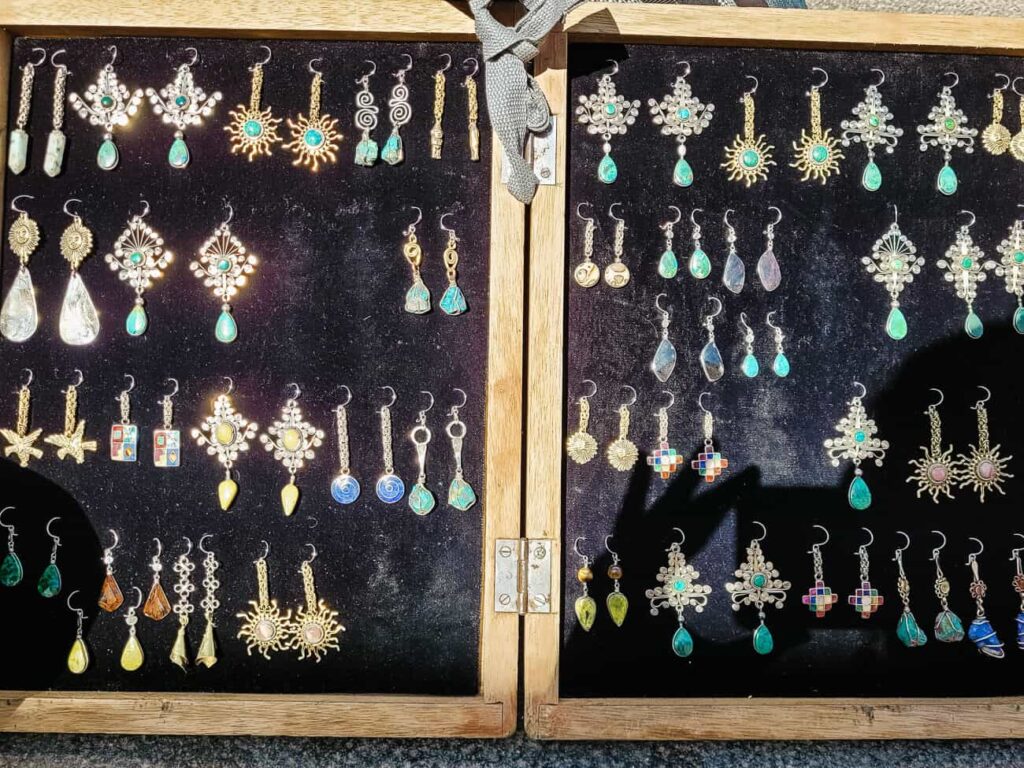
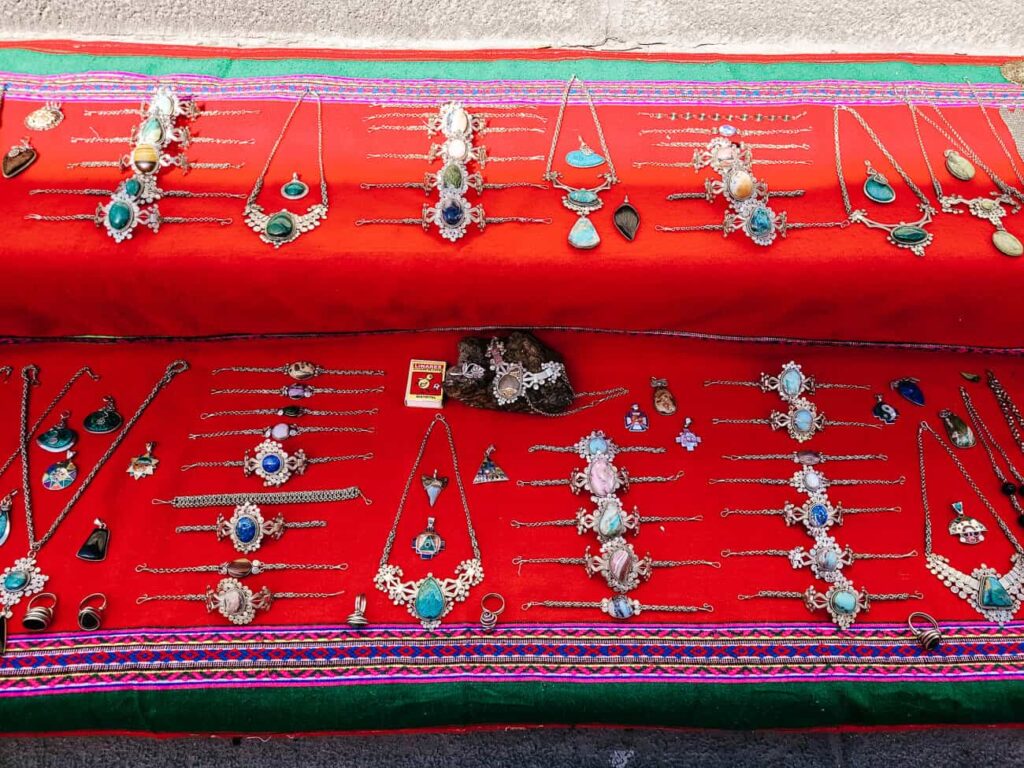
Tip: Behind the alley of Plaza San Francisco in Arequipa, you can often find local artisans selling handmade jewelry, including earrings and necklaces with stones.
Do you know the works of writer Mario Vargas Llosa? If so, you might want to visit his former home, which is now a museum. The Nobel Prize-winning author was born in Arequipa, Peru, and spent a large part of his life there. He still returns every year to celebrate his birthday in the city. Some of his well-known books include The Green House, The Dream of the Celt, The Feast of the Goat, and The Time of the Hero.
Curious about other writers from Central and South America? Here you can find an overview with tips and recommendations for notable books and authors from Latin America.
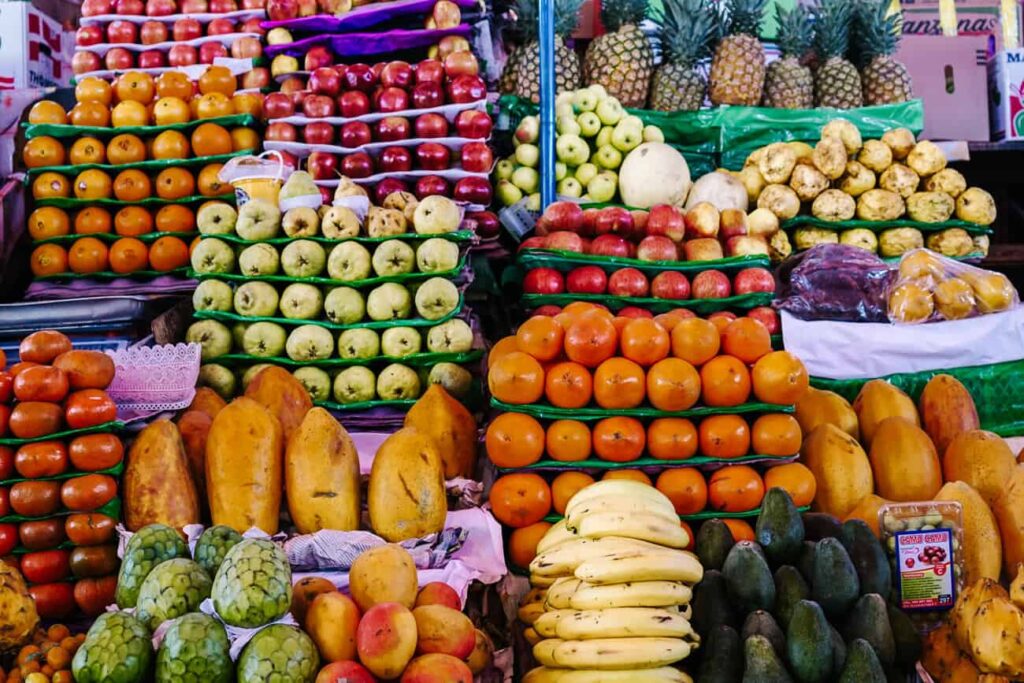
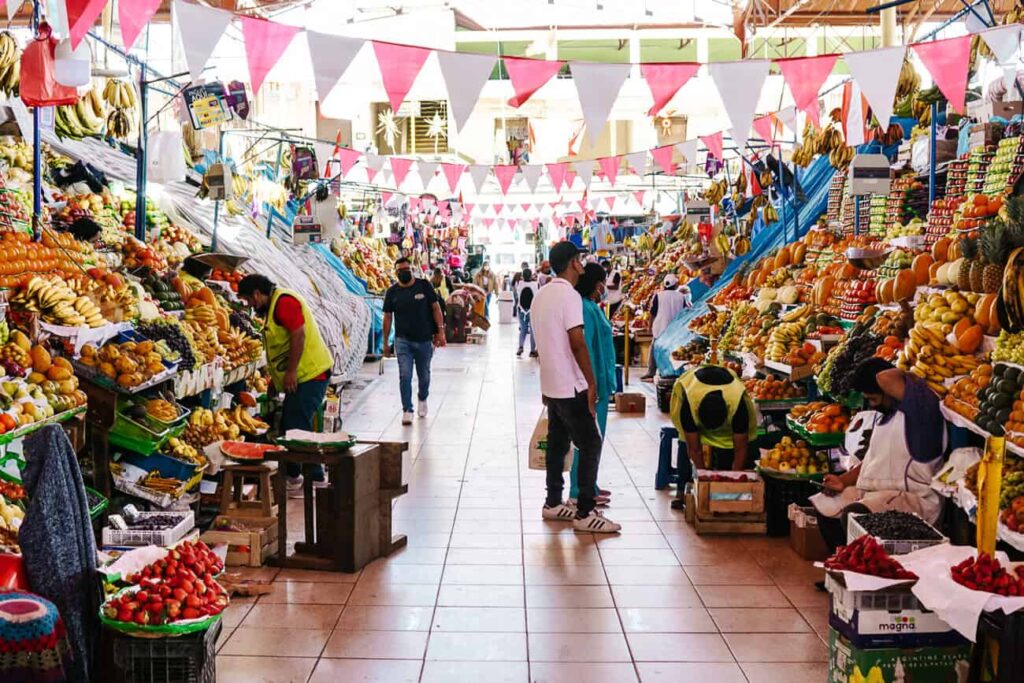
Arequipa’s wealth of fruits and vegetables is on full display at the local market. Mercado San Camilo is a feast for the eyes and one of the things to do when you are in Arequipa, Peru. You can admire tropical fruits, potatoes, and a wide variety of herbs like coca leaves and muña. Plus, there’s hardly anything better than observing local life at the market.
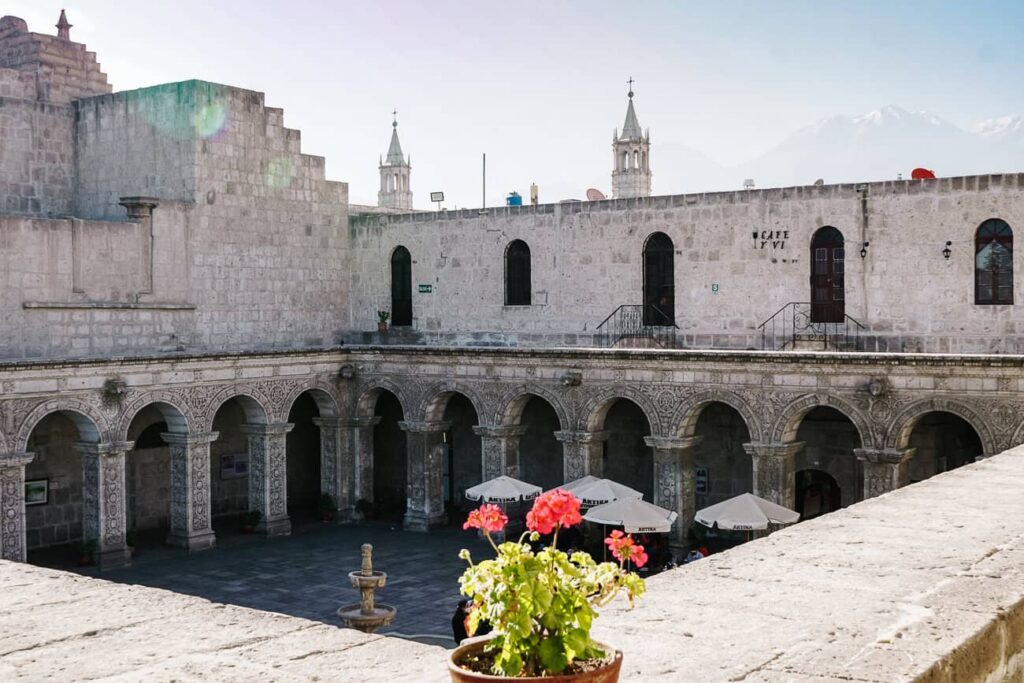
This former monastery has been transformed into a small shopping center. The architecture is stunning, featuring an inner courtyard surrounded by arches, shops, and cafés. From Café Maska on the second floor, enjoy an incredible view of the Misti volcano.
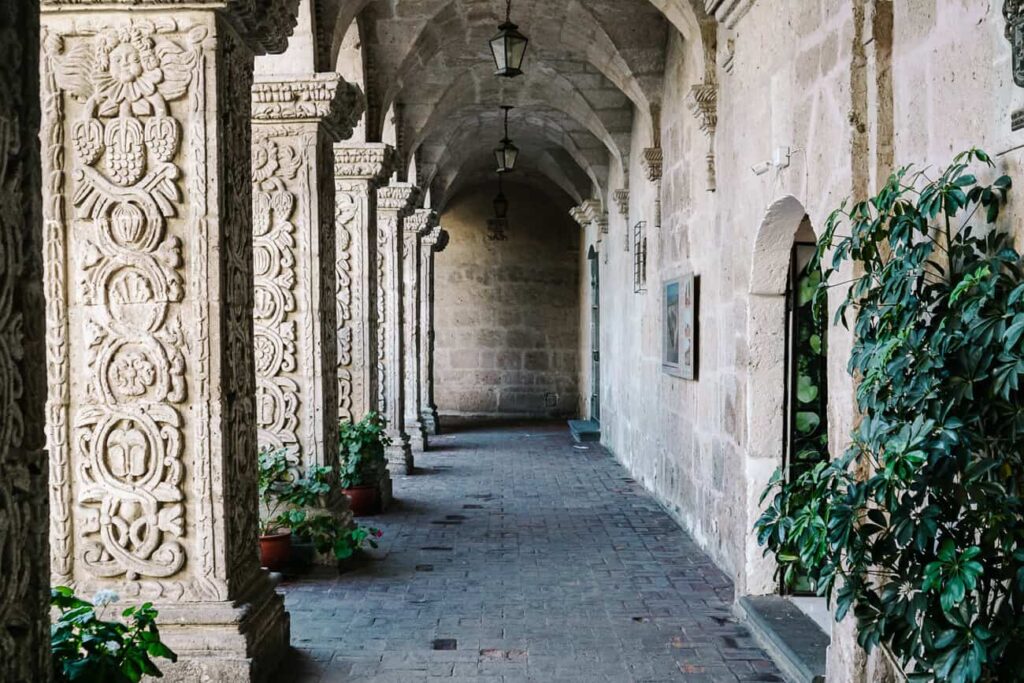
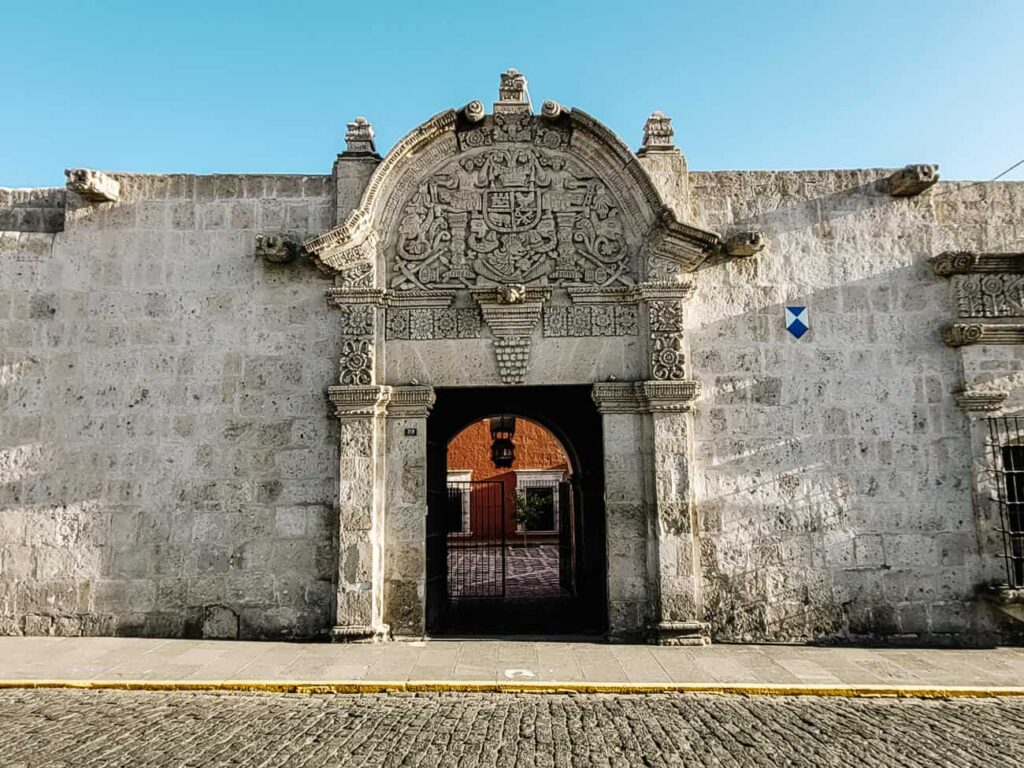
One of the most enjoyable things to do in Arequipa, Peru, is to walk through the city center and explore its beautiful architecture and sights. You’ll come across remarkable facades, and both Casa del Moral and Casa Goyeneche are worth visiting. Casa del Moral is one of the oldest Baroque buildings in the city.
One of the most spectacular things to do around Arequipa in Peru, is to take a trip to the Colca Canyon. With a depth of 4,000 meters, it is one of the deepest canyons in the world. Early in the morning at Cruz del Condor, you can see dozens of condors soaring above the cliffs. The views are breathtaking. The best months to see the condors are June and July. Make sure to arrive early in the morning, between 7 and 10 a.m., when these impressive birds are most active.
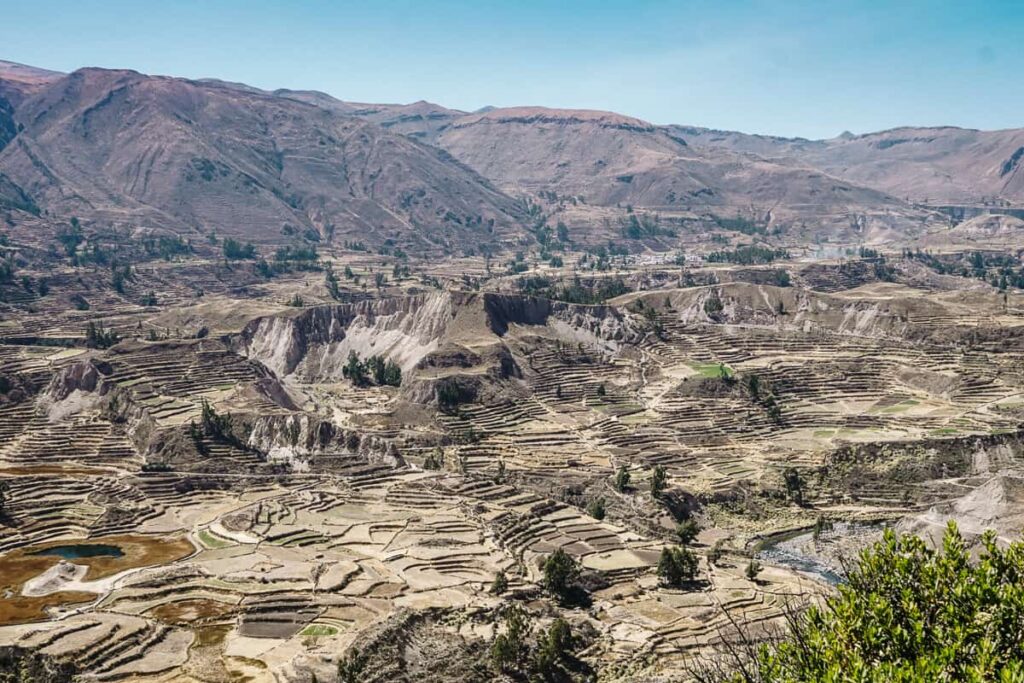
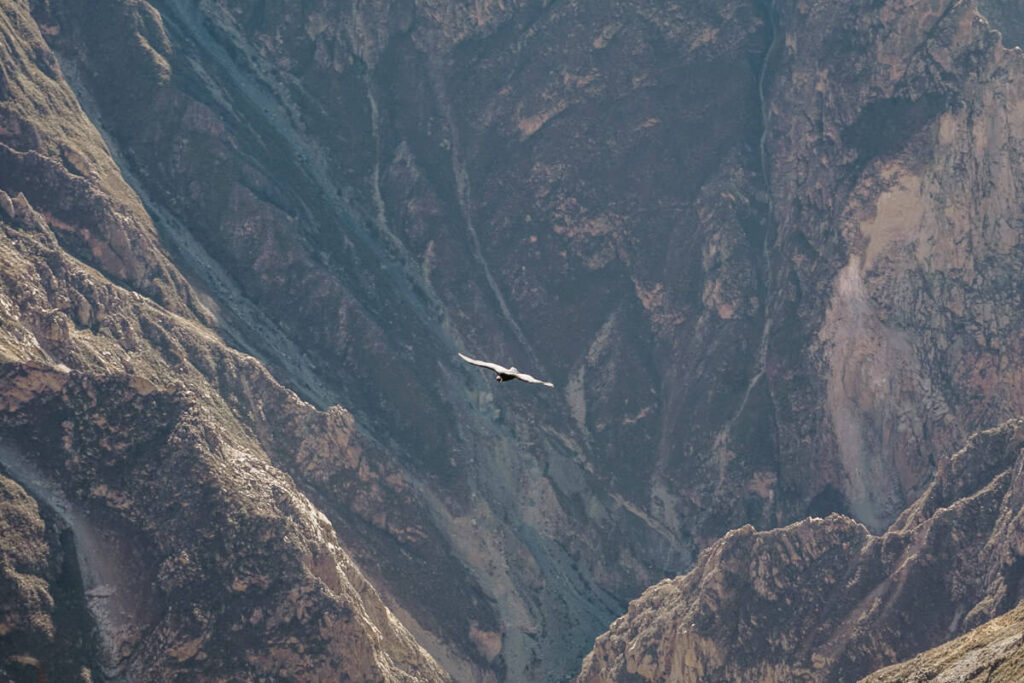
There are several ways to reach the canyon. You can take a day tour from Arequipa, but note that it requires a very early start around 3 a.m. and you won’t return until late in the evening, as it is a six-hour one-way trip. Alternatively, you can choose to stay overnight in Chivay or nearby accommodations such as Las Casitas, A Belmond Hotel, Colca Canyon , which makes the experience more relaxed and enjoyable.
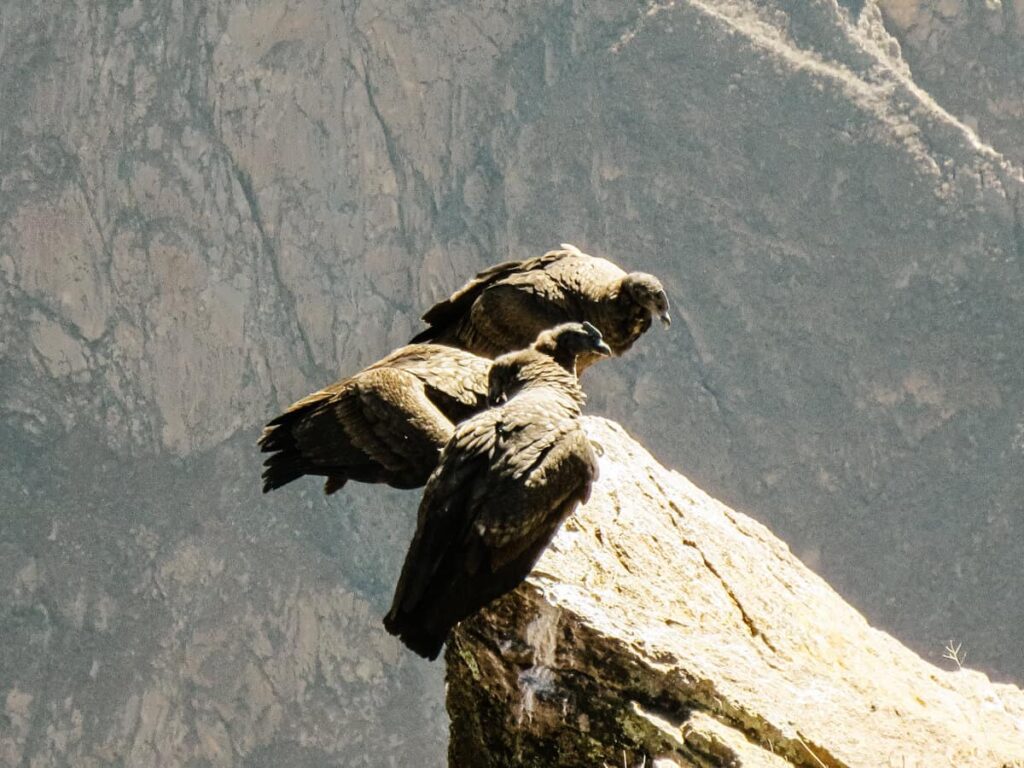
Are you adventurous and love hiking? Then take a multi-day hike through the Colca Canyon, staying overnight in one of the villages such as Llahuar, Sangalle, or San Juan de Chuccho. You can choose a 2- or 3-day trek, walking a few hours each day through stunning natural landscapes. Your hike starts near the village of Cabanaconde, the gateway to the Colca Canyon. Keep in mind that these hikes are challenging due to altitudes around 3,300 meters, especially the climb back up. Make sure to take your time and spend a few days acclimatizing during your stay in Arequipa, Peru, before going on this trip.
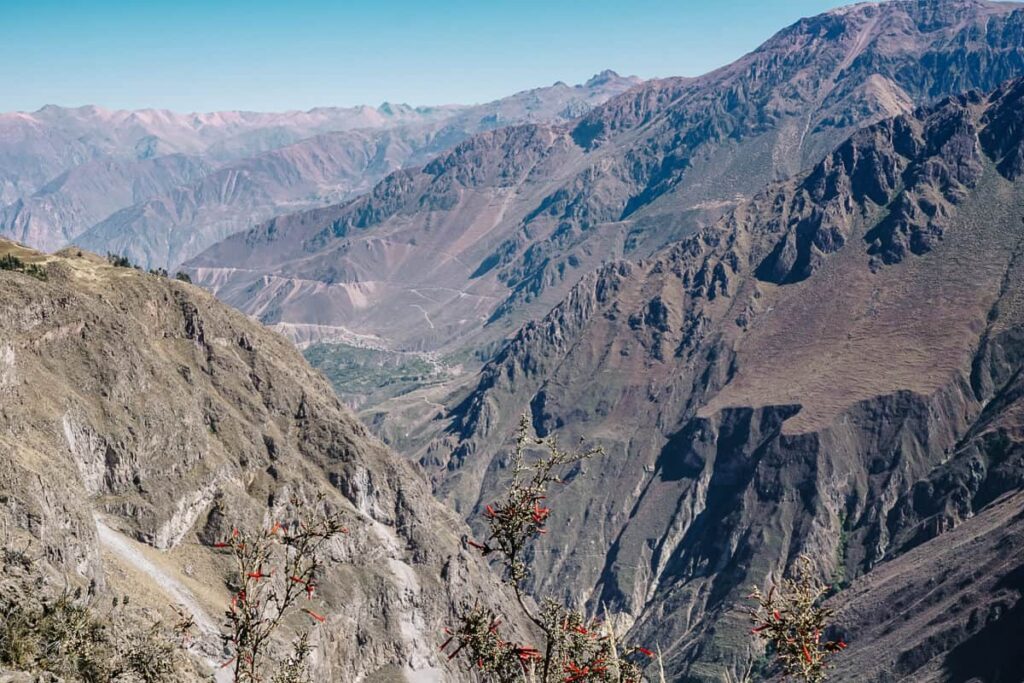
Tours, including guides, transportation, and accommodations, can be booked in advance here. If you prefer to hike independently, first book a stay in Cabanaconde and start your trek from there. You can find an overview of hotels in Cabanaconde here.
Chances are high that you’ll visit the village of Chivay on a tour to the Colca Canyon. Even better is to spend a night here and explore the canyon from this base. Chivay is a small village with a central plaza, a local market, a few restaurants, and natural hot springs. Many locals still wear traditional clothing, including wide skirts with embroidered vests and hats adorned with flowers and other intricate patterns.
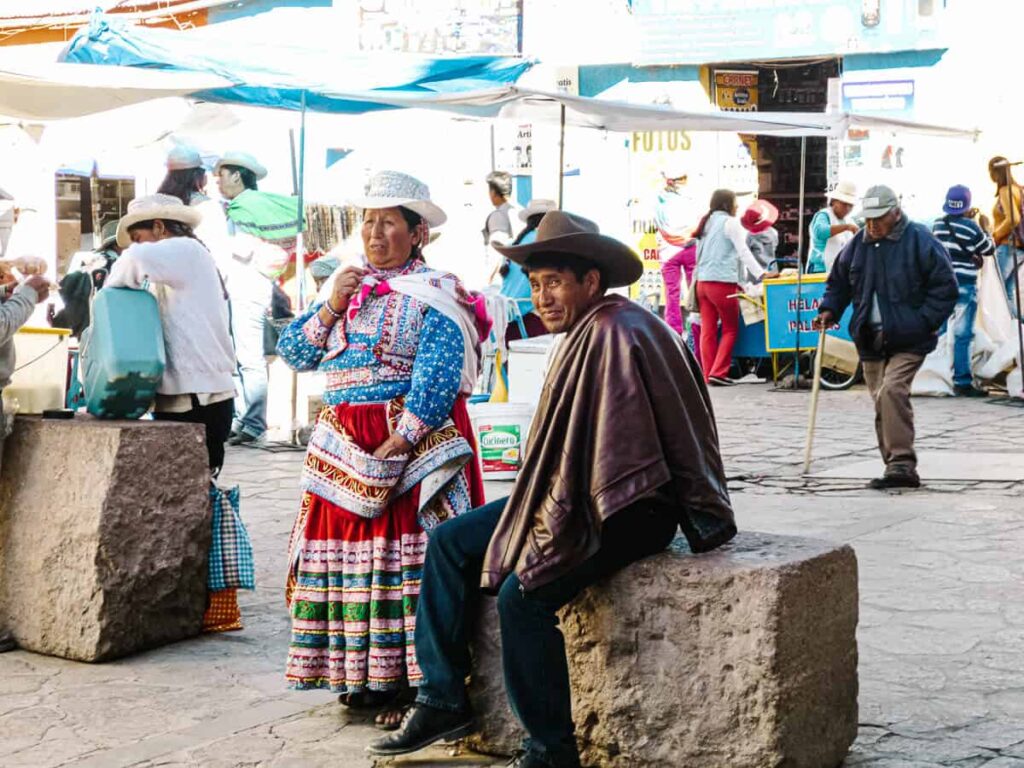
Looking for hotels in Chivay? One of the best options near the Colca Canyon in Peru is Las Casitas, A Belmond Hotel, Colca Canyon.
From Arequipa, Peru, you can embark on several volcano climbs. Chachani, at 6,075 meters, is considered the easiest to summit, taking around 6 hours to reach the top. The Misti Volcano, at 5,822 meters, can be reached in 1 or 2 days, including an overnight stay along the way. The 6,288-meter Ampato is also climbable, though much more challenging. These treks require endurance, preparation, and determination, but the experience is unforgettable.
I want to check each of these volcanoes off my list one by one and hopefully I will be able to report soon. Naturally, for all these treks, it’s essential to be well-acclimatized and to have some previous hiking experience in Peru
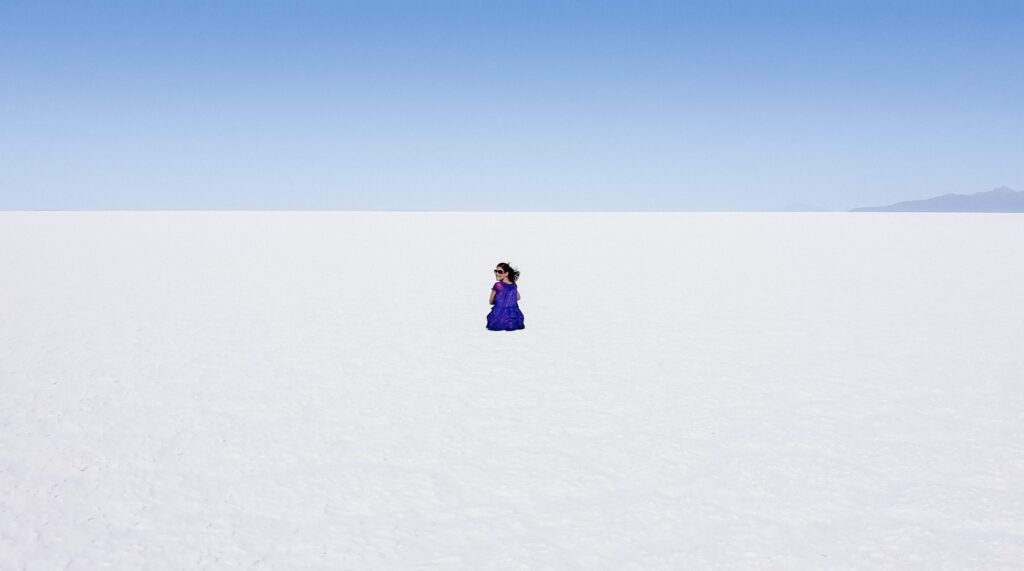
Did you know that Peru also has a salt flat? It’s not comparable to Bolivia’s Salar de Uyuni, but it is still incredibly beautiful, and one of the things to do, if you want to take a day tour from Arequipa. Salinas y Aguada Blanca is about a 3-hour drive from Arequipa, Peru. Here you can see flamingos, vizcachas (Andean rodents), and many vicuñas. The best way to visit the salt flats is through a guided tour, such as this one.
Sillar is the volcanic stone used in many buildings throughout Arequipa, Peru. On the Sillar Route around Arequipa, Peru, you can visit attractions and quarries featuring buildings and sculptures carved from sillar stone. You can book an interesting Sillar Route tour here.
Curious about more things to do, tours, and sights in Arequipa? Here’s an overview.
Some of my favorite places to stay in Arequipa include:
Looking for more hotel tips in Arequipa, Peru? Here’s an overview
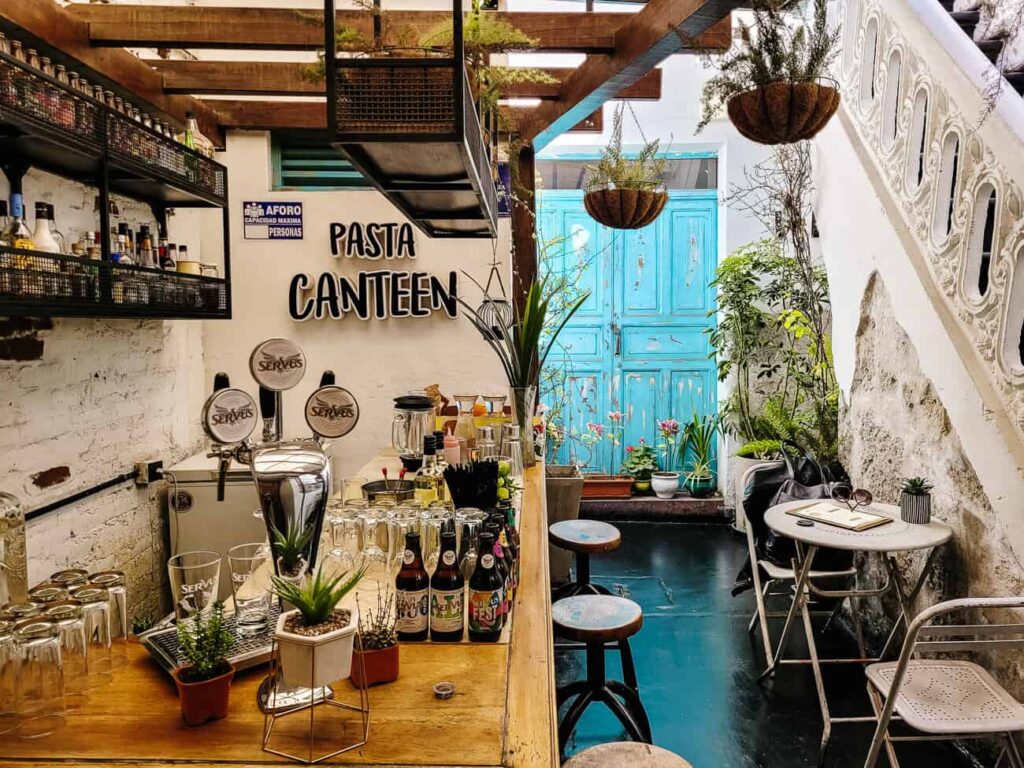
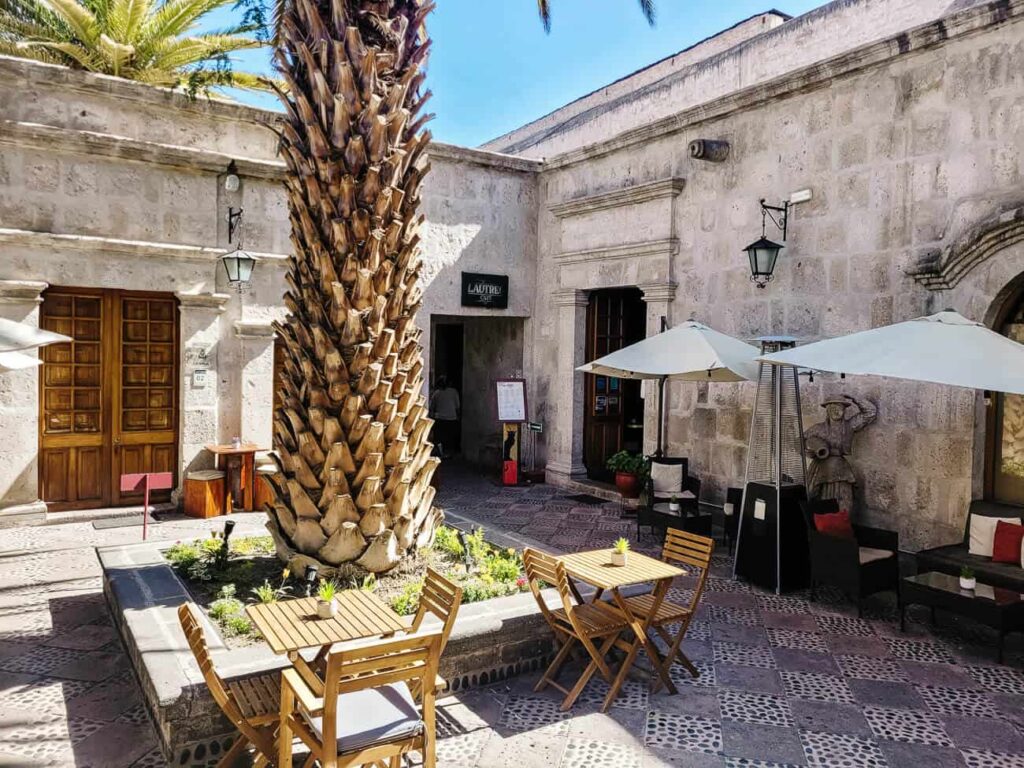
In Arequipa, Peru, you can enjoy delicious food and drinks and there is nothing better than settling into a nice restaurant after a day exploring the sights. The city offers countless trendy restaurants, bars, and cafés, and every day you discover something new. Here are some tips for restaurants in Arequipa, Peru.
Since Arequipa sits at an altitude of 2,335 meters (7,661 feet), you can experience a wide range of temperatures in one day. The dry season runs from April to October. During the day, the sun is high in the sky with a clear blue sky, but after sunset and in shaded areas, it can get quite chilly. It’s recommended to prepare for this if you go out in the morning or afternoon. Wear layers so you can easily adjust your clothing throughout the day.
Arequipa is located at 2,335 meters (7,661 feet) above sea level. You probably won’t experience severe altitude sickness here, but you will notice the thinner air, which reduces the oxygen you take in. Climbing stairs or walking uphill takes more effort than usual. This is normal, let your body adjust by taking it easy, drinking plenty of water, and perhaps drinking a cup of coca tea like the locals. If you feel unwell, it’s important to consult a doctor.
Arequipa is a great place to spend a few days acclimatizing while exploring the many attractions, before continuing you itinerary into the Andes toward Chivay, Cusco, or Puno in Peru.
There are good connections via public transport and shuttle services, which you can easily search and book through Bookaway. These buses depart daily from Nazca, but you can also travel from the Huacachina desert to Arequipa, by taking this bus from Ica. The overland route from Nazca to beautiful Arequipa is long, so I would recommend to take a sleeping bus, bringing you in a approximately 11 hours from Nazca to Arequipa or 13 hours from Ica to Arequipa. There are different types of comfortable buses: sleeper, semi-sleeper, and standard.
By plane, you can reach Arequipa from Lima in just 1.5 hours. The easiest way to book cheap flights is through Scyscanner. From Arequipa, Peru, you can easily continue your journey to the Colca Canyon and Puno.
Planning a trip to Peru or just starting your research? In the next travel guide, you’ll find everything you need to know about traveling to Peru, including practical tips, essential travel info, and inspiration for where to go and what to see. Hopefully, my articles will help you get the most out of your trip, or convince you to add Peru to your travel bucket list.
Did you enjoy reading this article with tips and things to do in Arequipa Peru? Let me take you on a further journey along the most beautiful destinations and attractions in Peru in the next articles.
This article may contain affiliate links. If you purchase something using one of our links, we may receive a commission at no extra cost to you, which helps us keep this blog alive. Thank you for your support! Please see our disclosures for more information.
Are you interested in the world? Do you want to learn more about a country and its culture? Let me take you on a journey with Passport the World.
As a travel reporter, producer and tour guide, I have been traveling around the world for the last 20 years, looking for the most scenic places and stories that are worth sharing. In Passport the World, I am guiding you along scenic and cultural places, cities, art, viewpoints, hiking trails and unique experiences. To help you get the most out of your travels or to just get to know a country and culture better!


Are you interested in the world? Do you want to learn more about a country and its culture? Let me take you on a journey with Passport the World.
As a travel reporter, producer and tour guide, I have been traveling around the world for the last 20 years, looking for the most scenic places and stories that are worth sharing. In Passport the World, I am guiding you along scenic and cultural places, cities, art, viewpoints, hiking trails and unique experiences. To help you get the most out of your travels or to just get to know a country and culture better!