Ollantaytambo, often simply called Ollanta, is one of the most beautiful places in Peru’s Sacred Valley. And it’s much more than just the departure point for the train to Machu Picchu. This historic Inca town is filled with narrow streets, ancient stone walls, and water channels that still run through the village. High above Ollantaytambo, you’ll find impressive Inca ruins, while the surrounding area is home to remarkable archaeological sites and beautiful hiking trails. In this article, I share my tips for the best things to do and see in Ollantaytambo, including the most beautiful attractions, tours, hikes, hotels, and day trips in the surrounding area.
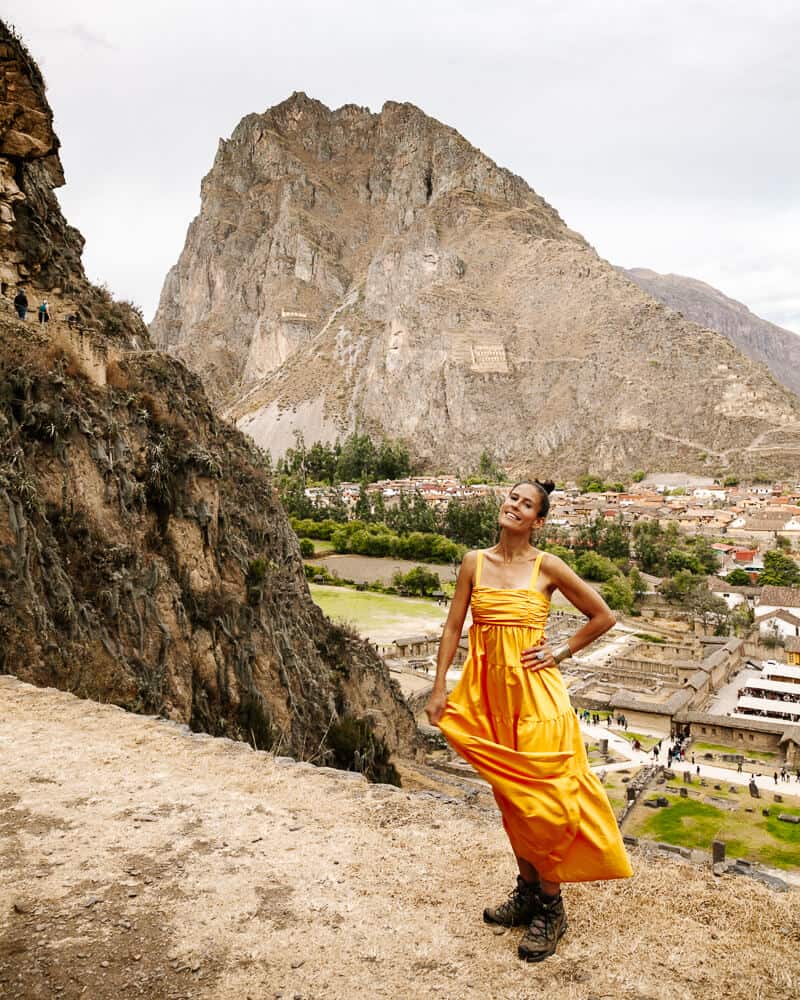
Ollantaytambo is located in the Sacred Valley, about 37 miles (60 kilometers) northwest of Cusco, at an altitude of approximately 9,383 feet (2,860 meters). The town lies along the Urubamba River, where the Patacancha River joins the valley. From Cusco, it takes about an hour and a half to two hours to get there.
Because of its location, Ollantaytambo is a logical stop on a trip through the Sacred Valley. It’s also where the train to Aguas Calientes departs. Aguas Calientes is the town at the foot of Machu Picchu. But the train connection means that many travelers see Ollantaytambo mainly as a departure point. That’s a shame, because there are many things to do and see in Ollantaytambo, making a longer stay absolutely worthwhile.
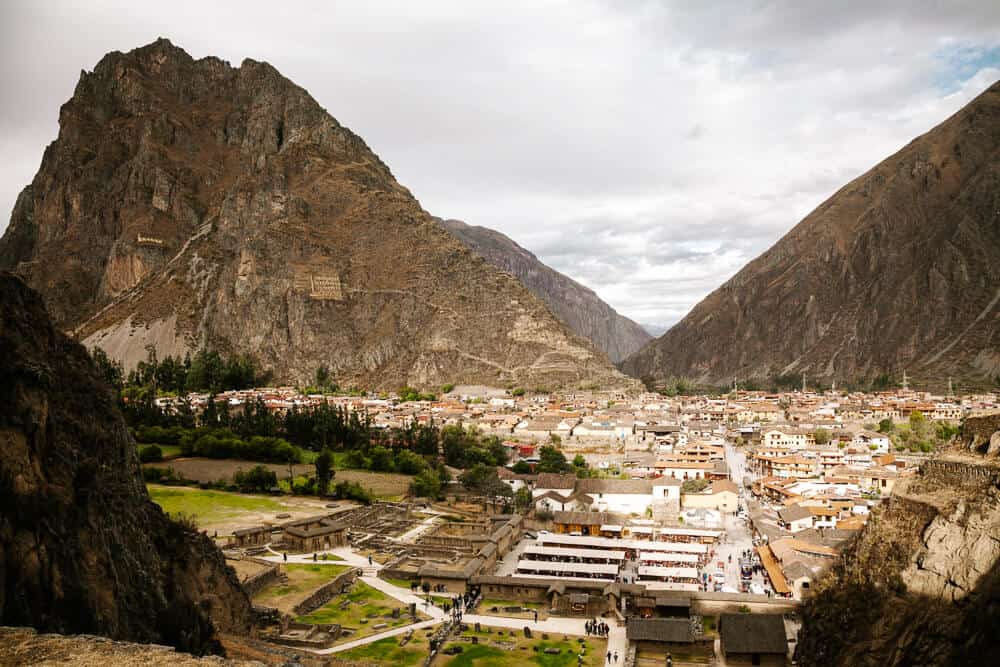
Ollantaytambo is one of the best-preserved examples of Inca urban planning in Peru. The original street layout is still clearly visible, and in the town center you’ll walk among tall Inca walls, narrow streets, and ancient water channels. What makes the place so special is that it isn’t an open-air archaeological museum: the houses and streets are still part of everyday life.
The famous Inca ruins tower above the town, but there’s much more to discover. From Ollantaytambo, you can set out on several hikes and visit archaeological sites that are far less well-known, where you may even find yourself as the only visitor. Think of Pumamarca, the Inca quarries of Cachicata, and Perolniyoc Waterfall.
Want to visit Ollantaytambo from Cusco? Here you’ll find an overview of interesting tours.
The archaeological site above the town is one of the most important attractions in Ollantaytambo. A long flight of steps takes you up past enormous agricultural terraces. At the top, you’ll find several temples, plazas, and other structures. The most impressive feature is the enormous stone blocks of the Temple of the Sun. These blocks were transported from the quarries of Cachicata to Ollantaytambo. It’s incredible to think that the Incas moved these gigantic stones across the mountains and through the valley.
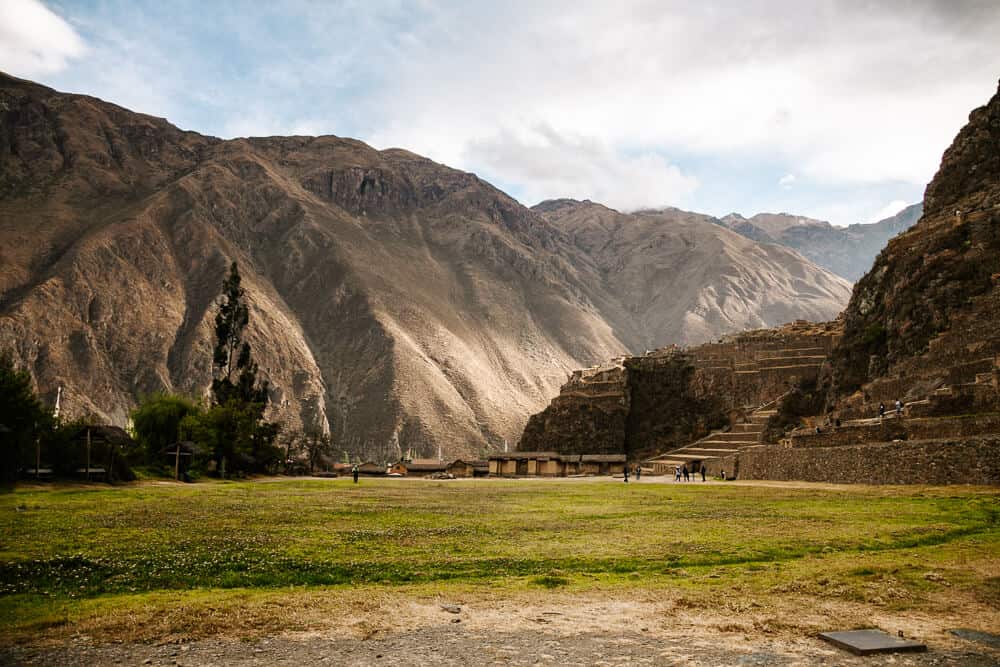
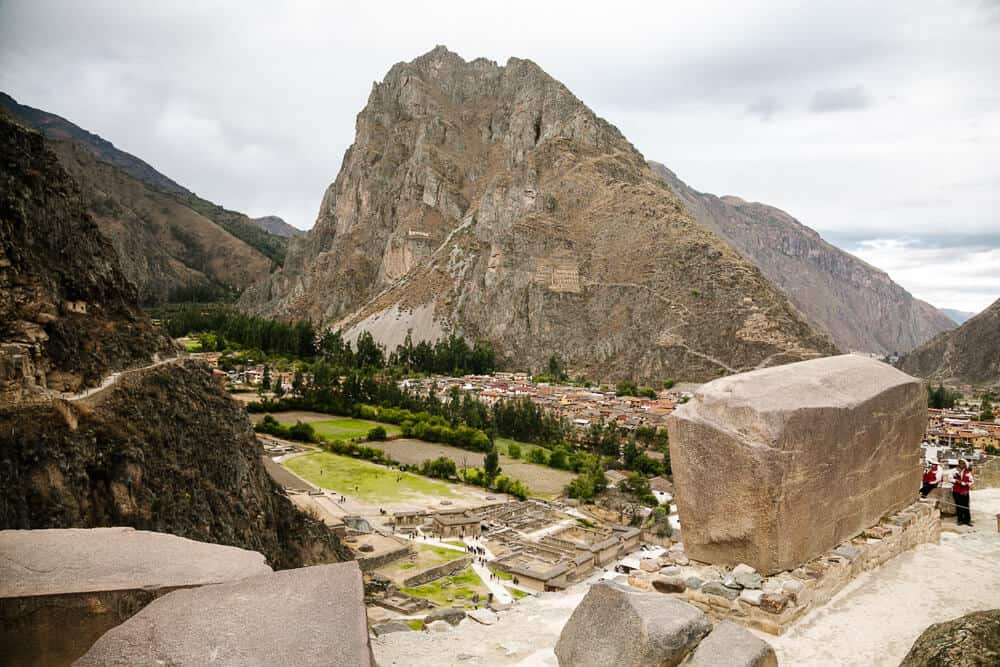
Once you reach the top, take some time to look down over the town. From the terraces, you can see Ollantaytambo’s ancient street layout and the green valley beyond. One tip: take your time climbing the steps. They can be quite exhausting.
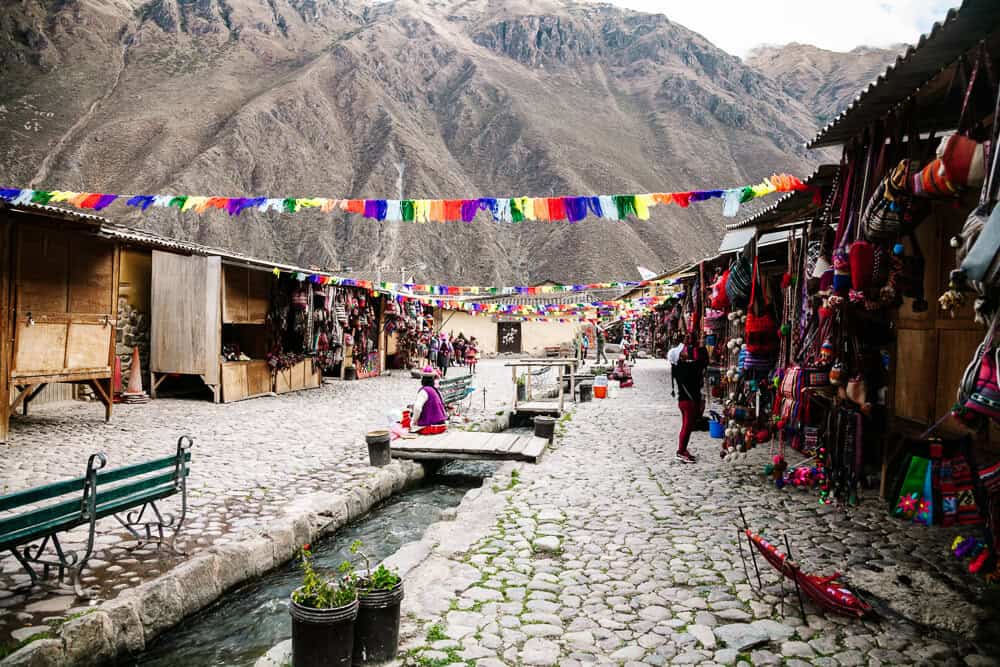
After visiting the ruins, don’t forget to explore Ollantaytambo itself. Not necessarily because Ollantaytambo has a large number of things to do but simply to see how this Inca town is still part of everyday life. The streets are narrow and mostly paved with stone. Tall walls enclose small courtyards, and ancient water channels run alongside several streets. Some houses still stand on their original Inca foundations. Around the main square and archaeological site, you’ll find plenty of welcoming restaurants and bars. But make sure to wander a few streets beyond the central square, too. It quickly becomes quieter, and you’ll get a better sense of everyday life in the town.

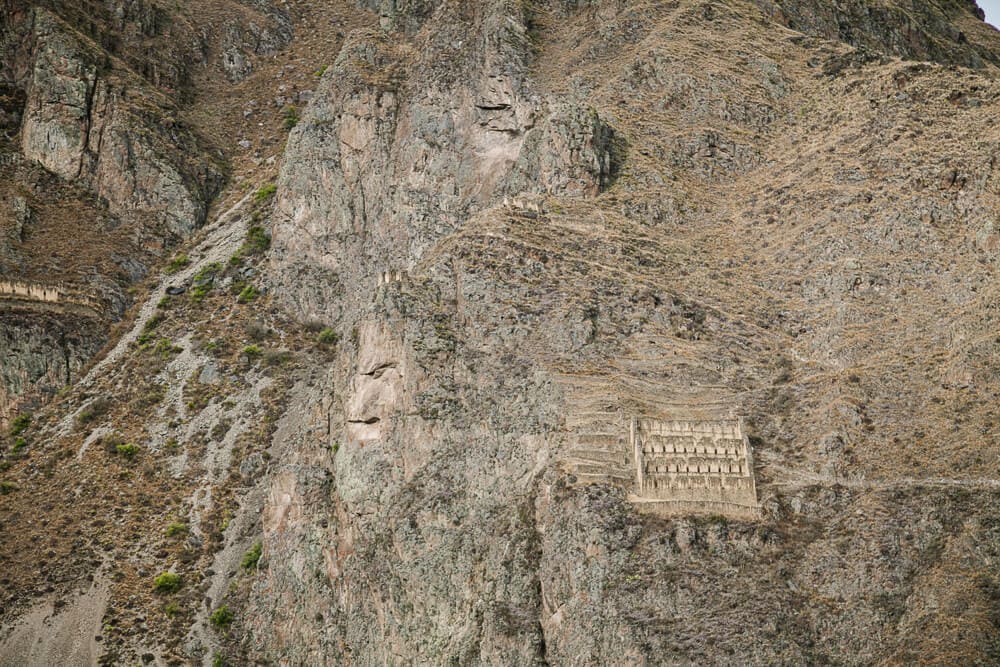
On the other side of the valley lies Pinkuylluna, the mountainside with its fascinating Inca storehouses. These storage buildings, known as qollqas, are visible from a considerable distance. A hiking trail leads up from Ollantaytambo. It’s a short but steep climb, so you’ll need to be reasonably fit. Once you reach the top, however, you’re immediately rewarded with beautiful views of the town, the archaeological site, and the surrounding mountains. Pinkuylluna is also a good alternative if you don’t feel like tackling a longer hike.
A special way to discover Ollantaytambo and its surroundings is the Inca Camelid Ancestral Route. During this walk, you’ll set out with llamas along ancient paths around the town. Along the way, a local guide explains the role of llamas and alpacas in the Andes and how these old caravan routes were used. You walk alongside the animals rather than riding them, which, in my opinion, makes this a lovely tour.
If you have more time, make sure to explore the surrounding area as well. There are several archaeological things to do, attractions and hiking trails around Ollantaytambo. For some excursions, having a local guide is useful, especially if you want to combine several locations in one day. But renting a car and heading out to explore on your own can be just as enjoyable
Pumamarca is located in the Patacancha Valley, at an altitude of approximately 11,155 feet (3,400 meters). The archaeological site consists of several stone buildings, terraces, and walls, and occupies a strategic position high above the valley.
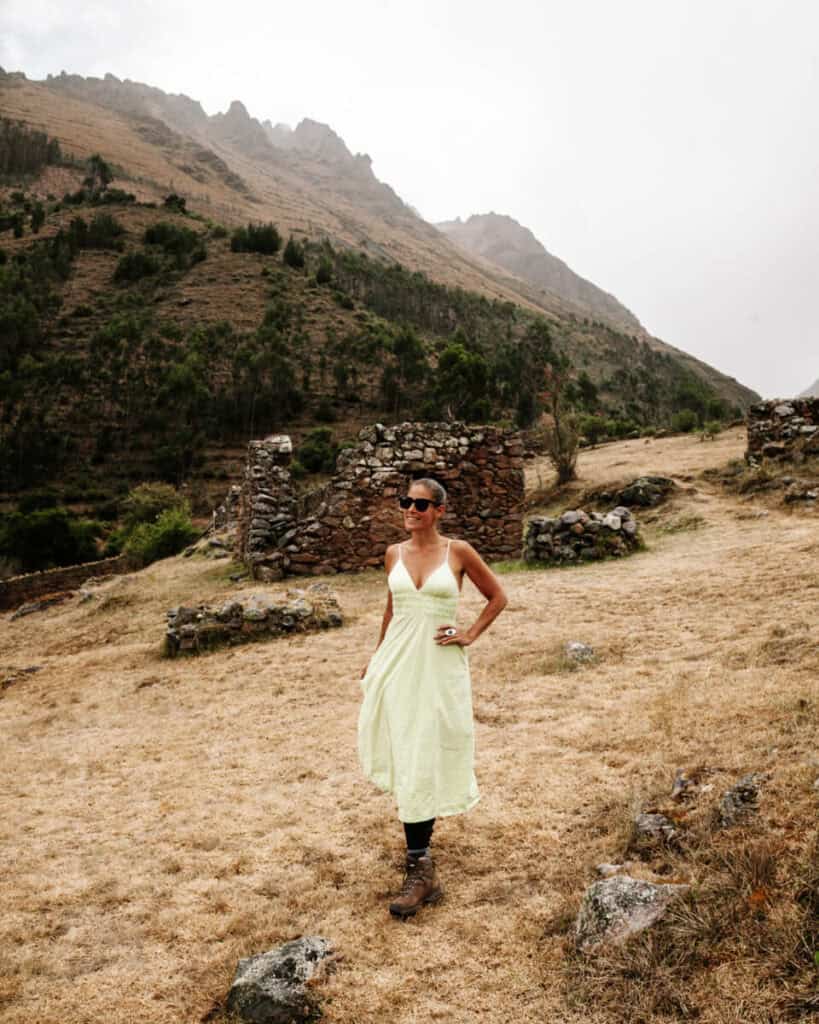
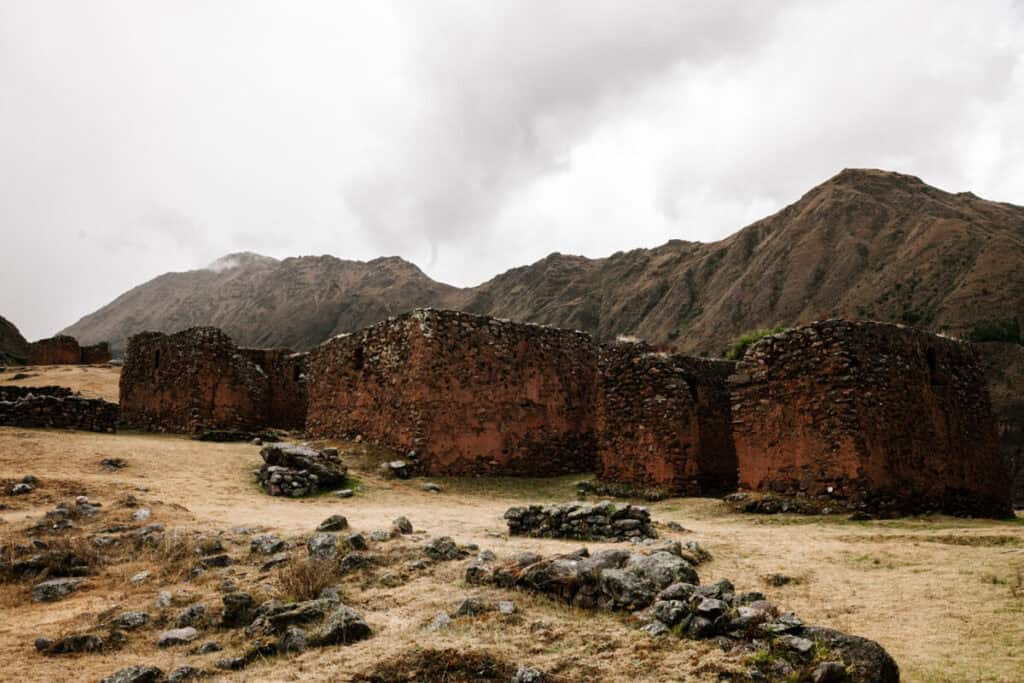
A beautiful way to visit Pumamarca is to take a taxi up and then hike back down to Ollantaytambo. Most of the route is downhill, and along the way you’ll enjoy views of the Patacancha Valley and the surrounding mountains. Allow a few hours for the hike and bring plenty of water. Because of the altitude and terrain, this isn’t a walk you’ll want to rush.
Work is currently underway around Pumamarca to develop the tourist infrastructure, which looks quite extensive. So check the latest conditions and access arrangements before you go.
Near Pachar, not far from Ollantaytambo, you’ll find the Perolniyoc Waterfall. Above the waterfall lies Raqaypata, an archaeological site with several pre-Inca and Inca structures. And there’s a good chance you’ll have the entire place to yourself.
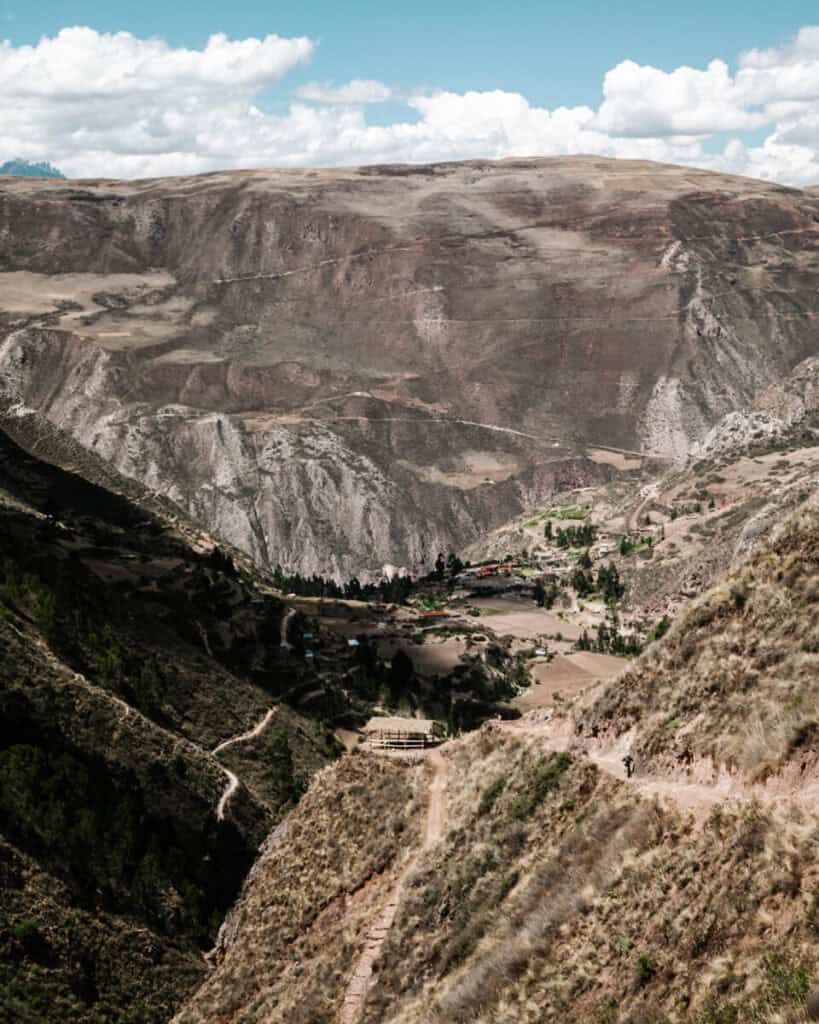
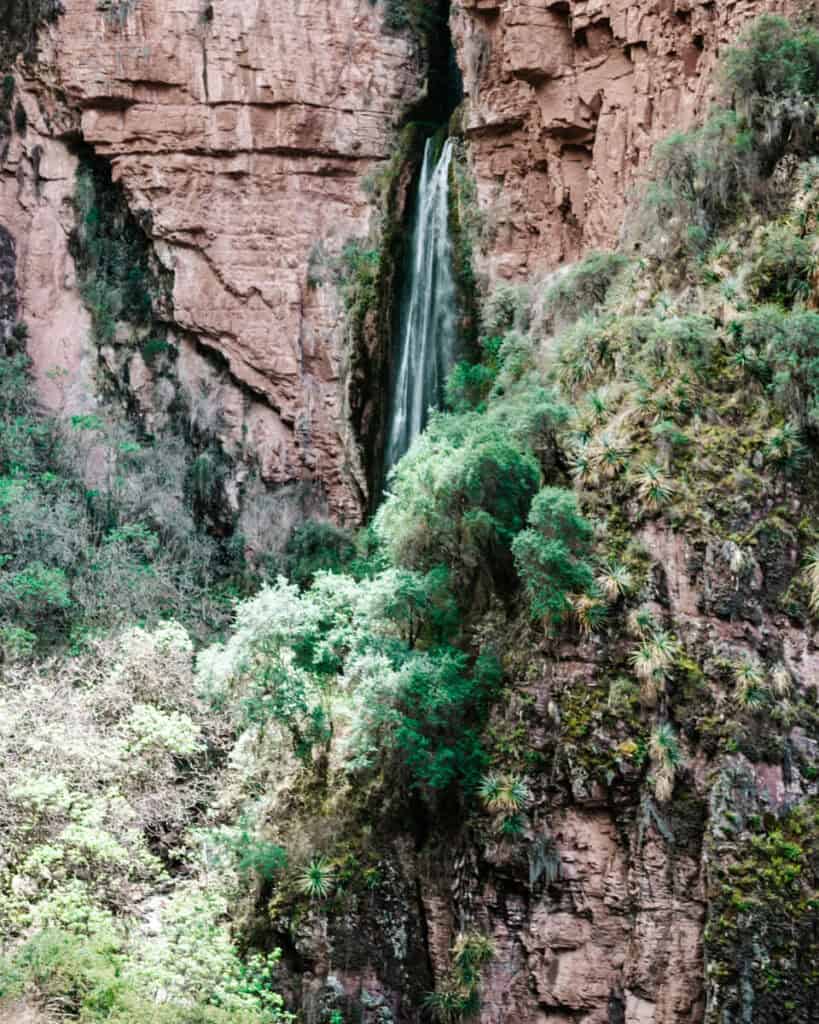
The hike to the waterfall and ruins takes you through a mountainous landscape and includes a challenging uphill climb. Raqaypata is located high on the mountain above the waterfall, so there’s still quite a climb ahead of you once you reach the waterfall. But the views are unforgettable.
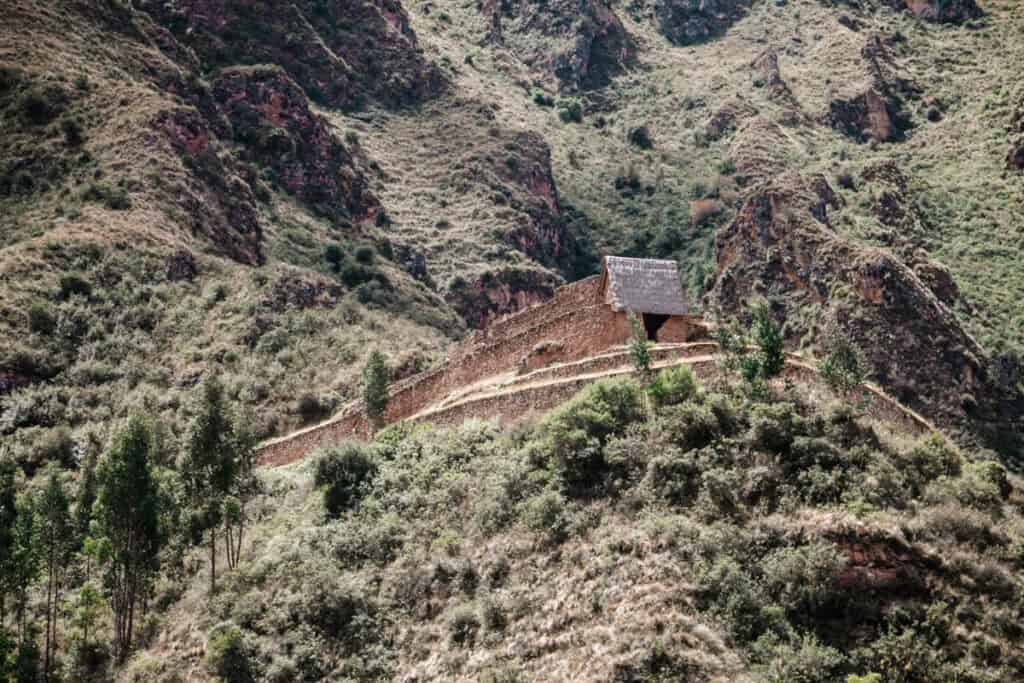
You can easily visit Perolniyoc and Raqaypata on a day trip from Ollantaytambo or Cusco.
Ñaupa Iglesia, near Pachar, is another one of the lesser-known things to do around Ollantaytambo in Peru. It’s a small but fascinating archaeological site carved into a rock face. The stone features geometric shapes and niches, among other details. There are several theories about the site’s exact purpose, making it a very different experience from the larger archaeological sites in the Sacred Valley.
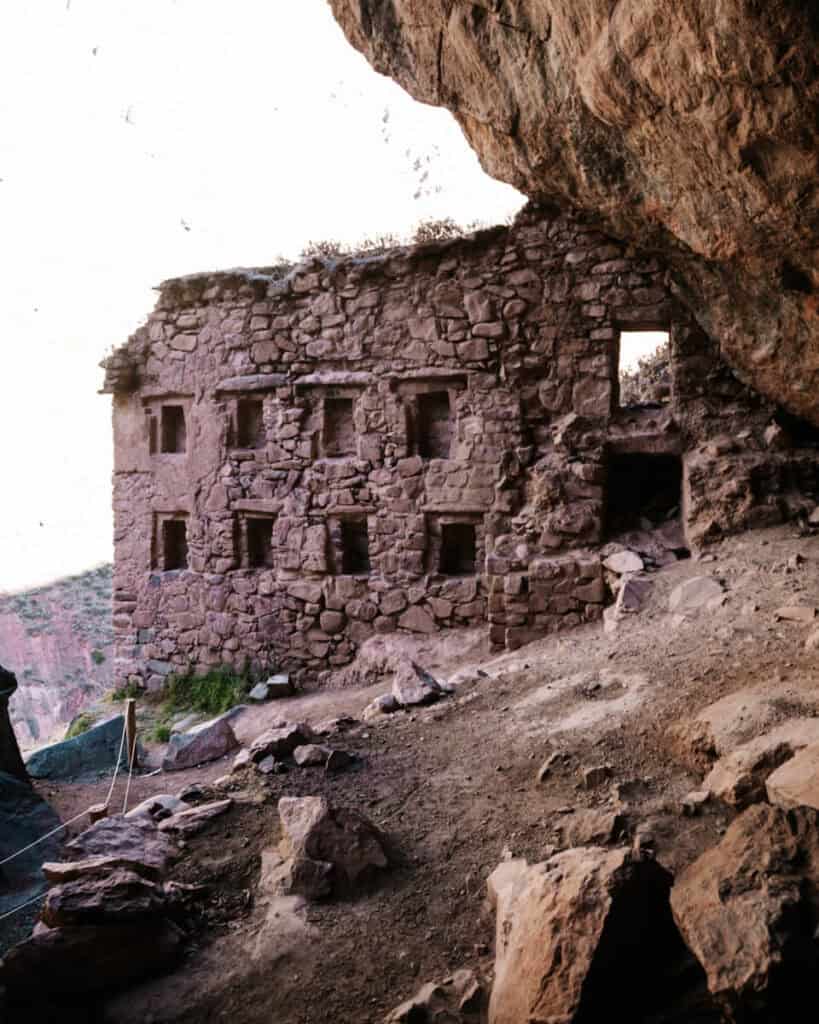
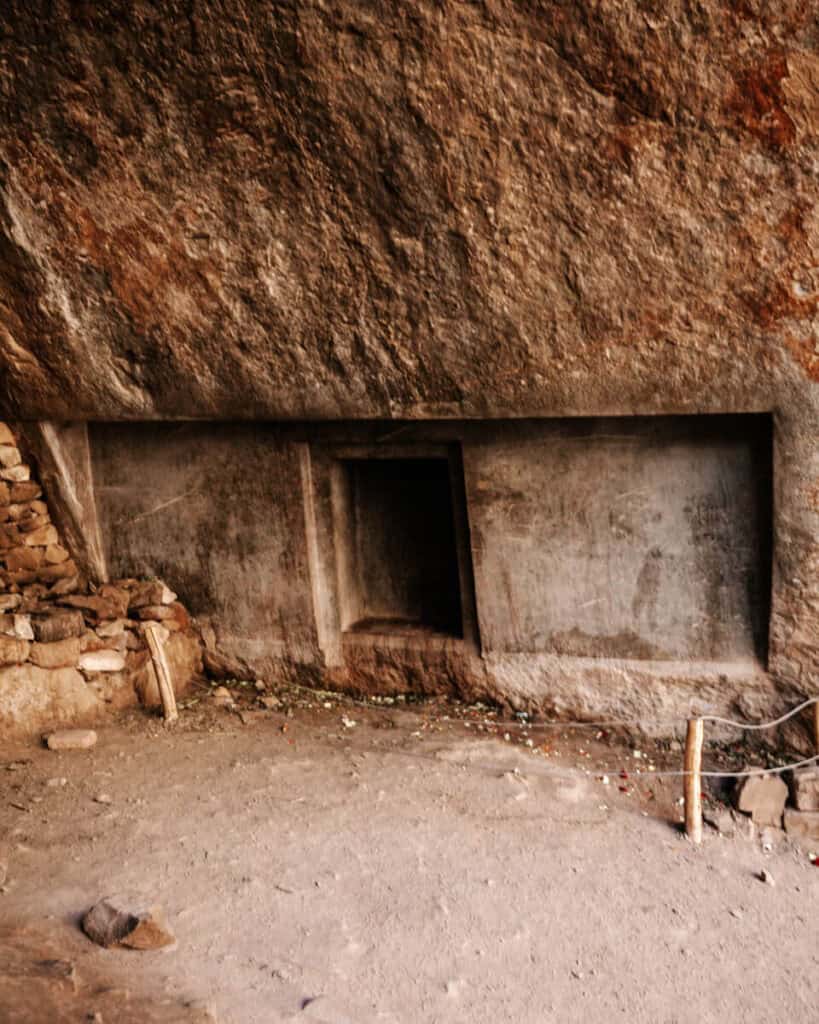
Are you traveling by car? You can park along the road, followed by a short walk of no more than half an hour. Just keep in mind that the final section involves quite a few steps uphill. You can easily combine a visit to Ñaupa Iglesia with a tour to Perolniyoc and Raqaypata.
If you want to learn more about the enormous stones you see at the ruins of Ollantaytambo, take the hike to Cachicata. This is where the stone used for various structures in Ollantaytambo was quarried. During the hike, you’ll pass enormous boulders and unfinished stone blocks. The views are also part of the experience: from the mountain, you can look back over Ollantaytambo and the valley.
Looking for something different to do in Ollantaytambo besides visiting Inca ruins? During this tour, you’ll walk from the main square with a local guide to a llama farm in the Sacred Valley. There, you’ll learn more about the differences between llamas and alpacas, their role in Andean culture, and their significance since Inca times.
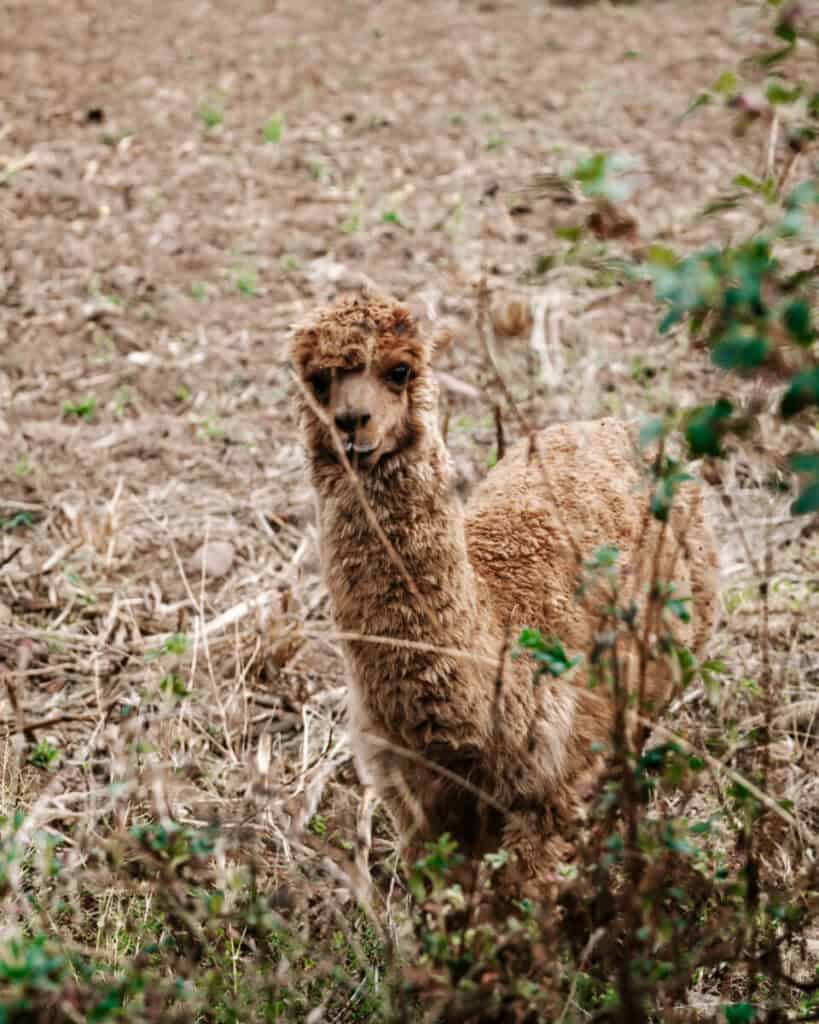
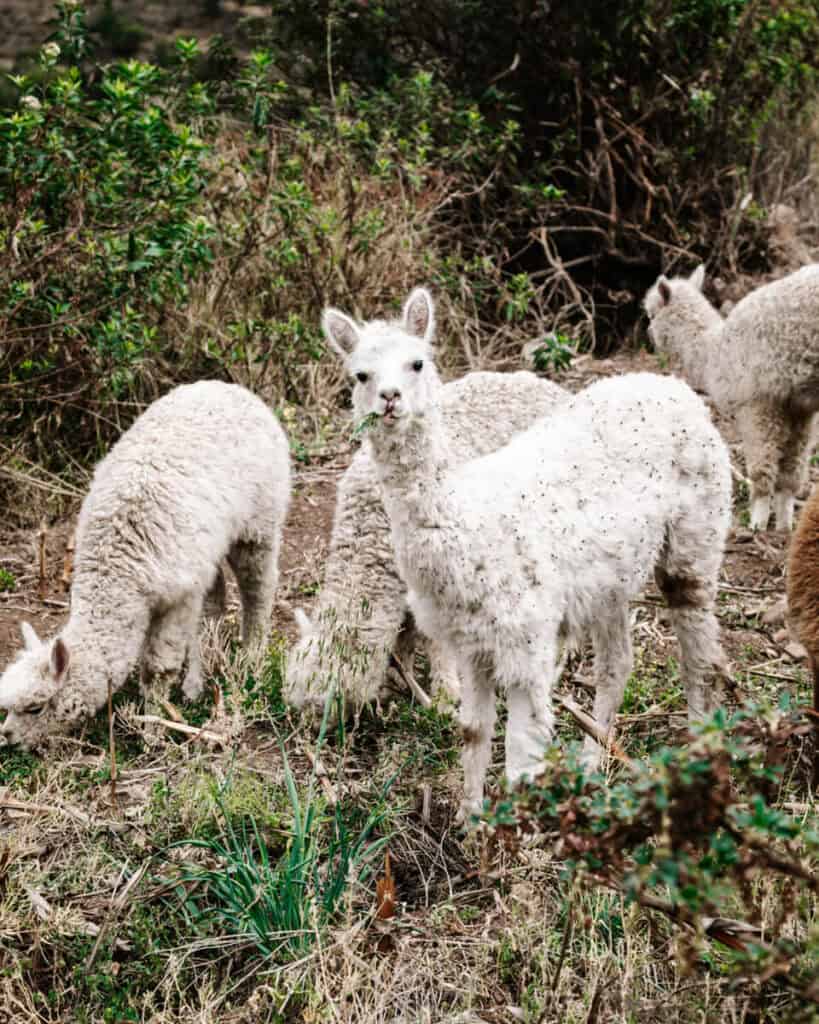
What makes this activity extra special is that you’ll get to cut grass yourself to feed the animals, just as local farmers do. It’s a personal way to get to know the animals while also supporting a local community project. One of the fun things to do, if you’re staying in Ollantaytambo for a little longer or traveling through the Sacred Valley with children.
A special culinary experience near Ollantaytambo is a traditional pachamanca at Las Qolqas. Pachamanca is an ancient Andean cooking method in which meat, fish, herbs, corn, beans, and potatoes are cooked between hot stones in a pit in the ground.
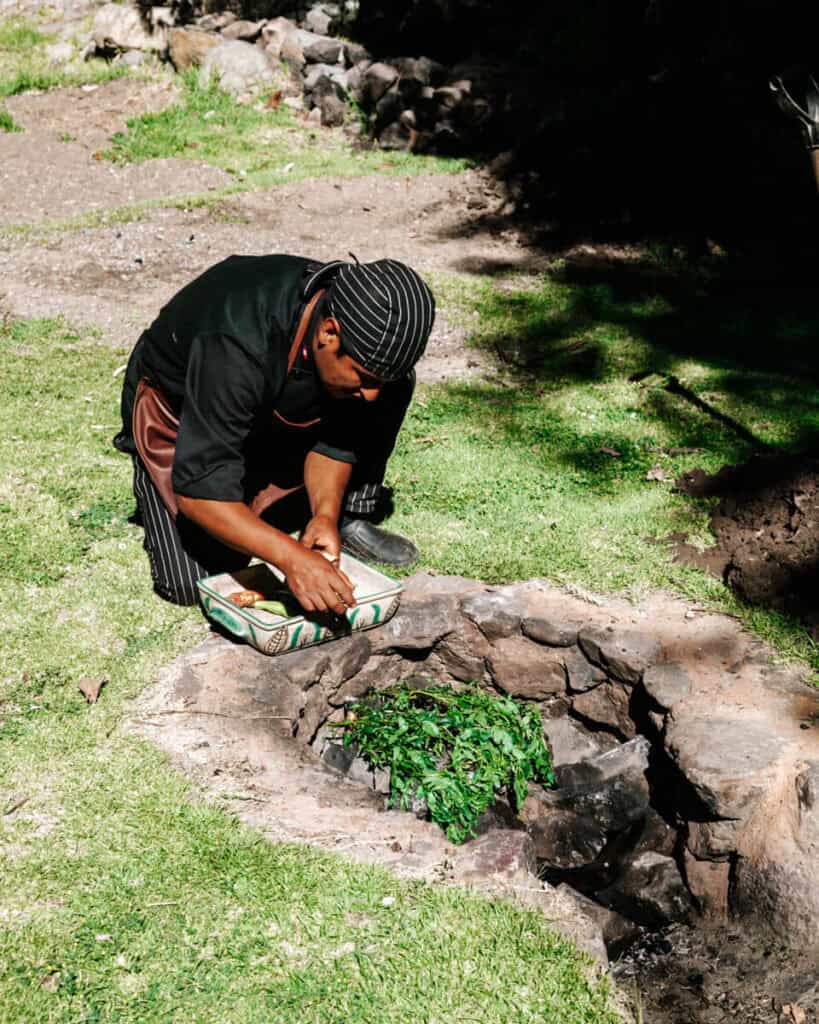
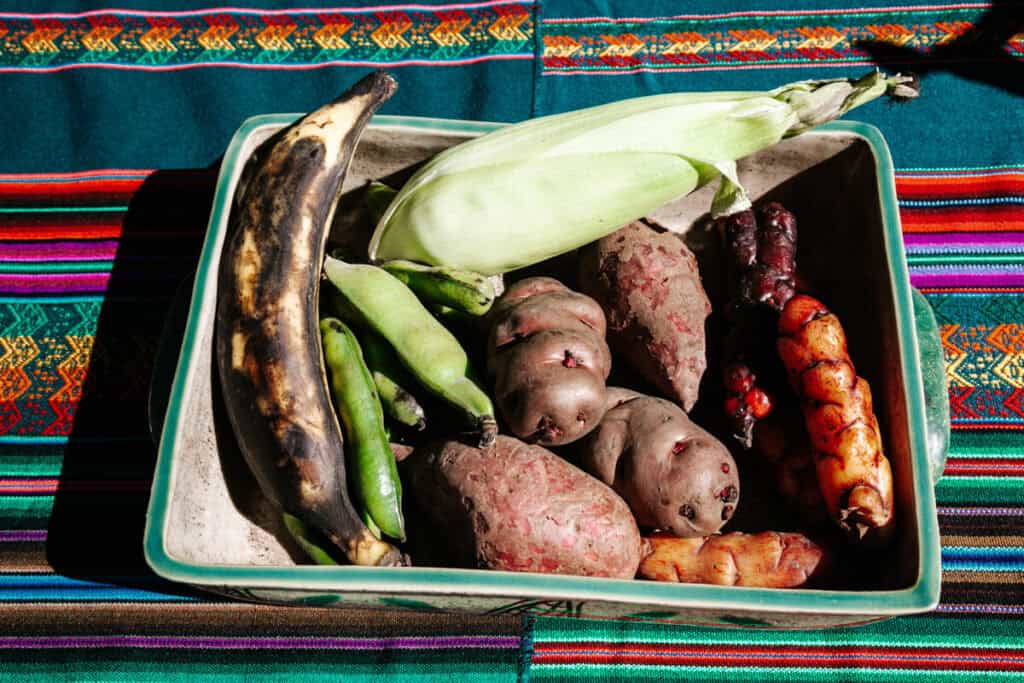
At Las Qolqas, a wonderful place to stay in the green surroundings of Ollantaytambo, the meal is prepared by the river. First, the stones are heated, and then the ingredients are arranged in layers. Everything is covered with cloths and earth. Before the cooking begins, a small tribute is made to Pachamama, Mother Earth, with flowers and a beer. After about half an hour, the pachamanca is dug up again, and everyone can sit down to eat. Highly recommended!
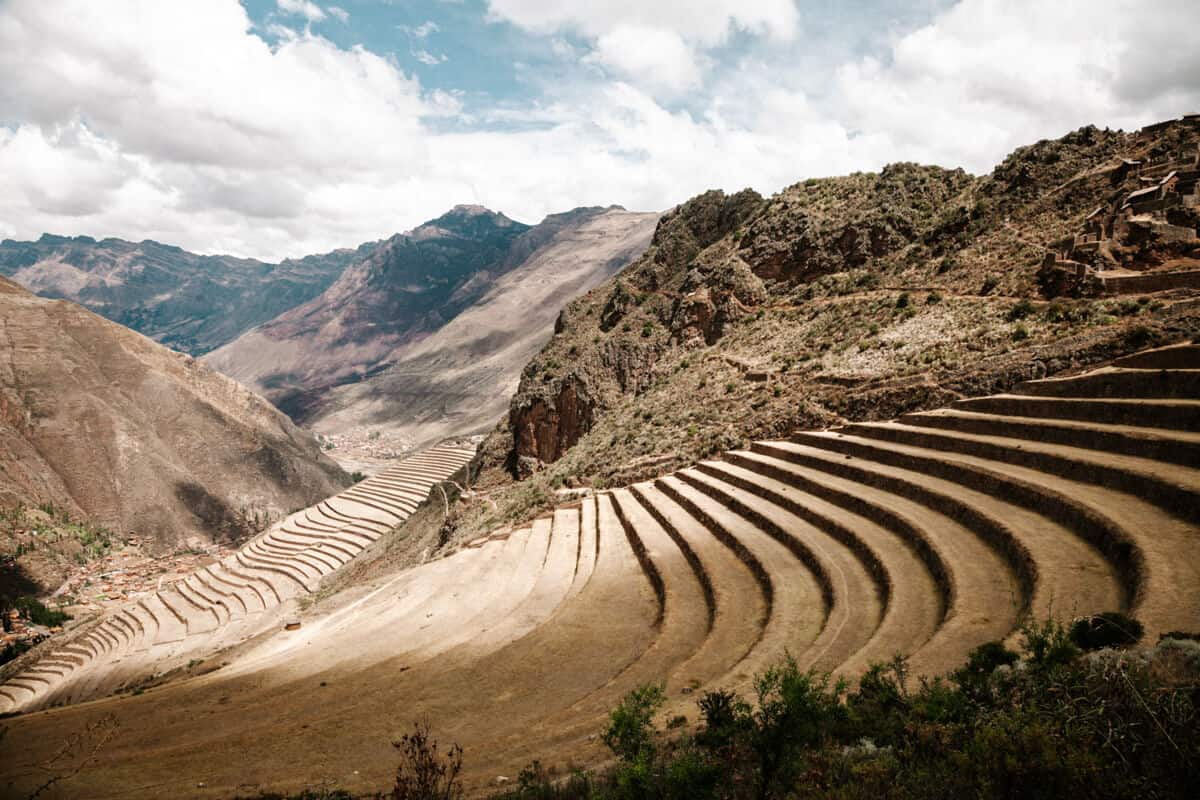
Ollantaytambo is a beautiful place to explore more of the Sacred Valley. The surrounding area is home to many more archaeological attractions and remarkable landscapes. Visit Moray, for example, with its circular Inca terraces, and the Salineras de Maras, where thousands of salt ponds stretch across the mountainside. Pisac, with its impressive Inca ruins and lively market, and the traditional village of Chinchero are also well worth a visit.
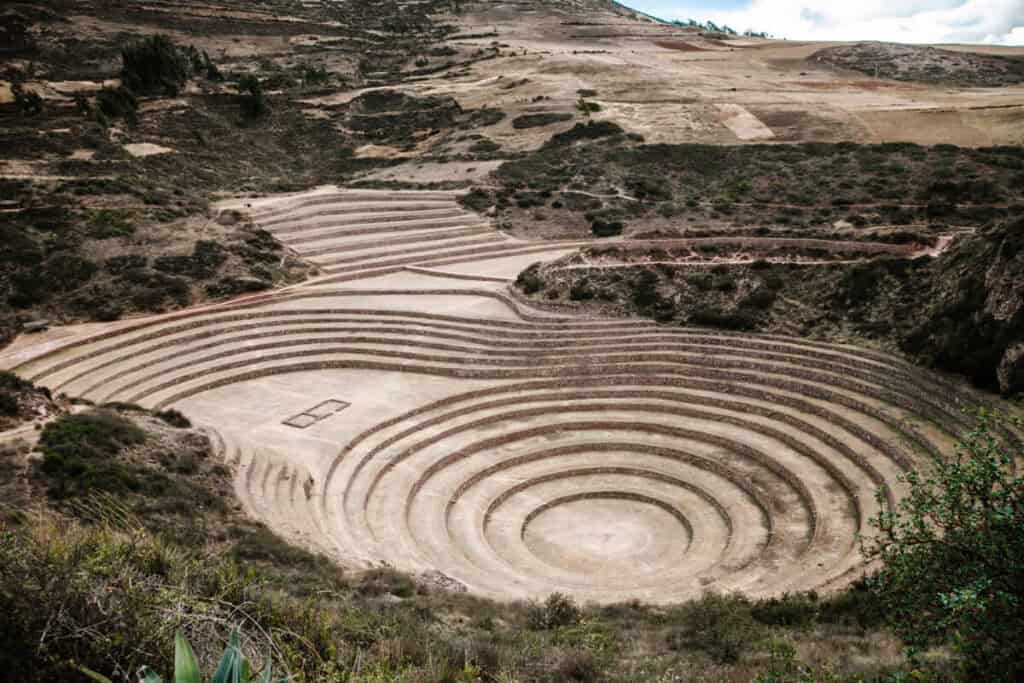
You can visit these places on a day tour from Ollantaytambo, or hire a private driver or rent a car, giving you the freedom to decide where to stop along the way. In my Sacred Valley guide, you’ll find all my tips on the most beautiful attractions, activities, and special places to stay.
Ollantaytambo has several restaurants where you can enjoy lunch or dinner. From modern Peruvian dishes to local ingredients and traditional cooking methods, here are a few places to consider during your stay in the town.
My favorite place to stay in Ollantaytambo is Las Qolqas EcoResort & Spa. The resort is located just outside the town center, surrounded by beautiful scenery at the foot of the mountains. The lovely suites are spread throughout the greenery, surrounded by flowers and mountains, offering plenty of peace and space. You can also enjoy dinner at the restaurant and relax at the spa after a day of hiking. From Las Qolqas, it’s easy to visit the old Inca town, as well as explore various hiking trails and other places in the Sacred Valley.
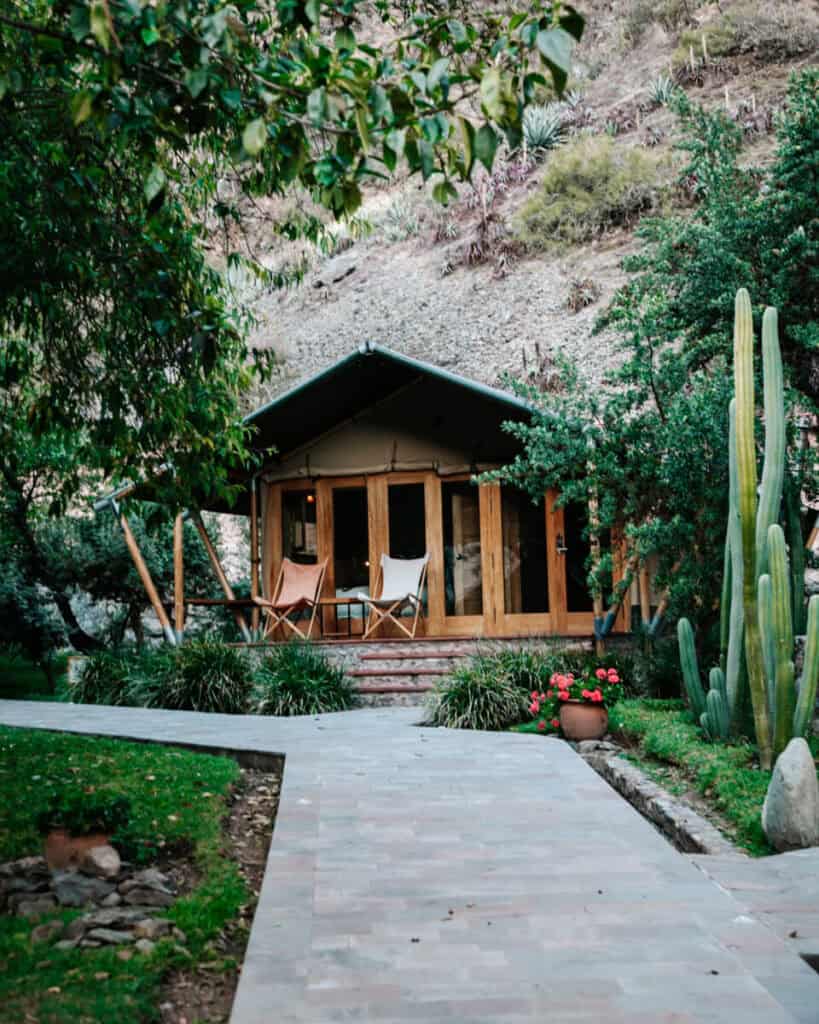
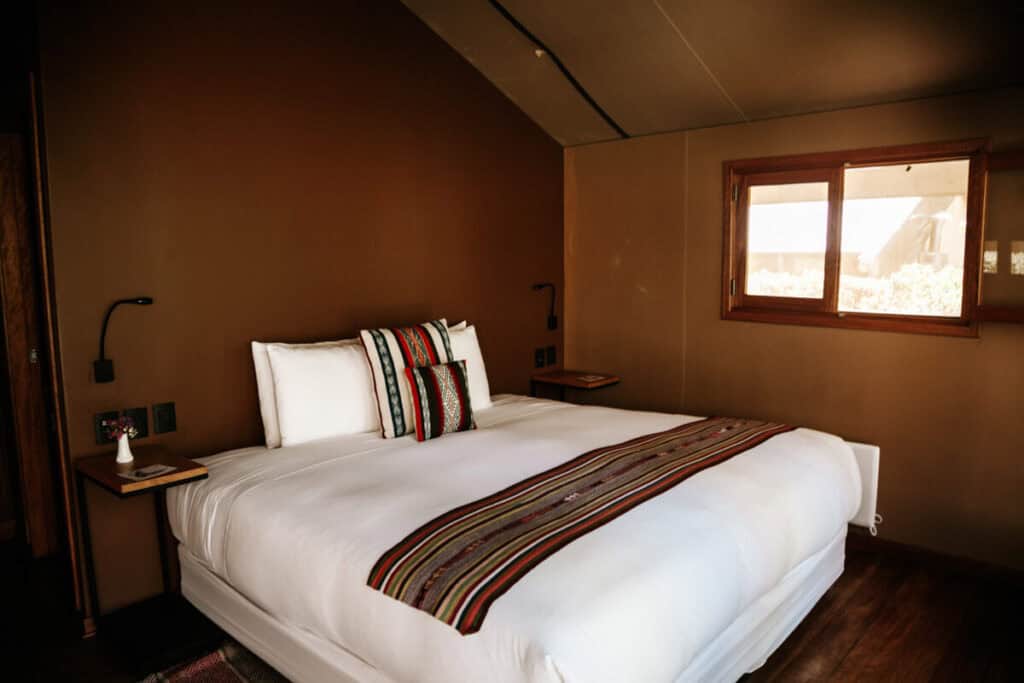
Would you rather stay in the town itself? Here you’ll find an overview of hotels. You can also read my detailed review of Las Qolqas EcoResort in Ollantaytambo.
Ollantaytambo is easy to combine with a visit to Machu Picchu. You can take a two-day tour, with the first day dedicated to exploring the Sacred Valley. At the end of the day, you take the train from Ollantaytambo to Aguas Calientes and visit Machu Picchu the following day.
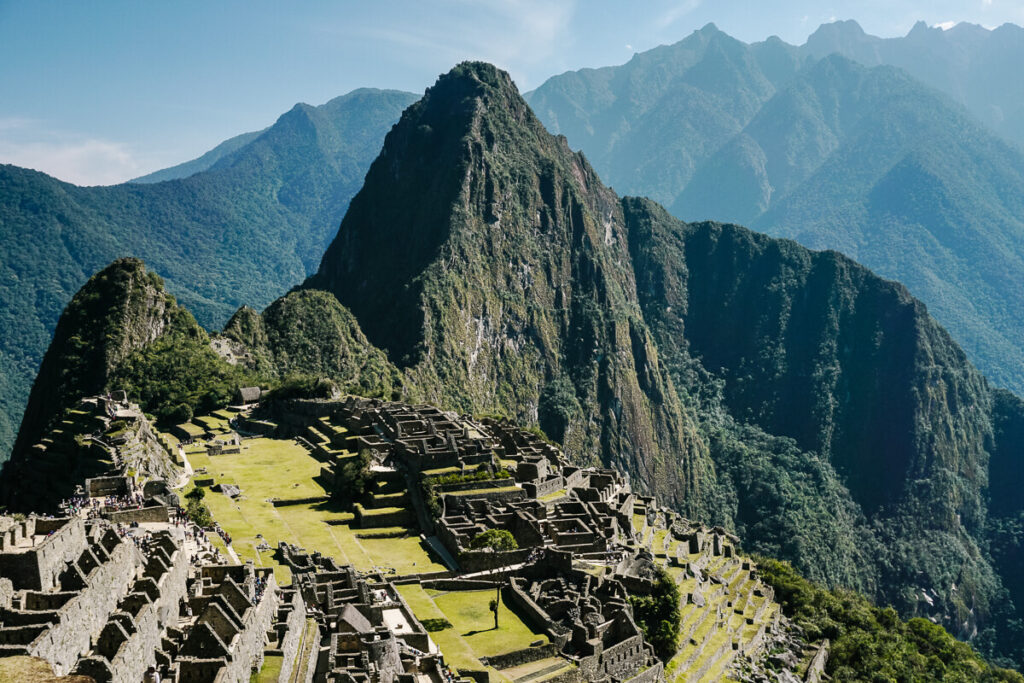
Another option is to book a tour from Cusco and arrange to be dropped off in Ollantaytambo afterward. This gives you time to explore the Inca ruins at your own pace, wander through the old streets, and discover the surrounding area. Staying at Las Qolqas also gives you the opportunity to enjoy the peace and scenery of the Sacred Valley a little longer before continuing your journey to Machu Picchu.
Ollantaytambo is easy to visit on a day tour from Cusco. You can find a popular tour that visits several highlights along the way here. Personally, however, I would choose not to visit Ollantaytambo as a separate day trip, especially if you have more time. Instead, I would include it as part of your route through the Sacred Valley.
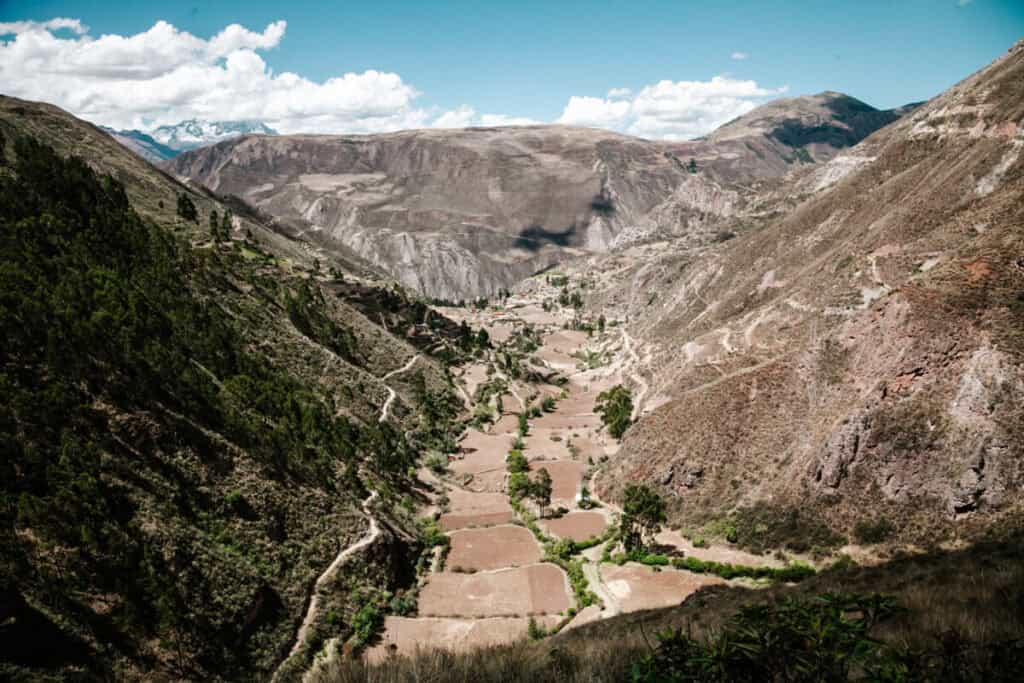
You can easily book transportation from Cusco to Ollantaytambo here. You can also choose to rent a car, something I’ve been doing a lot myself in recent years, and explore the attractions of the Sacred Valley at your own pace. If you’re traveling on a tighter budget, you can also take a colectivo from Cusco to Ollantaytambo. This is a simple and inexpensive option, but less convenient if you want to stop at several places along the way.
For a first visit, I would plan to spend one or two nights in Ollantaytambo. One night is enough if you mainly want to see the archaeological site and the old town before taking the train to Machu Picchu the following day. With two nights, you’ll have a little more time and won’t have to treat Ollantaytambo as just a practical stopover.
If you have more time, you can easily spend three nights here. This gives you time to explore not only the ruins and the old town but also take a hike or excursion in the surrounding area, such as to Pumamarca, Cachicata, or Perolniyoc.
Planning a trip to Peru or just starting your research? In the next travel guide, you’ll find everything you need to know about traveling to Peru, including practical tips, essential travel info, and inspiration for where to go and what to see. Hopefully, my articles will help you get the most out of your trip, or convince you to add Peru to your travel bucket list.
Did you enjoy reading this article with tips and things to do and see in Ollantaytambo in Peru? Let me take you on a further journey along the most beautiful destinations and attractions in Peru in the next articles.
This article may contain affiliate links. If you purchase something using one of our links, we may receive a commission at no extra cost to you, which helps us keep this blog alive. Thank you for your support! Please see our disclosures for more information.
Are you interested in the world? Do you want to learn more about a country and its culture? Let me take you on a journey with Passport the World.
As a travel reporter, producer and tour guide, I have been traveling around the world for the last 20 years, looking for the most scenic places and stories that are worth sharing. In Passport the World, I am guiding you along scenic and cultural places, cities, art, viewpoints, hiking trails and unique experiences. To help you get the most out of your travels or to just get to know a country and culture better!


Are you interested in the world? Do you want to learn more about a country and its culture? Let me take you on a journey with Passport the World.
As a travel reporter, producer and tour guide, I have been traveling around the world for the last 20 years, looking for the most scenic places and stories that are worth sharing. In Passport the World, I am guiding you along scenic and cultural places, cities, art, viewpoints, hiking trails and unique experiences. To help you get the most out of your travels or to just get to know a country and culture better!