Menu
Destinations

Colombia Travel Guide & FAQ’s

Planning your trip to Colombia or still exploring the idea? In this travel guide, you’ll find everything you need to know about visiting Colombia, from practical information and a list of frequently asked questions to useful tips to help you prepare, plus all articles about destinations and must-see sights throughout the country. Over the past few years, I’ve visited Colombia countless times and had the chance to explore nearly every region. And I still find myself returning every year. Hopefully, these articles will inspire you to add Colombia to your bucket list and help you make the most of your journey

Where is Colombia

Colombia is located in the northwest of South America, bordered by Venezuela, Brazil, Peru, Ecuador, and Panama. It has coastlines on both the Caribbean Sea and the Pacific Ocean.

Best time to visit Colombia

Colombia can be visited year-round thanks to its tropical climate. The best time to visit Colombia is during the dry seasons, from December to March and July to September. These months are perfect for hiking, outdoor adventures, and cultural trips. Keep in mind that these periods are also the busiest in popular destinations.

Read more: Climate and best time to travel to Colombia

Things to do in Colombia

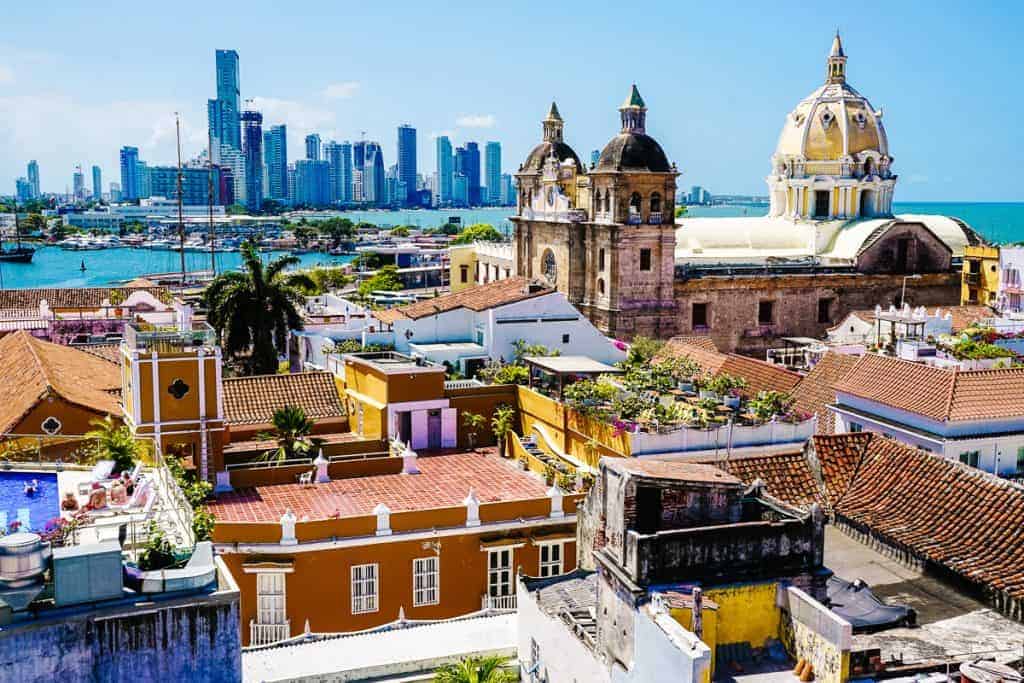
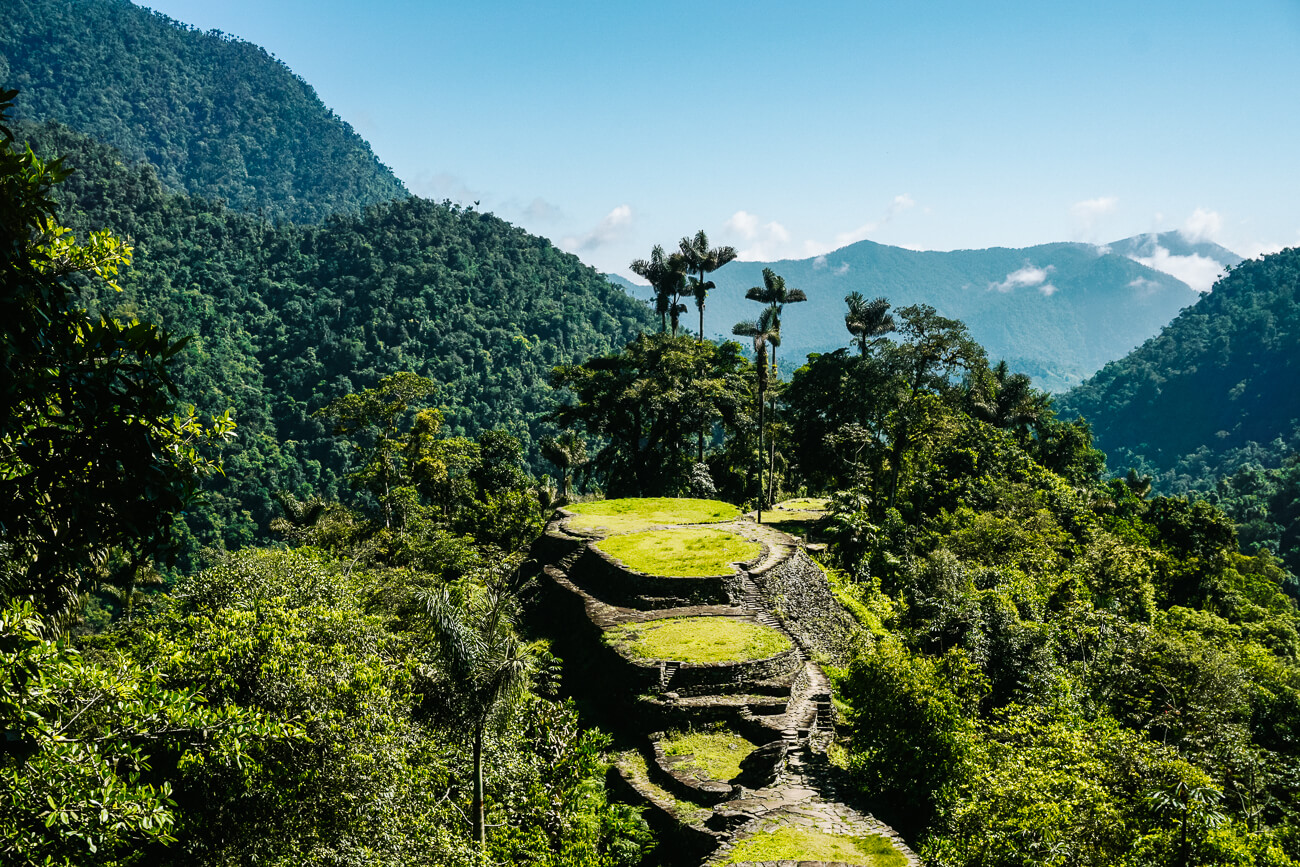
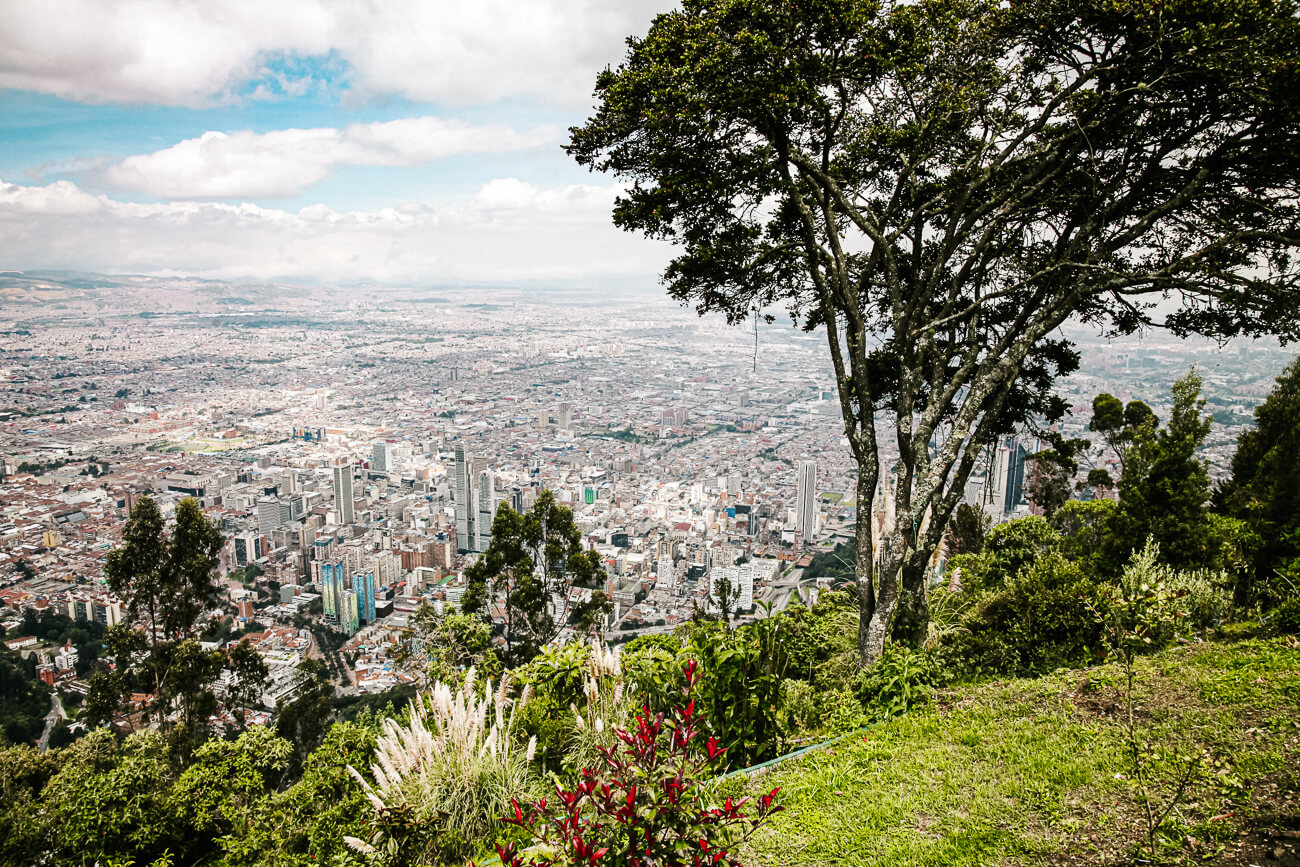
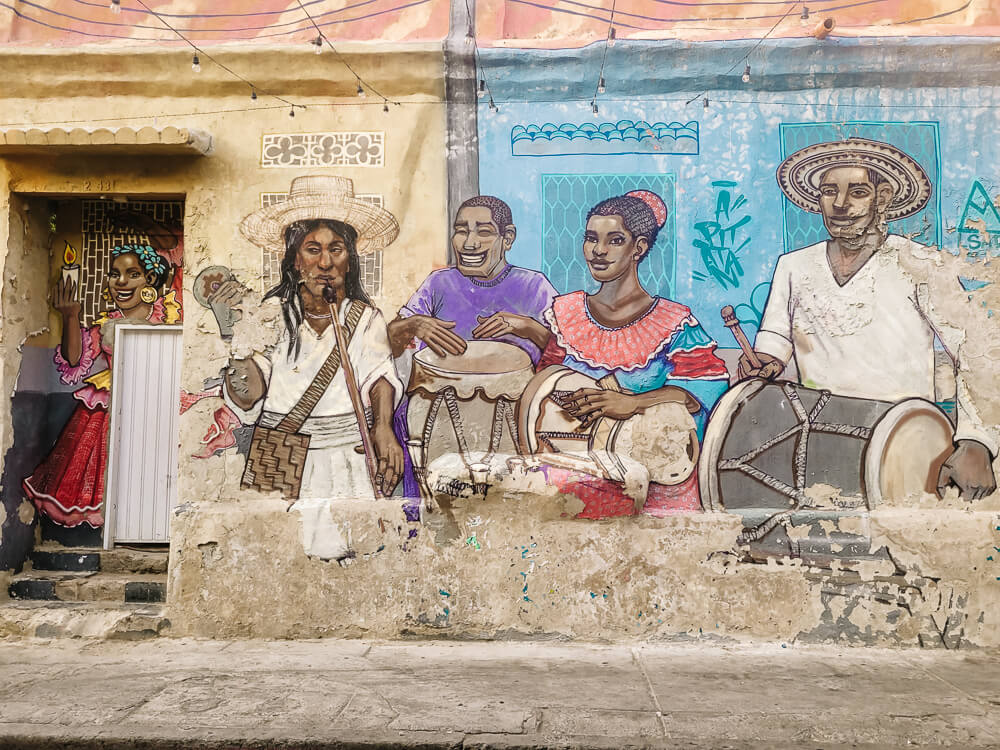
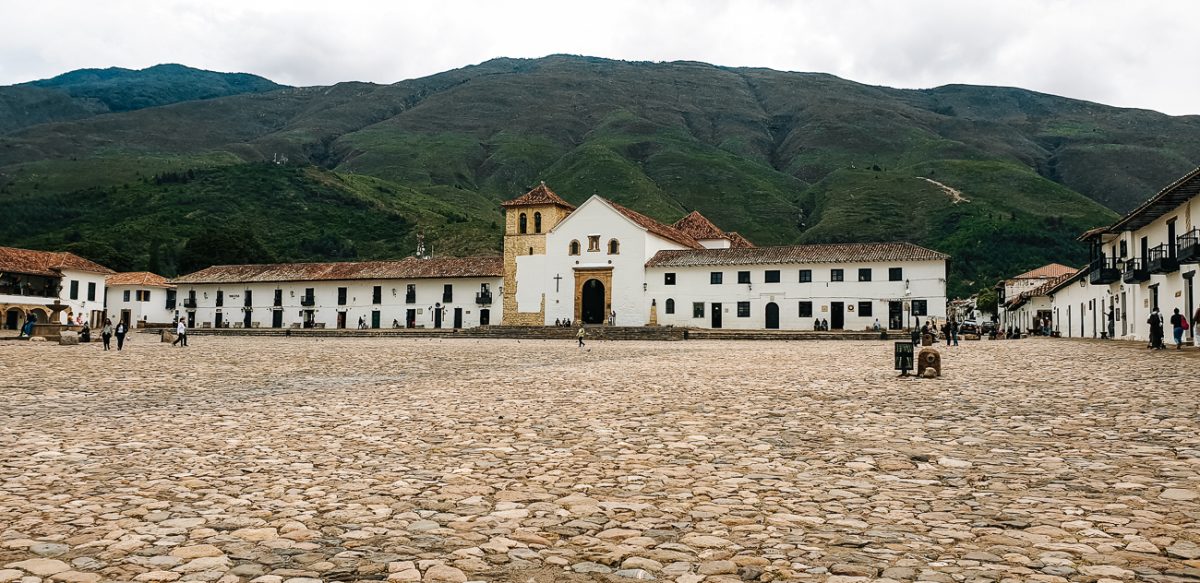
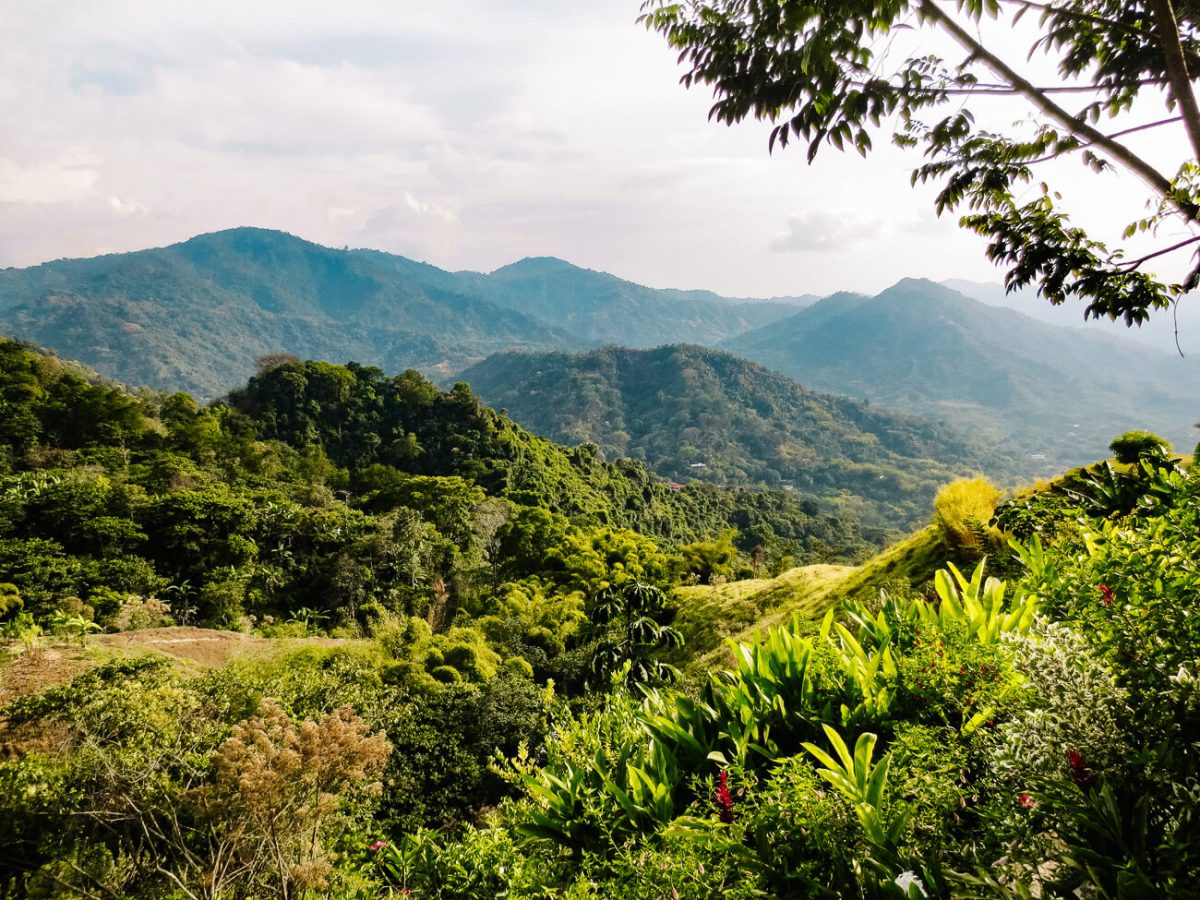
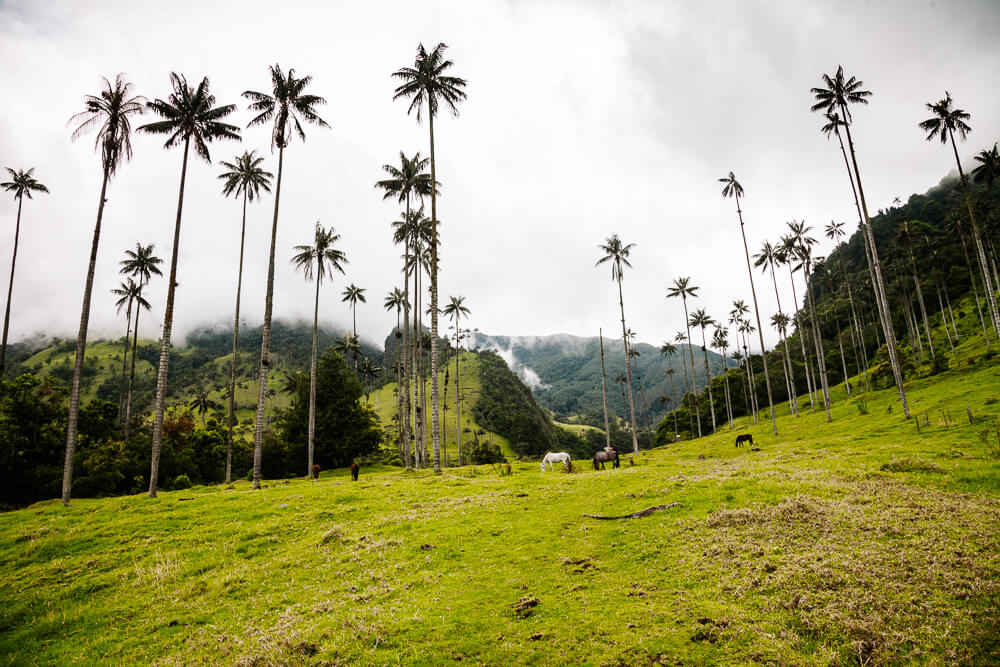
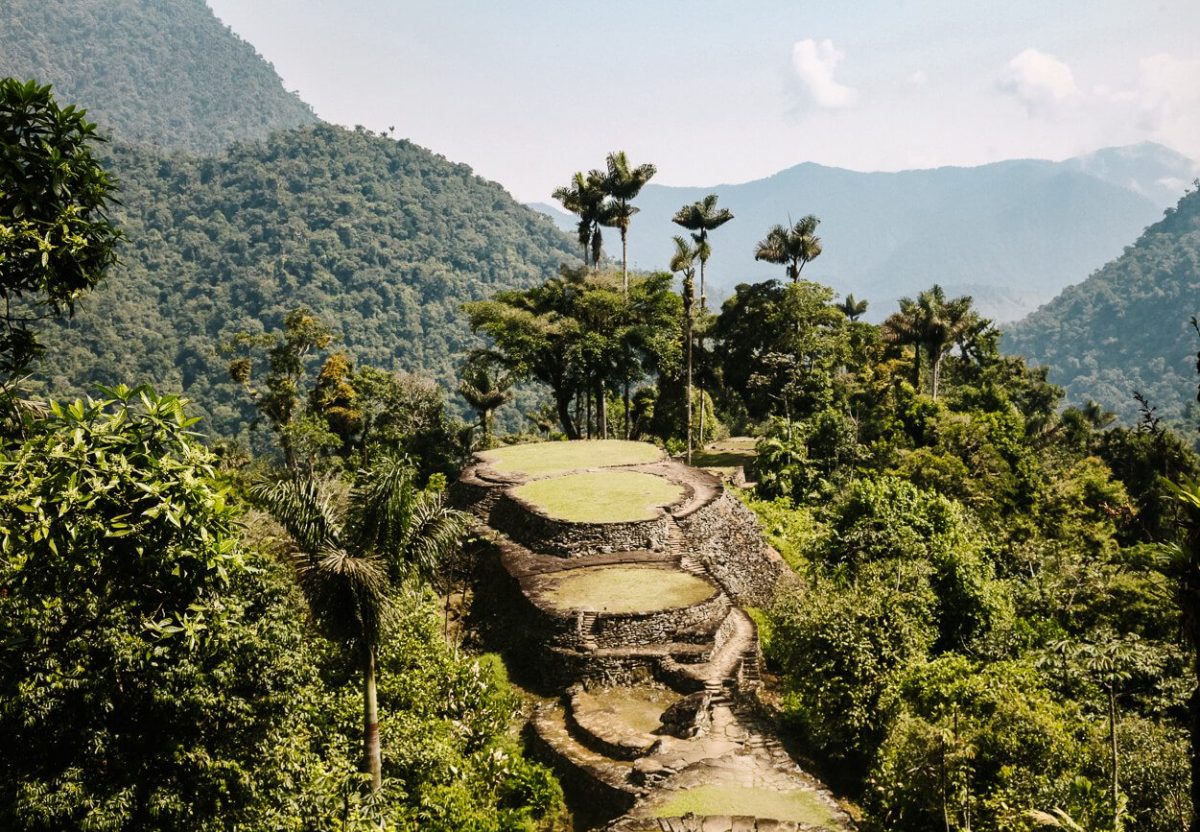
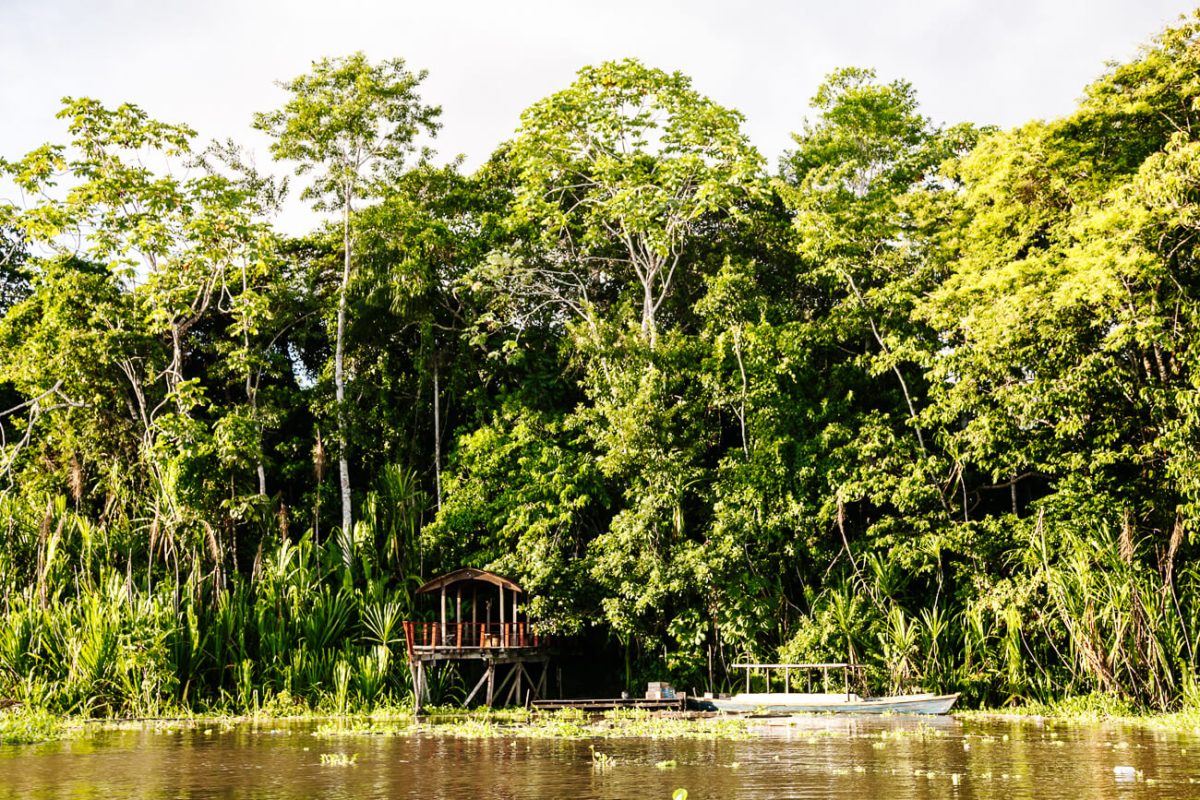
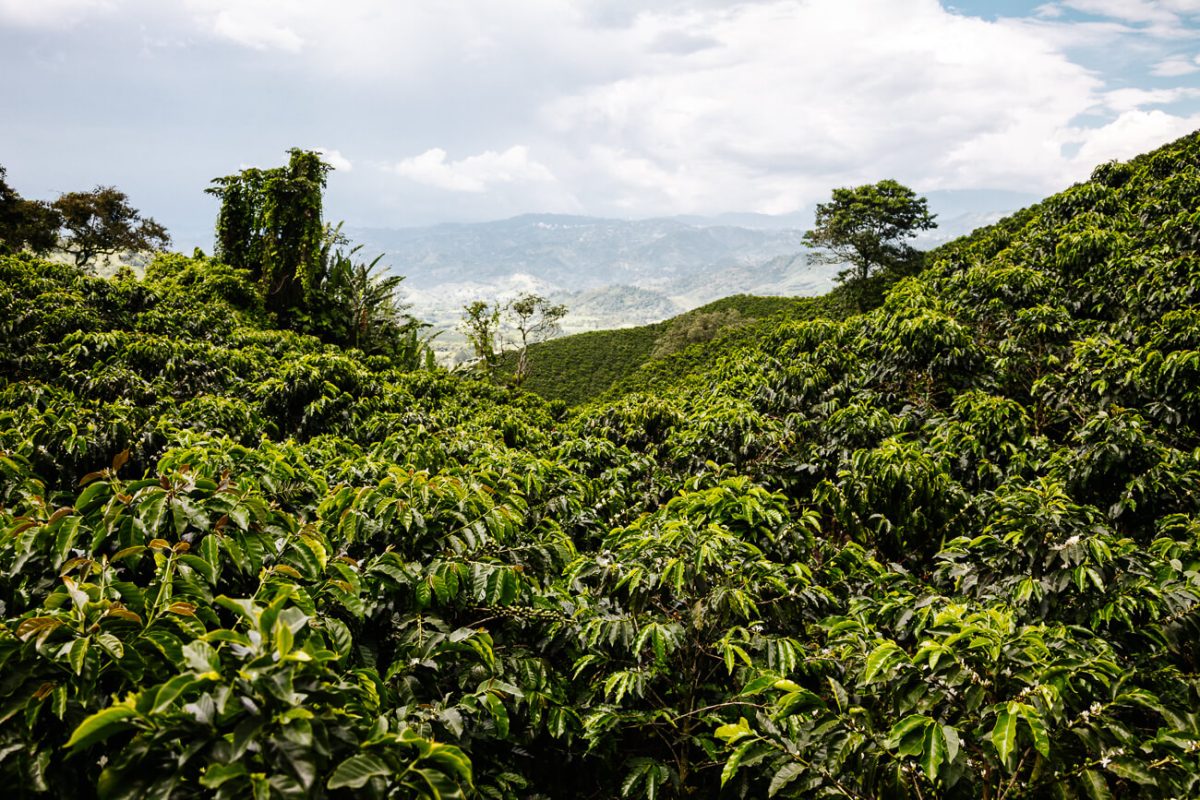
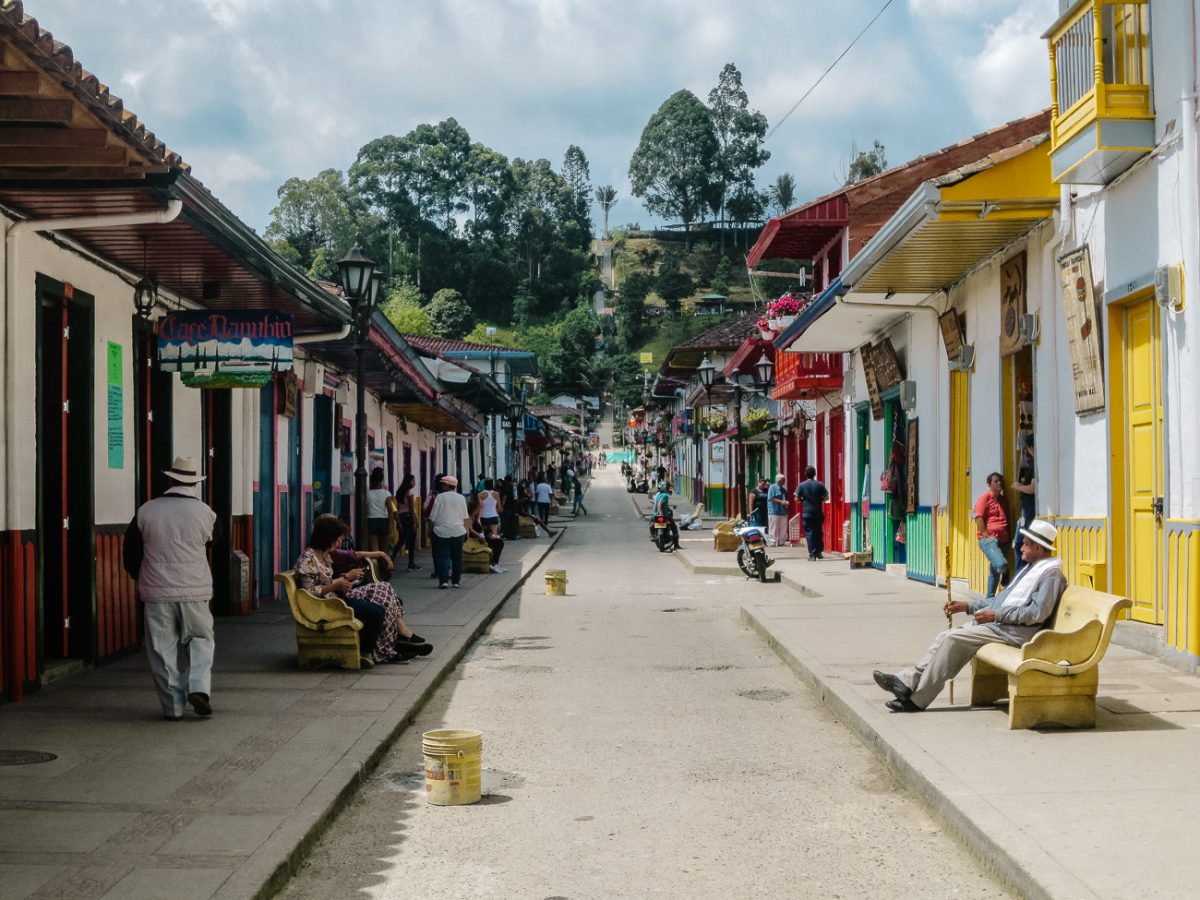
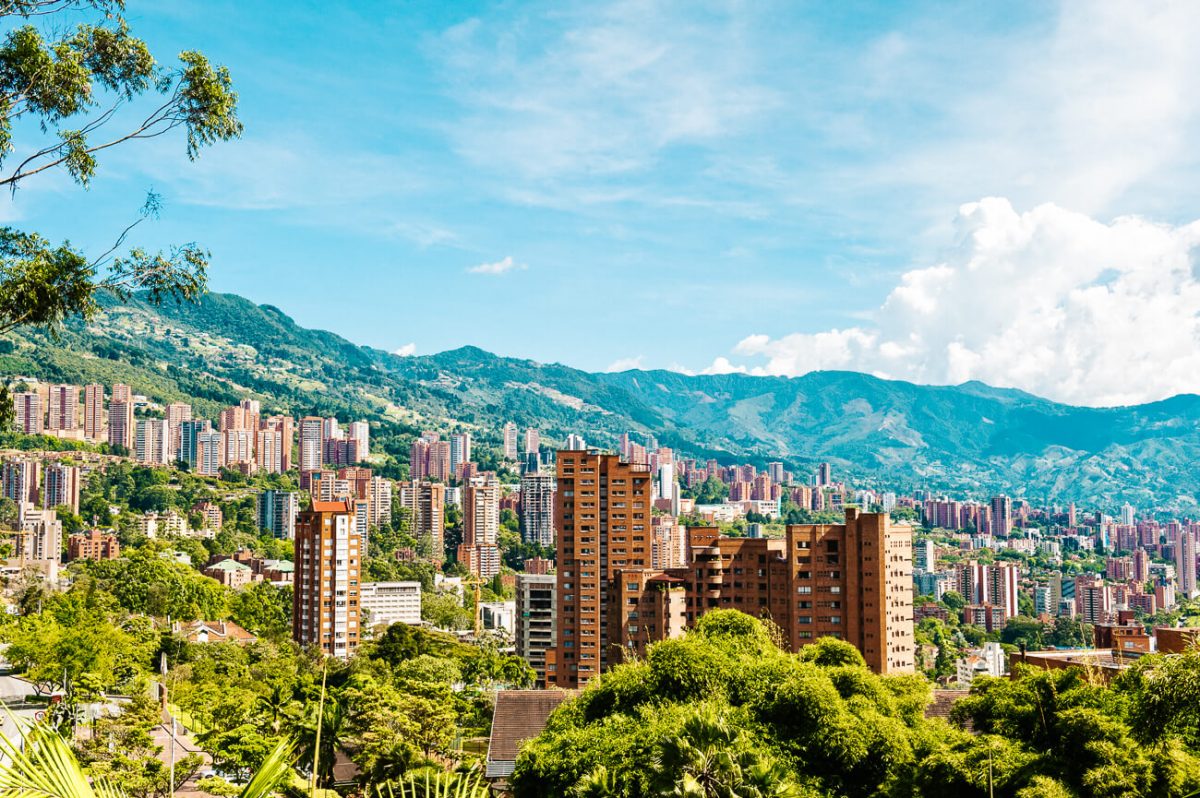
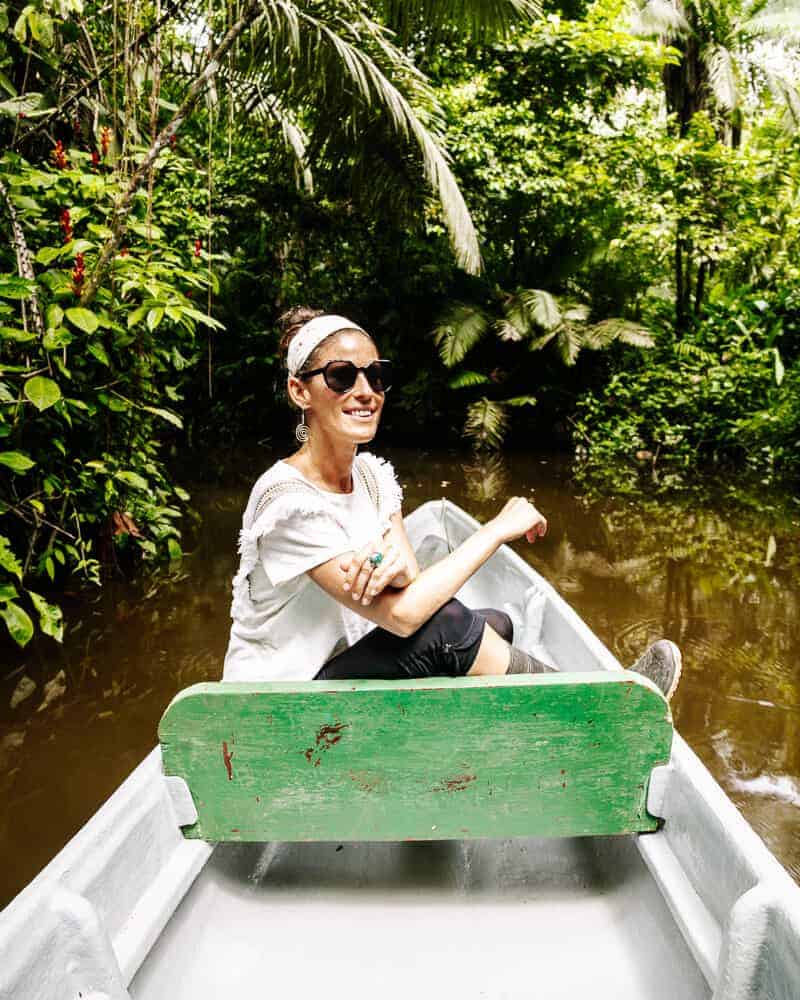
There are endless things to do in Colombia. You can explore lively Bogotá and cosmopolitan Medellín, wander through small mountain villages, and discover the lush Coffee Region with its rolling green hills. Hike to the mysterious Ciudad Perdida deep in the jungle, or stroll the colorful streets of Cartagena. You can also connect with Indigenous communities, venture into the Amazon, and finish your journey relaxing on the Caribbean coast.

Read more: Things to do in Colombia – 25 destinations and highlights

How long should you stay in Colombia?

Because of its size, distances in Colombia can be deceptive. For a first trip, two weeks is a good starting point. You’ll be able to visit Bogotá, Medellín, and Cartagena, plus highlights like Tayrona National Park and the Cocora Valley.

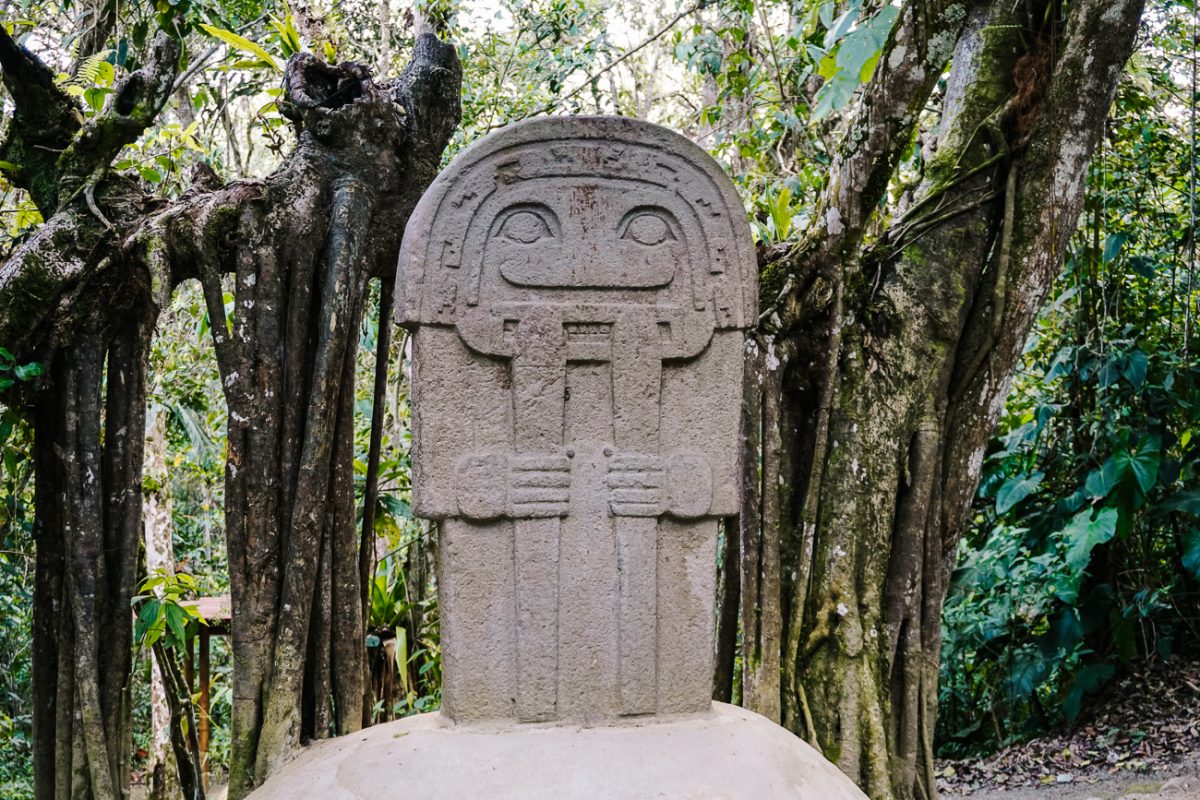
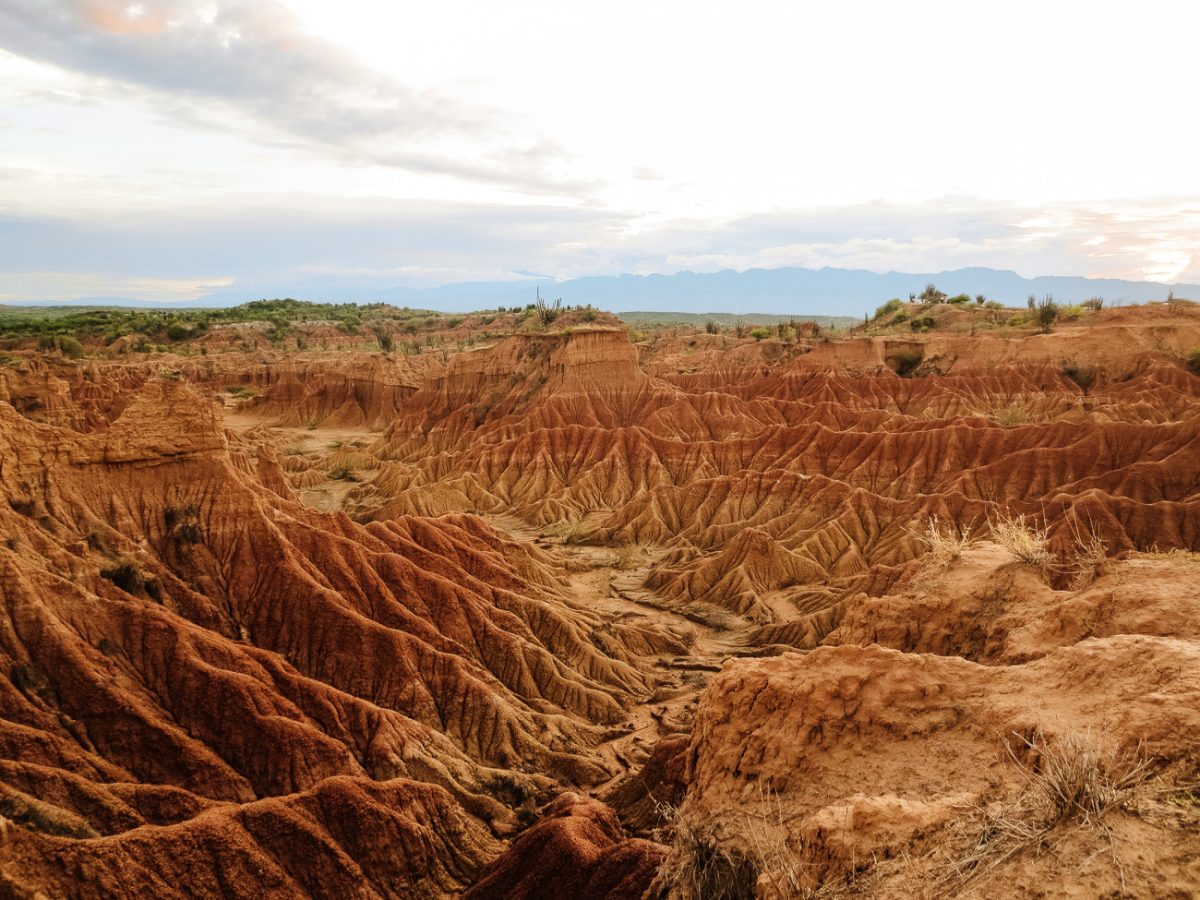
If you have three weeks or more, you can explore off-the-beaten-path Colombia: the Tatacoa Desert, San Agustín’s archaeological site, or more remote areas of the Coffee Triangle. The more time you allow, the more you’ll get to experience Colombia without rushing.

Where to stay in Colombia

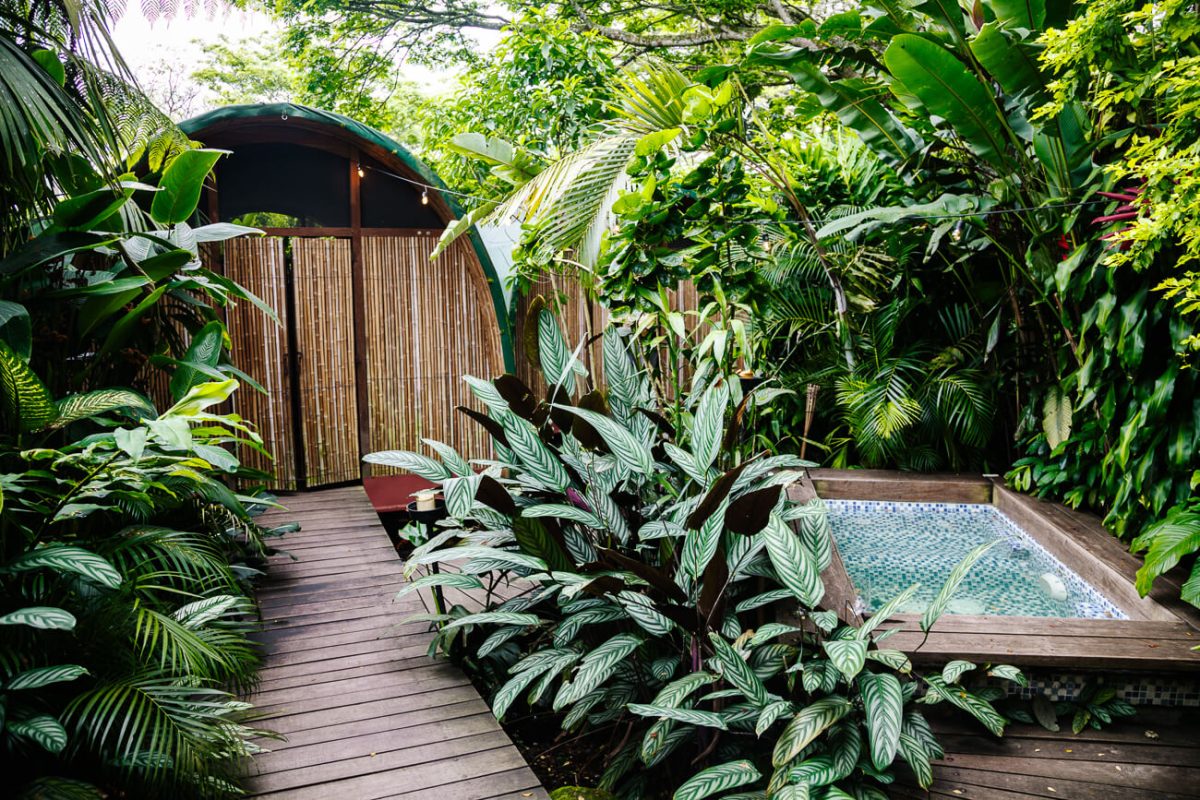
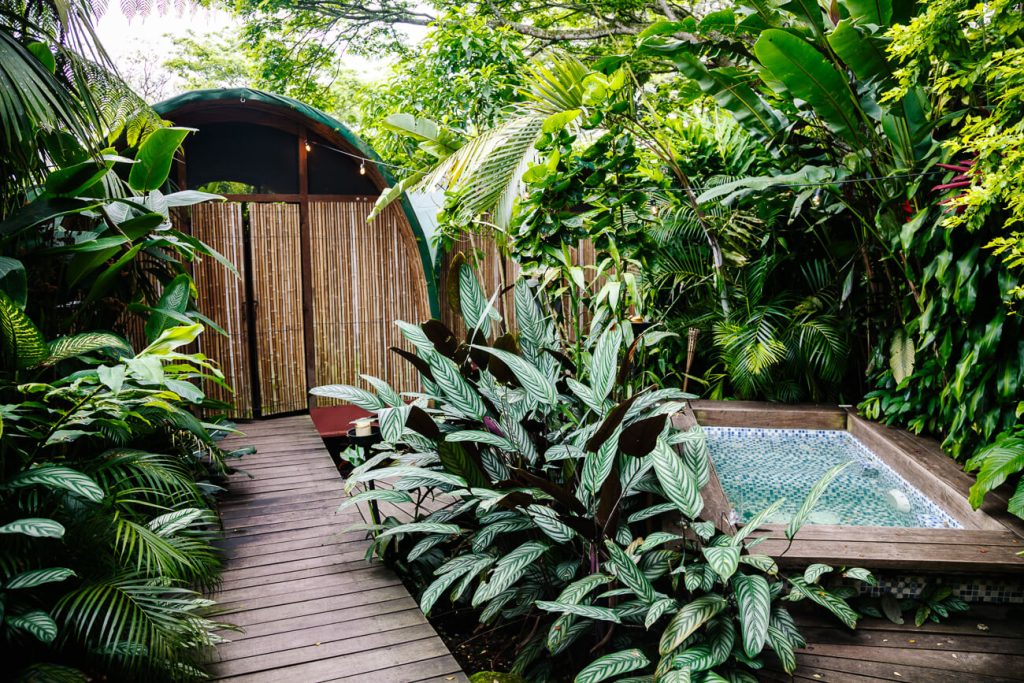
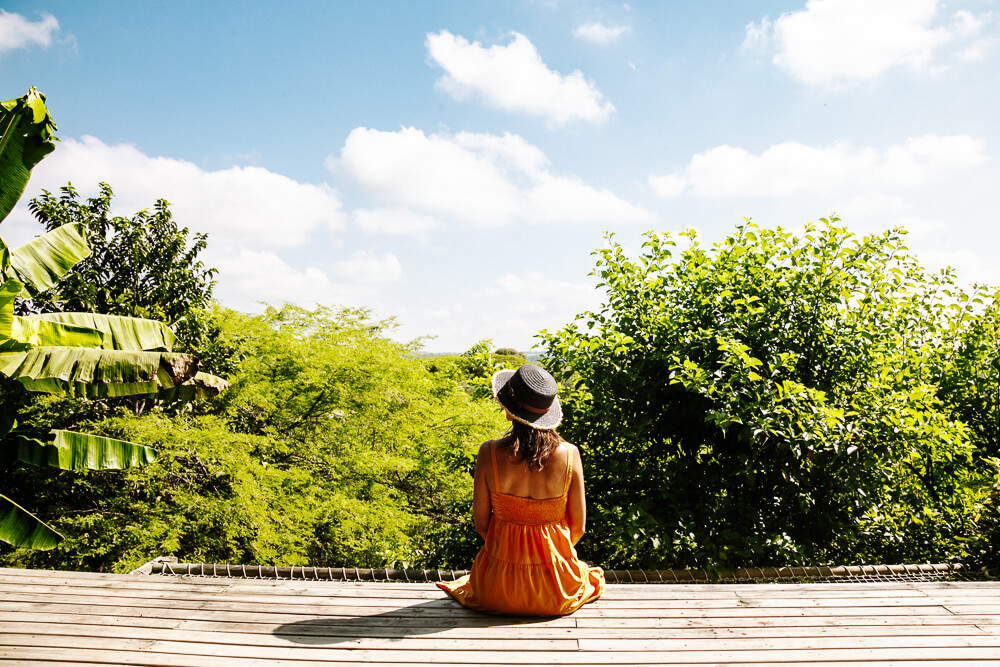
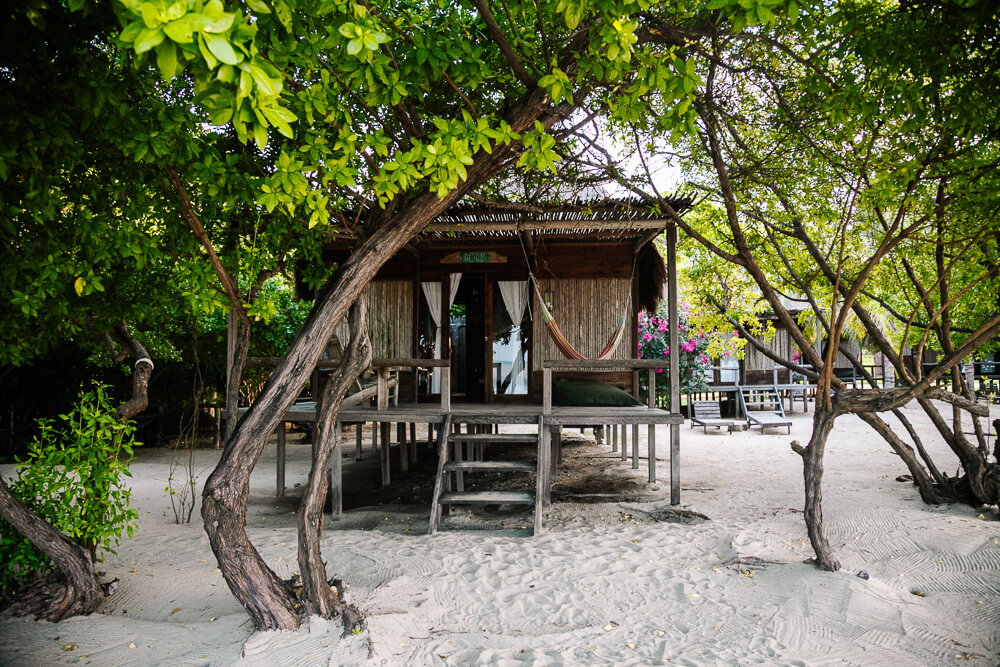
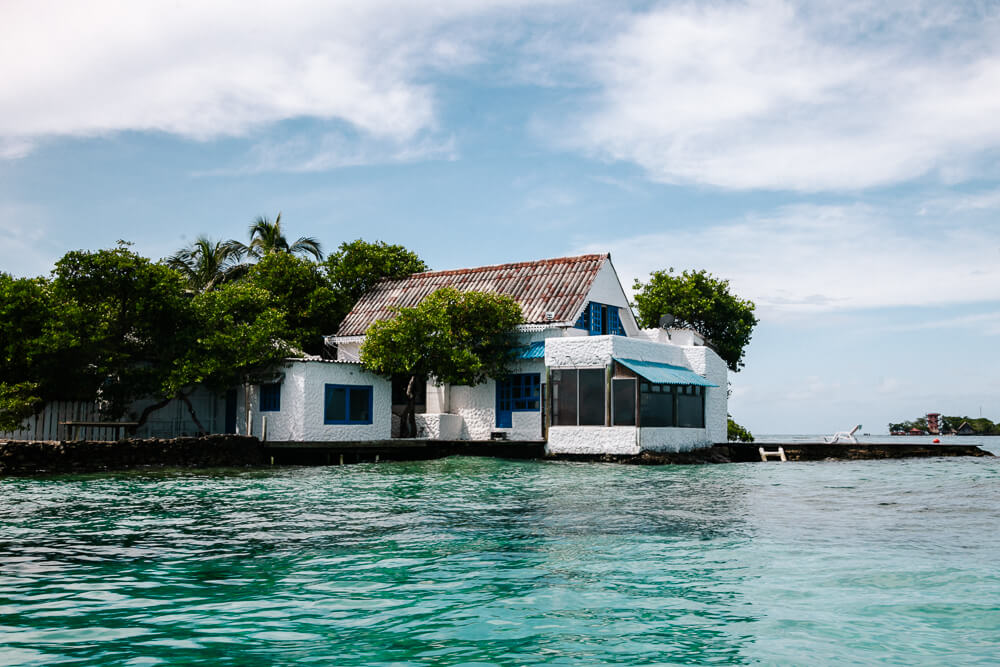
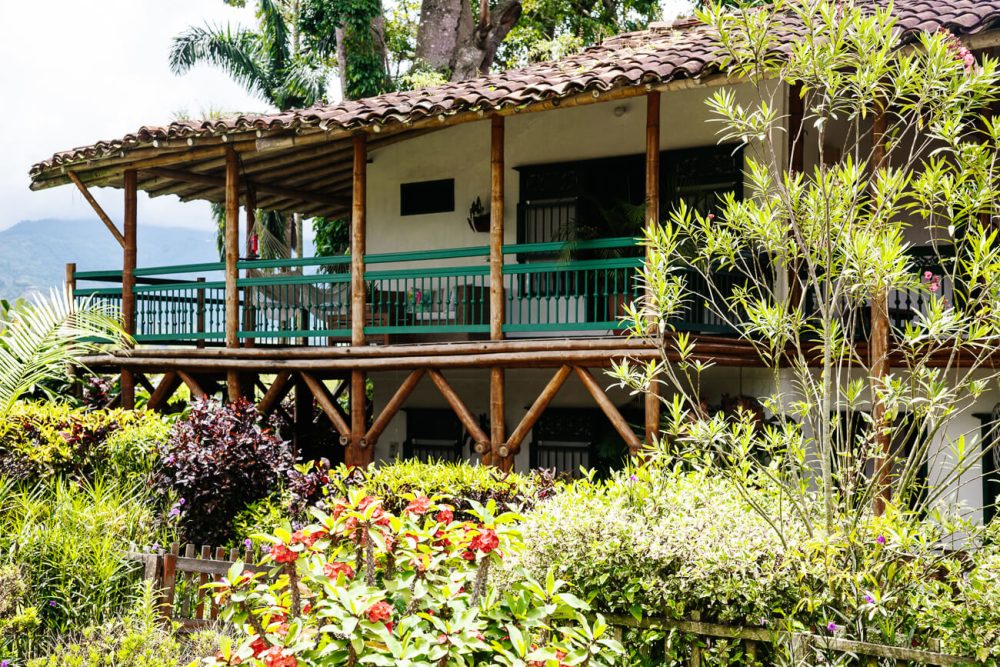
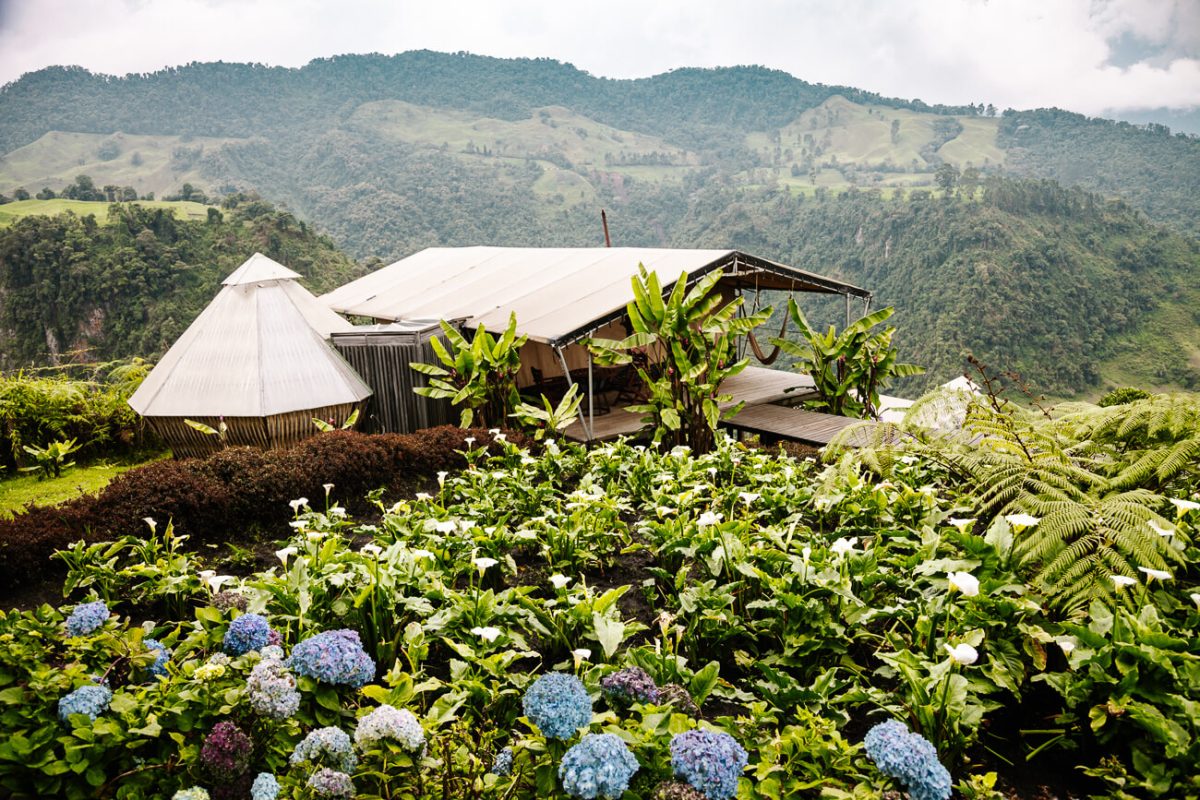
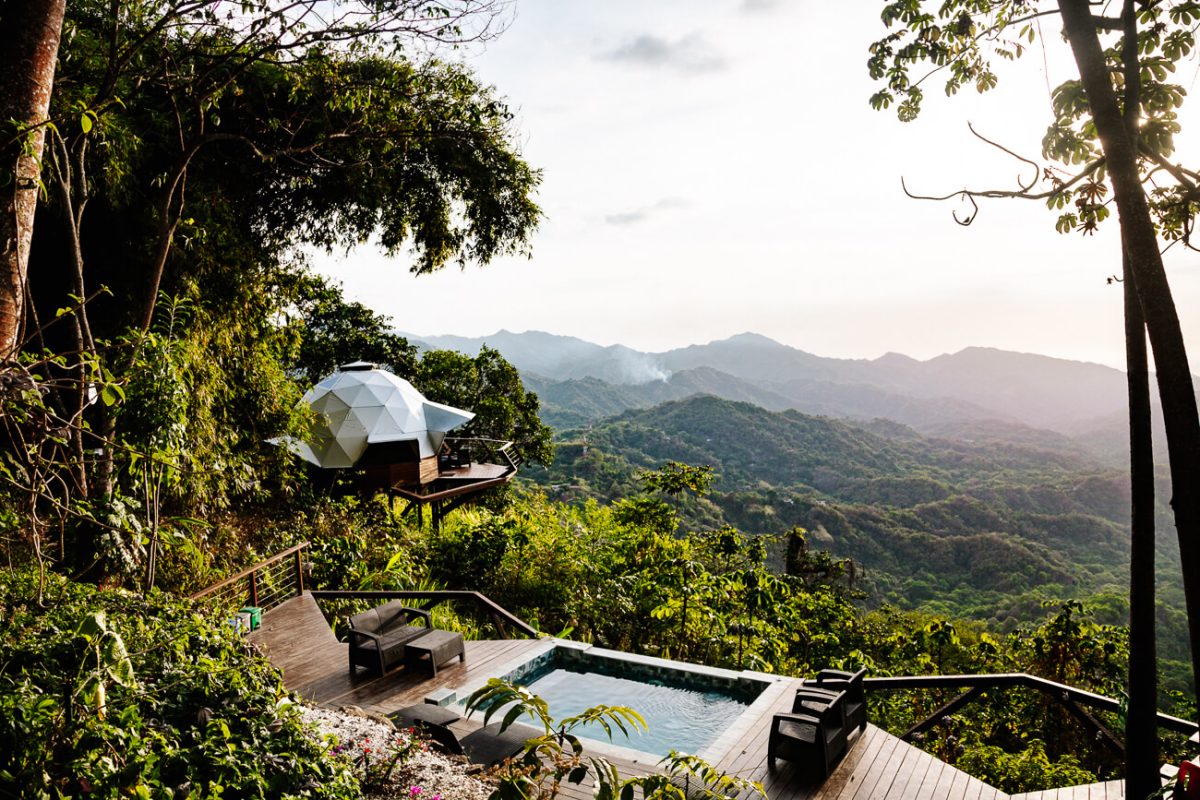
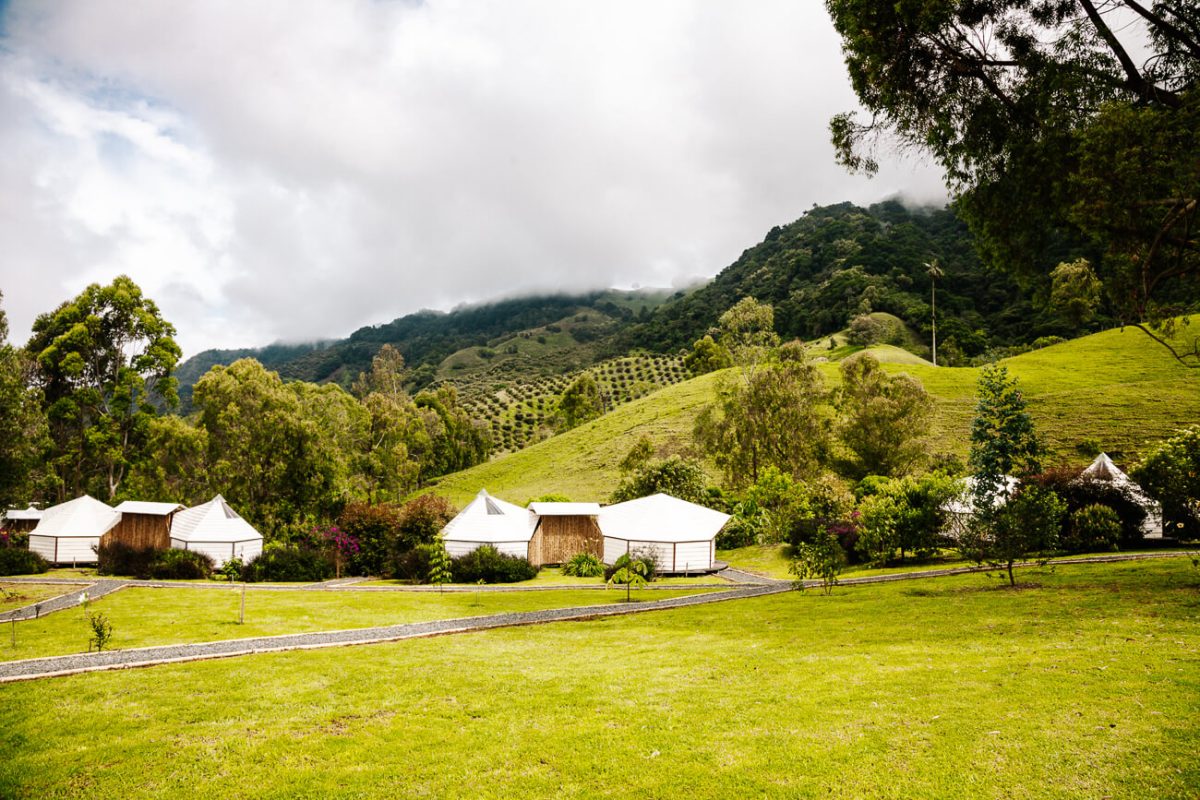
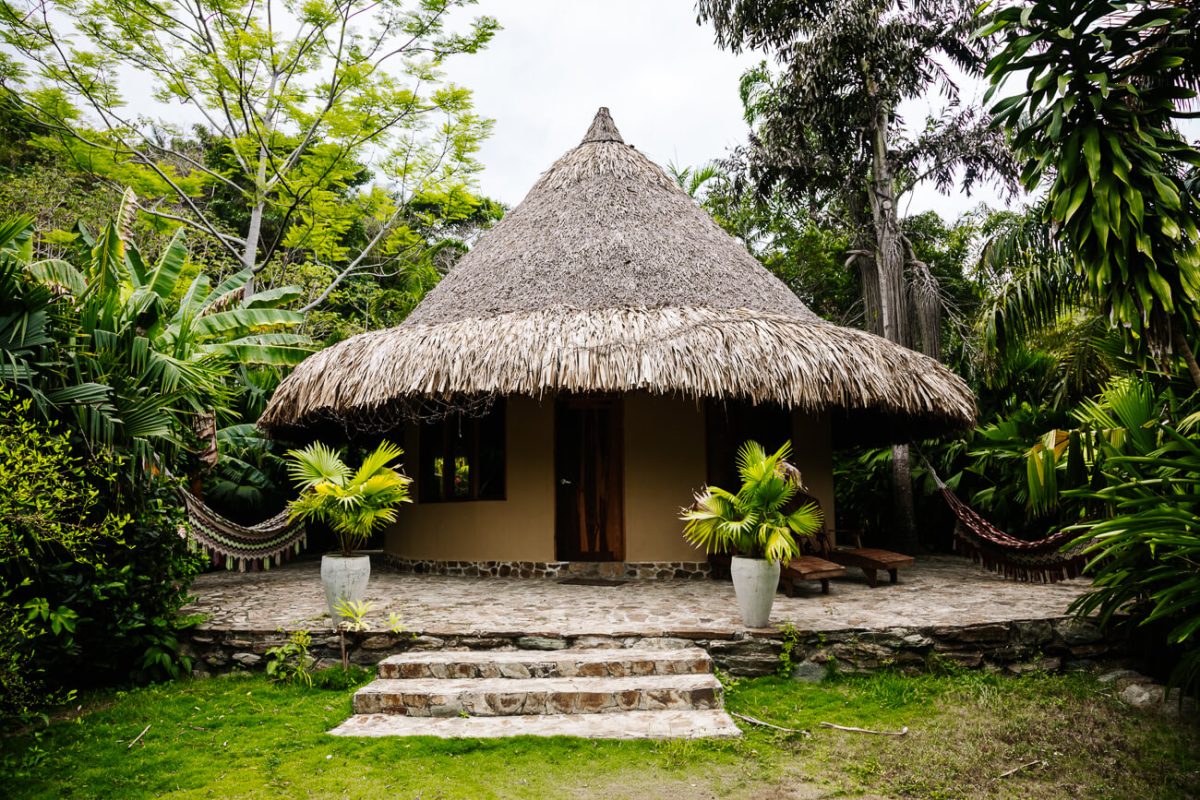
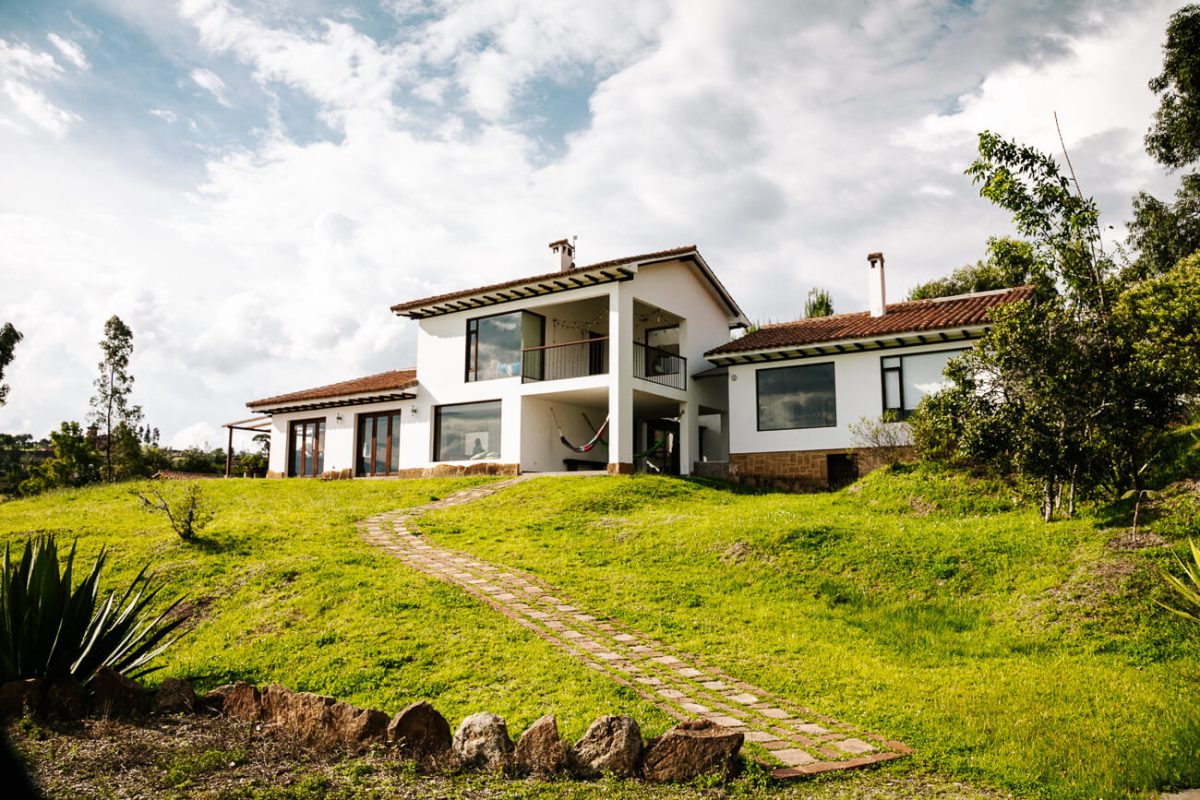
Colombia offers an incredible variety of places to stay, from boutique luxury hotels and eco-lodges to affordable B&Bs and unique stays like treehouses and glamping sites. You can find accommodation starting from around €50 per night, while high-end stays range between €100 and €500. With Colombia’s diverse landscapes, one night you’ll sleep in a colonial city, and the next in the jungle or on a tropical beach. Curious? I’ve visited Colombia dozens of times, both for work and personal trips, and listed some of my favorite places to stay.

Read more: The most beautiful boutique hotels in Colombia

How to get around Colombia 

Colombia is large, so domestic flights are often the fastest and most convenient way to travel long distances. I usually book with Skyscanner. Within cities, apps like InDriver and Cabify are safe and easy to use. For overland travel, Bookaway lets you compare and book buses and shuttles in advance. And if you prefer a smooth arrival, I recommend arranging an airport pickup with Welcome Pick Ups.

Safety in Colombia

A question I get asked a lot: Is Colombia safe to visit? First of all, I always recommend checking the official travel advice issued by your own government before your trip. Different countries often have different assessments of which regions are safe, and which are not. That’s why you’ll see maps showing areas in yellow, orange, or red, colors used to indicate risk levels. It’s important to follow these recommendations and make sure your travel insurance covers Colombia.

In general, Colombia is safe to travel, especially in tourist-friendly areas. Use common sense, avoid remote regions, and listen to local advice. Personally, I’ve visited Colombia more than twenty times and have had nothing but positive experiences.

Read more: Safety tips for traveling in Colombia

Language

Spanish is the official language in Colombia, and not everyone speaks English. Knowing a few basic Spanish phrases can be incredibly helpful during your trip. Consider getting a phrasebook with useful Spanish travel expressions for Colombia before you go.

Electricity

110V, plugs type A/B. Bring a universal adapter, if you need it, especially if you’re traveling from Europe.

Health

Check vaccinations, bring mosquito repellent, and make sure your travel insurance covers adventure activities.

Visa

Most travelers can stay up to 90 days without a visa. Your passport must be valid for at least six months.

Local Currency

Local currency is the Colombian peso (COP). ATMs are widely available in cities but less so in rural areas.

Pro Tip: Bring a A Wise card , multi-currency debit cards that allow payments in different currencies without high conversion fees, using real-time exchange rates for smooth payments worldwide.

Internet & simkaart 

Wi-Fi can be unstable. Buy a local SIM card (Claro or Tigo) or a travel eSIM for instant connection.

Timezone

Colombia is in the GMT-5 time zone and does not observe daylight saving time. This means it’s usually the same time as U.S. Eastern Standard Time in winter, and one hour behind during daylight saving months.

Guide
Receive my FREE South America Travel Guide!
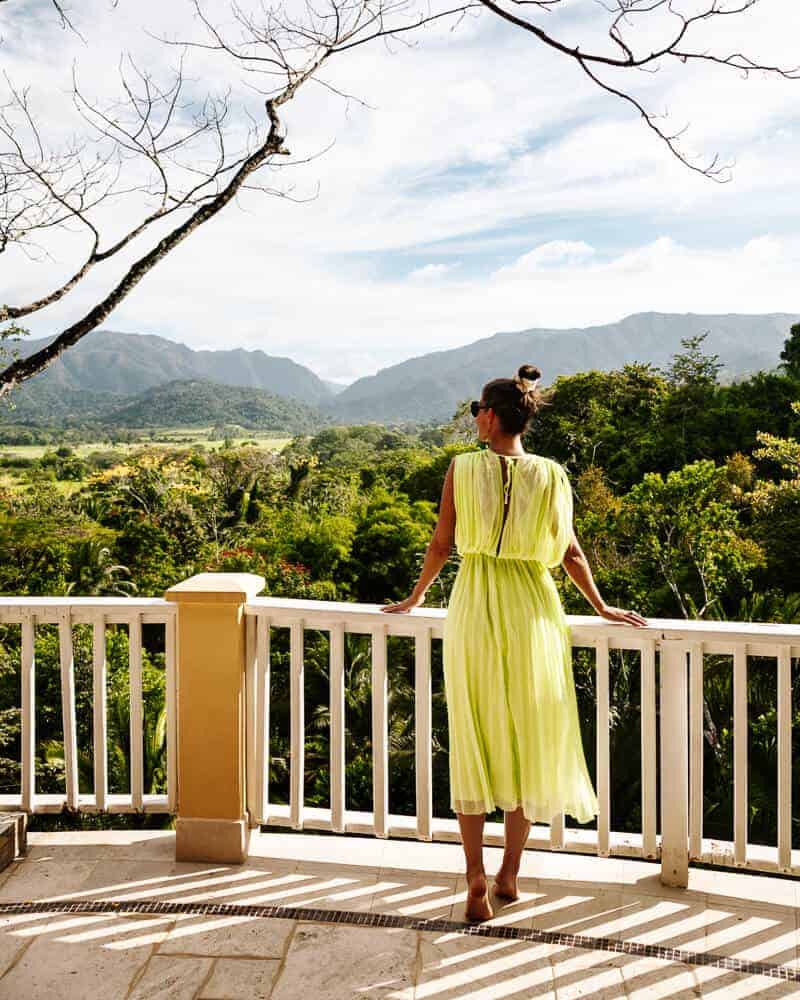
In this guide I help you to discover this amazing continent with many tips and recommendations.
Yes, I want this guide

When is the best time to visit Colombia?

December to March and July to September are the driest months, making them ideal for travel

Do I need a visa for Colombia?

No, depending on your passport, you can travel visa-free for up to 90 days.

Is Colombia safe to travel?

Yes, as long as you take basic precautions and follow advice from locals and embassies. Major tourist areas are considered safe.

Can you drink tap water in Colombia?

In some major cities, yes, but bottled water is still recommended.

What currency is used in Colombia?

The Colombian peso (COP). You can use ATMs, but it is recommended to carry some cash.

What kind of plug do I need?

Plug types A/B, 110V. Bring a universal adapter and possibly a voltage converter.

Do people speak English in Colombia?

Not widely. Knowing some basic Spanish will make a big difference.

What should I pack to Colombia?

Colombia has multiple climate zones, so it’s best to pack in layers. Bring a rain jacket, hiking shoes, swimwear, and something warm for the mountains.

Is tipping common in Colombia?

Yes, a 10% tip is standard in restaurants, sometimes already included. It’s also appreciated to tip guides, drivers, and housekeeping staff.

Are there major holidays to keep in mind?

Yes, like Carnaval (Barranquilla), Semana Santa, and Feria de las Flores (Medellín). These are busy times, so be sure to book ahead.

Is Colombia suitable for solo (female) travelers?

Yes, as long as you use common sense and follow basic safety guidelines.

Are there eco-friendly travel tips for Colombia?

Absolutely: bring a refillable water bottle, support local tours, and eat at small, family-owned restaurants. Avoid single-use plastics and travel as sustainably as possible.

Booking a trip soon? Here are some resources to use:

Frequently Asked Questions

Follow Passport the World on Instagram