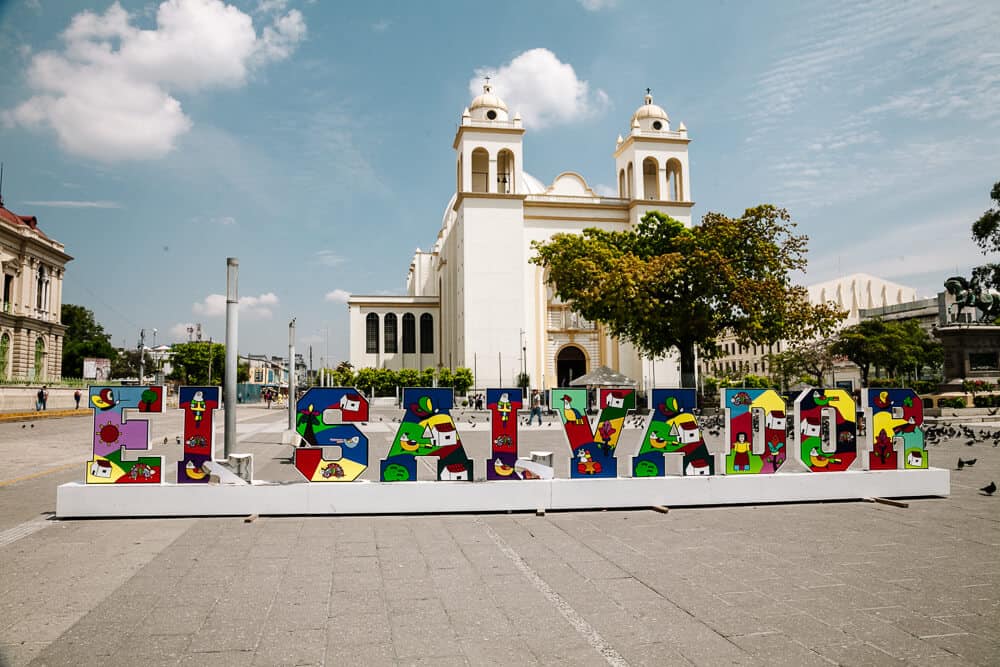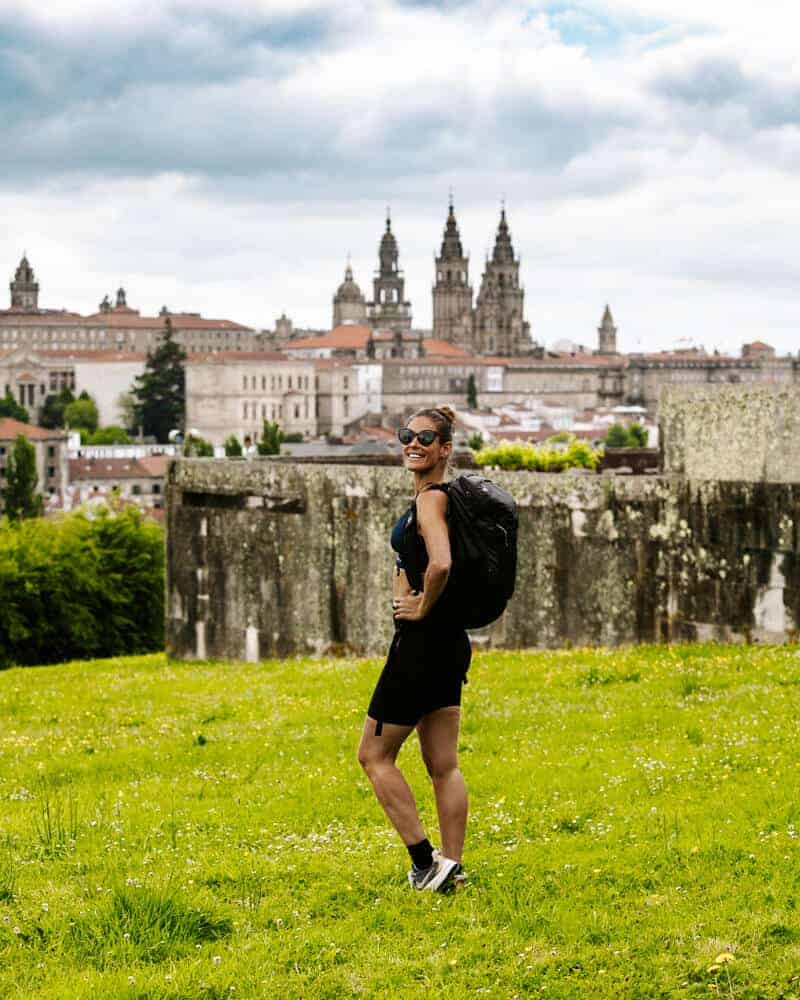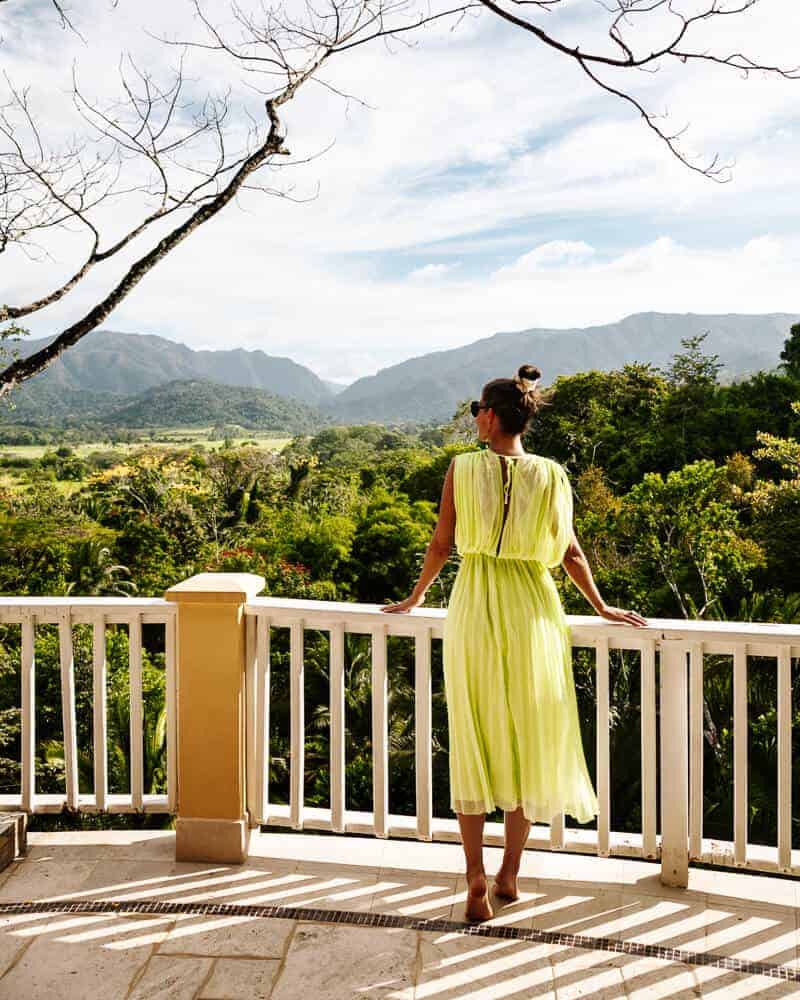


Planning your trip to El Salvador or just starting to explore the idea? In this travel guide, you’ll find everything you need to know about traveling to El Salvador. From practical tips and frequently asked questions to helpful travel advice and a full list of articles on destinations and must-sees across the country. El Salvador is a country I’ve visited countless times, and every time I return, I wonder why more people don’t travel here. Hopefully, these articles will inspire you to add El Salvador to your bucket list and help you make the most of your journey.
El Salvador is in Central America, wedged between Guatemala and Honduras, and bordered by the Pacific Ocean. It’s the smallest country in Central America.
El Salvador has a tropical climate, making it easy to visit year-round. The best time to visit El Salvador is from November to April. This dry season is perfect for beaches and outdoor activities like surfing, hiking, and volcano excursions. From May to October, rain is more frequent, especially in the mountains and inland. Outdoor travel in El Salvador during these months can be a bit more challenging, but the landscapes are lush and beautiful
Read more: Climate and best time to travel to El Salvador
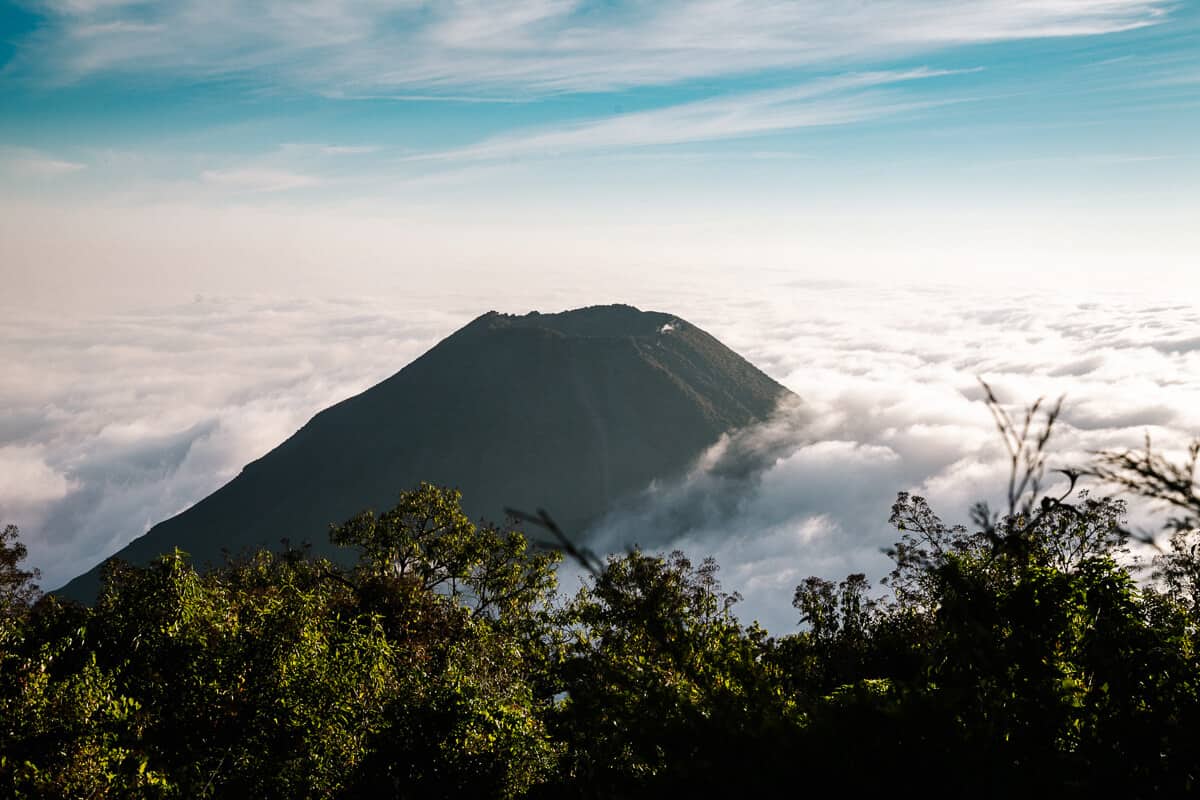
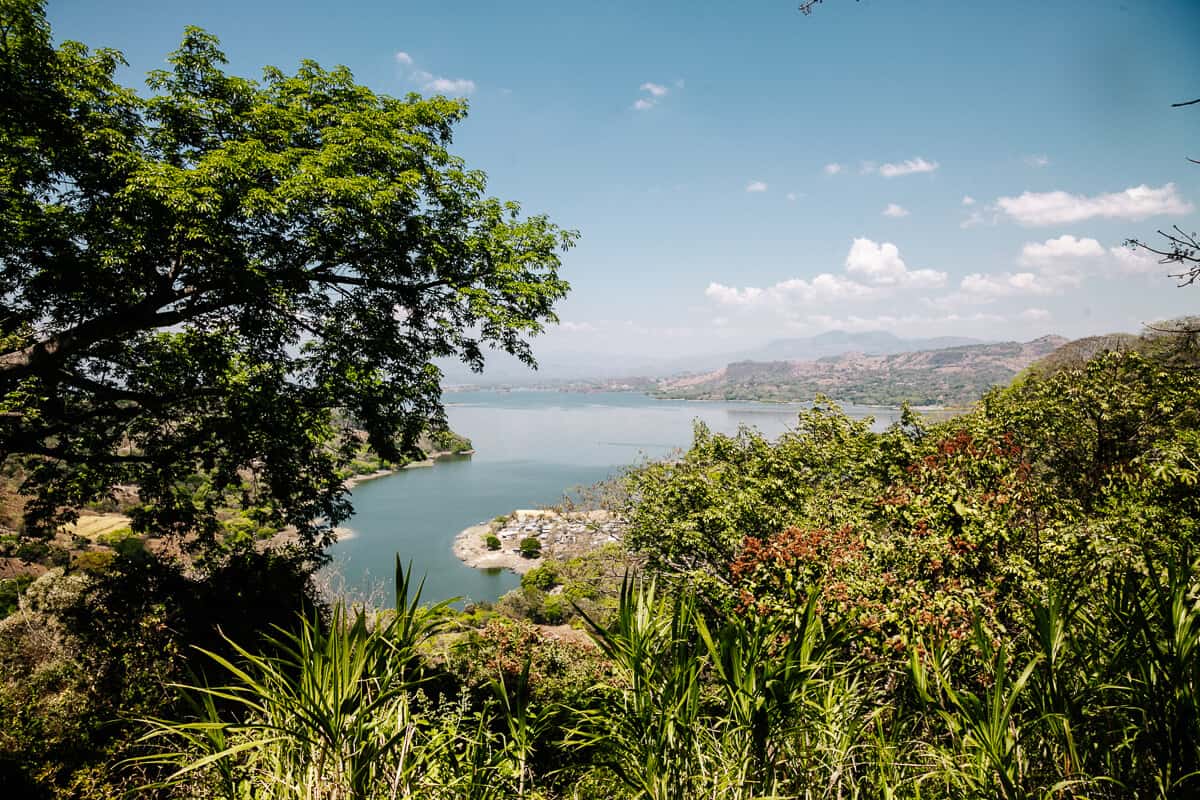
Explore colonial towns like Suchitoto, discover the Ruta de Las Flores, and climb impressive volcanoes such as Santa Ana. Enjoy world-famous surf spots like El Tunco, meet the locals, and uncover hidden waterfalls and colorful markets. You can also visit Maya ruins like Joya de Cerén and Tazumal. In the next article, I’ll share more about things to do in El Salvador, with tips on nature, culture, and authentic experiences across different regions.
Read more: Best things to do in El Salvador | 30 destinations and tips!
For a first visit, I recommend at least 7–10 days. This allows you to explore beaches, villages, nature, and key cultural highlights in El Salvador. With 2–3 weeks, you can also venture into quieter regions and explore more remote nature. El Salvador is easy to combine with neighboring countries like Guatemala, Belize, and Honduras.
El Salvador had a poor safety reputation for years, mainly due to gang violence, but the situation has improved drastically thanks to government measures. Today, El Salvador is safe to visit, as long as you travel wisely, watch your belongings, and avoid dangerous neighborhoods. Tourism is still developing, so travelers often feel extra welcome. Locals are warm, hospitable, and proud to show their country. Stay informed and follow local advice to enjoy your trip worry-free.
Read more: Safety tips for traveling in El Salvador
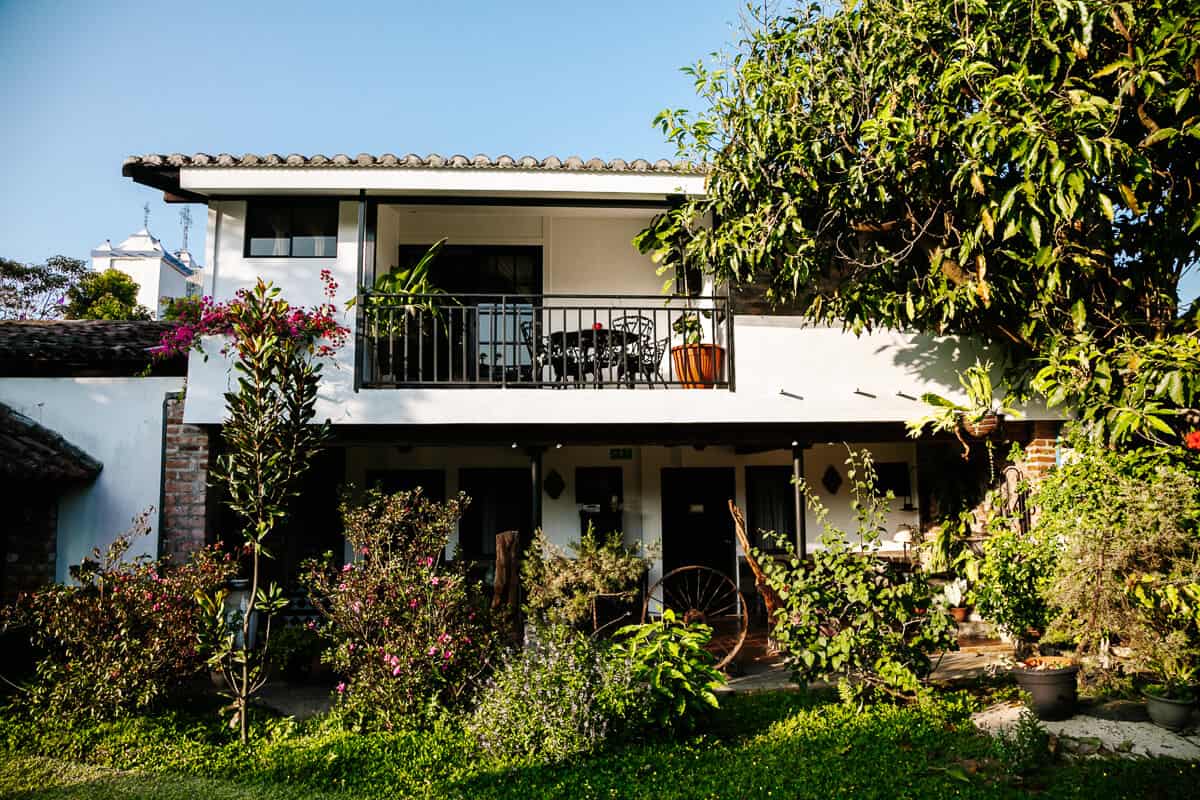
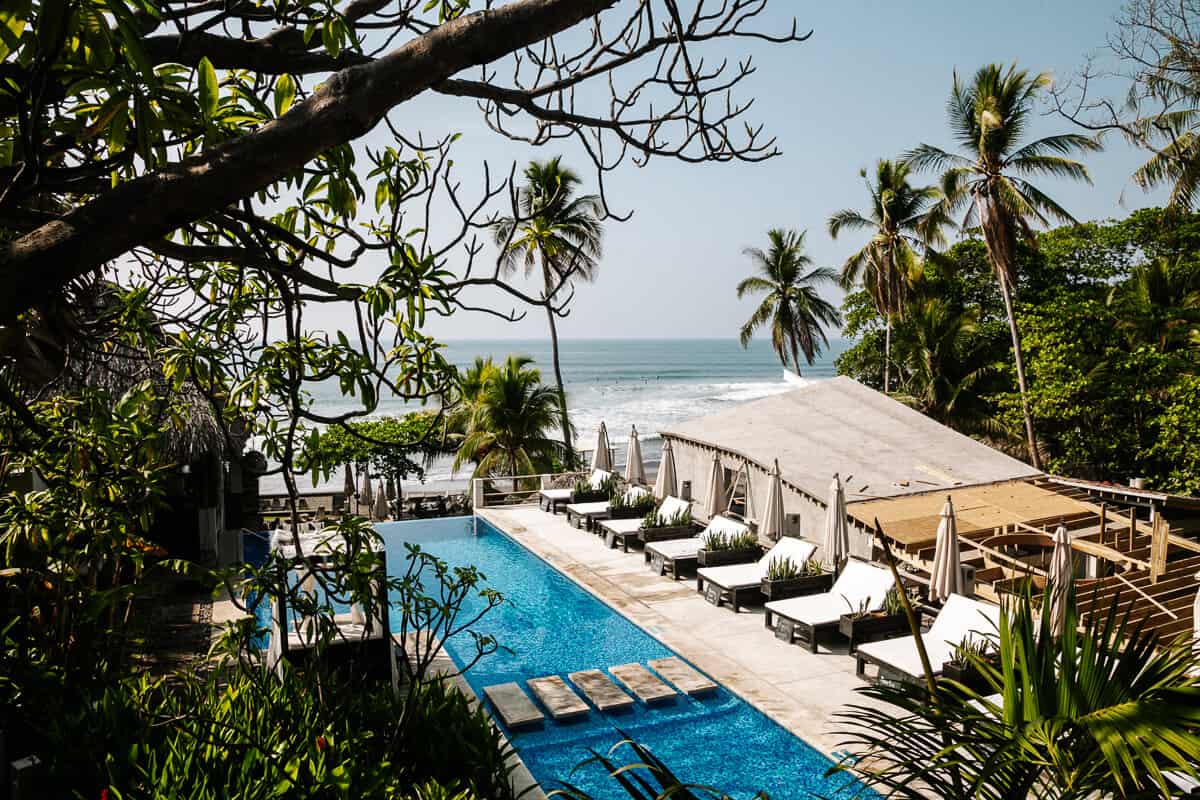
El Salvador has a large amount of beautiful boutique hotels. Interior design, a nice atmosphere, a lovely setting and good service are important topics for me, when choosing a hotel. In addition, I like to support the locals and love a sustainable approach around a hotel. In this article I will tell you more about my favorite places to stay: The best boutique hotels, sorted by city and region in El Salvador.
Read more: Boutique hotels El Salvador | Discover unique places to stay!
As a small country, travel distances are short in El Salvador. From the capital, you can reach the coast, colonial towns, lakes, or national parks within an hour. Bookaway makes it easy to compare and book public transport, shuttles, and private transfers. Renting a car is also a great option. In cities, apps like Uber are safe. I always use Welcome Pick Ups for airport transfers, it’s convenient after a long flight.
Spanish is the official language, and not everyone speaks English. Knowing a few basic Spanish phrases can be very helpful. Consider getting a phrasebook with useful Spanish travel expressions for El Salvador before you go.
El Salvador uses 110V with type A (two flat pins) and type B (two flat pins and a round grounding pin), the same as in the US. Bring a universal adapter, if you need it, especially if you’re traveling from Europe.
Check recommended vaccinations before your trip. Bring insect repellent and ensure you have good travel insurance. World Nomads offers flexible travel insurance covering over 150 activities, including medical emergencies, lost luggage, trip cancellation, and more.
Most travelers can stay up to 90 days without a visa. Your passport must be valid for at least six months.
The official currency is the US dollar (USD). Cash is useful for small purchases, markets, and beachside stalls. Credit cards are accepted in larger hotels and restaurants but not everywhere.
Pro Tip: Bring a A Wise card , multi-currency debit cards that allow payments in different currencies without high conversion fees, using real-time exchange rates for smooth payments worldwide.
Wi-Fi is available in most hotels, cafés, and restaurants, though quality can vary. A local SIM card from Claro or Movistar is cheap and convenient, or use a travel eSIM for El Salvador for instant connectivity.
El Salvador is in the GMT-6 time zone and does not observe daylight saving time. This means it’s typically the same time as U.S. Central Standard Time in winter, and one hour behind during daylight saving months.