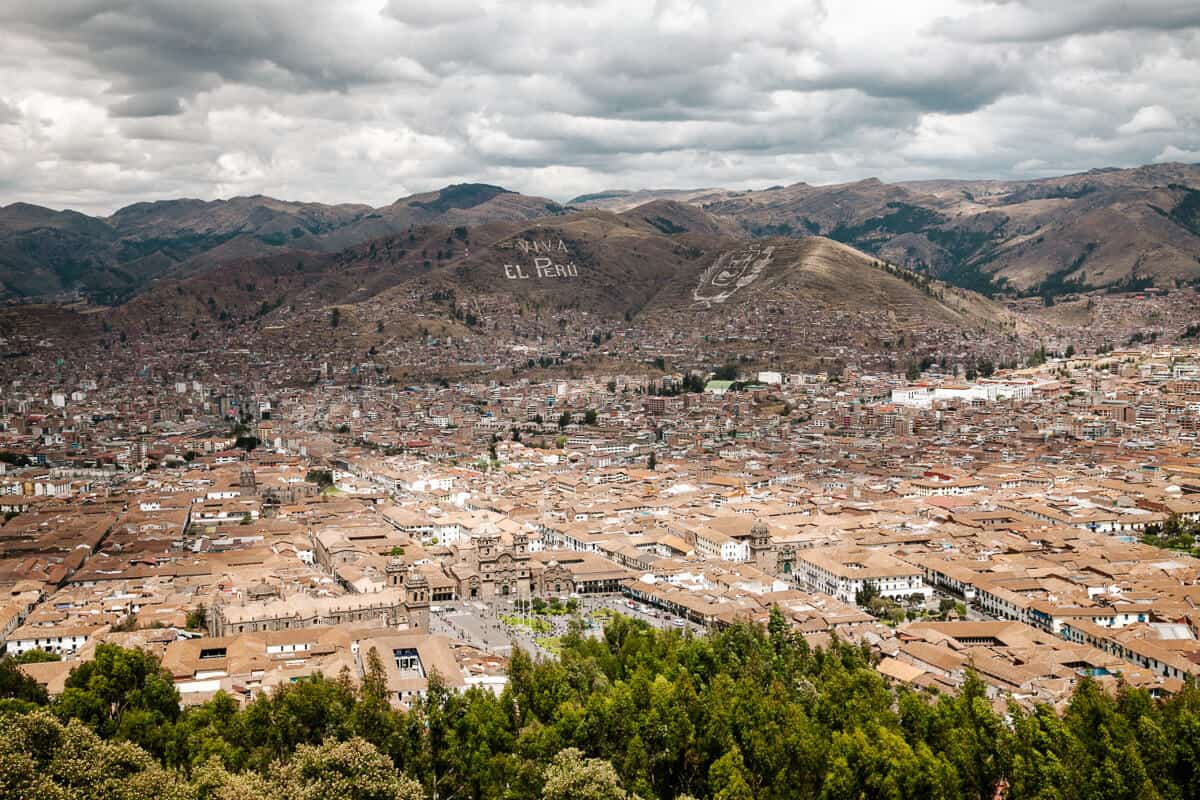
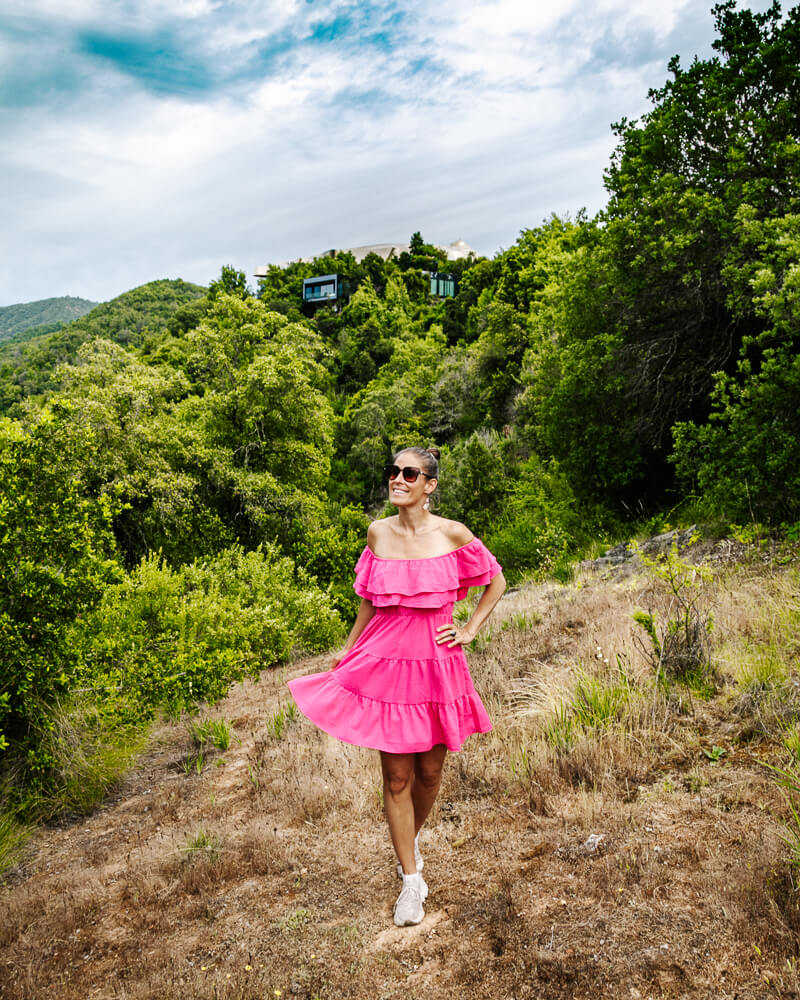
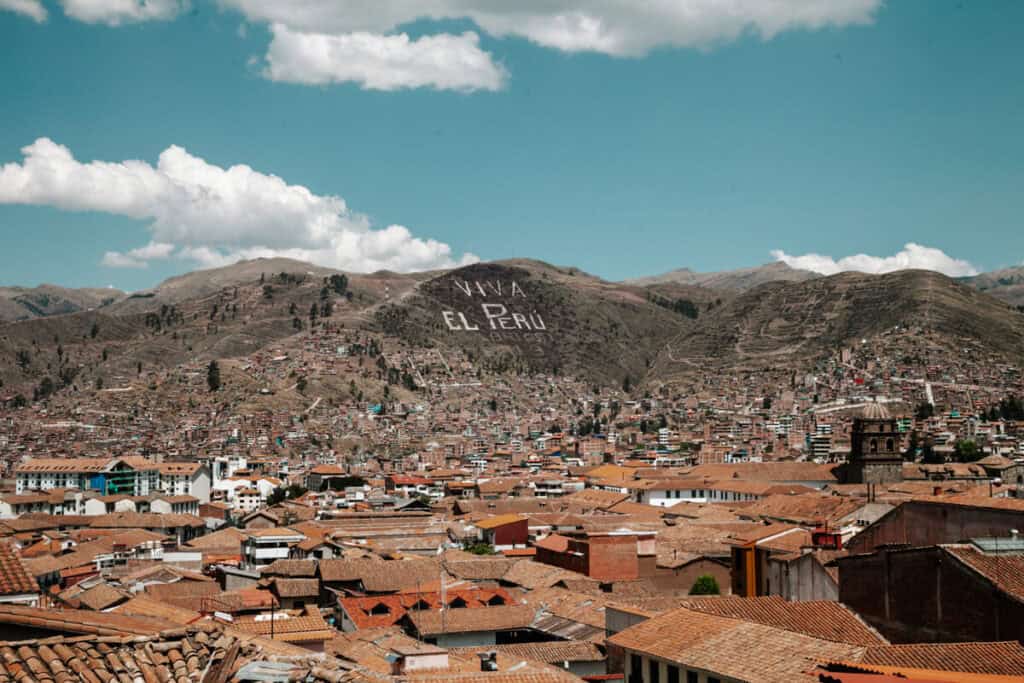
Cusco, Peru, was once the capital of the mighty Inca Empire and is now one of the most visited destinations in South America. It is the perfect base for exploring Machu Picchu, the Sacred Valley of the Incas, and the many multi-day treks in the surrounding area. However, Cusco itself deserves plenty of attention, too. From ancient Inca walls and impressive temples to atmospheric squares, colorful markets, and excellent restaurants, Cusco has countless attractions, with a new story waiting to be discovered around almost every corner. In this traveI guide, I share the best things to do and see in Cusco Peru, places to visit, my personal favorites, and practical tips to help you make the most of your stay.

Cusco is located in southeastern Peru, high in the Andes at an altitude of approximately 11,150 feet (3,400 meters). The city is surrounded by impressive mountain landscapes and is the cultural heart of the region. Thanks to its location, Cusco is the perfect base for exploring the highlights of the surrounding area, including the Sacred Valley, Machu Picchu, Rainbow Mountain, and several spectacular hiking trails through the Andes.
Cusco was once the political, religious, and cultural center of the Inca Empire. According to legend, the city was developed in the 15th century under the Inca ruler Pachacuti and was designed in the shape of a puma, a sacred animal in Inca culture. From Cusco, the Incas governed a vast empire that stretched across large parts of what is now Peru, Ecuador, Bolivia, Chile, and Argentina.
After the Spanish arrived in the 16th century, Cusco was conquered and its cityscape changed dramatically. Spanish churches and colonial buildings were constructed on top of the original Inca structures. Today, you can still see a unique combination of perfectly carved Inca walls and colonial architecture. It is precisely this blend that makes Cusco one of the most remarkable historic cities in South America.
As a television producer and tour leader, I have visited Cusco more than 25 times, and I can honestly say that I feel quite at home here. The combination of history, culture, and welcoming atmosphere is what makes the city so special to me. Cusco has countless attractions and things to do, and you can easily spend several days exploring and discovering more about the fascinating Inca Empire. I recommend setting aside at least two to three days to explore Cusco itself before continuing to the Sacred Valley or Machu Picchu. Enjoy my tips for discovering Cusco.
Cusco is easy to explore on your own, but with a good guide, you often discover stories and hidden places you might otherwise miss. Behind the ancient Inca walls, colonial churches, and atmospheric squares lies a fascinating history. Especially during your first few days in the city, a guided tour is a great way to get to know Cusco while also allowing yourself time to adjust to the altitude.
One of my favorite ways to discover the city is by bike. During a bike tour of Cusco with BajaBikes, you combine the main highlights and things to do, with viewpoints outside the busy city center. You cycle past well-known sights, local neighborhoods, and less touristy parts of the city, giving you a different perspective on Cusco than you would get by exploring on foot alone.
Looking for a more more leisurely introduction to the city? Then a walking tour with a local guide is a great option. You will visit the main attractions, including Plaza de Armas, the Inca walls, and the colonial streets, while learning more about the history and culture of Cusco along the way. Another option is an open-top bus tour, which gives you a good overview of the city and its surrounding viewpoints in a short amount of time. This is particularly useful if you have limited time or want to take it easy on your first day.
My recommendation: consider booking a tour at the beginning of your stay in Cusco. Not only will you gain more background information about the places you visit, but you will also discover which spots you might want to return to on your own later in your stay.
Plaza de Armas is the main square of Cusco and one of the city’s most important attractions and things to do. This historic heart of the former Inca capital is surrounded by colonial buildings, churches, and arcades built on the foundations of ancient Inca palaces. The square is home to, among other landmarks, Cusco Cathedral and the Iglesia de la Compañía de Jesús, both of which offer a good impression of the Spanish influences on the city.

During the day, it is a lively place where locals and travelers come together, while in the evening the square is beautifully illuminated. Be sure to find a seat on one of the many small balconies at the cafés surrounding the square and enjoy a drink or a bite to eat. Thanks to its central location, Plaza de Armas is also the perfect starting point for discovering other attractions and things to do in Cusco.
Plaza Nazarenas is one of my favorite squares in Cusco. It is tucked away in the historic center, making it considerably quieter than the larger Plaza de Armas. Around the square, you will find beautiful colonial buildings, a number of shops, the Museo de Arte Precolombino, and the lovely Inkaterra La Casona, a boutique hotel housed in a restored 16th-century colonial mansion, which I will tell you more about later.
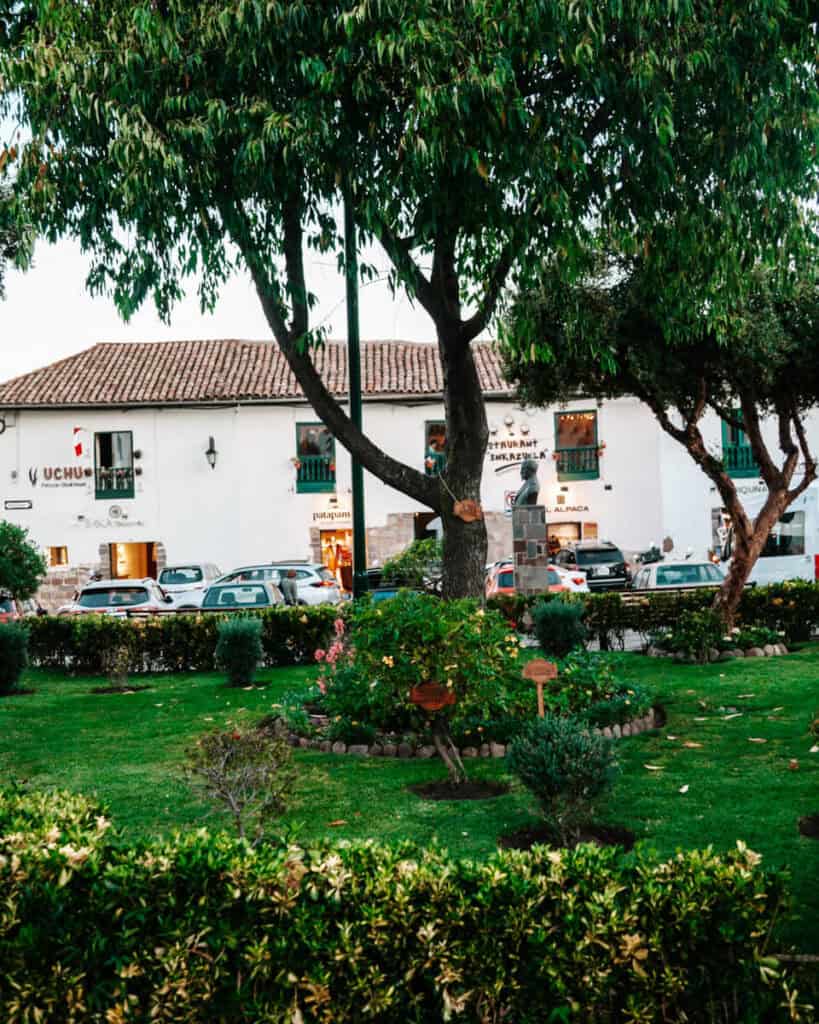

You will also regularly see women dressed in traditional clothing with alpacas and llamas, and sometimes there are small local market stalls. The combination of old Inca walls, colonial architecture, and green trees gives the square a special atmosphere and makes it a place I love returning to.
Qorikancha, also known as the Temple of the Sun, is one of the most impressive Inca sites in the center of Cusco. It was once the most important temple in the Inca Empire, dedicated entirely to the sun god Inti, and its walls were covered in solid gold. Today, you can still admire the exact location of the original Inca structure, intertwined with the colonial buildings the Spanish constructed on top of it.
Qorikancha is now a museum where you can learn more about religious rituals, the temple’s golden heritage, and its history. But even if you don’t feel like going inside, the exterior is impressive enough on its own. The precisely constructed stonework, with enormous stones fitting together perfectly without the use of mortar, is incredible to see. Qorikancha is just a few minutes’ walk from Plaza de Armas.
You can also visit Qorikancha as part of a Cusco guided tour, which takes you to several archaeological things to do and ruins in the surrounding area. It is a fascinating option if you want to dive deeper into Inca history.
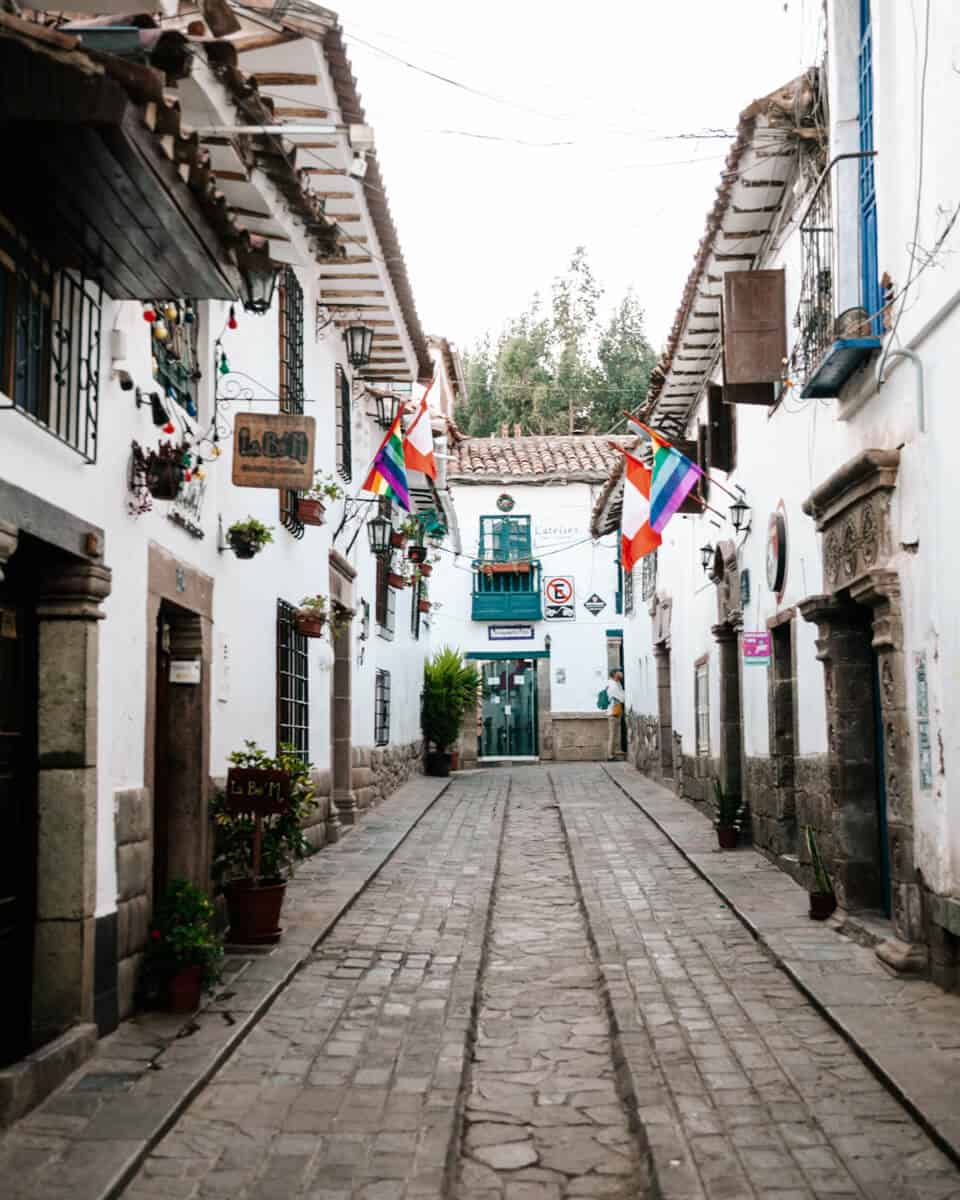
My favorite neighborhood in Cusco is undoubtedly San Blas, a place I love wandering through on every visit. The neighborhood is located just above the historic center and is known for its narrow, sometimes steep streets, old Inca walls, and colorful colonial houses. But San Blas is especially popular for its creative atmosphere. You will find plenty of small studios, art galleries, boutiques, jewelry shops, and cafés housed in characterful buildings with beautiful courtyards.
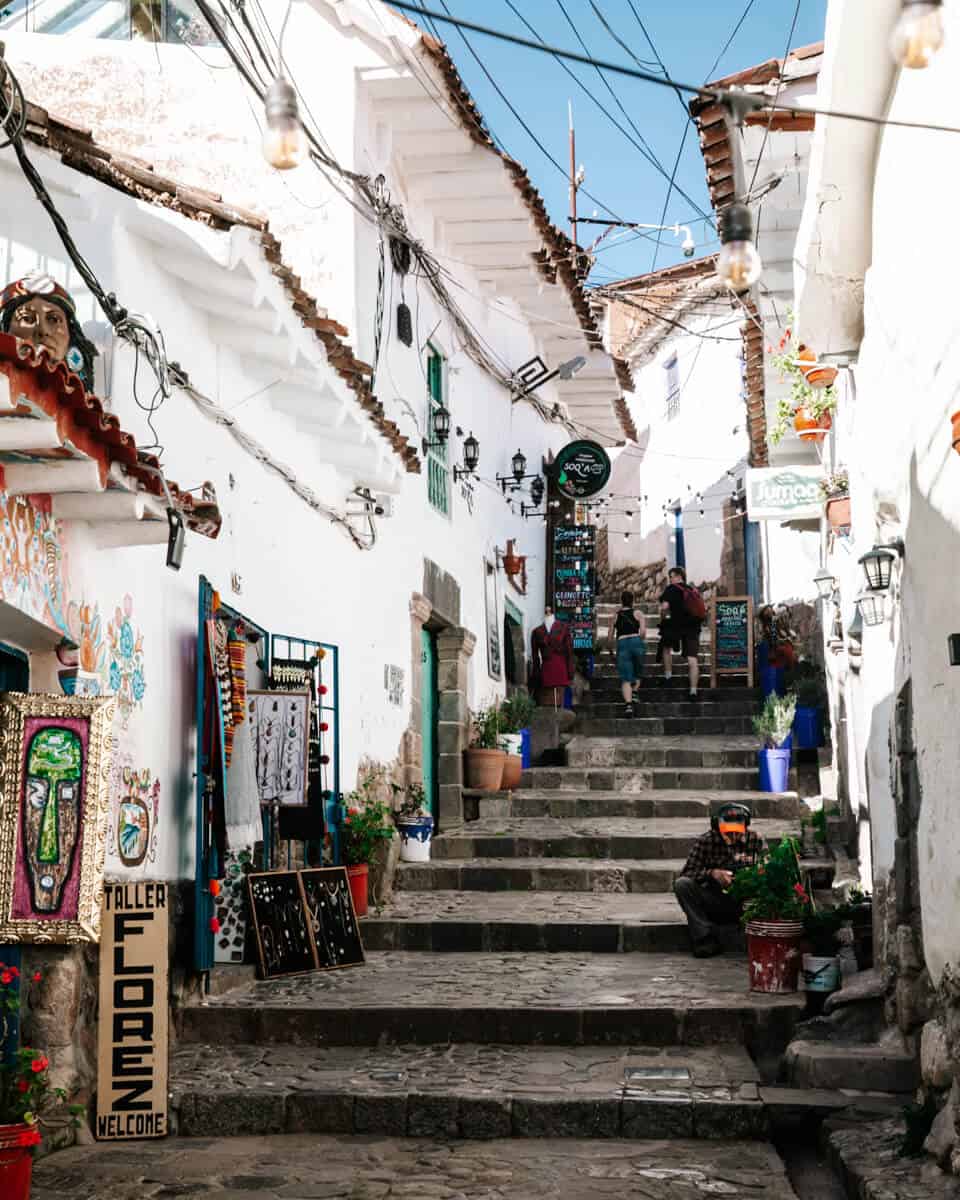
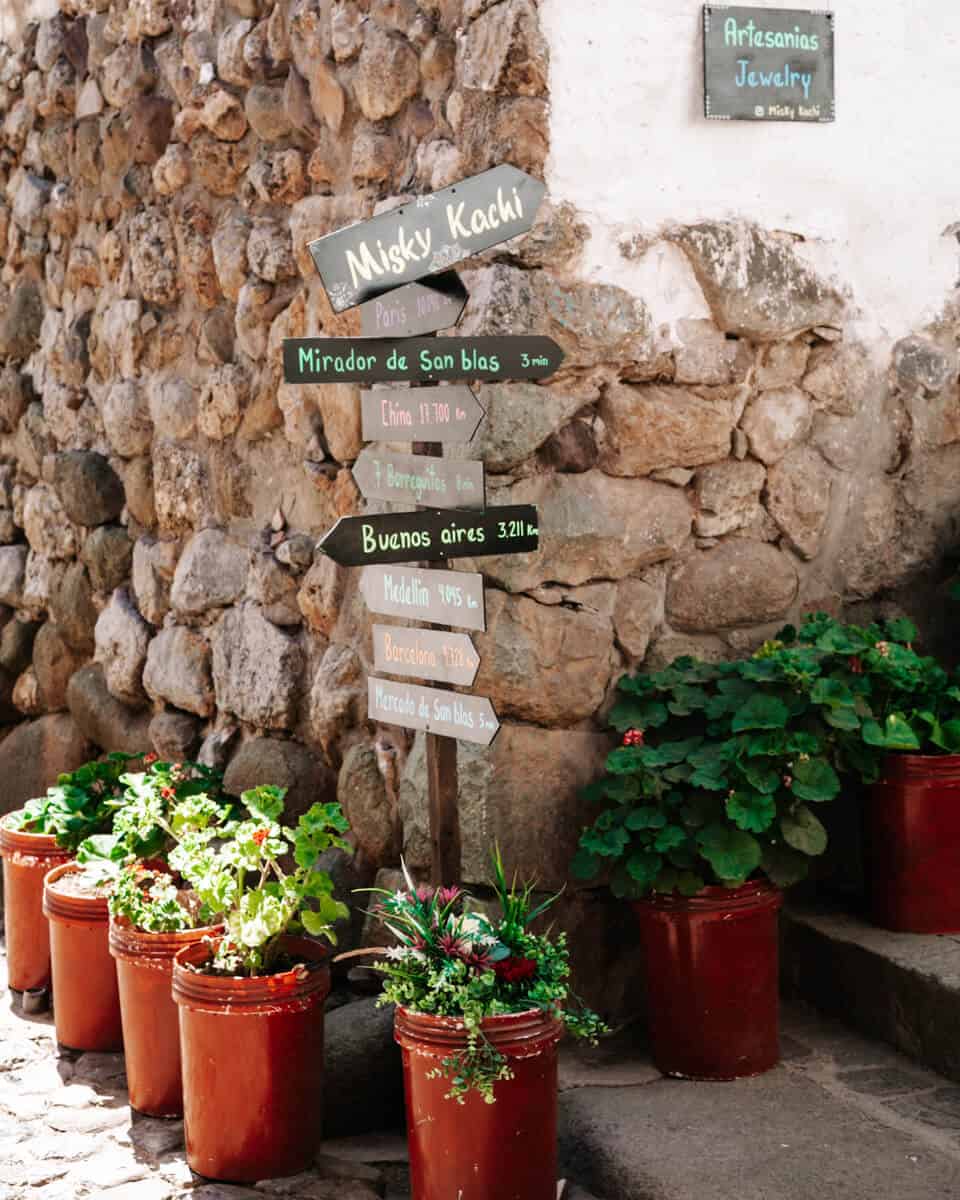
The heart of the neighborhood is Plaza San Blas, a small square with the Iglesia de San Blas and a fountain in the center. From here, several streets lead uphill into the neighborhood, toward Calle Tandapata. San Blas is also a lovely place to escape the busy city center for a while. I would definitely set aside some time to explore the area. Don’t just walk to the square; take the time to wander through the surrounding streets as well.
One of my favorite things to do in Cusco, and a place I return to during every visit, is the Museo de Arte Precolombino Larco, the smaller sister museum of the similarly named museum in Lima Peru. I have truly fallen in love with this place.

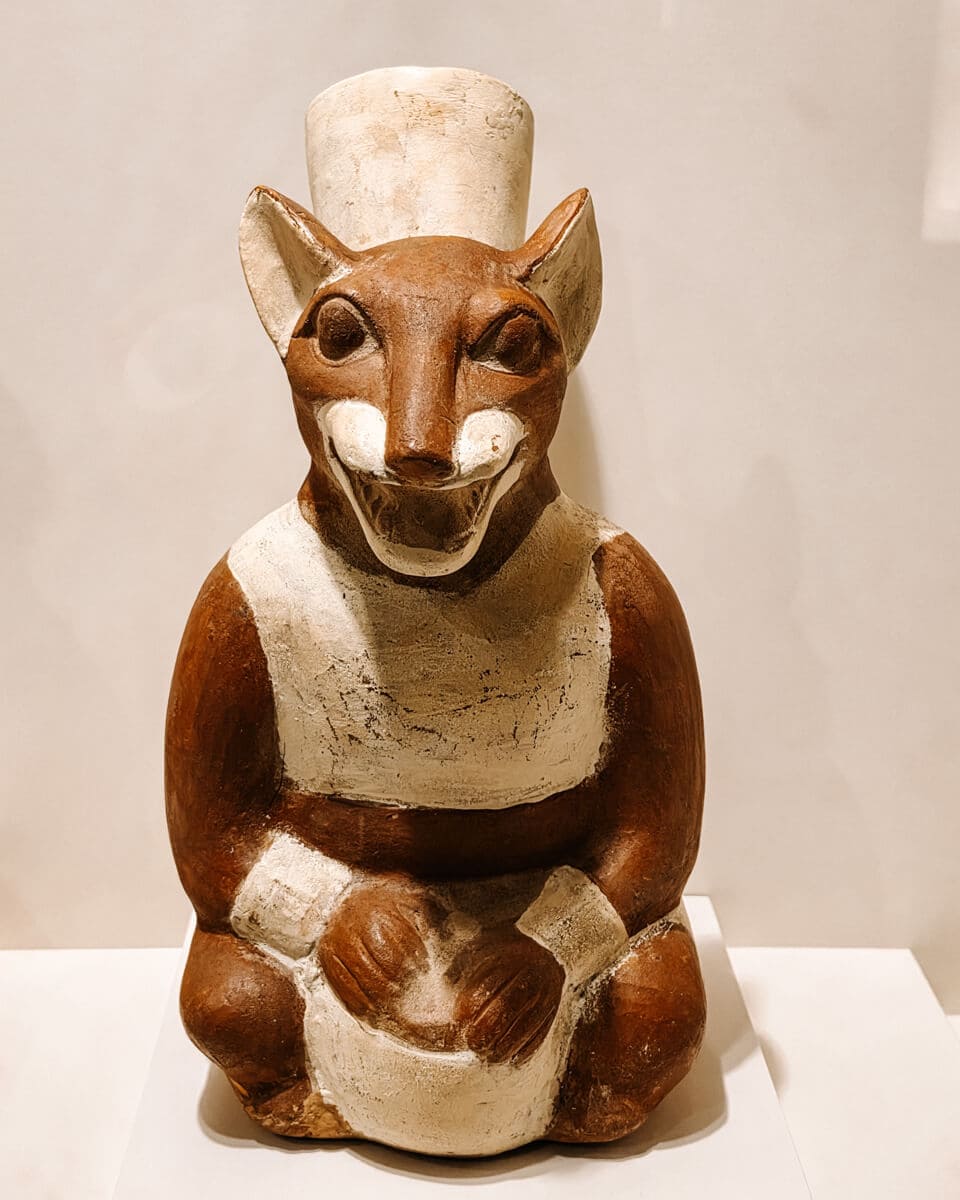
The small museum, housed in a colonial building, offers an impressive collection of artifacts, ranging from ceramics and textiles to gold and silver jewelry. It takes you through the rich history of the Incas and pre-Columbian cultures in an accessible and engaging way. The museum is spaciously laid out, allowing you to take your time walking around and admiring the collection.
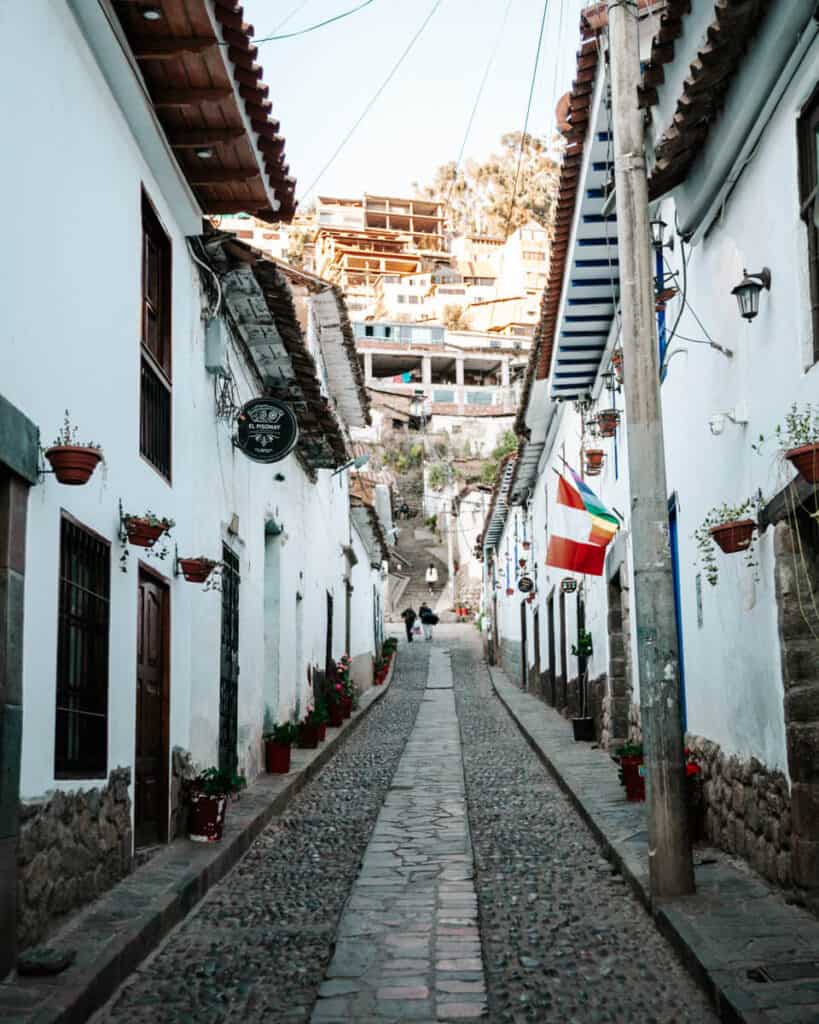
One of the best-known streets in San Blas neighbourhood is Calle 7 Borreguitos. This narrow, whitewashed street climbs steeply uphill and is especially recognizable for its distinctive blue steps and old stone walls. It is no longer a hidden gem, and these days it is busy with visitors wanting to take pictures at almost any time of day. Still, it is worth walking through and continuing farther into the neighborhood from here. In the surrounding streets, you will find small shops, cafés, and studios, while the higher parts of the neighborhood offer beautiful views over Cusco’s rooftops.
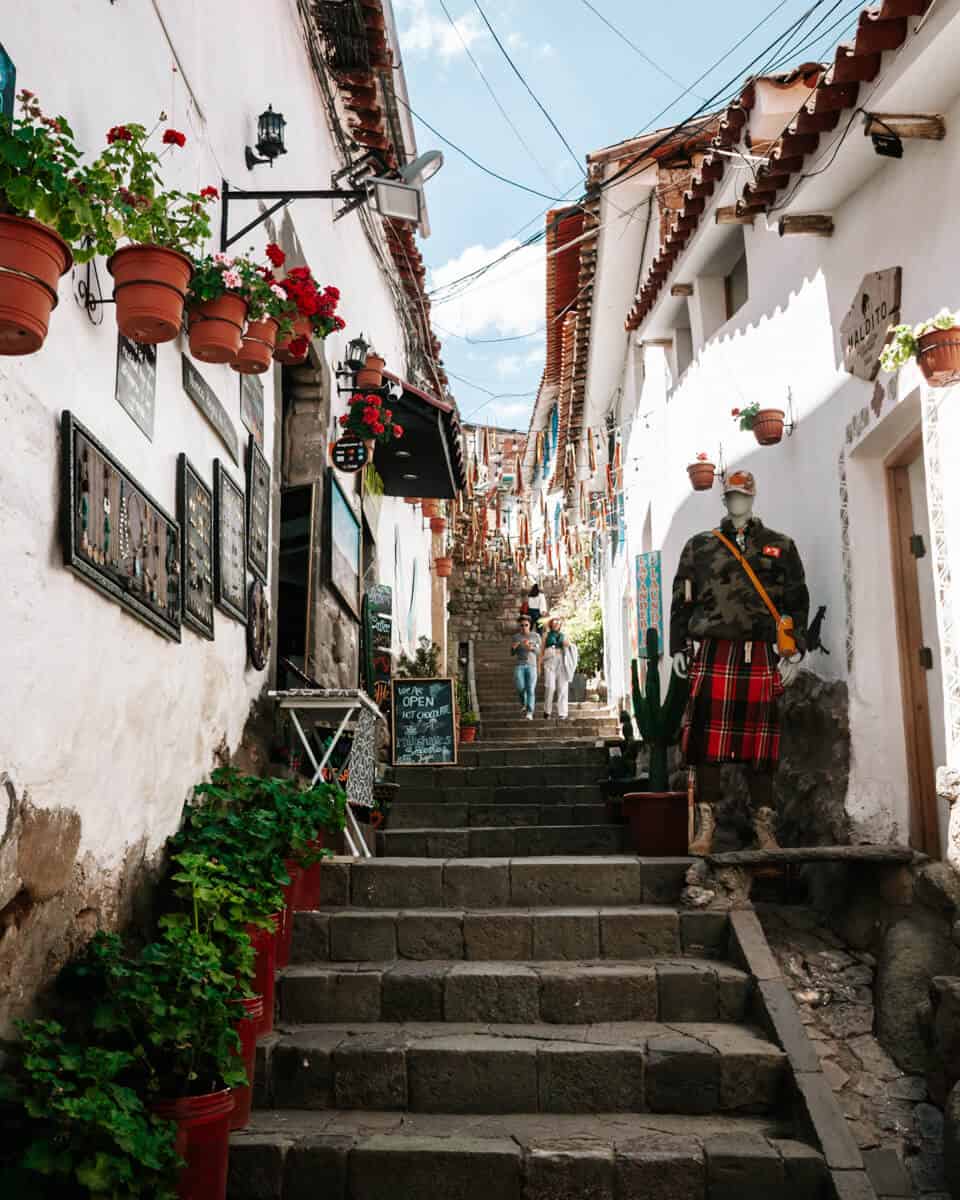
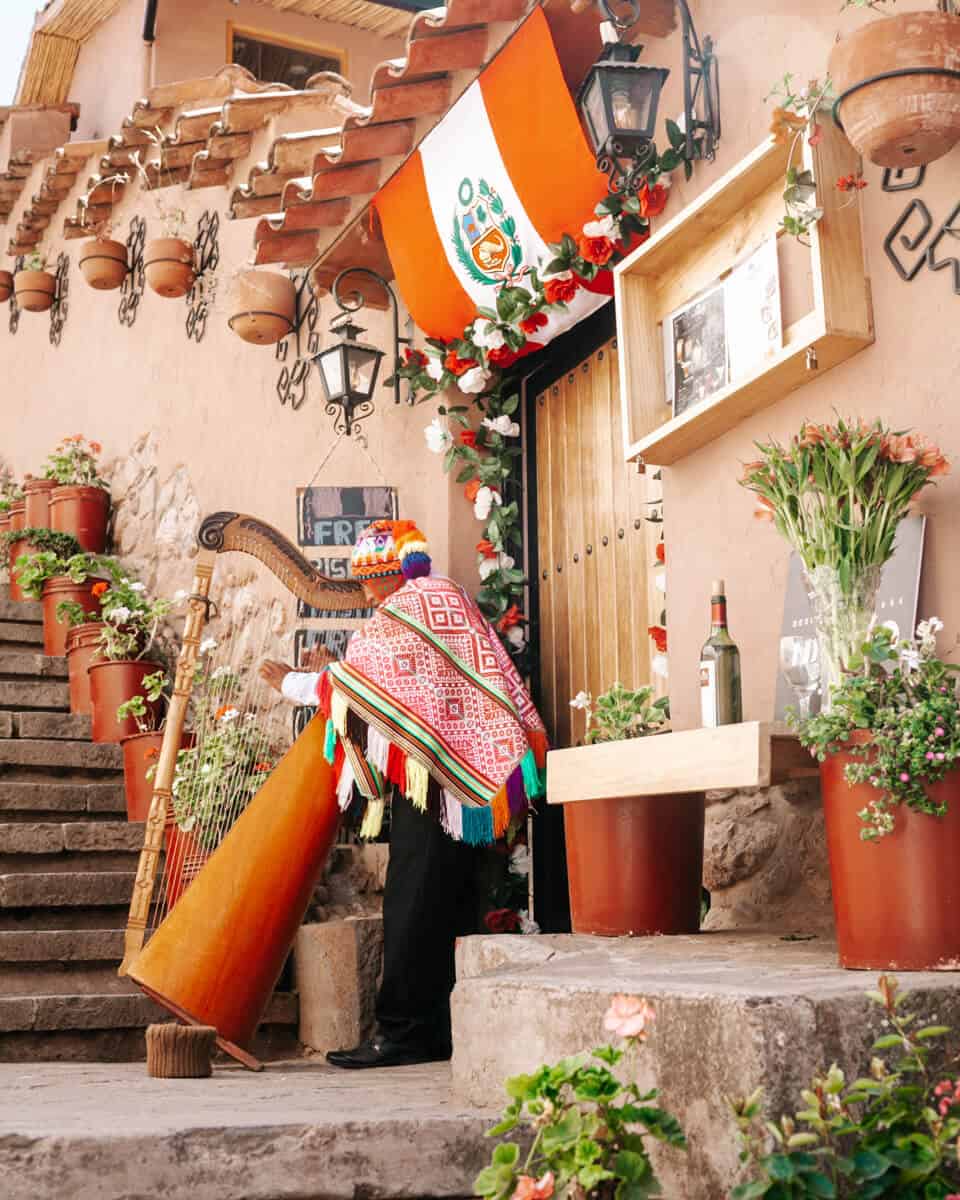
Tip: From Calle 7 Borreguitos, continue a little farther to the Acueducto de Sapantiana. This historic aqueduct is located on the edge of San Blas and was built to channel water down from the higher parts of the city. It consists of several stone arches and is a beautiful example of how the Spanish built upon the existing Inca water system after the conquest.
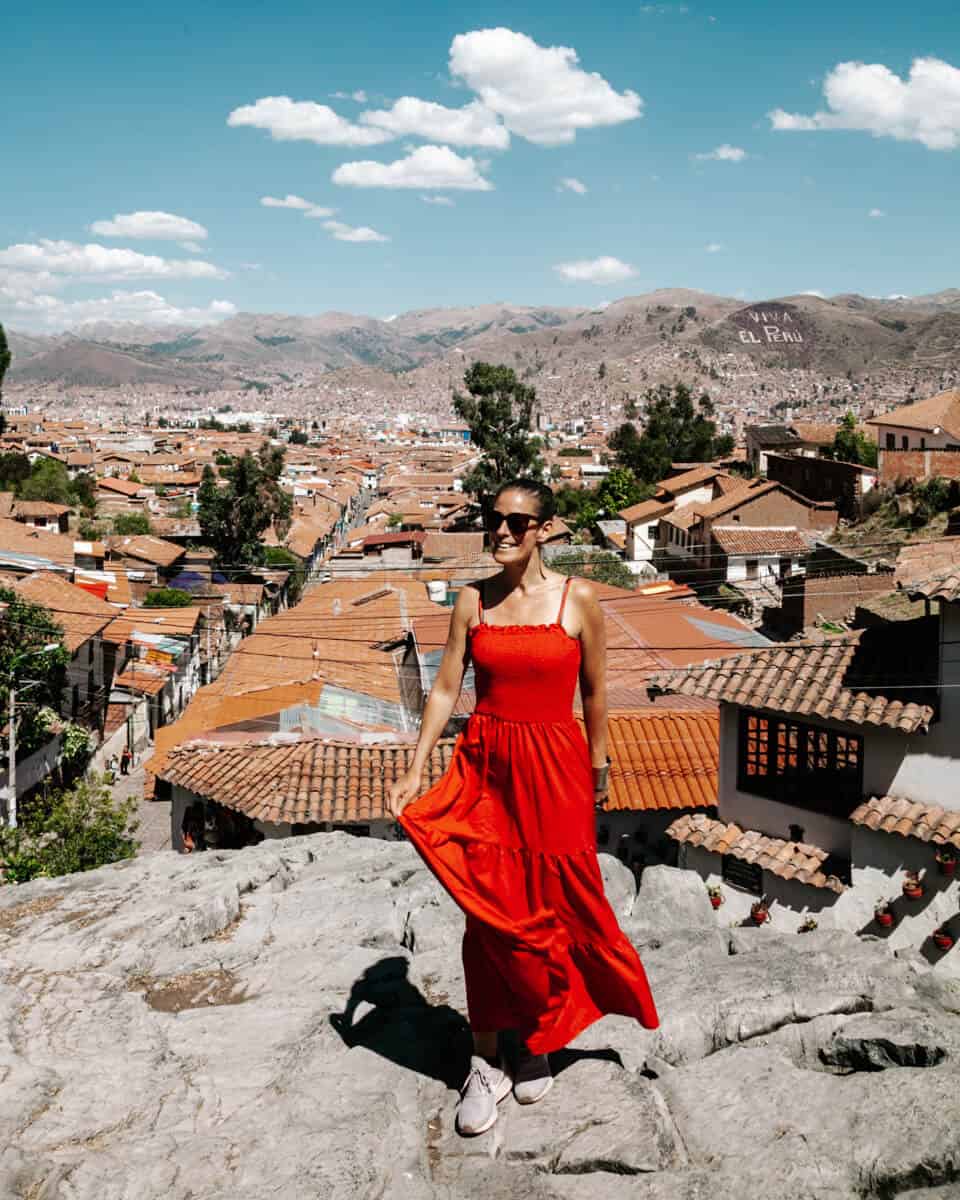
Cristo Blanco is an 8-meter-high white statue overlooking the city from a hill. The statue was erected in the 1940s and offers panoramic views of Plaza de Armas, the surrounding colonial buildings, and the Andean valley.
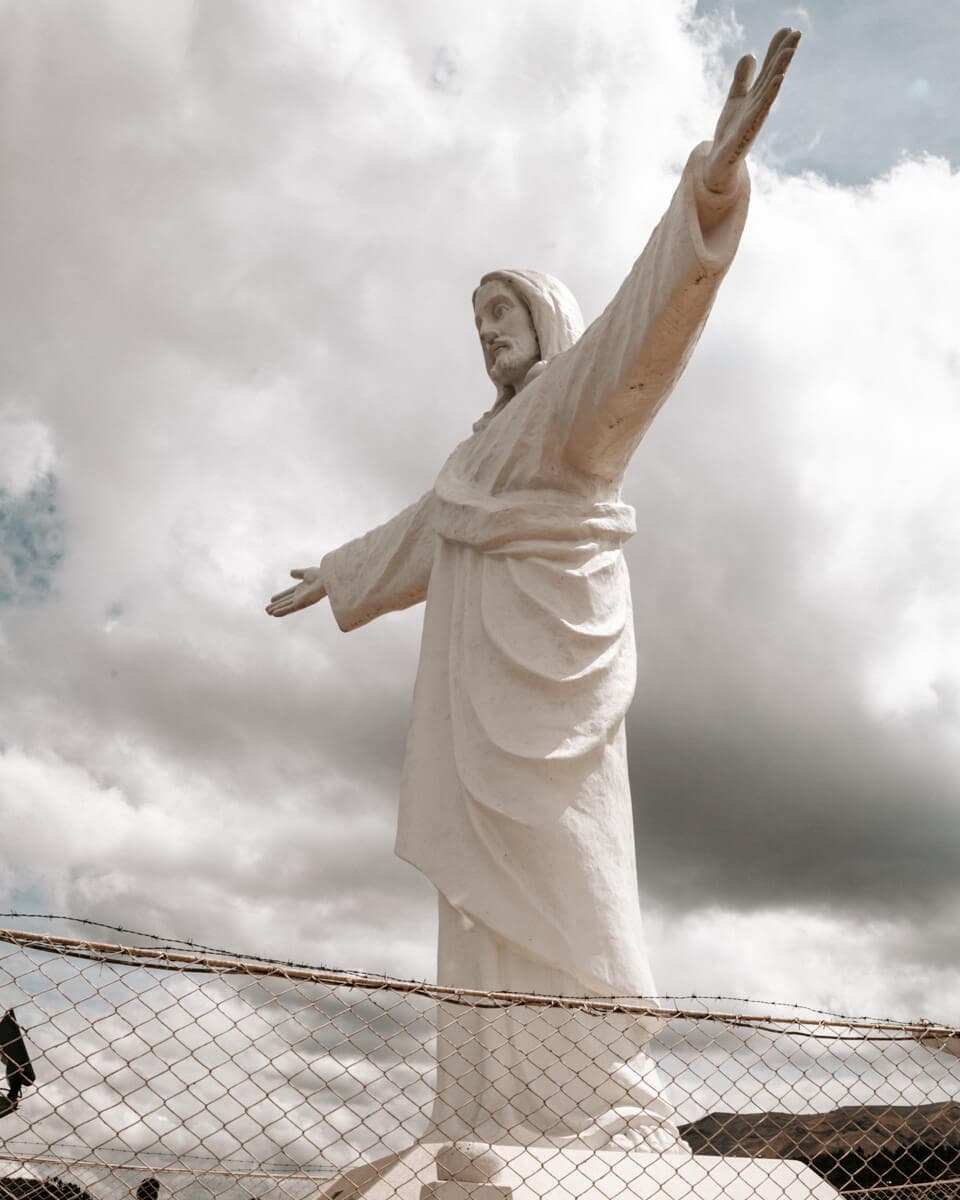
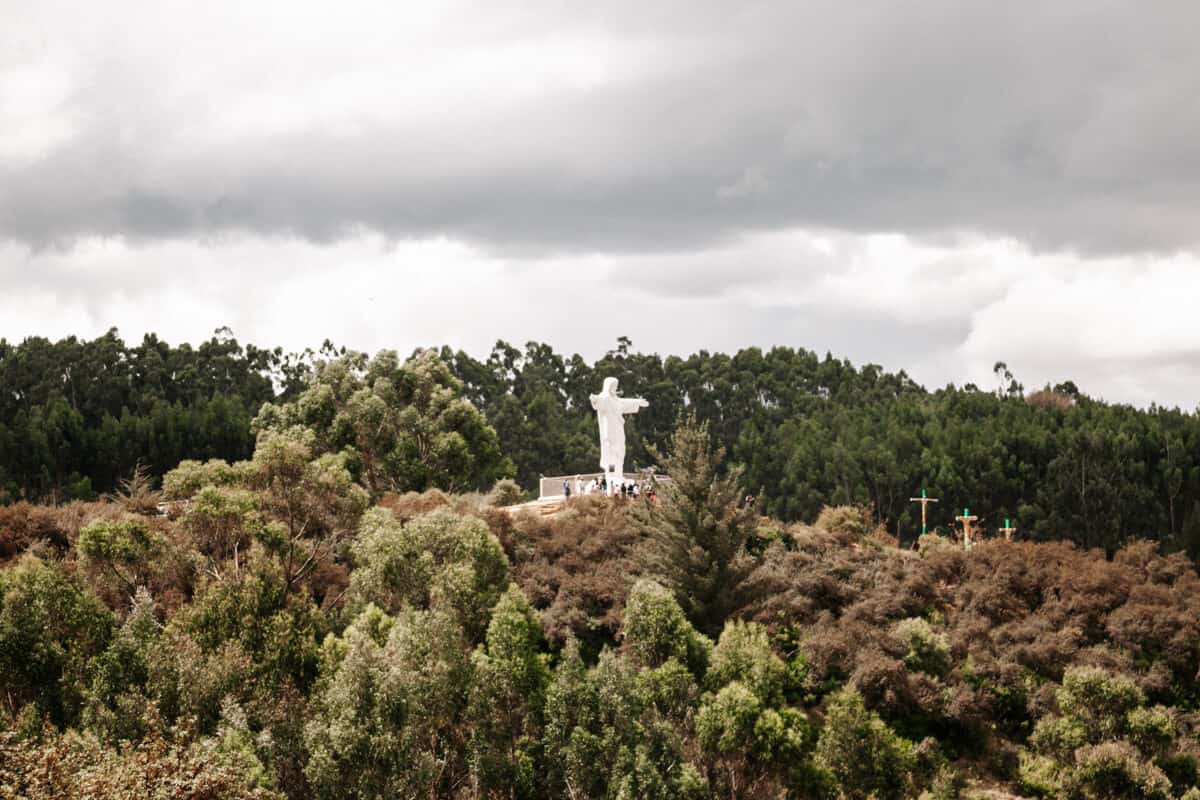
It is one of the most best things to do in Cusco, if you are looking to take great photos, especially at sunrise or sunset, when the city is bathed in a golden glow. Beyond the views, Cristo Blanco is also a symbol of protection for Cusco. You can reach Cristo Blanco by following a short but uphill walking route from the city center, or by car or taxi. Admission is free.
Want to learn more about the Incas? Then visit the Museo Inka, where you will find an interesting collection of ceramics, weapons, textiles, and religious objects. The collection not only shows how the Incas lived but also offers insight into their rituals, art, and culture. The museum is easy to navigate, making it a good place to learn more about the history of the Inca Empire.
As you wander through Cusco’s winding streets, you will come across impressive Inca walls on almost every corner. These walls serve as the foundations for many colonial houses. The enormous stones fit together perfectly without mortar, providing a fascinating example of Inca craftsmanship. Some particularly beautiful spots can be found in the quieter alleyways of the San Blas neighborhood, such as 7 Culebras, and don’t forget Calle Loreto. The best time to wander around is early in the morning or at sunset, when the soft light highlights the texture and contours of the stones.
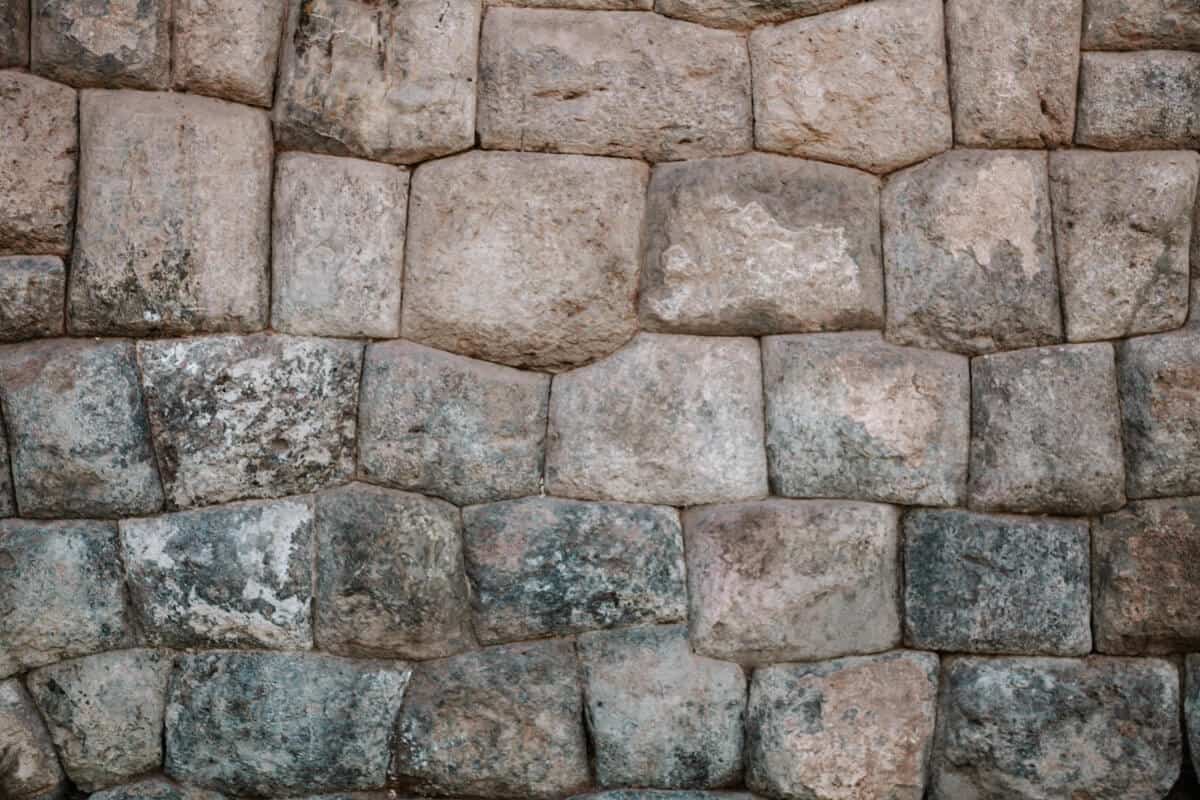
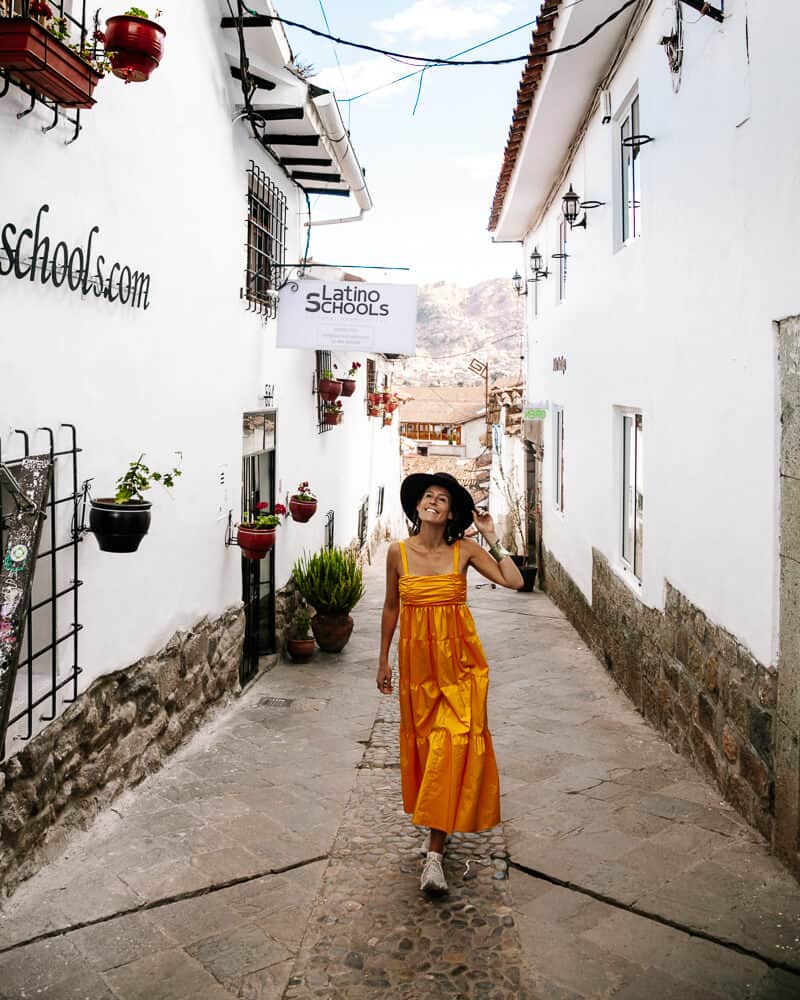
The Twelve-Angled Stone is an absolute must-see during your visit to Cusco. This impressive Inca wall, located on Hatun Rumiyoc Street, is famous for its perfectly shaped stones, including one with twelve angles that fit seamlessly into the surrounding stones. It is almost impossible to miss: hundreds of visitors gather here every day to take pictures, while locals show visitors their homes and guides share stories about the Incas. The site is freely accessible and within walking distance of Plaza de Armas, making it easy to combine with a walk through the city.

One of the cultural things to do in Cusco Peru is to visit Sacsayhuamán, a spectacular Inca fortress complex just outside the city center. This impressive site is famous for its gigantic stones, some more than 8 meters high and weighing hundreds of tons, which have been fitted together perfectly without the use of mortar. The fortress served both as a strategic defensive position and as a religious site, and it offers beautiful views over Cusco and the surrounding Andes.
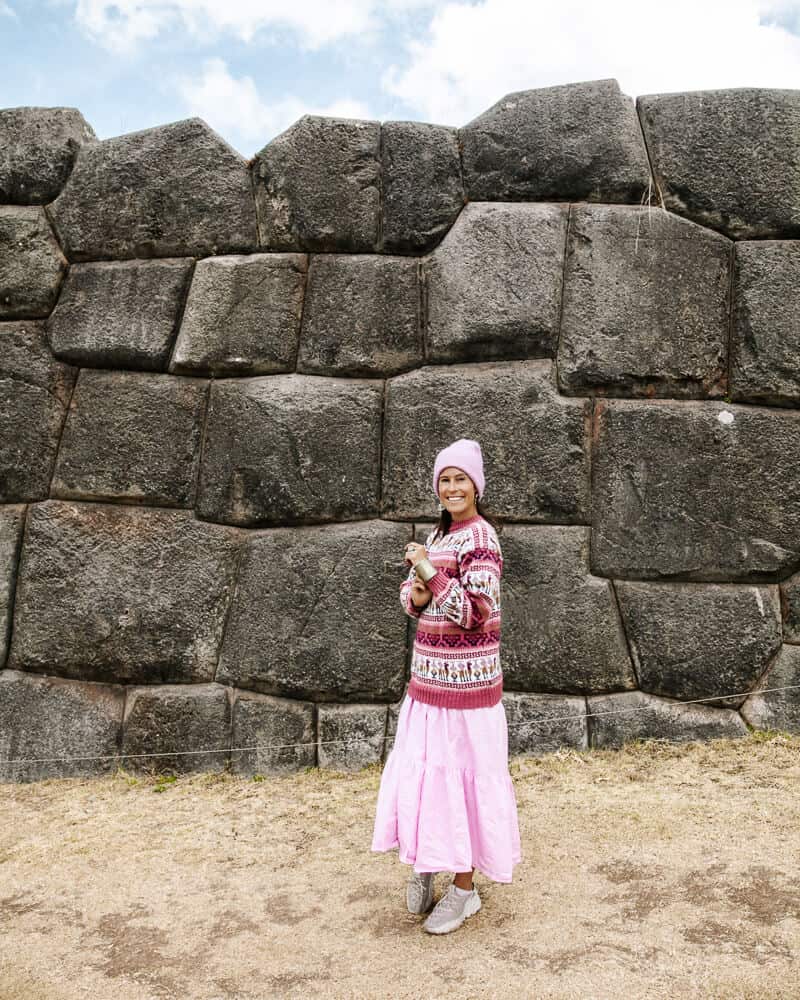
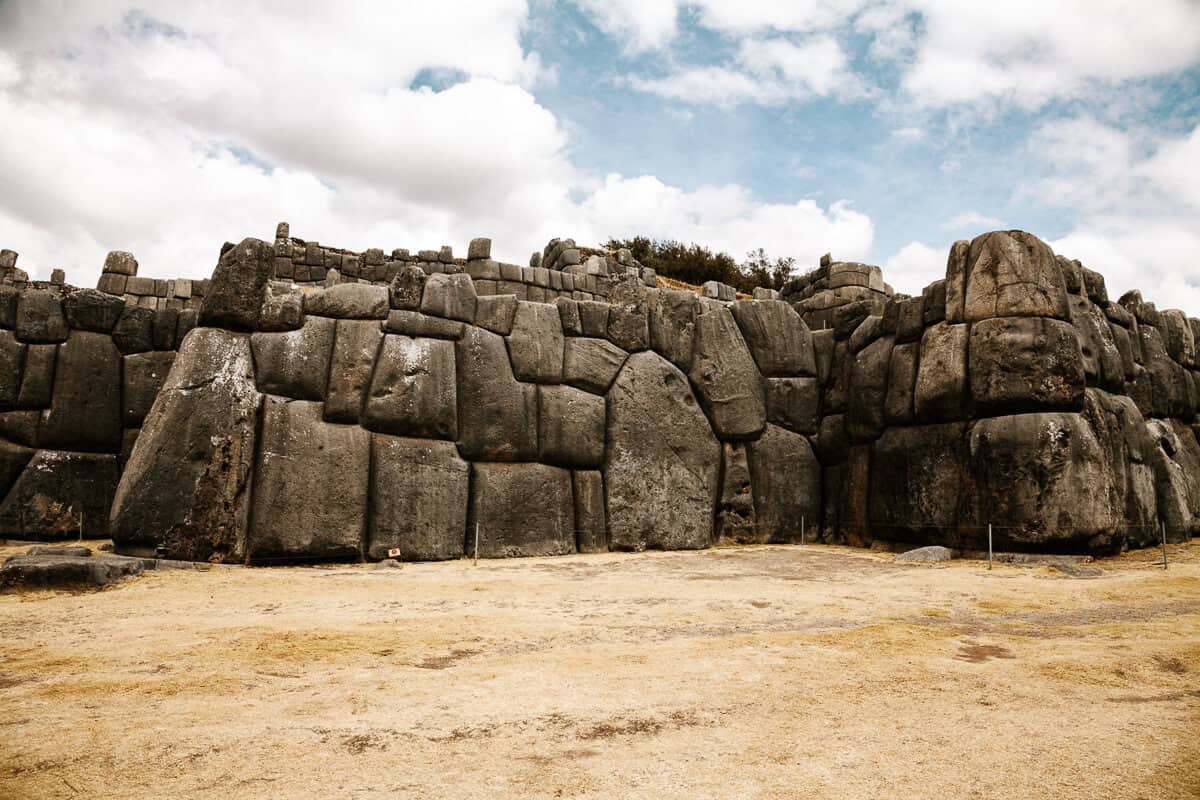
This is one of those places that really comes to life when you explore it with a guide. You can learn so much about the Inca Empire in a short amount of time. There are several certified guides available at the site itself.
Tip: You can also choose to explore the area with a local guide and visit a combination of archaeological sites, including Sacsayhuamán, Tambomachay, Puca Pucara, and Qenqo, on a tour. You can find that tour here.
Tambomachay, Puca Pucara, and Qenqo are also located a short distance from the center of Cusco and can easily be combined with Sacsayhuamán in a half-day or full-day visit. Tambomachay, also known as the Inca Water Temple, is famous for its ingenious water features, including springs, channels, and stone baths. Qenqo is a remarkable rock formation with carved niches, passageways, and an underground chamber that likely served a religious purpose. Puca Pucara was a small fortress and probably served as a checkpoint along the route to Cusco.

You can easily visit the different sites by taxi or as part of an interesting tour. You can also hike from Sacsayhuamán via Puca Pucara to Tambomachay. I would recommend setting off early in the morning so you can avoid the biggest crowds and see the ruins in the beautiful morning light. One admission ticket allows you to visit several archaeological sites in and around Cusco.
Do you love textiles and colorful art? Then Museo Máximo Laura is well worth a visit. Here, you can discover the work of Peruvian artist and master weaver Máximo Laura, known for his colorful, abstract tapestries that bring together traditional Peruvian motifs and contemporary art. The museum is small, making it easy to combine with a walk past Cusco’s others historic attractions and things to do.
Another special place in Cusco is Xapiri Ground, a cultural space and gallery dedicated to Indigenous art and cultures from the Amazon region. You’ll find art, photography, and handicrafts from various Amazonian communities, with a focus on the stories and traditions behind the works. It’s a small-scale space and a great introduction if you’re planning to visit the Amazon.
Visiting San Pedro Market is a great way to experience everyday life in Cusco. You’ll find countless local products, from fresh fruits and vegetables to herbs, meat, and typical Peruvian snacks. Beyond shopping for groceries, the market is also a cultural experience: you’ll see market vendors wearing traditional clothing, local crafts, and street sellers doing their best to convince you to buy all kinds of unusual things. It’s also a perfect place to pick up souvenirs, sample local dishes, or simply wander around. The best time to visit is in the morning, when the market is at its liveliest and the produce is fresh from the fields.
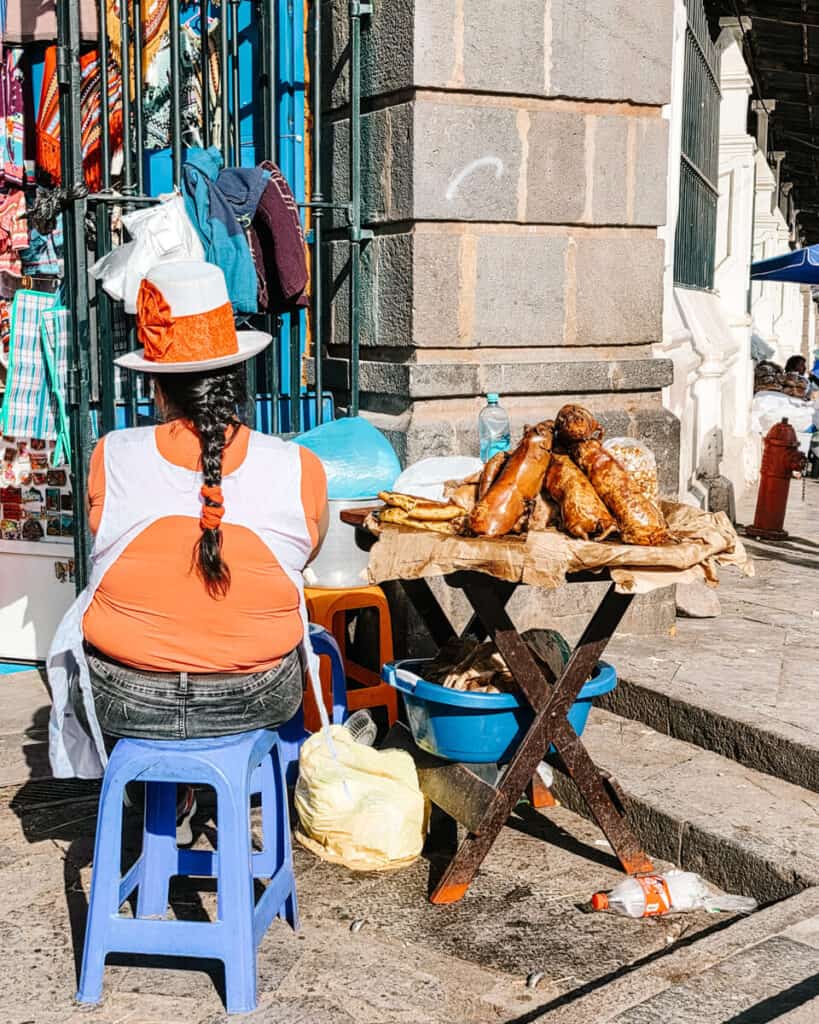
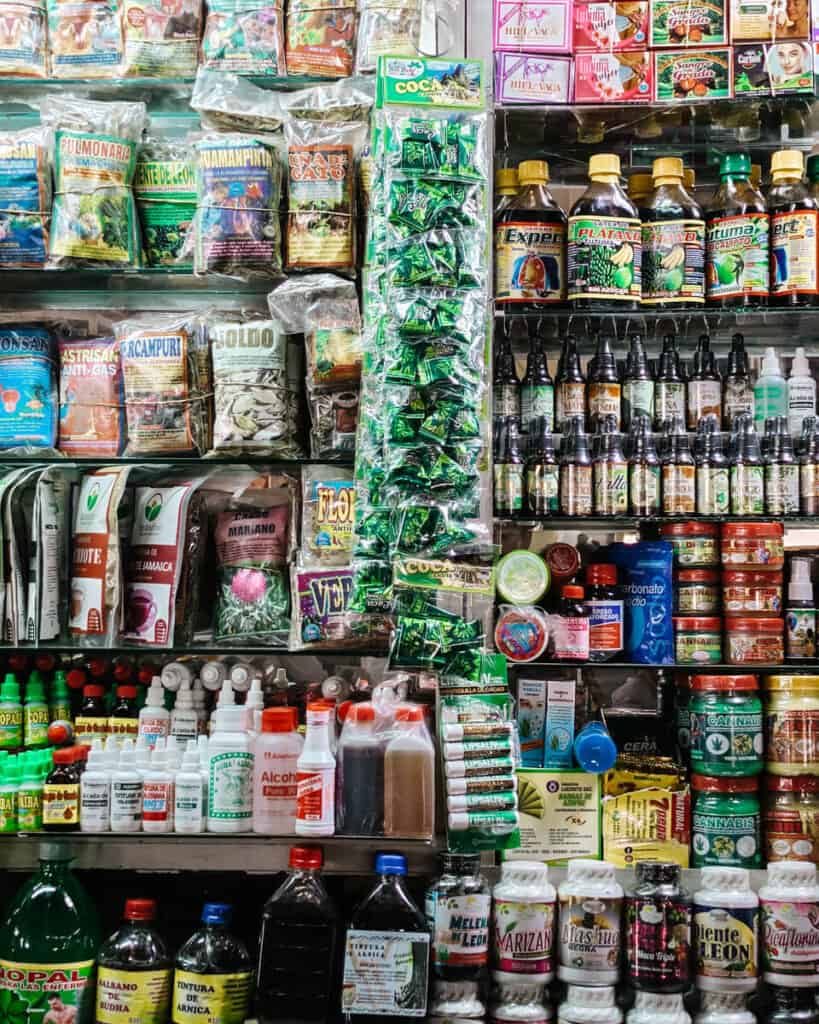
Every time I return to Cusco, I’m surprised by how many great stores the city has. And that’s coming from someone who isn’t much of a shopper. Of course, you’ll find plenty of souvenir shops selling colorful ponchos, alpaca sweaters, jewelry, and other traditional Peruvian products. But if you look a little further, you’ll also discover a surprisingly large number of stylish concept stores and boutiques.
New stores run by Peruvian designers and artists are opening all the time, especially in the San Blas neighborhood. You’ll find everything from handmade ceramics and jewelry to fashion and beautiful home accessories. In the next travel guide, I share my favorite concept stores and boutiques in Cusco.
After a day spent exploring the things to do in Cusco, there’s nothing better than settling down for a good lunch, an elaborate dinner, or a slice of cake with tea or coffee. Cusco’s food scene continues to evolve, with new restaurants opening every year. From atmospheric cafés and refined Peruvian restaurants to trendy brunch spots, there’s plenty to choose from. I discover new favorites on every trip. Looking for the best restaurants in Cusco? In my Cusco restaurant guide, I share my favorite places, from cozy breakfast spots and lunch cafés to the best places for an elaborate dinner.
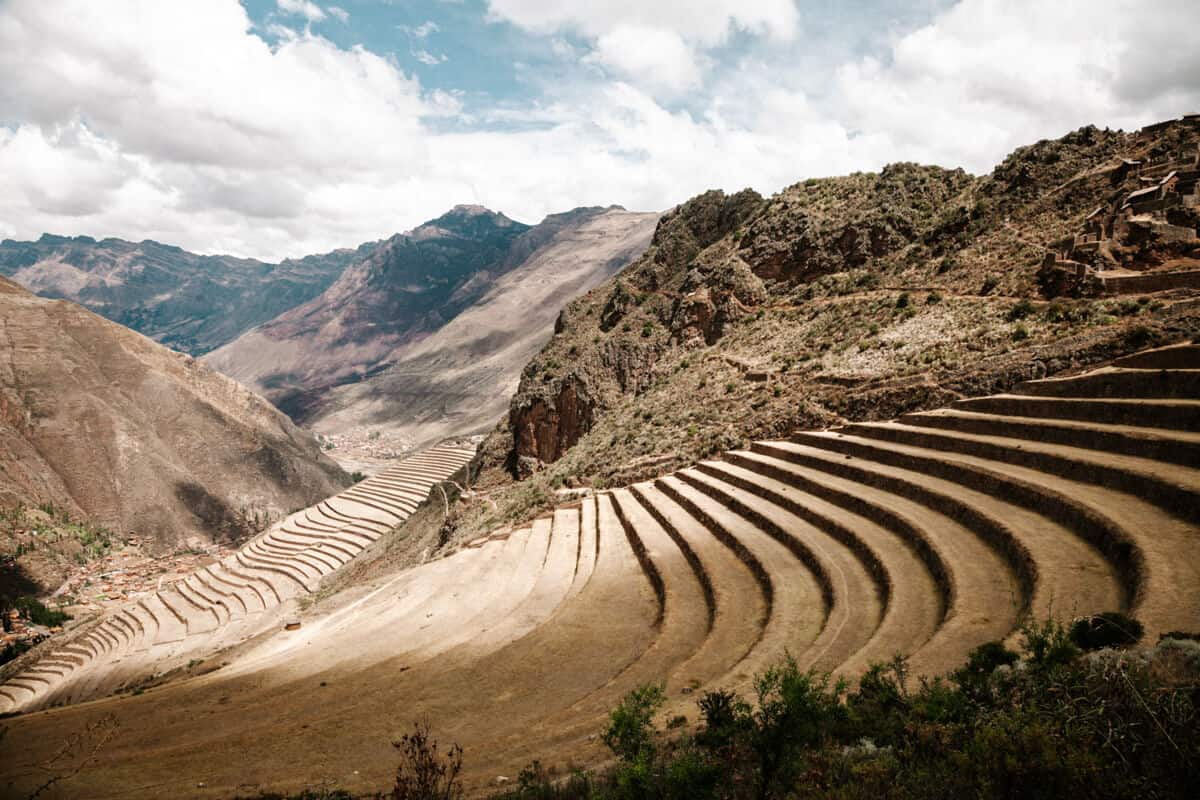
You can easily fill several days exploring the area beyond the city, too. From Cusco, you can take a day tour through the Sacred Valley, visit Rainbow Mountain or Humantay Lake and, of course, travel to Machu Picchu. If you want to spend several days in the mountains, you can also choose a multi-day hike, such as the Inca Trail or Choquequirao, where you’ll walk through spectacular Andean landscapes and past ancient Inca sites. Keep in mind that most tours need to be booked well in advance.
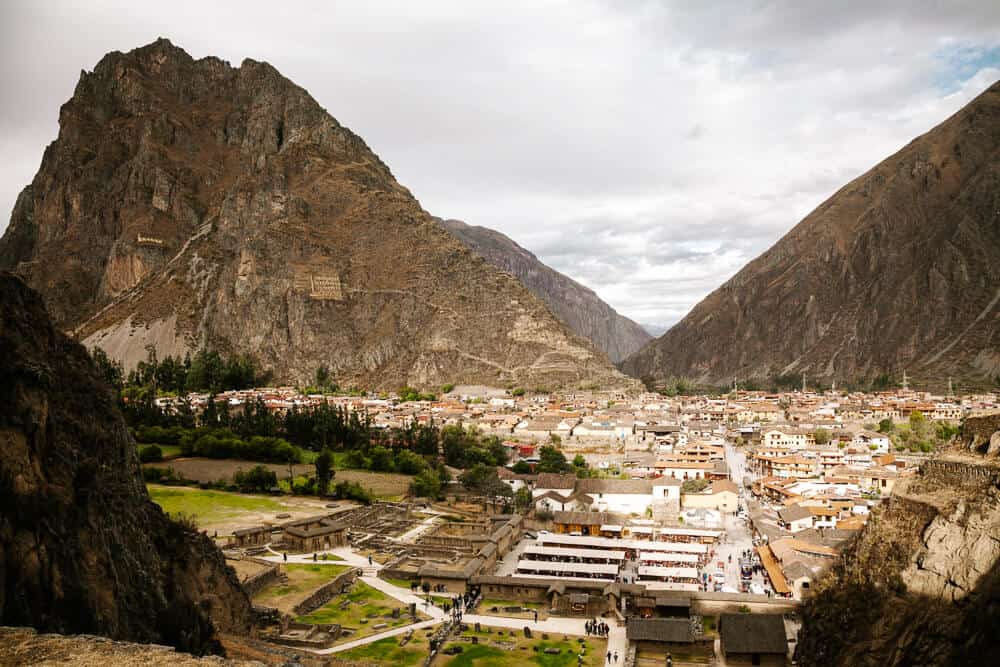
In my separate articles, you can read more about things to do in the Sacred Valley of the Incas, tips for visiting Ollantaytambo, the best day trips from Cusco, and [the best multi-day hikes around Cusco]. Below, you’ll find my favorite tours, things to do, attractions, and hikes around Cusco in Peru, so you can explore and book them directly.
Cusco has countless hotels in a wide range of price categories. Personally, I prefer staying at a stylish boutique hotel in a central location. For me, a beautiful hotel is an important part of the trip and a lovely place to return to after a day exploring the city. Below, I share some of my favorite hotels in Cusco.
One of the most beautiful hotels in Cusco is Inkaterra La Casona, located on the Plaza Nazarenas. This small luxury hotel is housed in a beautifully restored 16th-century mansion and has retained much of its historic character. With just a limited number of suites, high ceilings, colonial details, and a peaceful courtyard, it’s a special place to stay in the heart of Cusco.
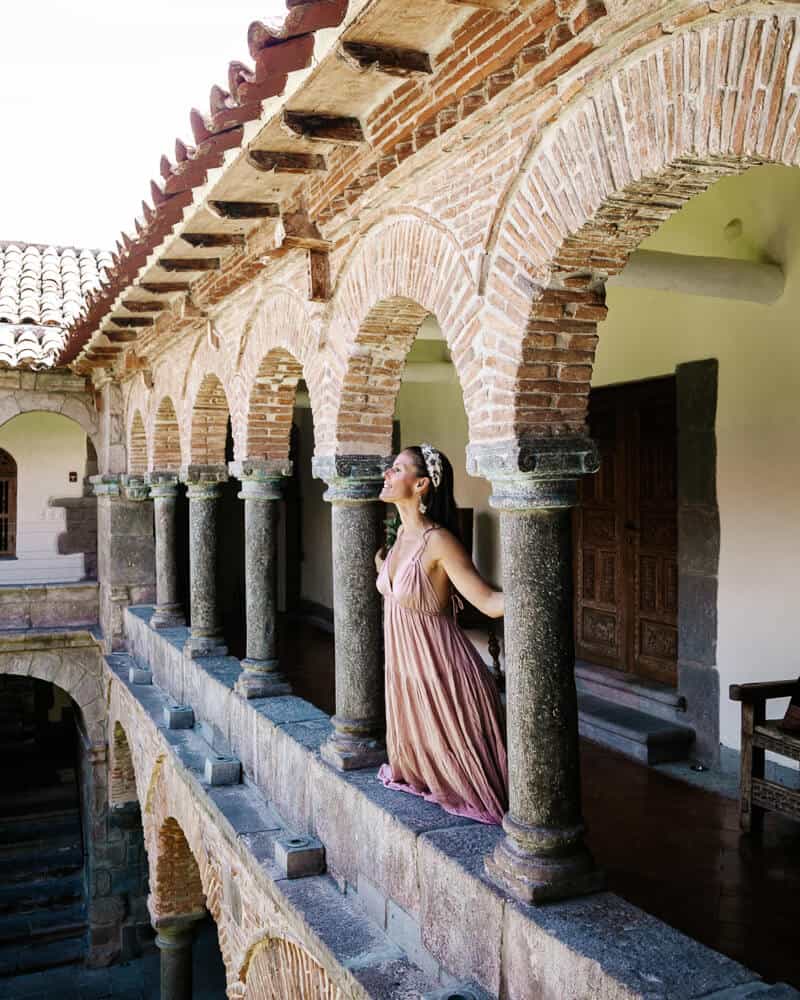
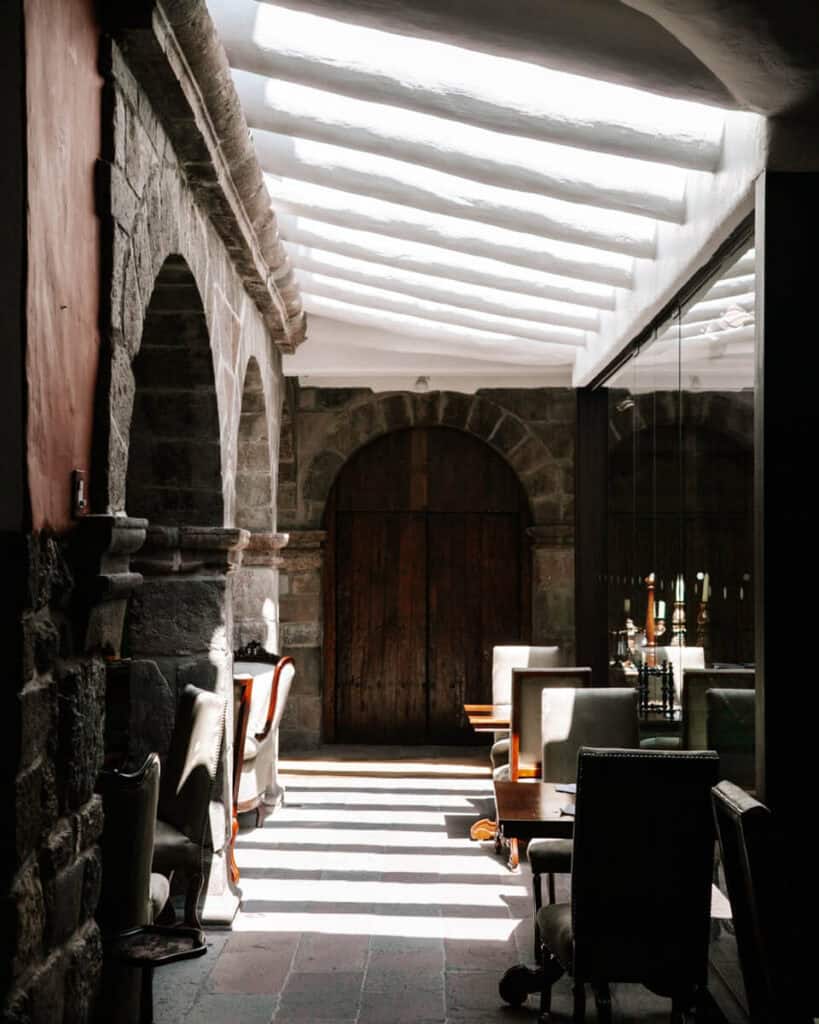
In my detailed hotel review, you can read more about Inkaterra La Casona, including my personal experience. You can check prices and availability here.
Antigua Casona San Blas is another one of my favorite boutique hotels. It’s located in the lovely San Blas neighborhood of Cusco, within walking distance of the historic center and many of the city’s attractions and many things to do. The hotel is housed in a beautifully restored building arranged around a peaceful courtyard. The rooms are tastefully decorated, and the hotel has a warm, personal atmosphere. The Piedra & Sal restaurant is also part of Antigua Casona.
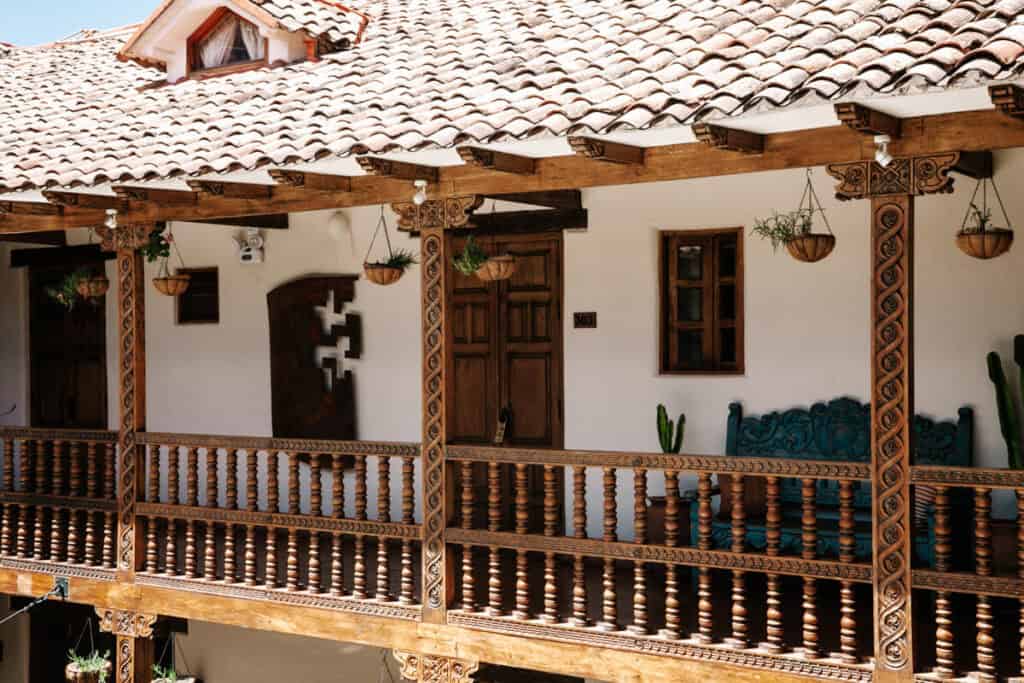
In the next article, you can read more about Antigua Casona San Blas. You can check prices and availability here. Looking for more hotels in Cusco? You’ll find an overview here.
For several attractions and things to do in and around Cusco, you’ll need a Boleto Turístico. Rather than buying a separate ticket for each attraction, this combined admission ticket gives you access to multiple archaeological sites and museums. As of 2026, the full ticket for international visitors costs 130 soles and provides access to 16 locations, including Sacsayhuamán, Qenqo, Puca Pucara, Tambomachay, and several sites in the Sacred Valley. The ticket is valid for 10 days. There are also three partial tickets, each costing 70 soles, covering the archaeological sites around Cusco, the museums and attractions in Cusco, or the sites in the Sacred Valley.
You can only buy the Boleto Turístico in person. If you’re planning to visit several archaeological sites and museums, it’s a good idea to check in advance which locations are included in the ticket.
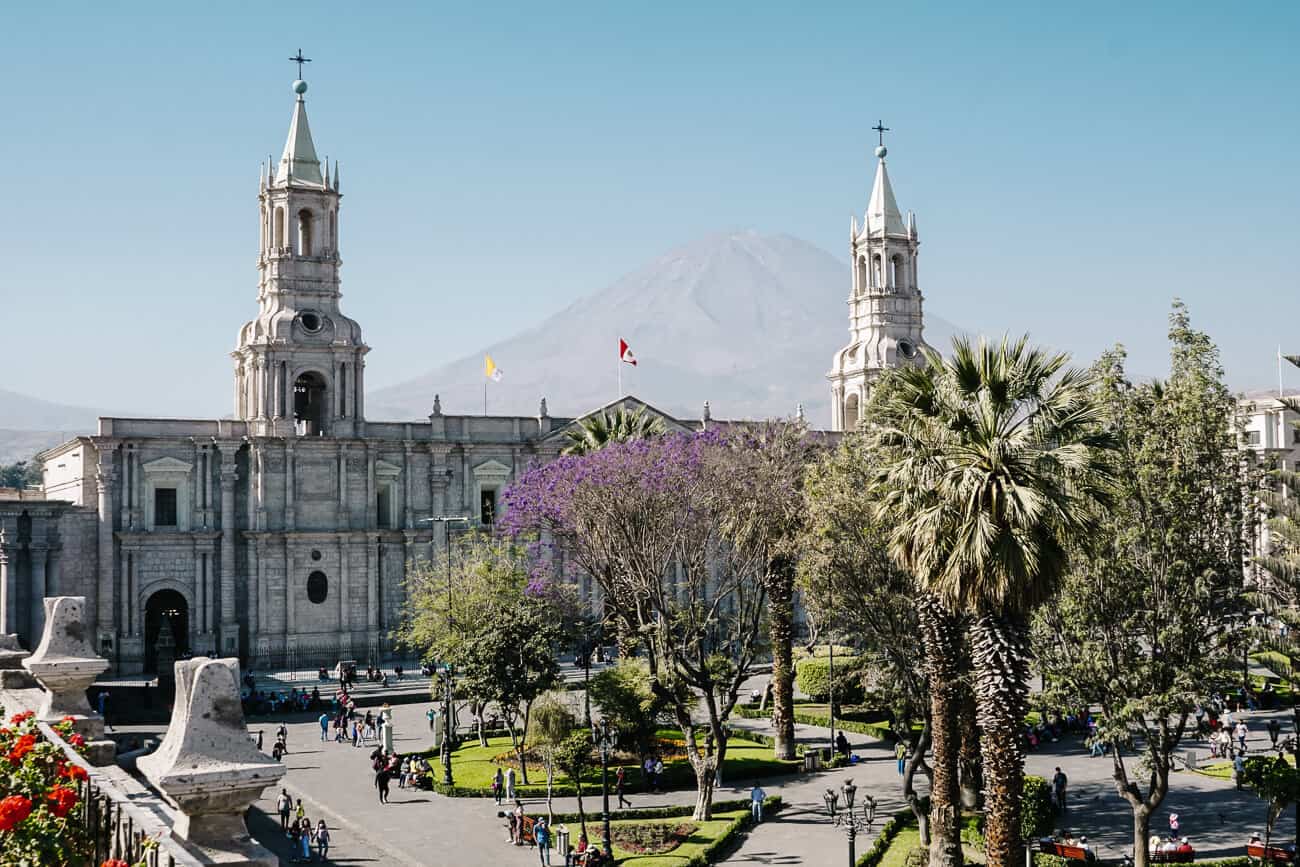
The fastest way to reach Cusco is by plane. There are several daily flights from Lima to Cusco International Airport. You can check flight options here. There are also flights from Arequipa, the country’s second-largest city. You can find flight options here.
If you’re already traveling through Peru, you can also reach Cusco by long-distance bus from places such as Arequipa and Puno. Although the bus is often cheaper, the distances are considerable and journeys can take a long time. Make sure you don’t sacrifice too much comfort to save money. You can easily find, compare, and book bus tickets here. If you’re traveling from Puno, consider booking the Ruta del Sol bus, which makes several stops along the way. From the Sacred Valley, you can easily travel to Cusco by taxi or minibus.
Cusco can be visited year-round, but the dry season from May through September is generally the best time to explore its many attractions. During these months, the sun is often high in the sky, providing beautiful views. There’s also little chance of rain, making conditions ideal for walks and multi-day treks. Keep in mind, however, that this is also the peak tourist season.
From November through March, most of the rain falls. The landscape is beautifully green and there are fewer visitors, but hiking trails can become muddy and some treks may be temporarily closed.
Read more about the best time to visit Peru here.
Cusco is located at approximately 3,400 meters above sea level. There’s a good chance you’ll experience some symptoms of altitude sickness during your first few days, ranging from headaches and fatigue to dizziness or nausea. Plan a relaxed schedule for your first few days and drink plenty of water. Most importantly, give your body time to acclimatize before attempting activities such as Rainbow Mountain or a multi-day trek.
Read more about altitude sickness in Peru and how to prevent it here.
Cusco is one of the safest destinations in Peru, but as in any tourist city, it’s recommended to stay alert for pickpockets, especially around Plaza de Armas, San Pedro Market, and busy nightlife areas. For popular excursions such as the Inca Trail, Rainbow Mountain and Machu Picchu, it’s best to book well in advance, especially during peak season. Less popular tours, such as a city tour or a visit to the Sacred Valley, can often be booked locally without any problems.
You can easily spend a week in Cusco. Not only does the city have an incredible number of beautiful attractions, but your body also needs time to adjust to the altitude. Use your first day to take a relaxed walk through the historic center, visit Plaza de Armas and the San Blas neighborhood, and explore one of the museums. Save more strenuous activities, such as Rainbow Mountain or a multi-day trek, for later in your trip.

If you have less time, I recommend spending at least three full days in Cusco. Have four or five days? Then you can combine your stay in Cusco with a visit to the Sacred Valley. If you have longer to explore the region, Cusco is also the perfect base for a multi-day hike to Machu Picchu or a stay in the Sacred Valley. This way, you’ll discover not only the best-known highlights but also why this region is considered one of the most beautiful in Peru.
Planning a trip to Peru or just starting your research? In the next travel guide, you’ll find everything you need to know about traveling to Peru, including practical tips, essential travel info, and inspiration for where to go and what to see. Hopefully, my articles will help you get the most out of your trip, or convince you to add Peru to your travel bucket list.
Did you enjoy reading this article with tips and things to do and see in Cusco in Peru? Let me take you on a further journey along the most beautiful destinations and attractions in Peru in the next articles.
This article may contain affiliate links. If you purchase something using one of our links, we may receive a commission at no extra cost to you, which helps us keep this blog alive. Thank you for your support! Please see our disclosures for more information.
Are you interested in the world? Do you want to learn more about a country and its culture? Let me take you on a journey with Passport the World.
As a travel reporter, producer and tour guide, I have been traveling around the world for the last 20 years, looking for the most scenic places and stories that are worth sharing. In Passport the World, I am guiding you along scenic and cultural places, cities, art, viewpoints, hiking trails and unique experiences. To help you get the most out of your travels or to just get to know a country and culture better!


Are you interested in the world? Do you want to learn more about a country and its culture? Let me take you on a journey with Passport the World.
As a travel reporter, producer and tour guide, I have been traveling around the world for the last 20 years, looking for the most scenic places and stories that are worth sharing. In Passport the World, I am guiding you along scenic and cultural places, cities, art, viewpoints, hiking trails and unique experiences. To help you get the most out of your travels or to just get to know a country and culture better!