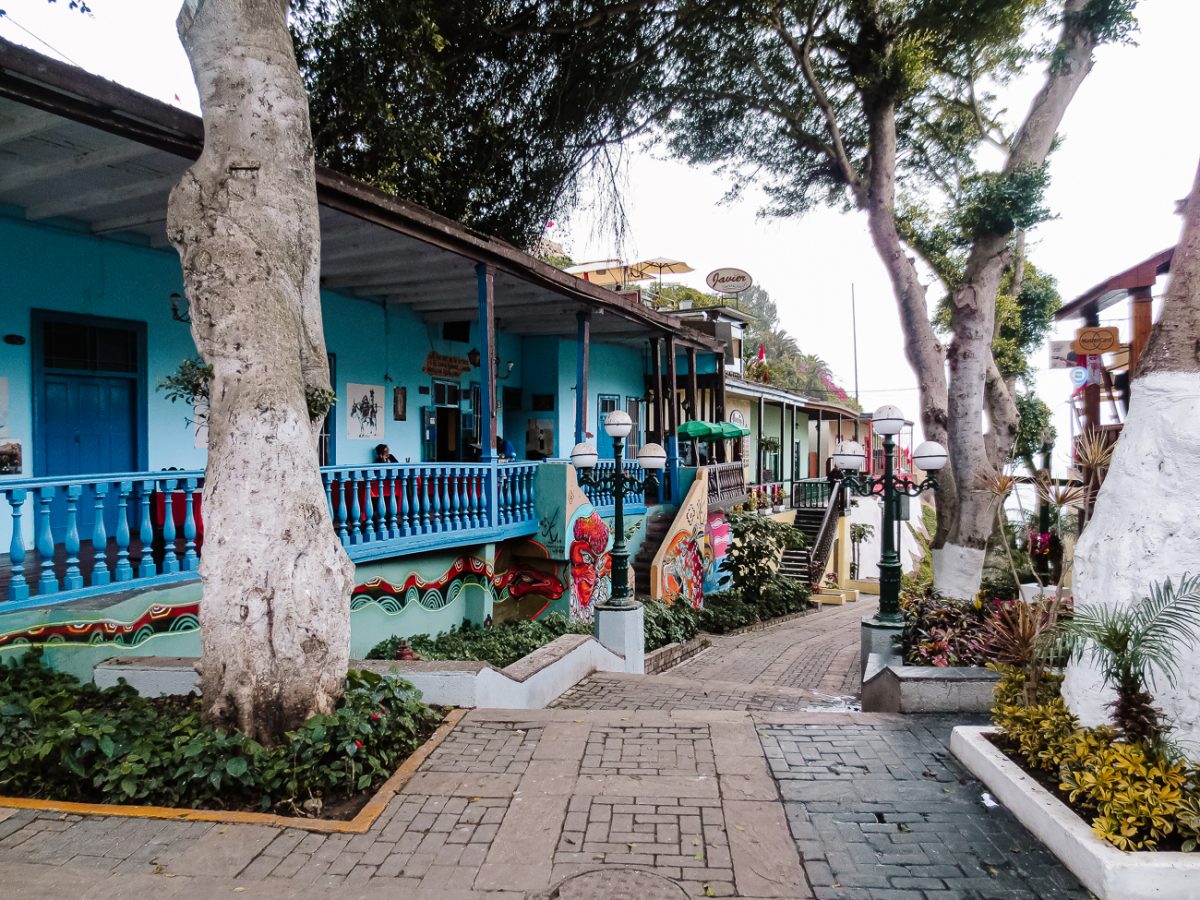
Are you planning a trip to Peru or just curious about what the country has to offer? This Peru travel guide provides practical tips, inspiration for destinations and attractions, and useful advice to make trip to Peru as smooth as possible.
I have visited Peru multiple times over the past few years and have explored nearly all regions of the country, from the mysterious Andes and Lake Titicaca to the vast Amazon and rugged coastal areas. Even now, Peru regularly finds its way back onto my travel itinerary. I hope my articles inspire you to put Peru on your bucket list and help you get the most out of your vacation.
Where is Peru located in South America
Peru is located on the west coast of South America, bordering Ecuador, Colombia, Brazil, Bolivia, and Chile. The country stretches from the coastal strip along the Pacific Ocean to the high Andes mountains and further east into the vast Amazon jungle. This geographic diversity means that a single trip will take you through completely different landscapes. The capital, Lima, located on the coast, is usually the starting point for a tour through the country.
Things to do in Peru
Peru is a country that continues to surprise, offering an incredible variety of activities when you travel through the country. Most travelers start or end their journey in Cusco, the former capital of the Inca Empire. This historic city is the heart of the Sacred Valley, with Machu Picchu as its main highlight. But Peru is much more than that.
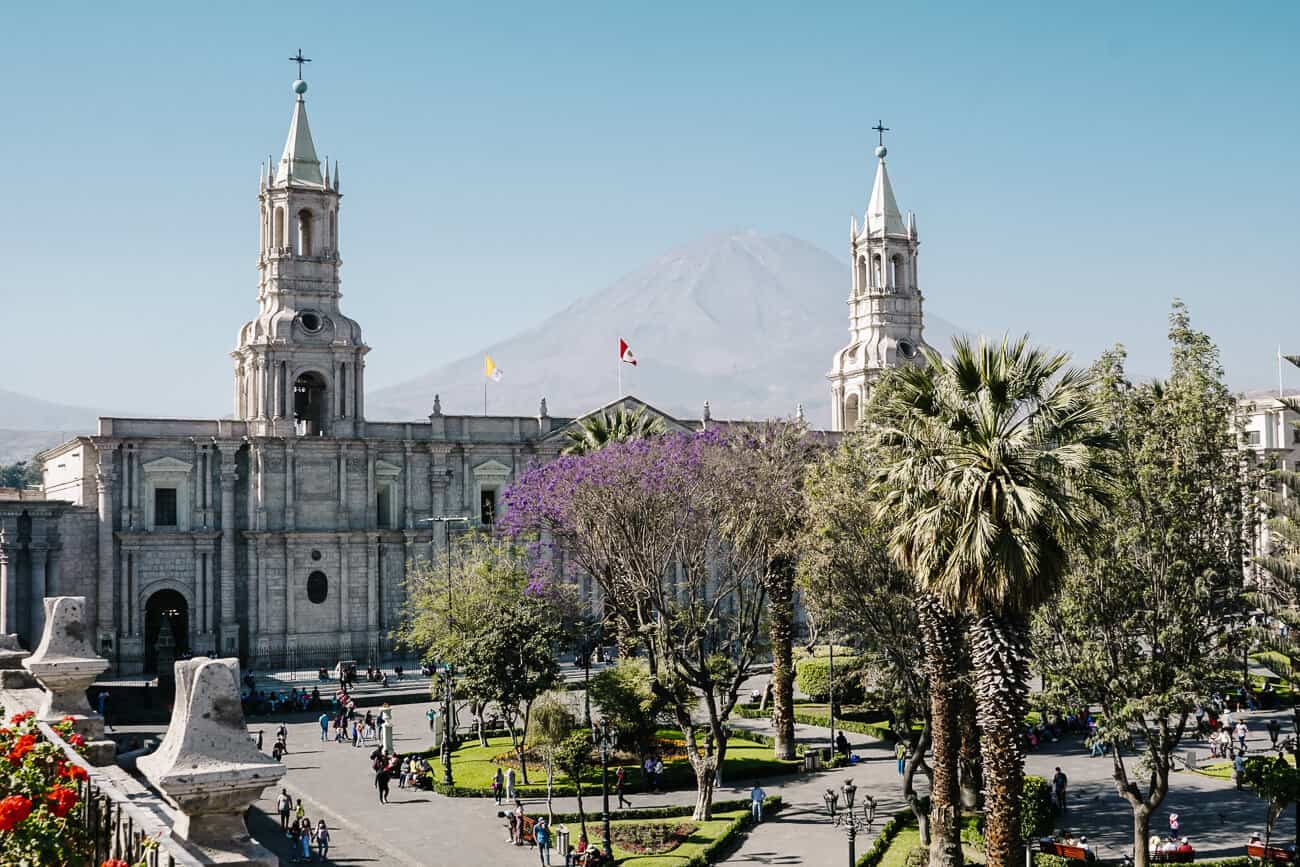
In the Colca Canyon, you can watch condors soar on the mountain thermals. Arequipa, with its beautiful white buildings and charming atmosphere, feels almost Mediterranean. Further south lies Lake Titicaca, the highest navigable lake in the world, where you can meet communities that still live according to ancient customs and traditions.
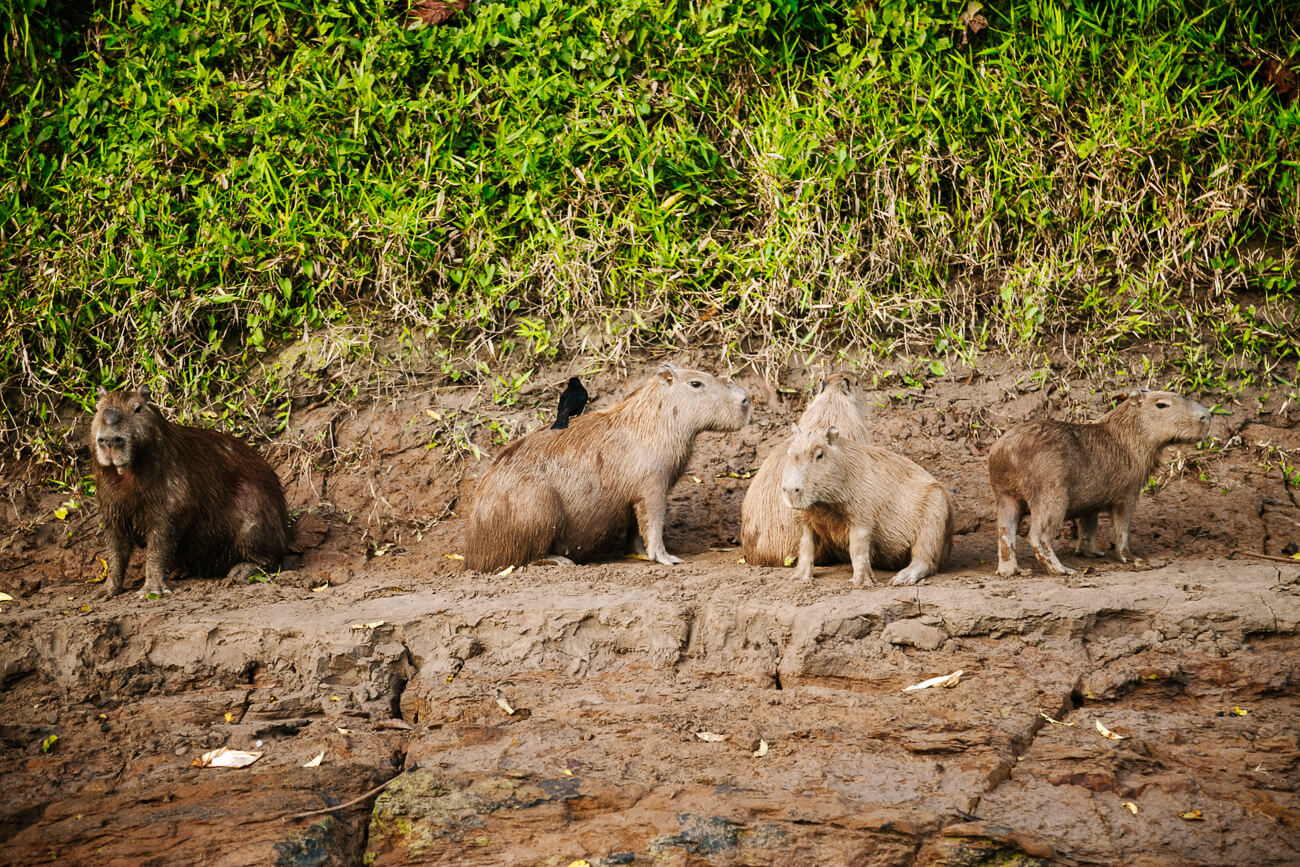
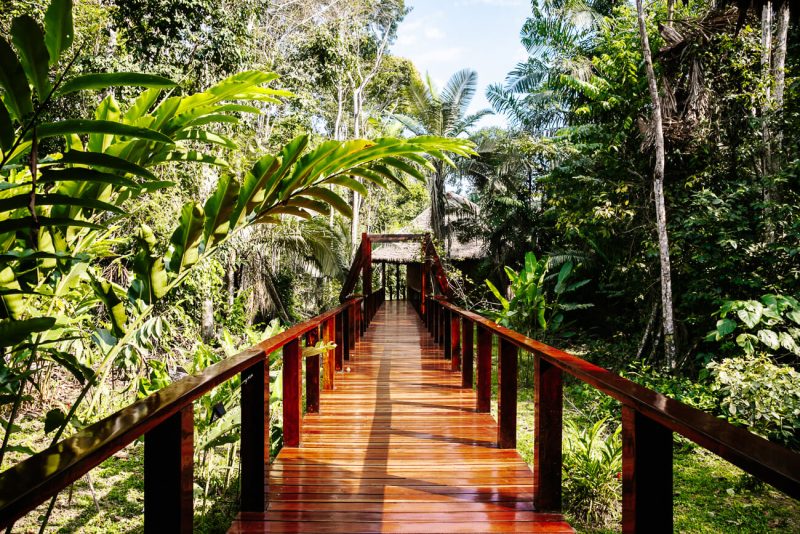
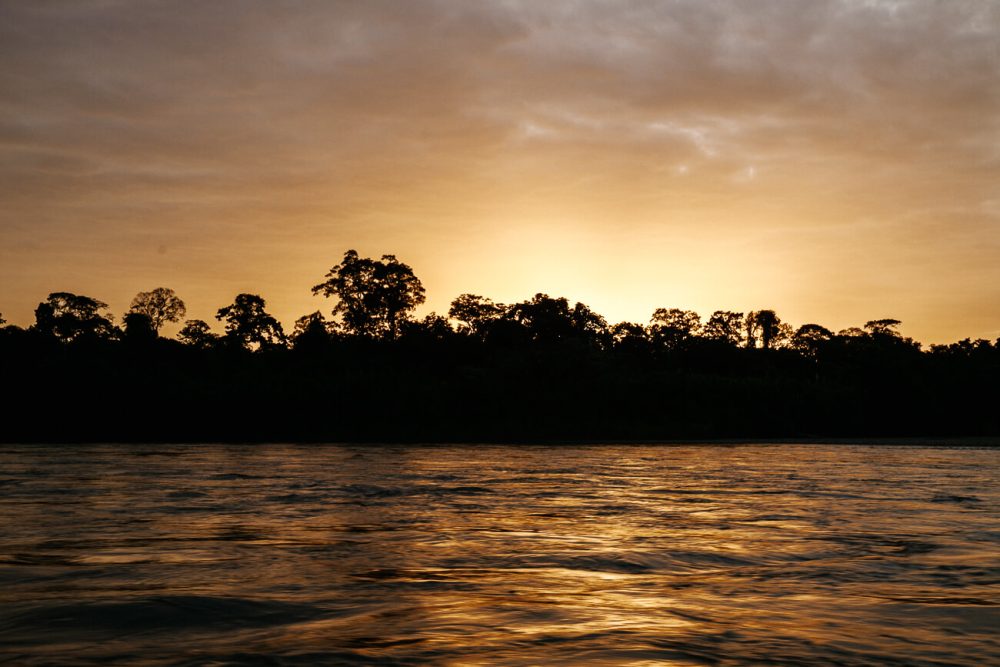
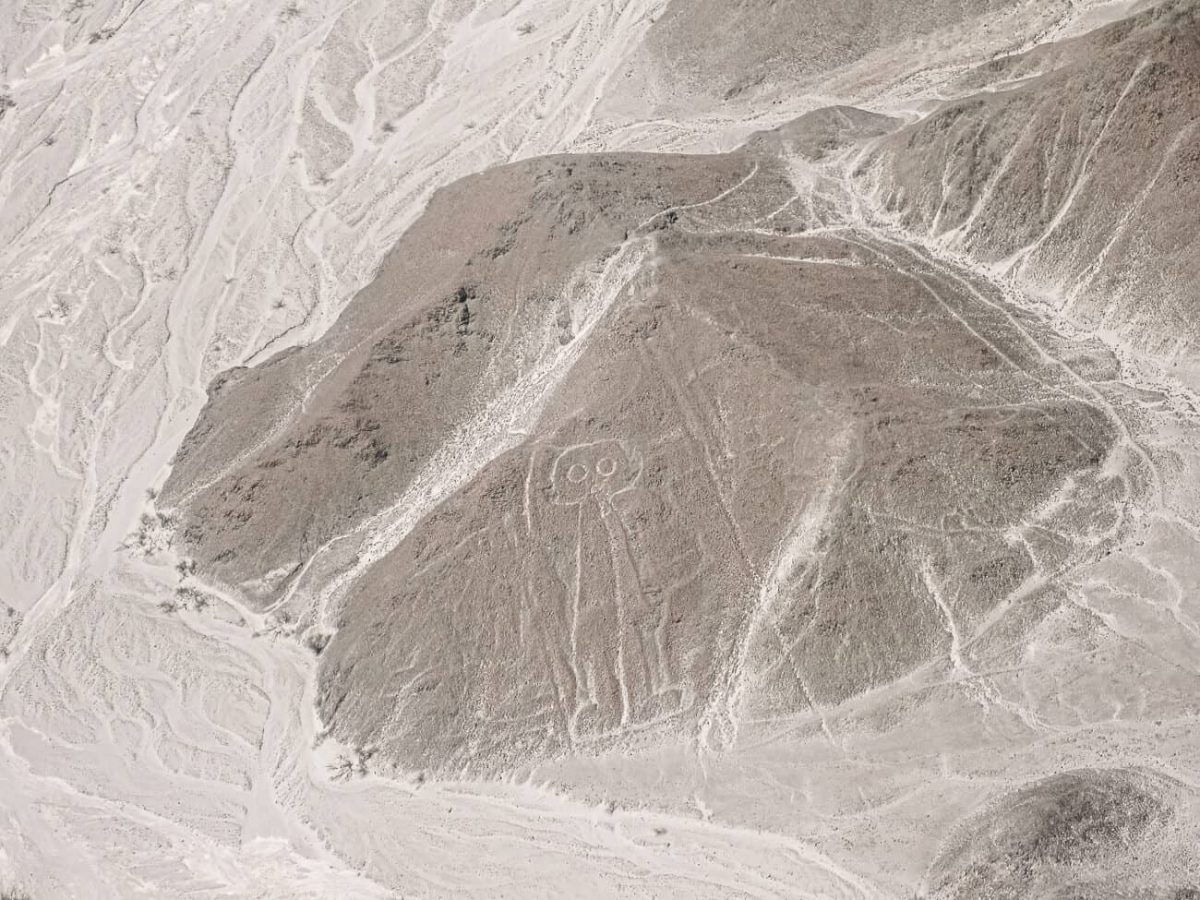
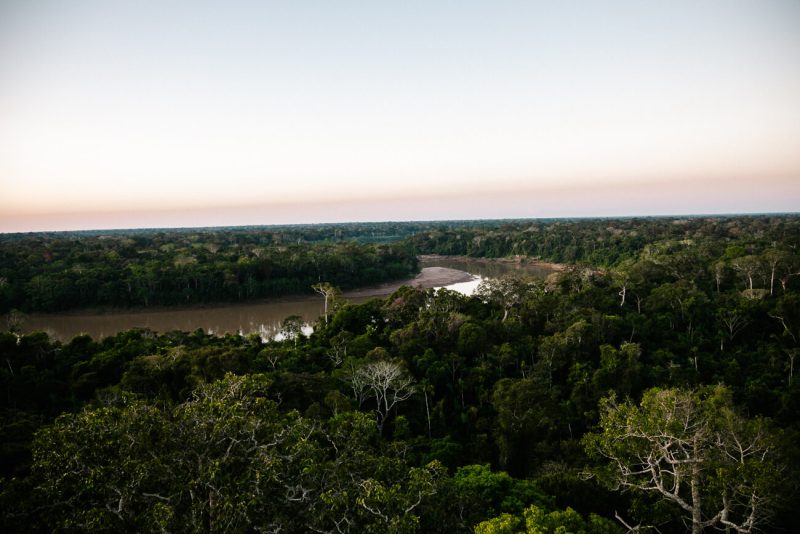
The stunning nature of the Amazon is a whole new world in itself, accessible from Iquitos or Puerto Maldonado. Along the coast, you’ll find desert oases like Huacachina, the mysterious Nazca Lines, the Paracas Nature Reserve, and the Ballestas Islands, home to sea lions, pelicans, and penguins.
And then there is the undiscovered north. A region where colonial cities such as Trujillo and Chiclayo are interspersed with centuries-old Moche and Chimú temples hidden beneath the desert sands. Further inland, you’ll find the green mountainous area around Chachapoyas, with pre-Inca ruins like Kuélap and deep gorges and waterfalls still unexplored. On the northern coast, sun-drenched beaches attract surfers from around the world.
Read more: Peru Travel Guide: Things to do and see, activities, and places to go
Climate in Peru
Peru has several climate zones due to its diverse landscapes, each with its own dry and rainy season. Not only does the climate vary by region, but altitude also significantly affects temperatures.
In the Andes, the dry season, from approximately May to October, brings sunny but cool days and cold nights. The higher you go, the colder the nights and the larger the temperature differences between day and night. The rainy season, from November to April, brings green valleys, dense clouds, and occasional heavy showers, which can make hiking trails muddy.
The Amazon is warm and humid year-round, but the real rainy period occurs between December and March. On the coast, you’ll find a dry, desert climate. From December to April, the months are warm and sunny, while the winter months, from June to September, are cooler and mistier due to the garúa (fog) that hangs over the land.
Best time to visit Peru
The best time to visit Peru depends on which regions you plan to explore, but for most travelers, it is the dry season in the Andes, from May to October. During this period, the sun is high in the sky, temperatures are pleasant, and nights are cold. This is also my favorite time for trekking in the mountains and visiting archaeological highlights such as Machu Picchu.
The rainy season, from November to April, occasionally brings showers. The advantage, however, is lush greenery, fewer crowds, better availability, and often lower prices. The Amazon is accessible year-round, but the rainy season from December to March can make jungle trails more challenging due muddy areas and higher river levels. Along the coast, the summer months, from December to April, are perfect to travel to Peru due to the warm and sunny weather.
How long to stay in Peru
Peru is not a country you want to rush through in a week. The altitude, long distances, and diverse regions require time. For a classic route including Cusco, Machu Picchu, and a few other highlights, you’ll need at least ten to fourteen days.
If you also want to travel to the Amazon and the Colca Canyon in Peru or schedule extra rest days for acclimatization, plan for two to three weeks in Peru. For hiking or multi-day treks, three weeks or more is recommended. The same applies if you want to visit less touristy destinations in Peru.
How to travel to Peru
International flight to Peru
Most international trips start in Lima. Flights can be easily searched, compared, and booked via Skyscanner. Nothing beats being picked up after a long flight; I always book this through Welcome Pick Ups.
How to travel to Peru from Ecuador
From southern Ecuador, you can travel overland to Peru via border crossings such as Huaquillas on the coast or La Balsa in the Andes, depending on your route. The journey is usually done by bus, sometimes with a short transfer at the border. Traveling overland is a convenient way to combine Ecuador and Peru within one longer itinerary. On Passport the World, you can read more about traveling in Ecuador and how it connects seamlessly with a round trip through Peru.
How to travel to Peru from Chile
Traveling overland from Chile to Peru is most commonly done via the well-organized border crossing between Arica and Tacna. This route is ideal if you want to combine the Atacama Desert or northern Chile with southern Peru. On Passport the World, you’ll find more information about traveling to Chile and how to logically combine Chile with a journey through Peru.
Travel in Peru – transportation
Peru is a large country with diverse regions. The landscapes are spectacular, and distances can be long, so planning your transportation requires some attention.
Domestic flights in Peru are often the fastest way to travel from the coast to the Andes or the Amazon, while overland travel gives a better sense of how the landscapes change along the way. Depending on your route and travel style, it’s best to combine different types of transportation so you can travel efficiently and adventurously through Peru during your same trip.
Traveling by plane in Peru
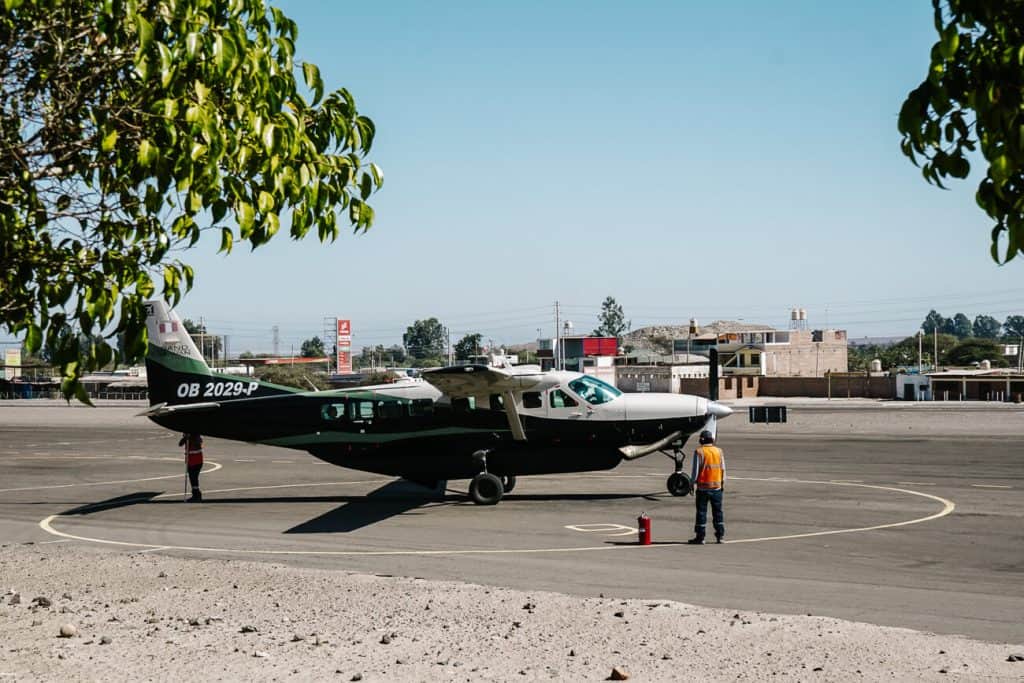
If you want to see a lot in a short time, you’ll definitely need to take a few domestic flights. From Lima, you can reach Cusco, Arequipa, and Juliaca in just a few hours, saving significant travel time overland. Iquitos can only be reached by plane, and Puerto Maldonado is also best accessed by air. Flights are comfortable and, if you’re lucky, offer stunning views of the Andes from the window.
Overland travel in Peru
Traveling by bus or car in Peru is an experience in itself. Long-distance buses connect nearly all major cities and tourist spots, with routes through the Andes or along the coast offering breathtaking scenery. The landscape changes constantly, from dusty deserts to green valleys and mountain passes. Travel in Peru times can be longer than expected, especially in mountainous terrain. Good connections and shuttle services can be found and booked via Bookaway.
It’s also easy to rent a car on certain routes, especially along the coast, giving you independence and freedom to stop wherever you like. Make sure to stay informed about current safety conditions.
The famous route from Cusco or the Sacred Valley to Machu Picchu is traveled by train.
City transportation
Walking is a pleasant option in most cities, especially in historic centers. For longer distances, taxis, local minibusses, and ride apps like Beat or Uber are the best ways to get around. For short distances and local experiences, public transport is often cheap and fun during the day, but in the evening, for safety and comfort, taxis or ride apps are recommended.
Where to stay in Peru – hotel tips
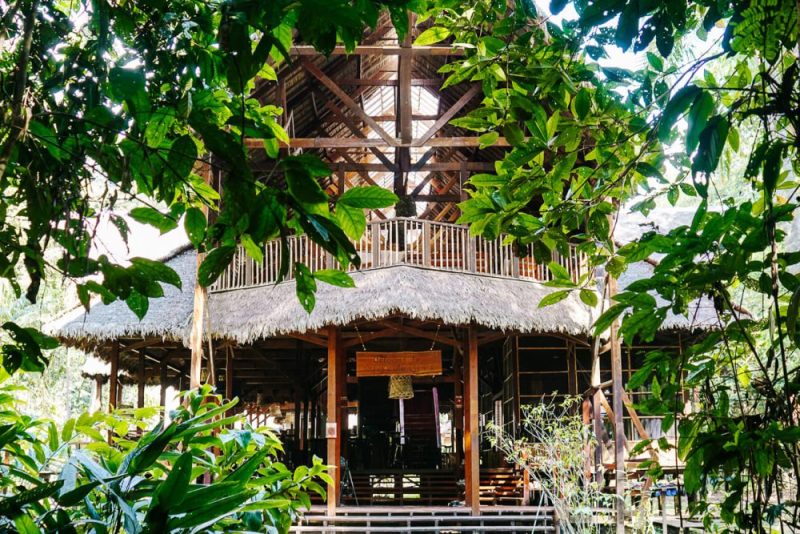
In Peru, you’ll find an incredible variety of accommodations, from comfortable city hotels to unique boutique hotels nestled in nature, and even stays with local communities.
Looking for special stays with local people? Send an email to contact@passporttheworld.com for more information.
Also read:
Safety in Peru
Is Peru safe? This is a question I’m asked regularly. First, always check official travel advice from your country if you want to travel to Peru. Many countries provide different recommendations about which areas are safe to visit and which are not. Maps often show different regions in yellow, orange, or red. It’s important to follow government advice and ensure your insurance covers your trip to Peru.
Peru is generally safe to travel in, especially in tourist areas. Still, it’s important to be cautious in larger cities and keep an eye on your belongings. Busy markets and bus stations are particularly place to pickpocketing. At night, use reliable taxis or arrange transport through your hotel. Always use common sense, avoid isolated areas, and follow local advice. I’ve visited Peru many times and have had only positive experiences.
Health & Vaccinations
Before traveling to Peru, consult a travel clinic about vaccinations. If you’re planning to visit the Amazon in Peru, ask about mosquito protection, as the jungle has its own ecosystem and challenges. Bring your own travel pharmacy and sufficient insect repellent, especially for the jungle and lower-altitude areas.
Travel insurance for Peru
Also, don’t travel to Peru without a good travel insurance policy. World Nomads offers simple and flexible coverage for over 150 activities, including medical emergencies, lost luggage, trip cancellation, and more.
Altitude sickness
During a vacation in Peru, you’ll reach high altitudes. Cities like Cusco and Puno are thousands of meters above sea level. It’s important to let your body acclimatize. Feeling lightheaded, short of breath, or having a mild headache is normal. Drink plenty of water, eat light meals, avoid alcohol, and take it easy. Coca téa is a traditional remedy, but the most important advice is to go slowly. Plan your trip to ascend gradually, starting low and moving higher over time. Avoid strenuous hikes on your first day at high altitude. If you’re sensitive to altitude, consult your doctor beforehand. Proper preparation and acclimatization allow you to make the most of your trip to Peru.
Language in Peru
Spanish is the official language of Peru, but in the Andes, Quechua and Aymara are spoken just as frequently. In tourist areas, people often speak some English, but the further you travel in Peru, the more useful a few Spanish words become. Knowing some Spanish opens doors and transforms your experience in Peru. Consider getting a phrasebook with useful Spanish travel expressions for Peru before you go.
Money & Payments in Peru
Peru’s currency is the Peruvian Sol (PEN), though dollars are sometimes accepted in tourist areas, especially for excursions or more expensive purchases. ATMs are available in nearly every city. Hotels, large restaurants, and shops usually accept credit and debit cards, but it’s recommended to carry cash, especially in small villages. Small bills are useful for markets, taxis, and tipping.
Extra tip: Bring a Wise card when you travel to Peru, a multi-currency debit card that allows you to pay in different currencies with real-time exchange rates and minimal fees.
Internet & SIM Cards
In major cities and tourist areas, Wi-Fi is widely available in hotels, restaurants, and cafés. For a stable connection on the go, a local SIM card from providers like Claro, Movistar, or Entel is useful. You can also use an eSIM, which allows you to be online immediately upon arrival without a physical card You can buy an eSIM for Peru here.
In the Amazon or remote parts of the Andes, signal is often unavailable, so plan accordingly.
Time zone
Peru is in the UTC-5 time zone. The country doesn’t observe daylight saving time, so the time remains the same all year round.
Voltage & Plugs
Peru uses 220 volts, with plugs of types A, B, and sometimes C. A universal adapter is recommended.
Visa & Entry requirements for Peru
In most cases, you can travel to Peru for tourism without a visa. Your passport must be valid for at least six months upon arrival, and sometimes proof of onward travel is required. But it is important to check with official authorities before you travel to Peru.
Finally: why travel to Peru?
Peru is one of the most diverse and captivating travel destinations in South America. With the right preparation, you can make the most of your Peru trip and experience the country at its best. On Passport the World, you’ll also find in-depth travel guides to nearby countries such as Ecuador, Bolivia, and Colombia, including tips on how to combine these destinations into a longer South America itinerary.
Receive my FREE South America Travel Guide!
In this guide I help you to discover this amazing continent with many tips and recommendations.
Yes, I want this guide
Disclaimer: This article may contain affiliate links. If you purchase something using one of our links, we may receive a commission at no extra cost to you, which helps us keep this blog alive. Thank you for your support! Please see our disclosures for more information.
Booking a trip soon? Here are some resources to use: