Barranco is one of the nicest neighbourhoods in Lima to explore at your own pace. You’ll find colourful streets, street art, historic houses, small galleries and cafés, as well as restaurants and bars where you can linger into the evening. It’s a neighbourhood where you don’t simply walk from one sight to the next, but take your time to look around, step into a gallery or settle down somewhere for a drink. In this guide, I share my tips on what to do in Barranco, which sights you shouldn’t miss, and where to eat and stay.
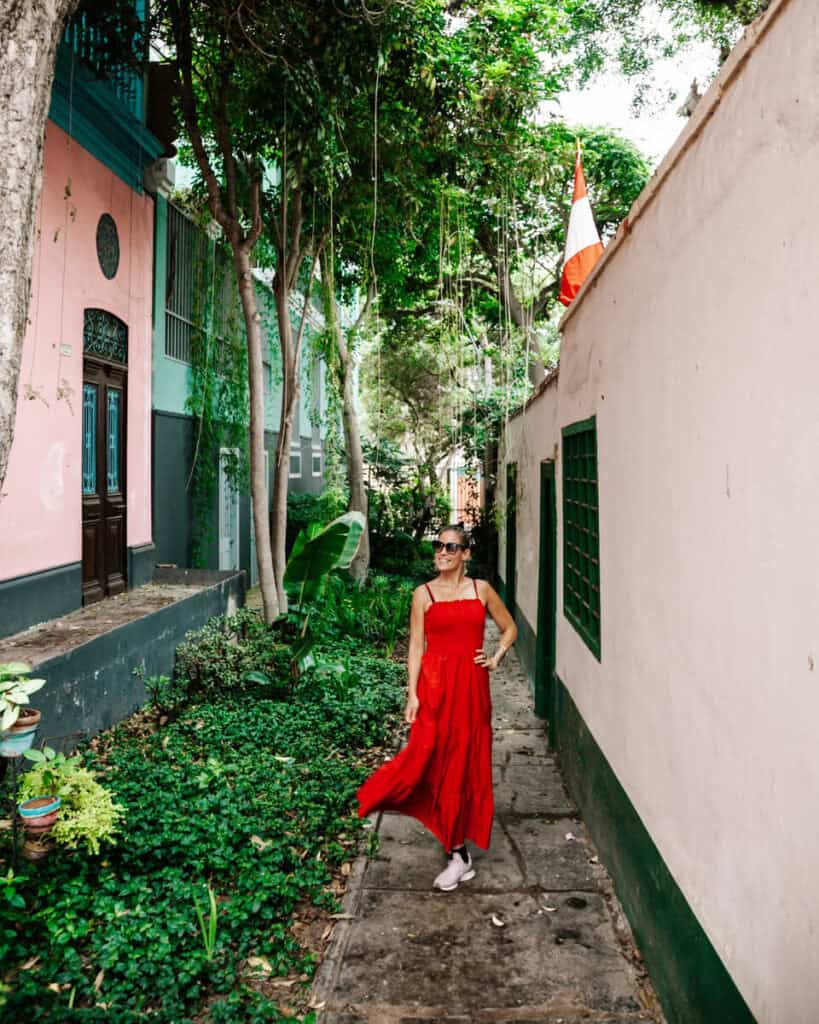
Barranco lies along the coast of Lima and has a character all of its own. While the historic centre is known for its colonial architecture and historic squares, and Miraflores for its parks and shopping streets, Barranco has an artistic atmosphere. The neighbourhood is known for its street art, cultural initiatives, boutique shops and excellent restaurants.
Barranco developed into a popular seaside resort in the nineteenth century, attracting wealthy residents of Lima who built their summer homes here. Some of these historic mansions can still be seen along the neighbourhood’s streets. Today, many buildings have been transformed into galleries, hotels, cafés and cultural spaces.
Barranco is particularly enjoyable to explore on foot. You can easily spend a few hours wandering around, but add a museum visit, lunch and some time to browse the shops and galleries, and you’ll soon have spent half a day here. Barranco is also a great place to visit in the evening, with restaurants, cocktail bars and live music venues scattered throughout the neighbourhood.
The Puente de los Suspiros, or Bridge of Sighs, is one of Barranco’s best-known sights. This wooden pedestrian bridge was built in 1876 and is a recognisable landmark in the neighbourhood. From the bridge, you can look out over the surrounding streets and the green slope leading down towards the coast.
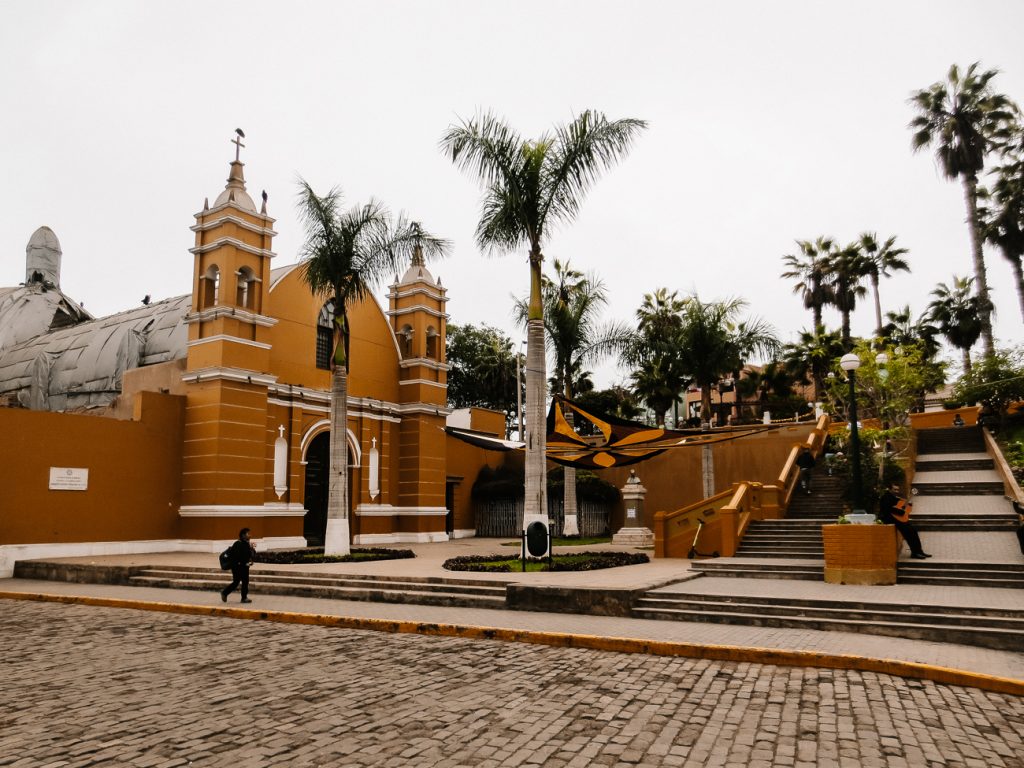
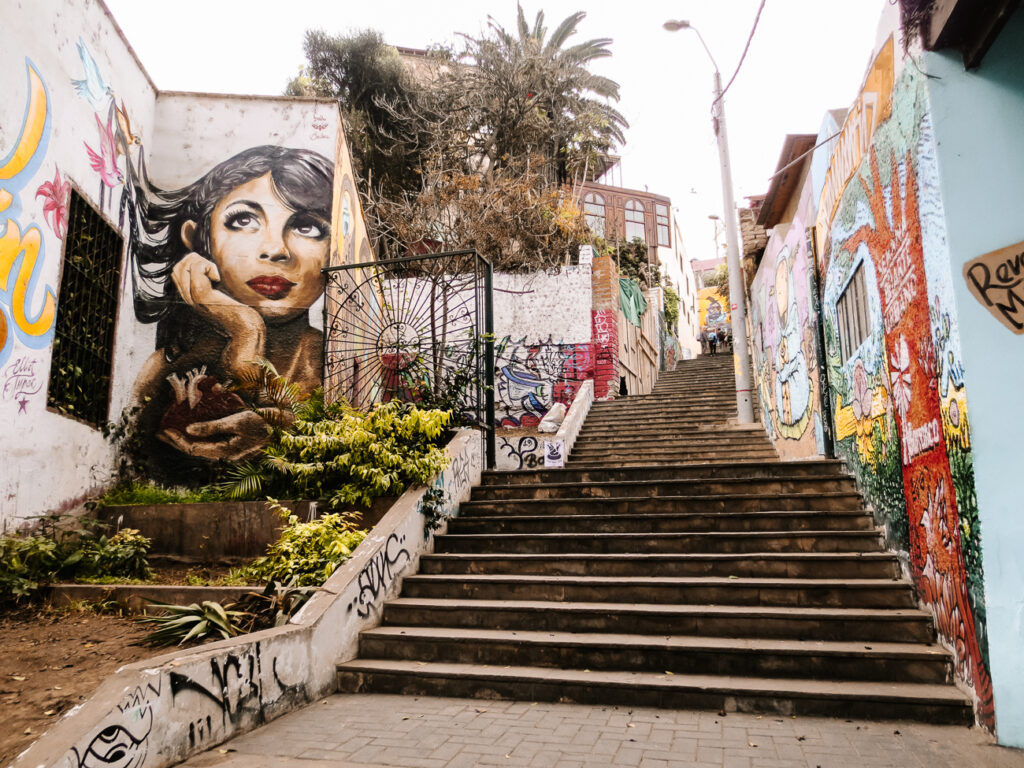
Several romantic stories are associated with the bridge. According to a well-known local tradition, you can make a wish and walk across the bridge in one breath. Whether you believe the legend or not, it’s a lovely place to pause and soak up the atmosphere of Barranco. The bridge is located in the historic part of the neighbourhood and makes a good starting point for exploring the surrounding streets.
From the Puente de los Suspiros, the Bajada de Baños leads down towards the coast. This historic route was once used by fishermen travelling from Barranco to the sea. Today, it is one of the neighbourhood’s most popular spots.
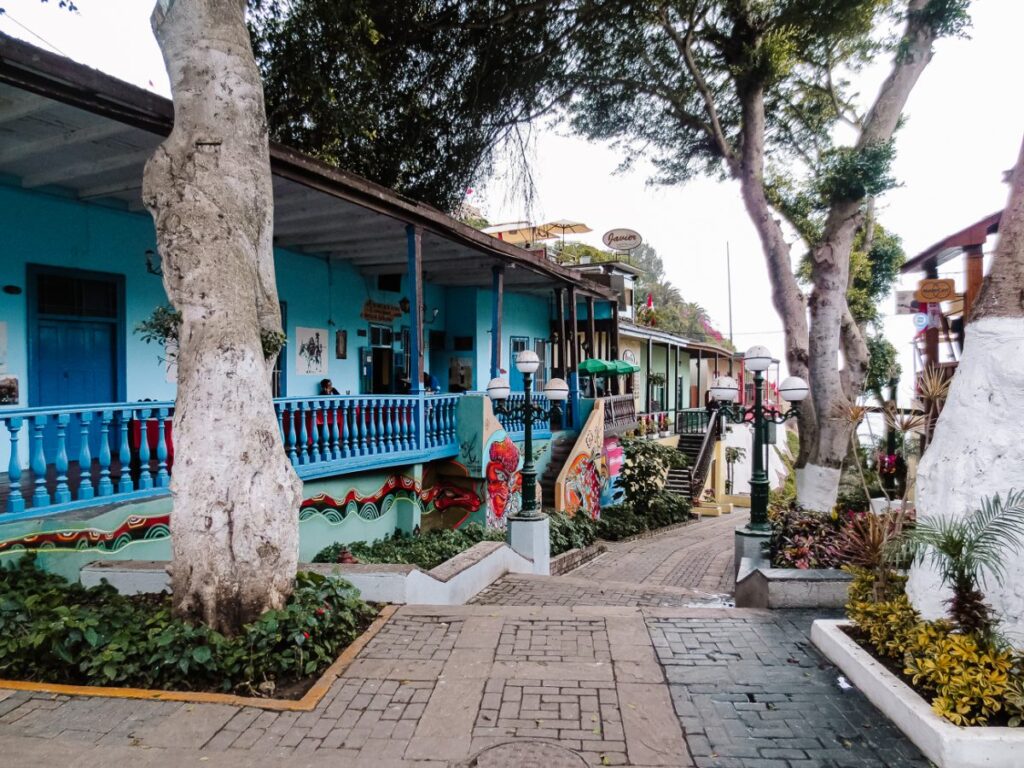
You’ll walk past old houses, murals and small places to eat. Take the time to look up and around you, too, and notice the details of the façades, balconies and narrow streets. The Bajada de Baños is a lovely place for a leisurely stroll. From the coast, you can then walk back up and continue exploring Barranco.
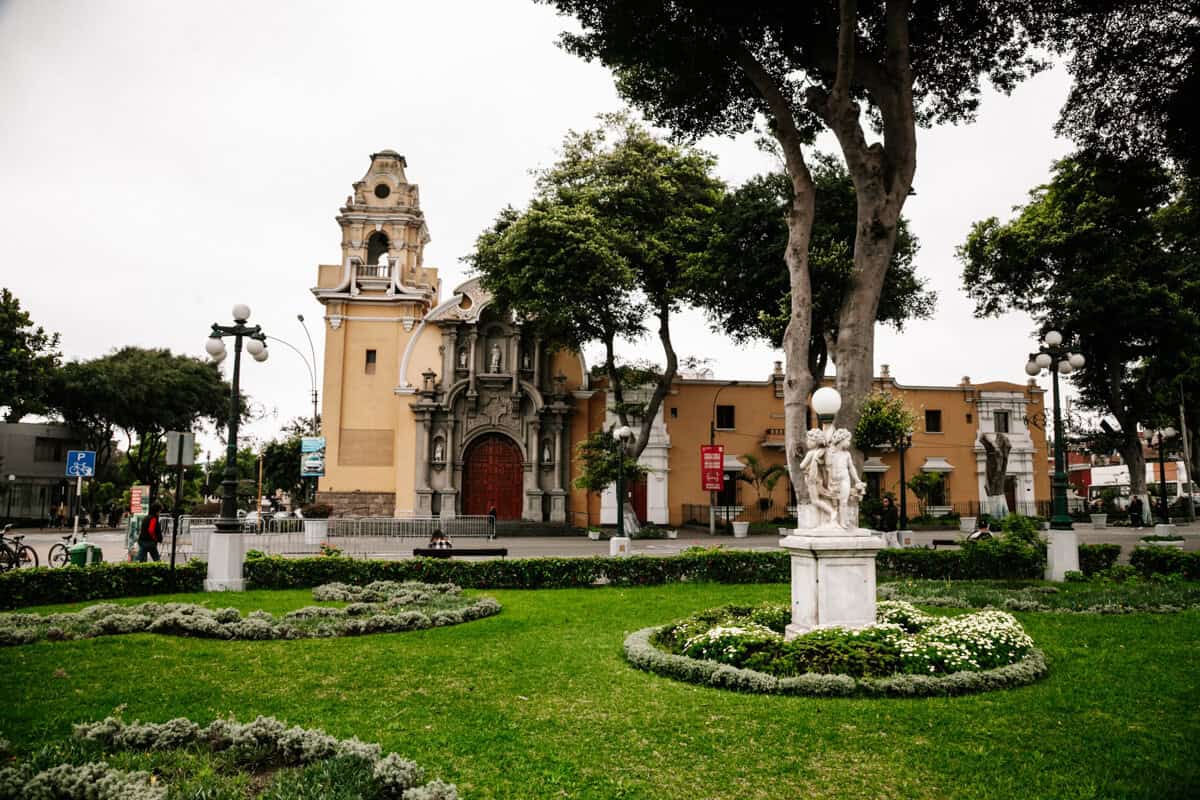
Parque Municipal is a convenient starting point for your visit to Barranco. This leafy square lies at the heart of the neighbourhood and is surrounded by historic buildings, cafés and restaurants. You’ll find benches, trees and a small bandstand, while the surrounding streets offer a lively glimpse into everyday life in the neighbourhood.

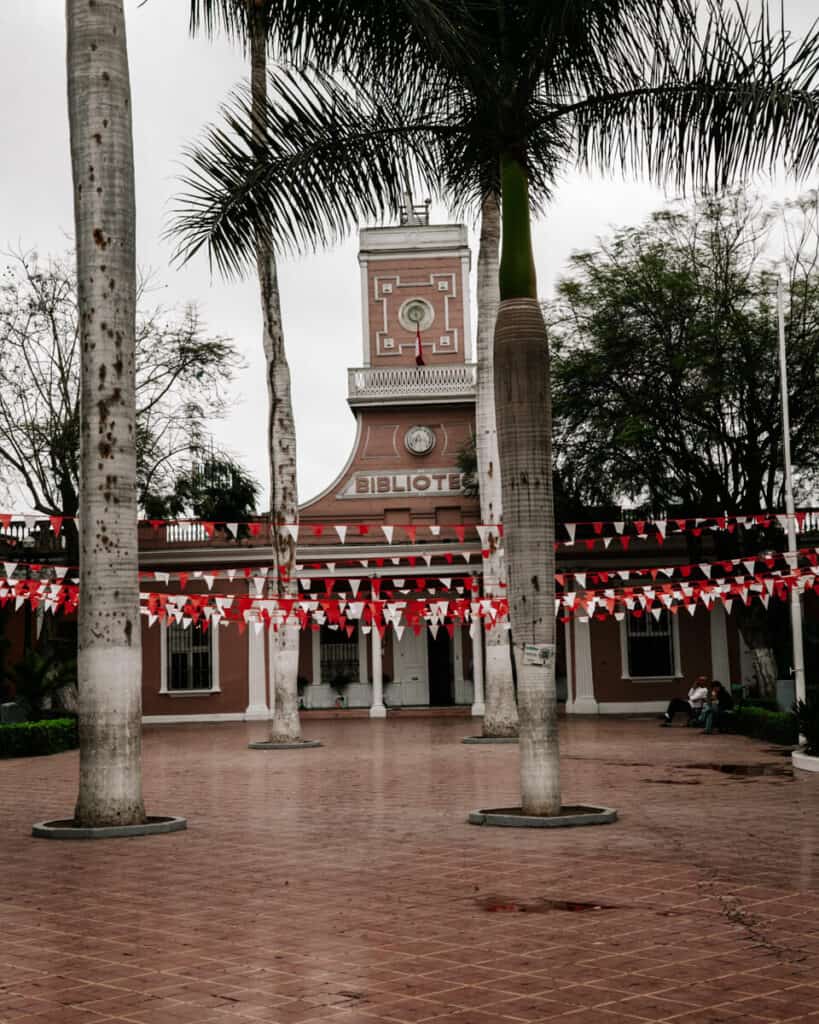
From the square, you can walk to the Puente de los Suspiros and the Bajada de Baños. The surrounding streets are also worth exploring, with historic façades, small shops and cultural spaces.
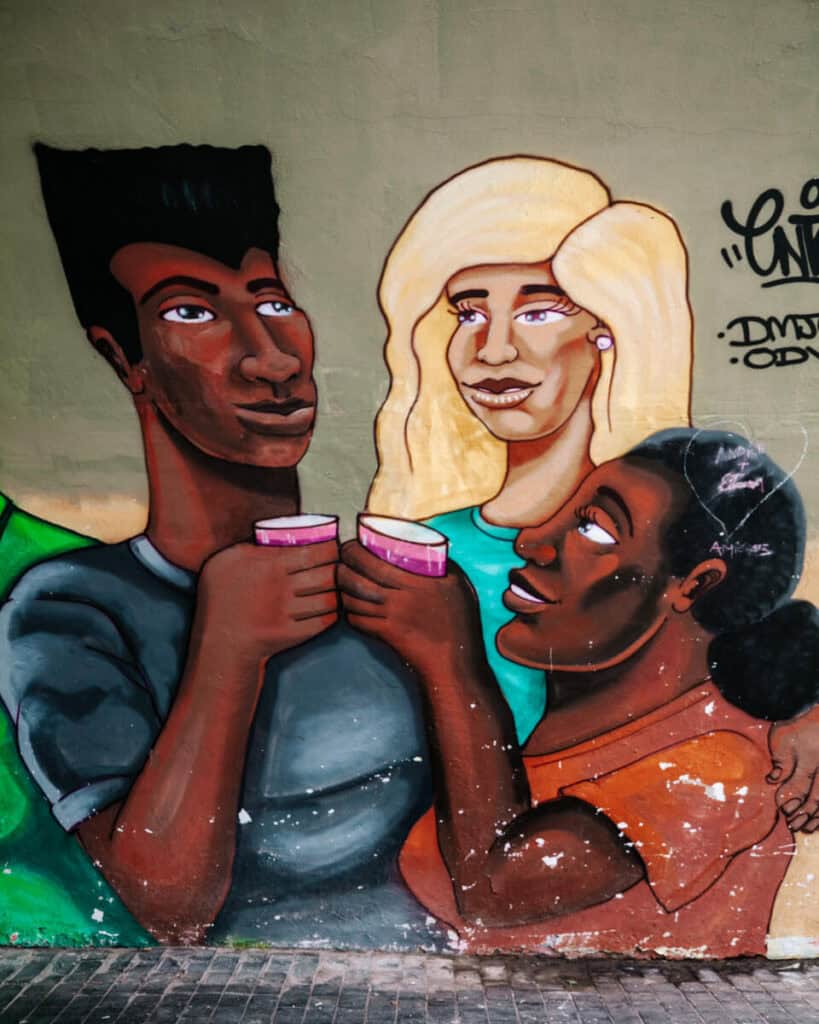
Barranco is one of the best neighbourhoods in Lima for street art. You’ll find countless murals and works by local and international artists on façades, walls and in small side streets. The great thing is that you don’t need to follow a specific route. For example, start at Parque Municipal and walk towards the Puente de los Suspiros, turning into the side streets along the way.


After a long flight or a trip around Peru, I love taking a walk along the coast. Barranco sits above Lima’s coastline, where high cliffs overlook the Pacific Ocean. Along the coast, you’ll find walking promenades, green parks and several viewpoints. One particularly nice route runs from Barranco to Miraflores. Along the way, you’ll pass Parque Malecón de Barranco, cross the Puente de la Paz and walk past the Mirador de la Bandera and the Letras de la Ciudad on your way towards Miraflores.
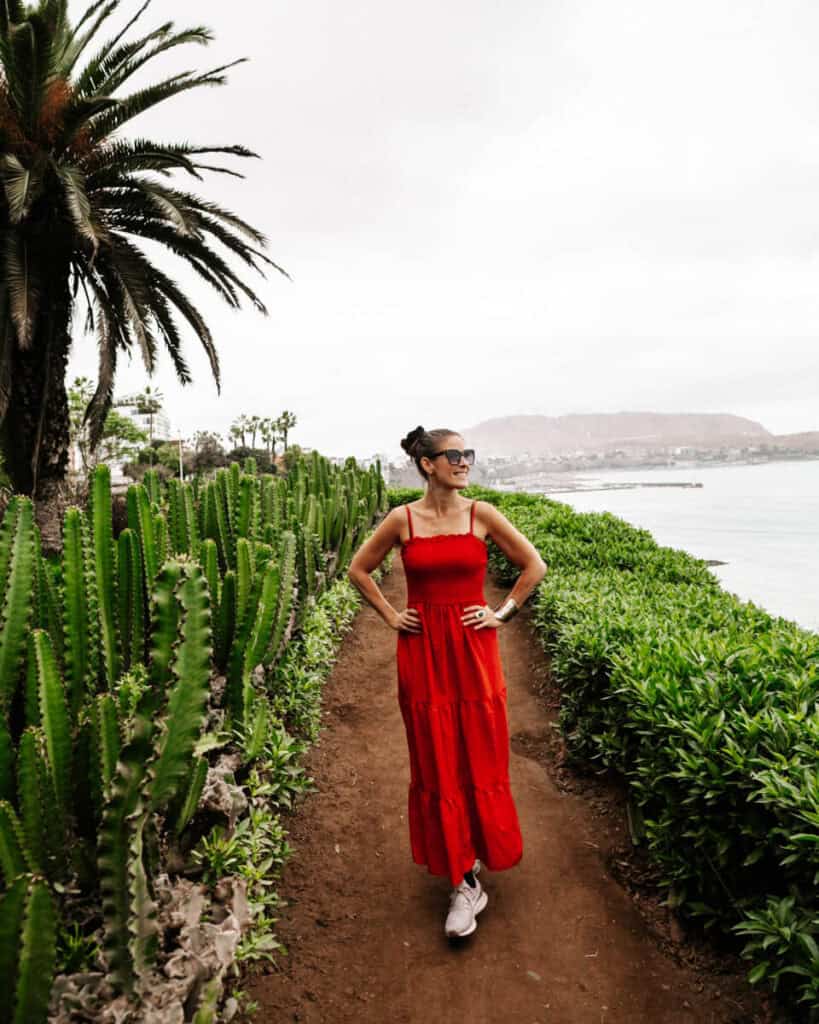

You’ll share the route with joggers, cyclists and walkers, as well as paragliders soaring above the ocean. It’s particularly pleasant in the late afternoon, when you can enjoy the fresh sea air and take in the views. Keep in mind that the cliffs are high, and there isn’t easy access to the beach from every point along the coast.
Would you like to explore Barranco in a more active way? On this bike tour through Miraflores and Barranco, you’ll discover Barranco’s colourful streets, artistic neighbourhood and coastline by bike. Along the way, you’ll learn more about the neighbourhood’s history and character and see places you might otherwise walk straight past. The tour combines Barranco with Miraflores, but it’s also a fun way to discover Barranco’s creative atmosphere and different sides.
Are you interested in modern and contemporary art? Whenever I visit Lima, I always try to see which exhibitions are on at the Museo de Arte Contemporáneo, usually referred to as MAC. The museum showcases works by Peruvian and international artists and offers an interesting insight into Lima’s contemporary art scene. Check which exhibitions are on before your visit, as the programme changes regularly.
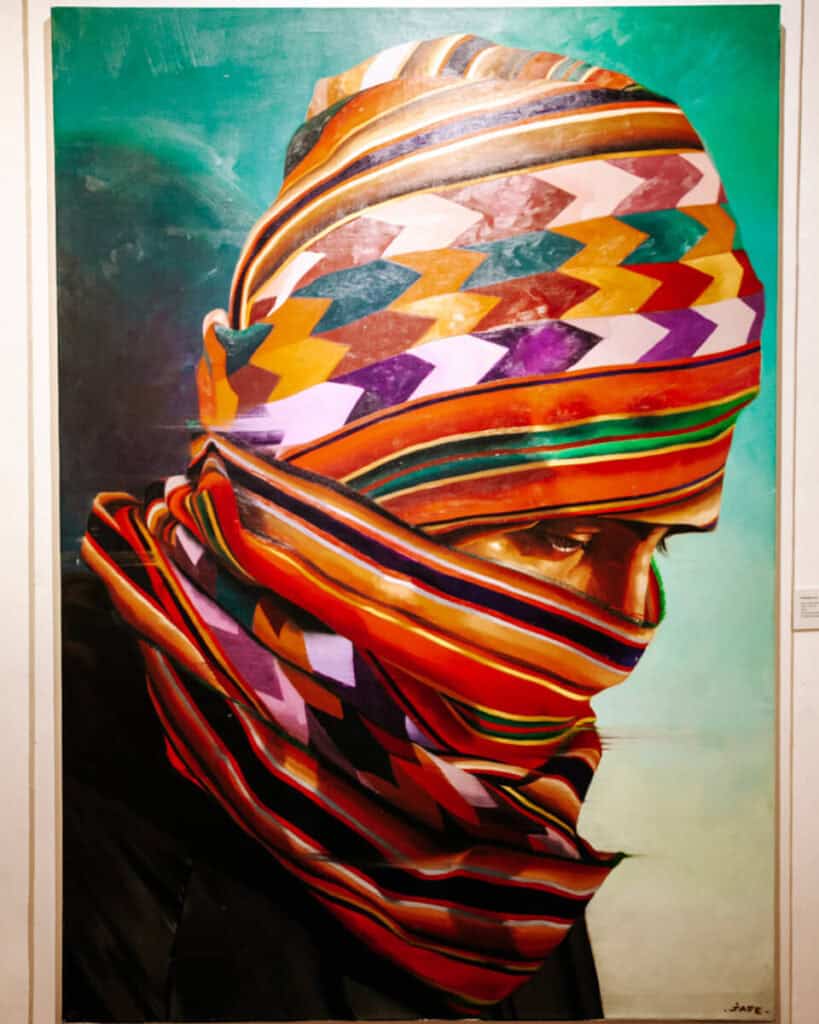
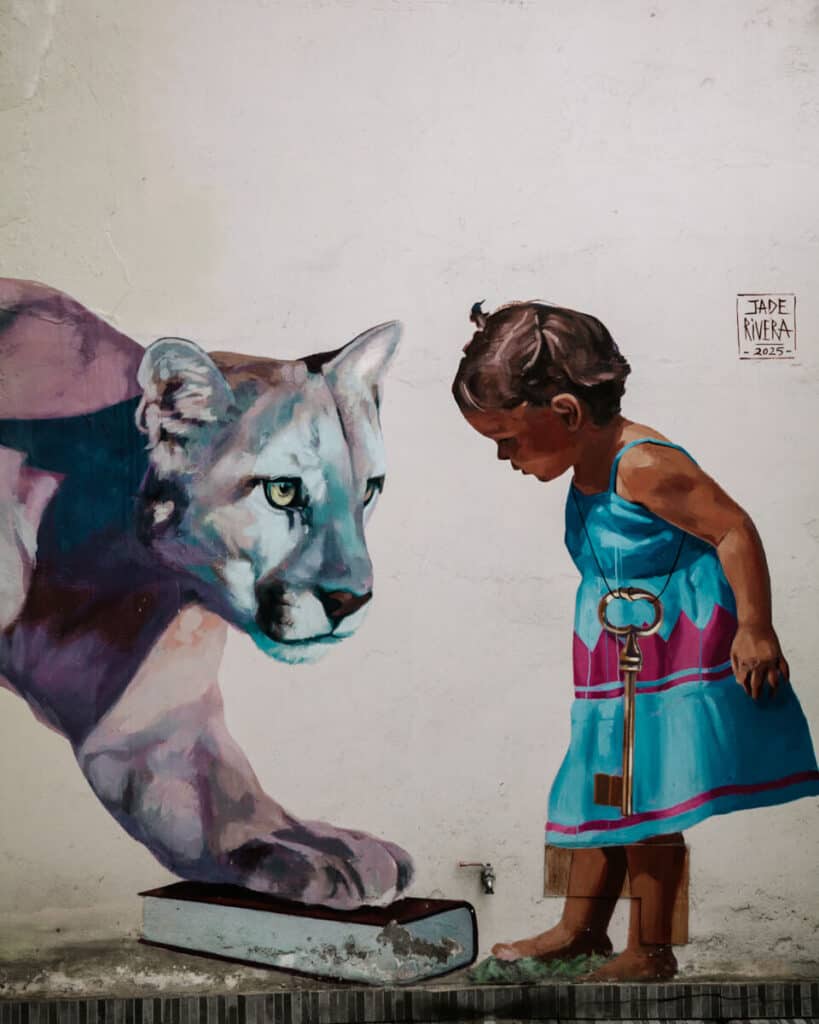
Museo Jade Rivera is an interesting stop if you’d like to learn more about Barranco’s contemporary art scene. Jade Rivera is a Peruvian artist known for his figurative paintings and murals, in which people, animals and surreal elements play an important role. The museum is small, but it’s worth popping in for a look.
For a very different art experience, visit Museo Pedro de Osma. Rather than contemporary art, the focus here is on Peruvian art from the colonial period. The collection includes paintings, sculptures and silverwork, offering an insight into artistic traditions that emerged from a blend of European and Indigenous influences.
The museum is housed in an elegant villa in the southern part of Barranco. Take some time to explore the interior and gardens, too, as the historic building itself is well worth seeing.
Would you like to look beyond Barranco’s better-known museums during your visit? Keep an eye out for Proyecto AMIL, too. This independent art initiative supports contemporary art in Peru and brings together artists, curators and other creative professionals. Its projects and exhibitions provide space for innovative ideas and offer a glimpse into the country’s contemporary art scene. The programme changes regularly, so check in advance whether an exhibition or event is taking place during your stay.
Barranco is also a great place to explore if you enjoy discovering local designers, art books and unique souvenirs. Rather than large shopping centres, you’ll find independent shops, concept stores and places with a character of their own.
Here are a few addresses worth checking out:
Would you like to explore Peruvian cuisine alongside Barranco’s sights? On this food tour of Barranco, you’ll walk between different restaurants and shops with a local guide, sampling a variety of Peruvian dishes and drinks. You’ll discover lesser-known specialities, find out where to eat in the neighbourhood and learn more about the traditions behind Peruvian cuisine. Ceviche and pisco sour are also on the menu, and you’ll learn how these famous Peruvian classics are prepared. The tastings add up to more than enough for a full meal, so arrive hungry.

I personally find that the best way to explore Barranco is on foot, as the main sights are relatively close to one another. Start at Parque Municipal de Barranco. Take a look around the square and its historic buildings, then walk through the surrounding streets towards the Puente de los Suspiros. From the bridge, head down the Bajada de Baños, where you can admire the murals and old houses along the way. Continue towards the coast before making your way back to the centre of the neighbourhood.
On your way back, take the time to explore the side streets. Look out for street art, pop into Dédalo or another shop, and visit a gallery if one is open. You can finish your walk with a coffee, lunch or a drink on a terrace. Allow around two hours for the basic route without any extended stops. If you also want to visit Museo Pedro de Osma, Museo Jade Rivera or MAC, set aside some extra time.
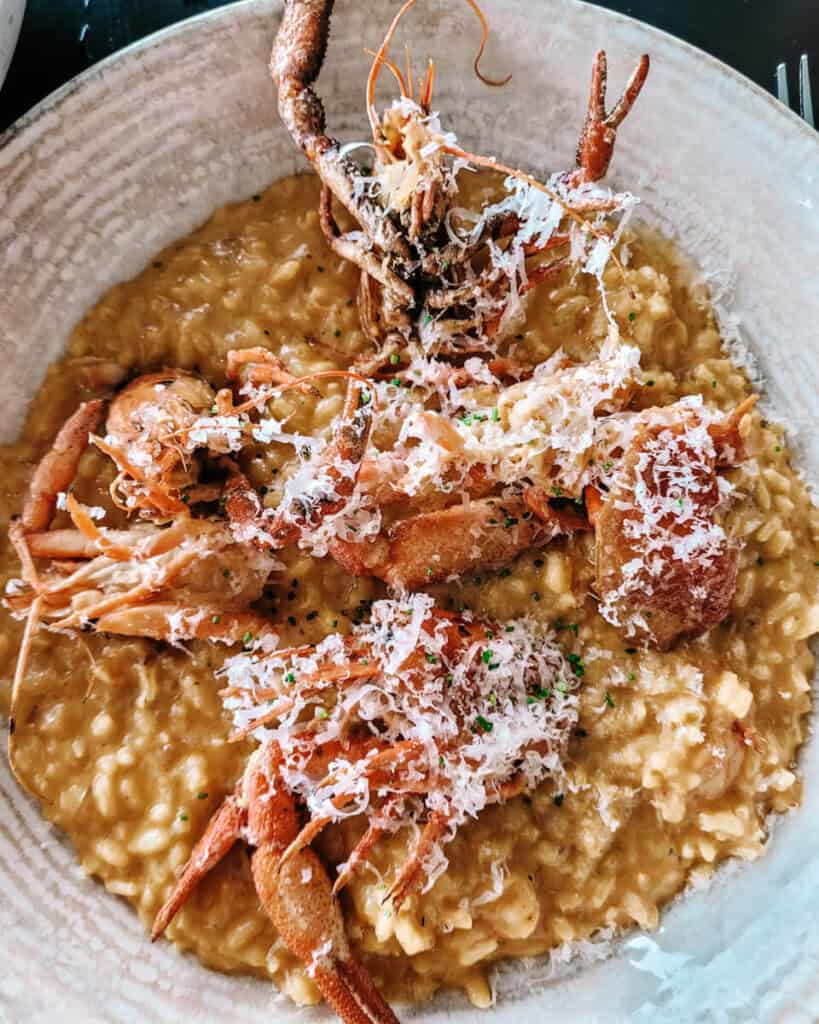
Barranco is one of the best neighbourhoods in Lima for eating out. You’ll find everything from simple local restaurants and cevicherías to elaborate tasting menus and cocktail bars housed in historic mansions. Whether you’re looking for a good cup of coffee, a traditional Peruvian lunch or a special dinner, there are plenty of places to choose from.
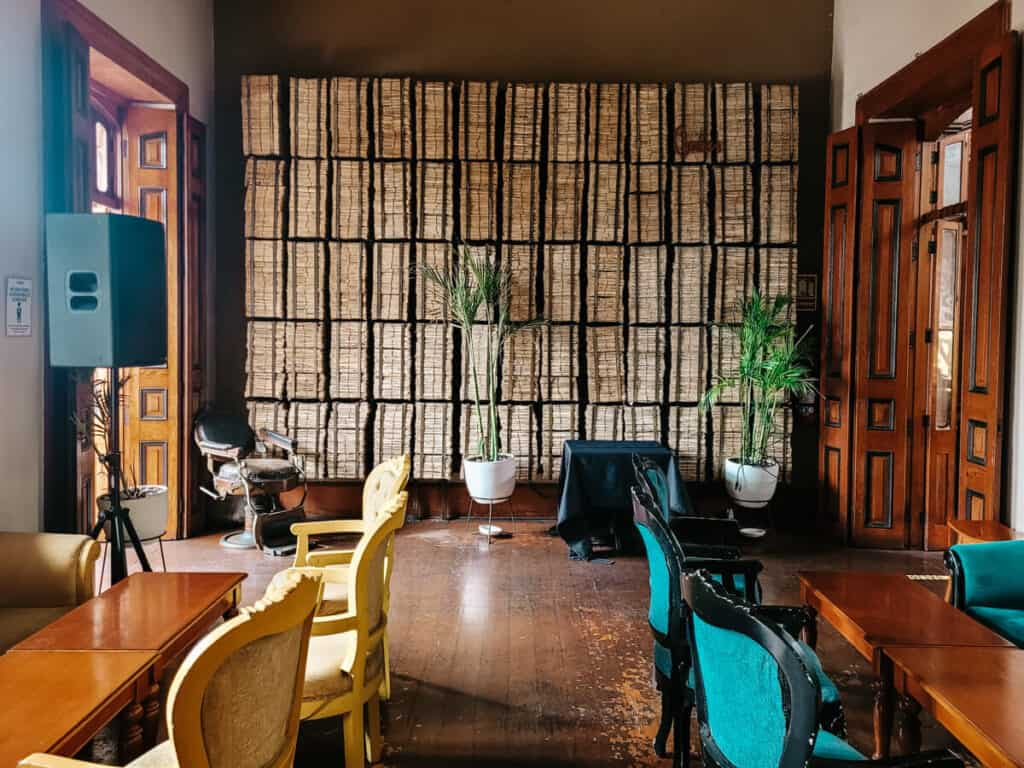

My tip: Plan your visit to Barranco so that you have time for lunch or dinner, too. The neighbourhood comes alive not only around its sights, but also in the cafés, restaurants and bars where people gather
For me, Barranco is the best neighbourhood to stay in. You’ll find yourself in a different setting from the more modern Miraflores, surrounded by galleries, restaurants and historic streets. Here are my tips for hotels in Barranco, Lima.
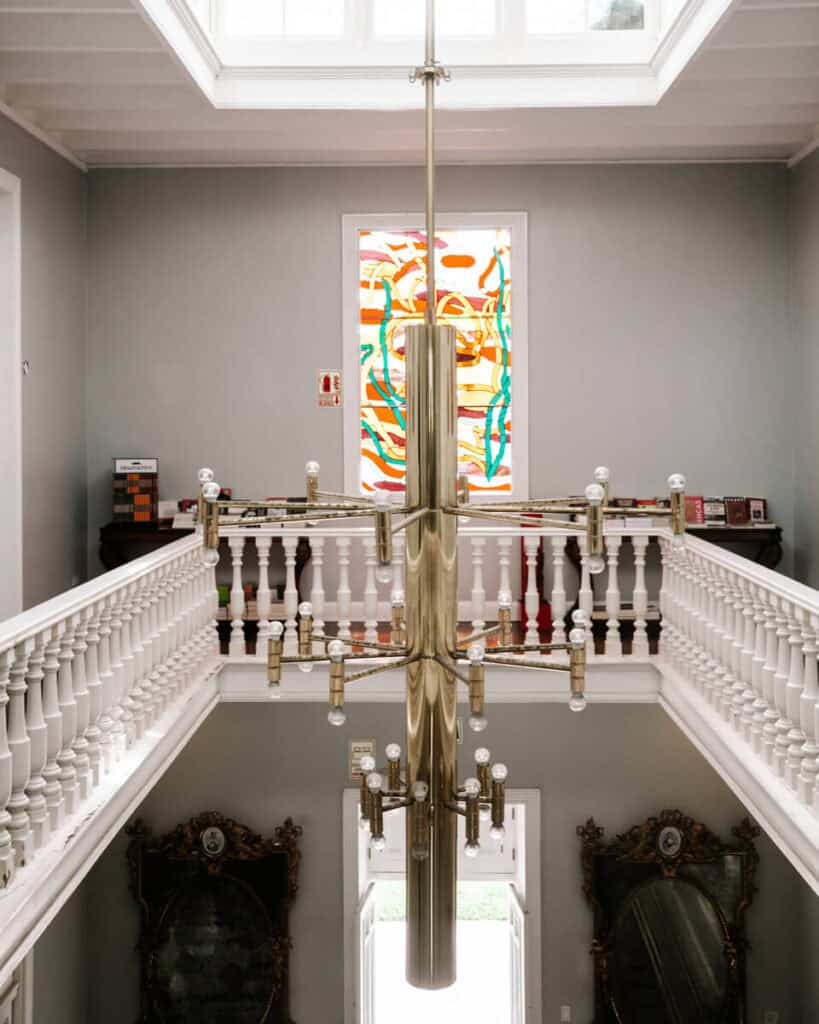
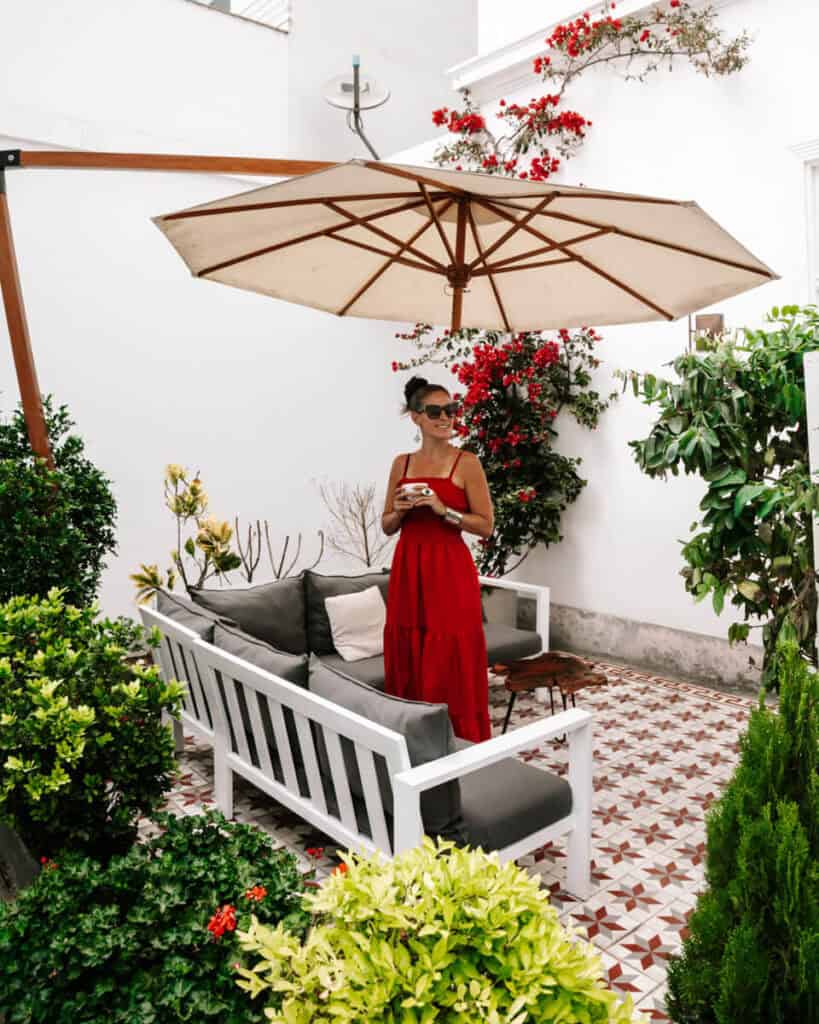
Casa República is housed in a restored mansion dating from Peru’s republican period, with high ceilings, original architectural details and an interior that combines old and new. The hotel is located in Barranco, within walking distance of restaurants, cafés and several of the neighbourhood’s main sights. From here, you can explore much of Barranco on foot and won’t have to go far to find somewhere for dinner in the evening.
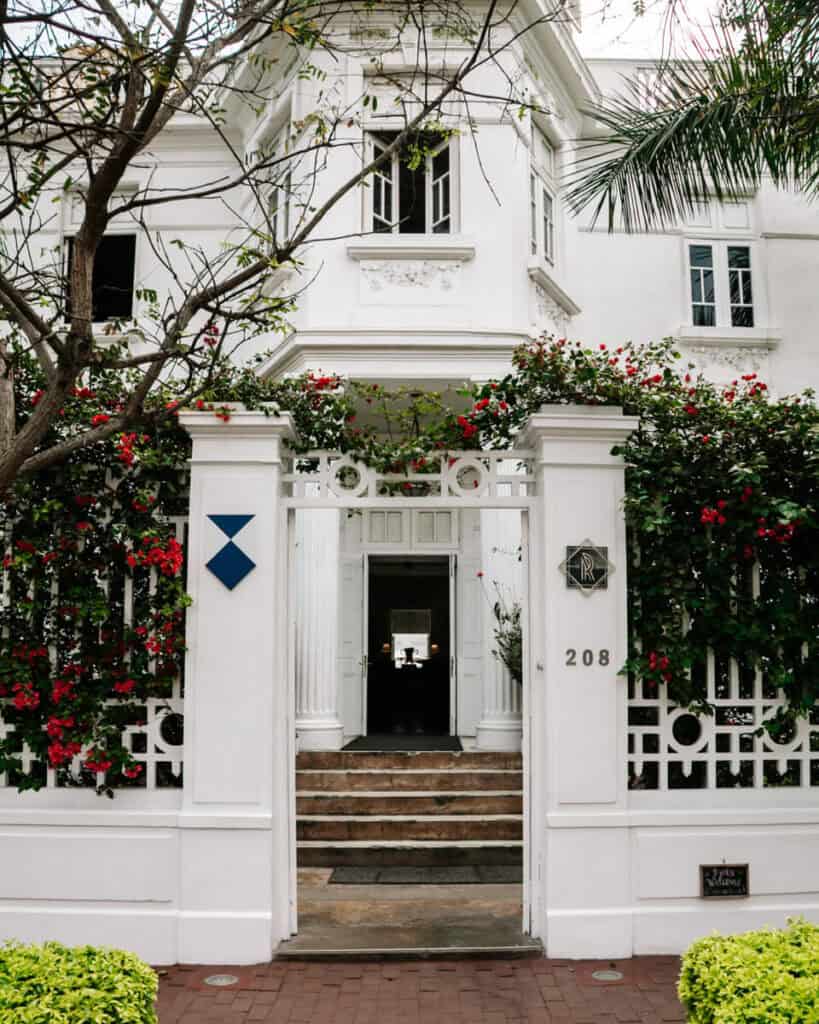
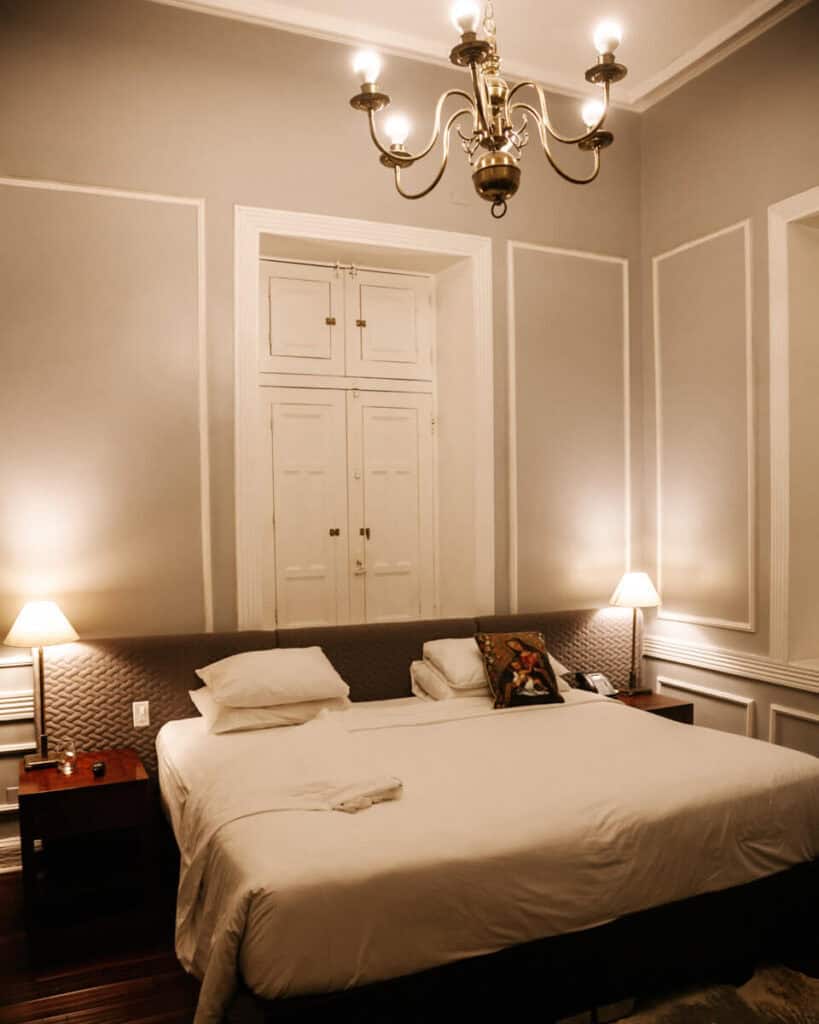
Check current availability and prices for Casa República Barranco here. You can also read more about my experience at Casa República Barranco here.
You’ll need a few hours to see Barranco’s main sights, including Parque Municipal, the Puente de los Suspiros and the Bajada de Baños. If you also want to explore the street art, visit shops and stop for lunch, allow half a day. Add one or more museums, and you can easily spend a full day here.

Barranco is easy to reach from Miraflores by taxi or Uber, depending on traffic. You can also enjoy a walk along the coast from Miraflores, which takes around half an hour. Travel times from other parts of Lima depend on where you’re starting and the time of day. Once you’re in Barranco, you can easily visit the main sights on foot.

During the day, you’ll have time to explore the historic streets, photograph the street art and visit museums and shops. If you also want to discover the restaurants and bars, stay until late afternoon or evening. Lima’s coast is often cloudy, with grey skies particularly common during the winter months. This is part of the Peruvian capital’s climate and doesn’t make a visit any less worthwhile.
Barranco is a popular neighbourhood with both Lima residents and visitors. As in any large city, it’s wise to keep an eye on your belongings, especially in busy areas. Avoid displaying valuables and don’t carry more than you need.
After dark, it’s best to stick to busier, well-lit streets. For evening transport, use a reliable taxi app or arrange a taxi through your hotel or restaurant. If you’re visiting a restaurant or bar some distance from your accommodation, it’s worth planning your return journey in advance.
Yes, Barranco and Miraflores are easy to combine. Both neighbourhoods are located along Lima’s coast and offer views of the Pacific Ocean, but they have different atmospheres and sights. In Miraflores, you’ll find parks along the cliffs, shops and a wide range of restaurants. Barranco, on the other hand, stands out for its historic architecture, street art, galleries and creative spaces.
For example, you could spend the morning in Miraflores and head to Barranco in the afternoon for a walk, a museum visit and dinner. If you want to explore both neighbourhoods in depth, allow more time.
Barranco is a great addition to a visit to Lima, but the Peruvian capital has plenty more to offer. In the historic centre, you can discover colonial architecture, churches and squares. In Miraflores, you can walk along the cliffs and visit various museums and restaurants. Lima also has a lot to offer when it comes to food, from traditional cevicherías to restaurants known internationally for their innovative cuisine.
Would you like to plan more of your visit? Read my comprehensive guide to things to do in Lima, including the best sights, restaurants and hotels. You’ll find more tips to help you plan your stay in the Peruvian capital.
Planning a trip to Peru or just starting your research? In the next travel guide, you’ll find everything you need to know about traveling to Peru, including practical tips, essential travel info, and inspiration for where to go and what to see. Hopefully, my articles will help you get the most out of your trip, or convince you to add Peru to your travel bucket list.
Did you enjoy reading this article with tips and things to do in Barranco Lima in Peru? Let me take you on a further journey along the most beautiful destinations and attractions in Peru in the next articles.
This article may contain affiliate links. If you purchase something using one of our links, we may receive a commission at no extra cost to you, which helps us keep this blog alive. Thank you for your support! Please see our disclosures for more information.
In Barranco, you can explore historic sights, discover street art, visit small galleries and wander through colourful streets. The Puente de los Suspiros, the Bajada de Baños and Parque Municipal are among the best-known spots. You’ll also find interesting museums, independent shops, cafés, restaurants and cocktail bars.
You’ll need around two hours to explore Barranco’s main sights on foot. If you also want to visit museums, browse the shops and enjoy the restaurants, set aside half a day or longer.
Yes, Barranco is a lovely choice if you enjoy art, culture, historic buildings, and a great café and restaurant scene. The neighbourhood has a character all of its own and, in my opinion, is more enjoyable than Miraflores. If you like staying in a boutique hotel, Casa República.
Yes, Barranco’s main sights are relatively close to one another, making it easy to explore the neighbourhood on foot.
Absolutely. Barranco has a wide range of restaurants and bars, from traditional Peruvian restaurants to creative fine-dining spots. You can enjoy an elaborate dinner or round off the day with a cocktail. If you’re staying out late, plan your transport back to your accommodation in advance.

Are you interested in the world? Do you want to learn more about a country and its culture? Let me take you on a journey with Passport the World.
As a travel reporter, producer and tour guide, I have been traveling around the world for the last 20 years, looking for the most scenic places and stories that are worth sharing. In Passport the World, I am guiding you along scenic and cultural places, cities, art, viewpoints, hiking trails and unique experiences. To help you get the most out of your travels or to just get to know a country and culture better!


Are you interested in the world? Do you want to learn more about a country and its culture? Let me take you on a journey with Passport the World.
As a travel reporter, producer and tour guide, I have been traveling around the world for the last 20 years, looking for the most scenic places and stories that are worth sharing. In Passport the World, I am guiding you along scenic and cultural places, cities, art, viewpoints, hiking trails and unique experiences. To help you get the most out of your travels or to just get to know a country and culture better!