Lima is the vibrant capital of Peru, and a city where I continue to discover new places after countless visits. You’ll find a historic centre filled with colonial buildings, the colourful neighbourhood of Barranco, beaches along the Pacific Ocean, museums full of pre-Columbian art, and fantastic restaurants where you can get to know the diversity of Peruvian cuisine. Yet most travellers only set aside one day for Lima before continuing their journey through Peru. And that’s a real shame. In this travel guide, I’ll share my tips for the best things to do in Lima, along with my favourite sights, neighbourhoods, restaurants, and practical advice to help you make the most of your visit to the city.
As soon as you arrive in Lima, you immediately realise that you’re in a South American metropolis. Cars, traffic jams, honking horns, billboards, and street vendors: the roads are busy, and getting from one neighbourhood to another can take quite some time. Lima is the capital of Peru, and its metropolitan area is home to more than 10 million people. That’s almost a third of Peru’s population.
Lima was founded on 18 January 1535 by Spanish conquistador Francisco Pizarro and grew into the capital of the Spanish colonial administration in South America. Its location on the Pacific Ocean and along the Rímac River played an important role in its development. After the Second World War, the city expanded rapidly. To this day, people from all over the country continue to settle in Lima and the surrounding areas in search of work.

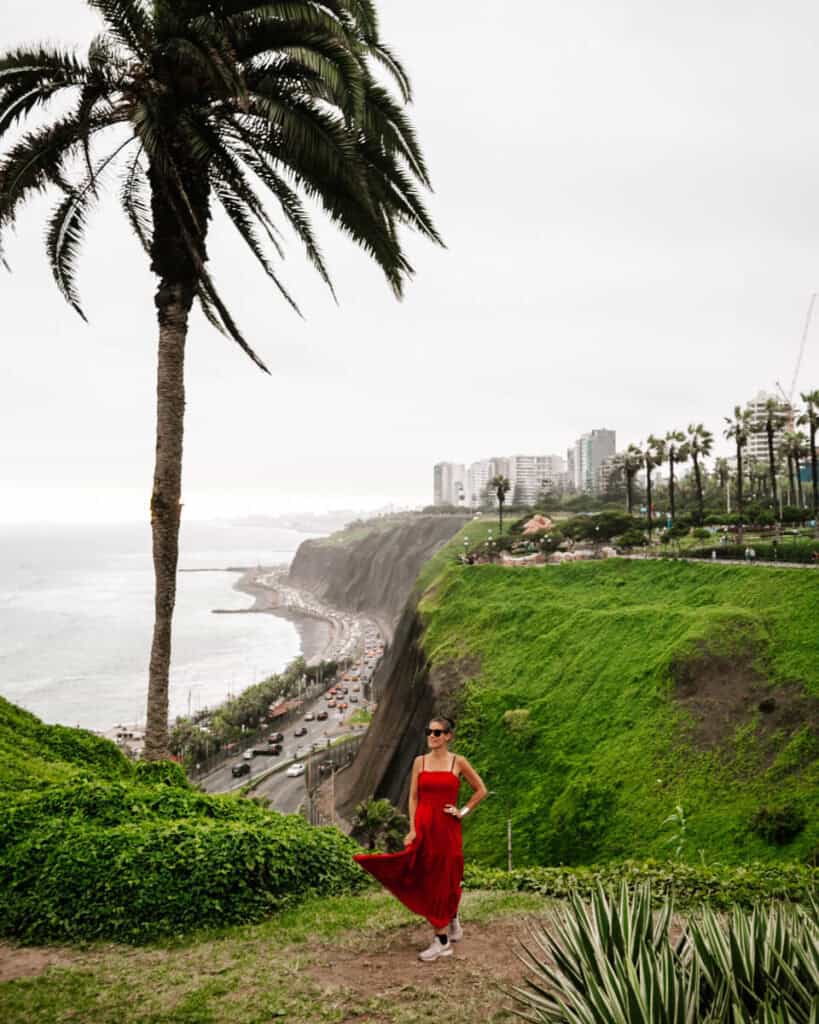
Lima lies on the Pacific Ocean, in an arid desert region that stretches along the coast from Peru into Chile. The city is built along high cliffs and has a long coastline lined with beaches, piers, highways, and promenades, sometimes right beside the sea and sometimes high above it. Although Lima receives relatively little rainfall, that doesn’t mean the sun is always shining. During the winter months in particular, a grey sea mist known as the garúa frequently hangs over the city. Combined with air pollution, it can make the sky look rather gloomy.
This might not sound particularly appealing, but believe me: you can easily spend several days in Lima and have a wonderful time. From lovely neighbourhoods and ancient archaeological sites to impressive museums and restaurants where you can enjoy an amazing meal, there’s plenty to discover. Curious? Then read on.
I’ve had the opportunity to visit Lima countless times, both while producing television programmes and while leading group tours through Peru. And every time I return, I discover new neighbourhoods, special places, and restaurants. In this travel guide, I’ll share my tips on the best things to see and do in Lima, so hopefully you’ll come to appreciate the city as much as I do.
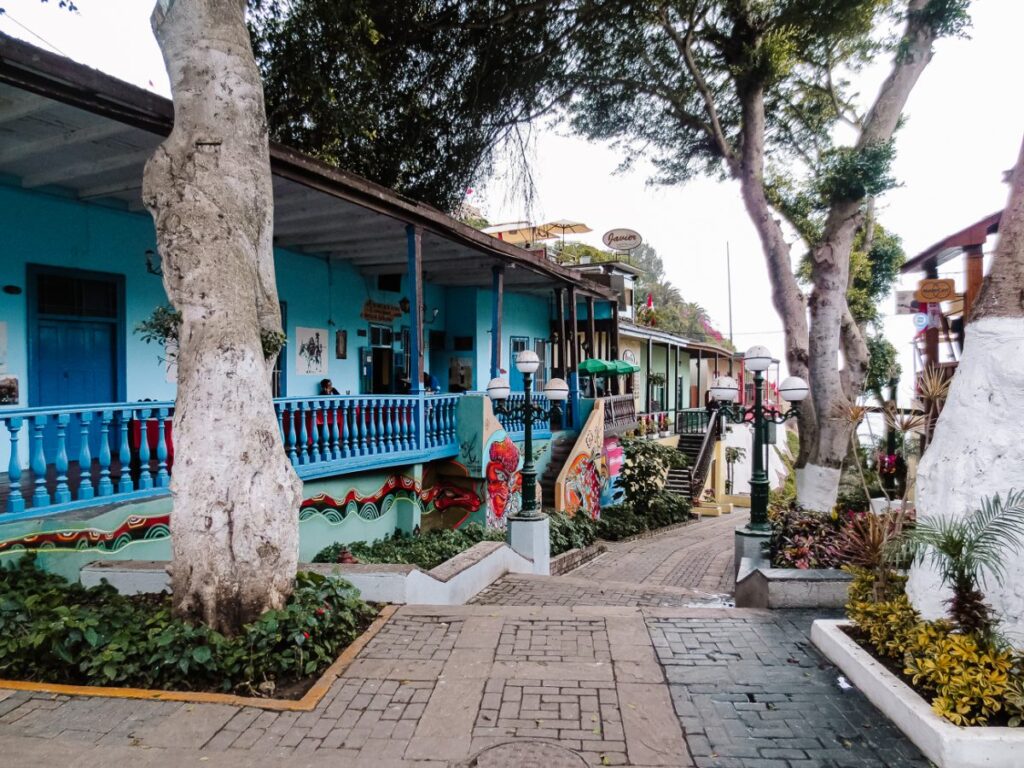
One of my favourite neighbourhoods in Lima is Barranco. It’s one of the most beautiful parts of the city and feels completely different from the busy historic centre. Barranco is home to many Peruvian artists, photographers, and writers, giving it a creative and welcoming atmosphere. You’ll find colourful streets, street art, galleries, independent shops, and restaurants. Here are a few places and things to do you won’t want to miss in Barranco Lima:
Want to discover more? Read my comprehensive travel guide to Barranco in Lima.

After a long flight or a trip around Peru, I love taking a walk along the coast. Lima’s coastline is lined with high cliffs overlooking the Pacific Ocean. In several places, you’ll find promenades with green parks and viewpoints. One nice route runs from Barranco to Miraflores. Along the way, you’ll pass Parque Malecón de Barranco, cross Puente de la Paz, and walk past Mirador de la Bandera and Letras de la Ciudad on your way to Miraflores.
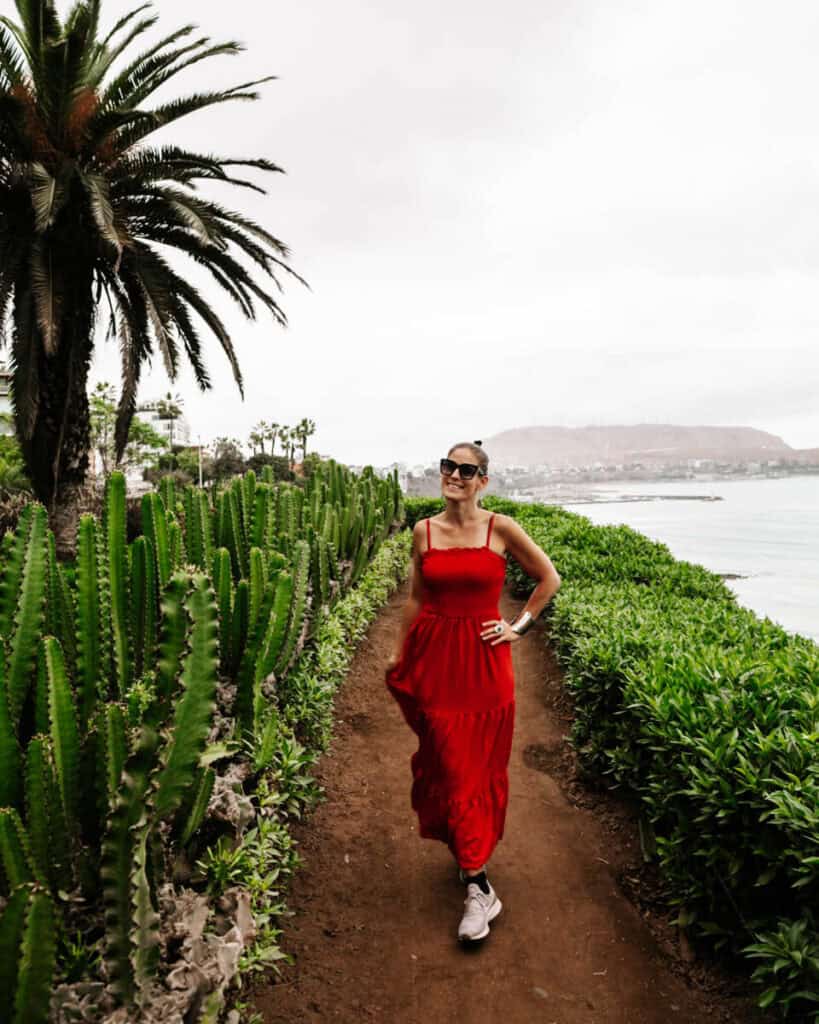
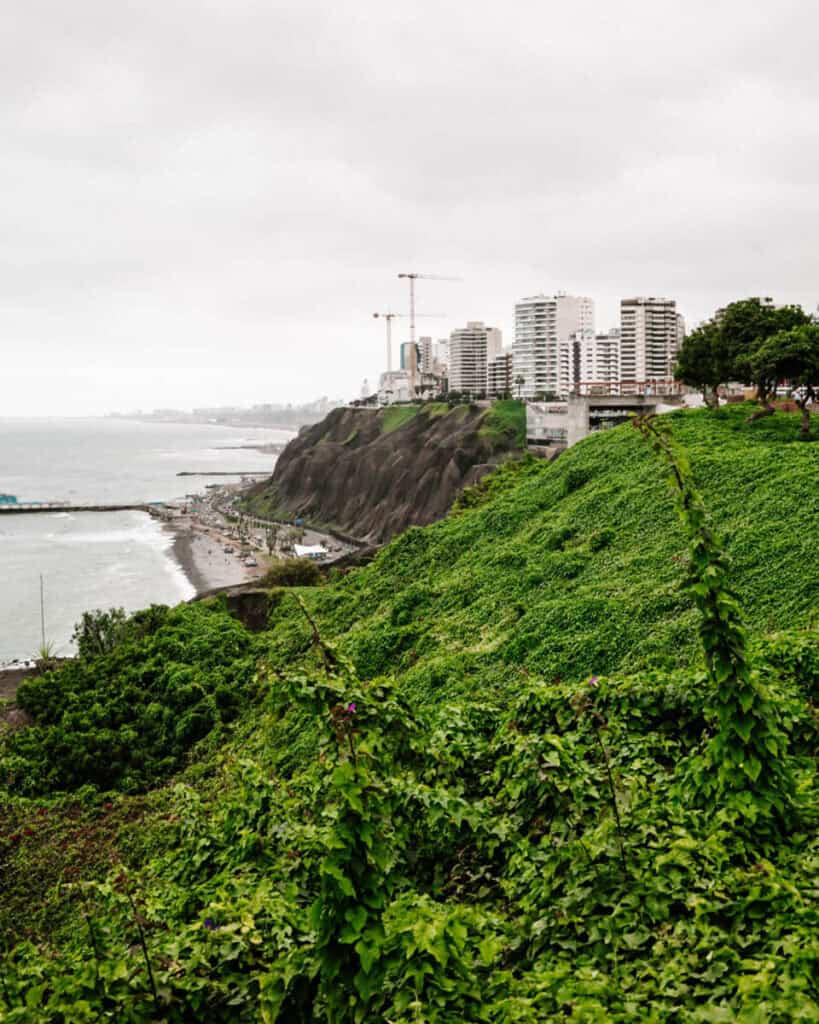
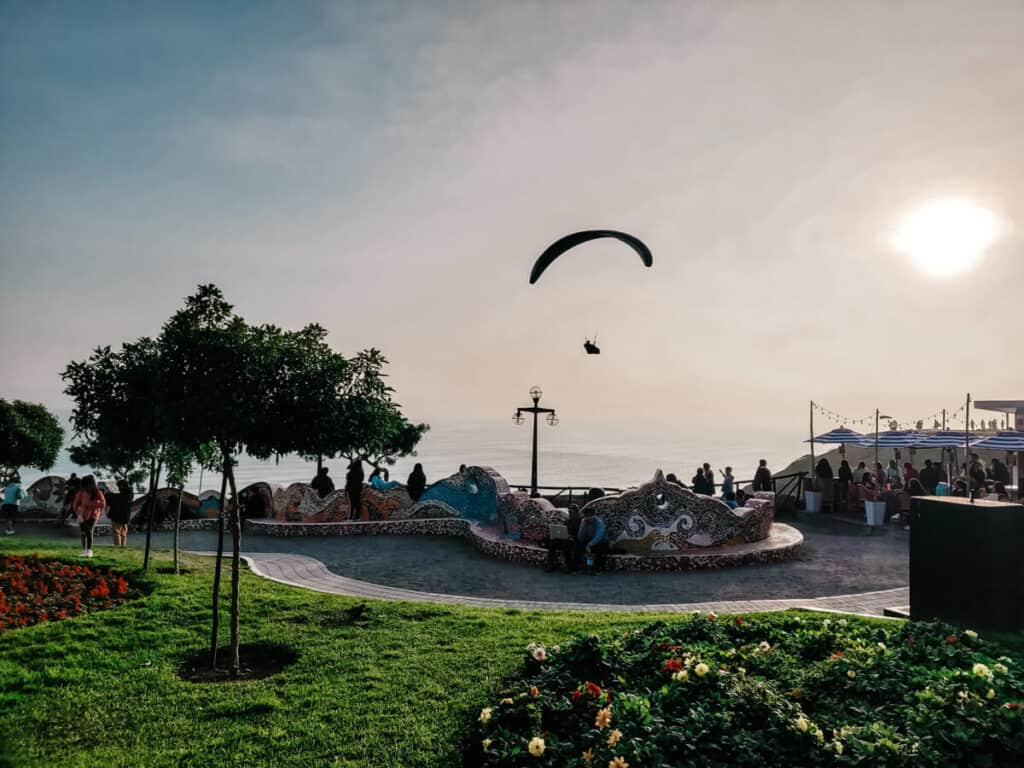
Along the way, you’ll see plenty of joggers and cyclists as well as paragliders gliding above the ocean. Keep in mind that the coastal cliffs are high and that there isn’t easy access to the beach everywhere.
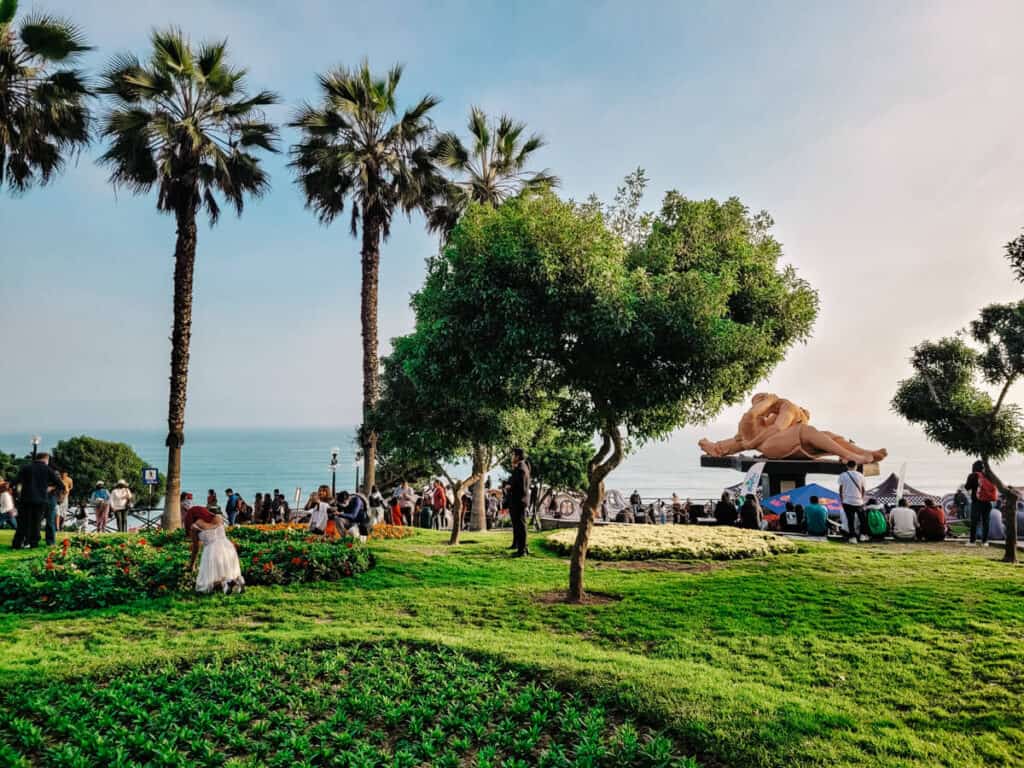
One of the best-known spots along Lima’s Malecón is Parque del Amor, or the Park of Love. Located in Miraflores, the park is decorated with colourful mosaics and romantic quotes, with the sculpture El Beso (The Kiss) as its main attraction. The mosaic-covered benches are reminiscent of Gaudí’s work in Park Güell in Barcelona. From the park, you can look out over the coastline and the Pacific Ocean, where you’ll often see surfers. It’s a lively place where people come to picnic, exercise, or simply sit and relax.
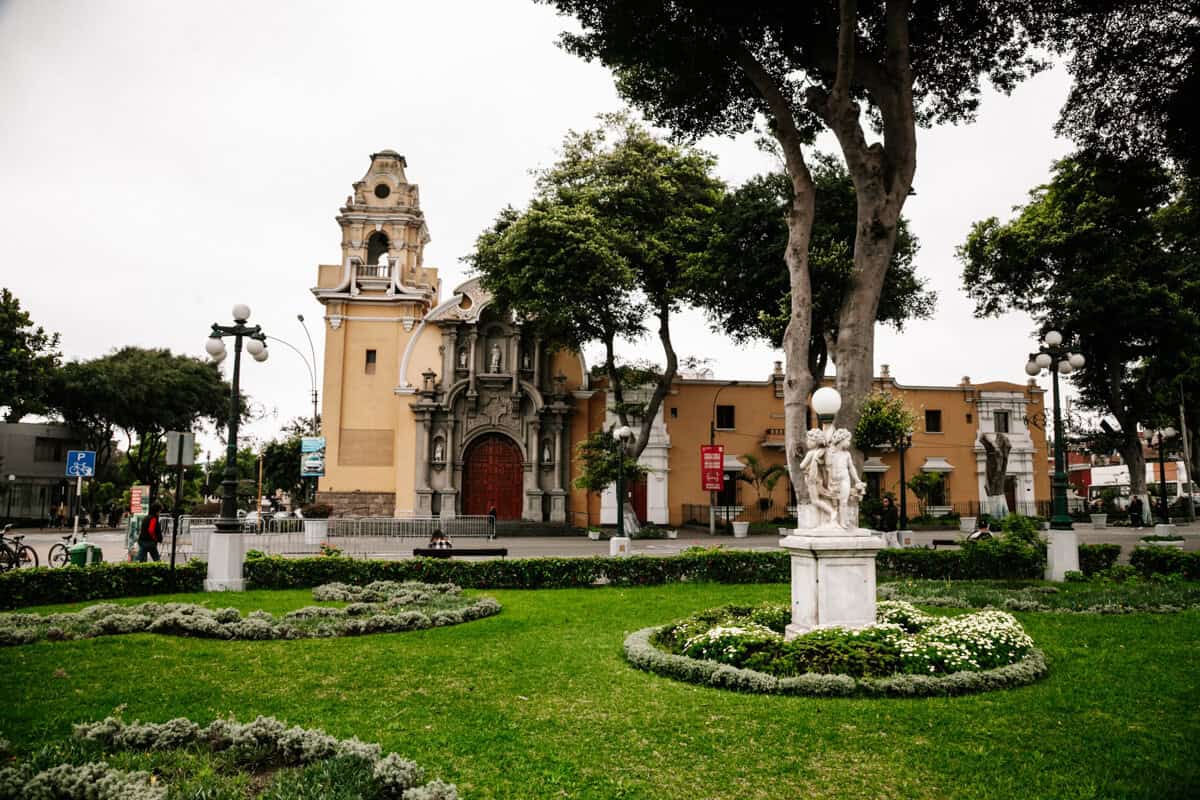
If you’re visiting Lima for the first time, it’s worth exploring the historic centre. It’s busy and chaotic, but it gives you a good impression of everyday life and the city’s history. The colonial centre was largely laid out in a grid pattern, with Plaza Mayor, also known as Plaza de Armas, at its heart. This type of street plan can be found in various cities founded in Latin America during the Spanish colonial period.


Lima’s historic centre is also a UNESCO World Heritage Site. Pay particular attention to the old mansions, richly decorated façades, and distinctive wooden balconies that extend over the streets. Here are some of the sights you don’t want to miss in central Lima:
Chinatown is also worth a visit. You’ll find shops, markets, and restaurants where Chinese and Peruvian cuisine come together. Following the abolition of slavery, many Chinese migrant workers came to Peru. Their influence on local food culture is still clearly visible today, particularly in chifa cuisine, which combines Chinese and Peruvian culinary traditions.
Lima is a large city, and the historic centre can feel a little overwhelming on your first visit. Although you can easily explore Lima’s sights and things to do independently, joining a tour with a local guide can add another dimension to your visit. You’ll hear stories you might otherwise miss and gain a better understanding of the city. Here are a few ways to discover Lima:
Afterwards, you can continue exploring on your own, perhaps by visiting one of the city’s museums or settling down at a restaurant in the historic centre.
Cycling allows you to discover more in a short time than you would on foot. During the Lima highlights bike tour with Baja Bikes, you’ll head out with a guide and get a good impression of the different neighbourhoods and everyday life in the Peruvian capital. Along the way, you’ll learn more about the city and its history and see Lima from a different perspective.
Want to explore Lima’s local cuisine as well as its sights? During this street food tour through Lima’s historic centre, you’ll head out with a local guide and sample a variety of Peruvian specialities, such as tamales, ceviche, churros, and the famous pisco sour. You’ll visit local eateries and the central market. Along the way, your guide will tell you about Lima’s history. It’s a fun way to combine sightseeing with good food and discover flavours you might not otherwise try for yourself.
As you may know, I’m fascinated by ancient cultures. One of my favourite museums and things to do in Lima is Museo Larco, officially known as Museo Rafael Larco Herrera. This private museum is housed in a historic mansion and has an impressive collection of archaeological finds. The objects are displayed beautifully and clearly, giving you a good understanding of the different cultures that inhabited Peru before the arrival of the Spanish.


You’ll find ceramics, jewellery, textiles, and objects that tell you more about the daily lives, religious beliefs, and rituals of ancient civilisations. The collection of pre-Columbian erotic art is particularly fascinating. Be sure to leave some time to explore the museum’s garden and courtyard as well.
In my separate article about the best museums in Lima, you’ll find more tips for cultural things to do.
The best way to get to know Peruvian cuisine is, of course, to roll up your sleeves and try it yourself. During a cooking class with the Aliaga Sisters, you’ll discover traditional dishes. I took the class myself, where chef Mabel and her family welcome you into their home. You’ll learn more about the ingredients, recipes, and cooking techniques while preparing several dishes together with the team. Think ceviche, lomo saltado, and a typical Peruvian dessert made with chirimoya, a tropical fruit. You’ll also sample exotic fruits and learn how to make a chilcano de pisco. Naturally, the class ends with a meal shared together.
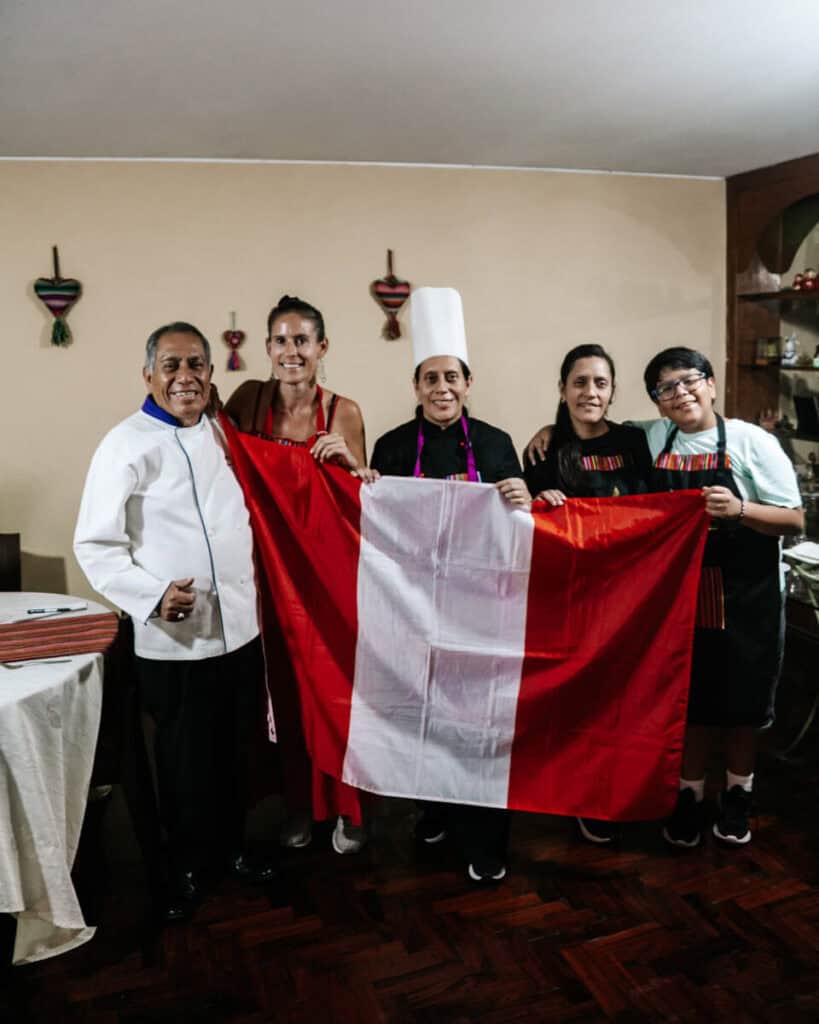
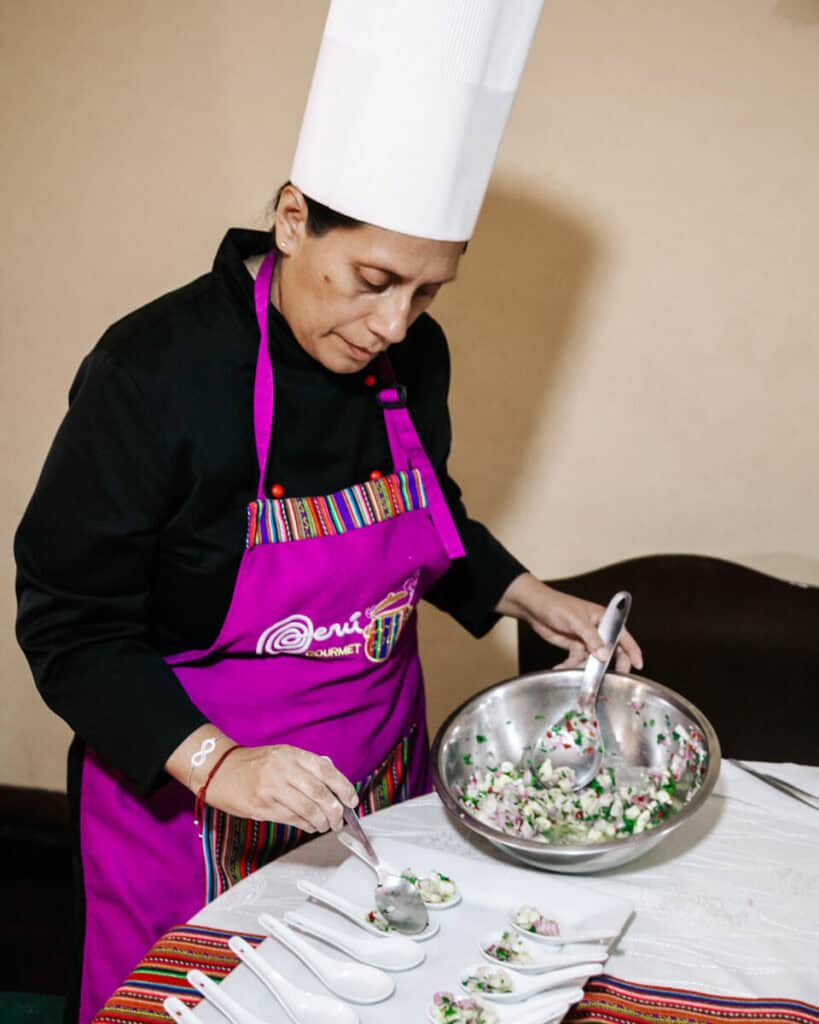
Want to learn more about Peruvian food culture? You can extend the cooking class with a visit to a local market. Here, you’ll see the wide variety of ingredients used in Peru and learn more about the produce that forms the basis of local cuisine.
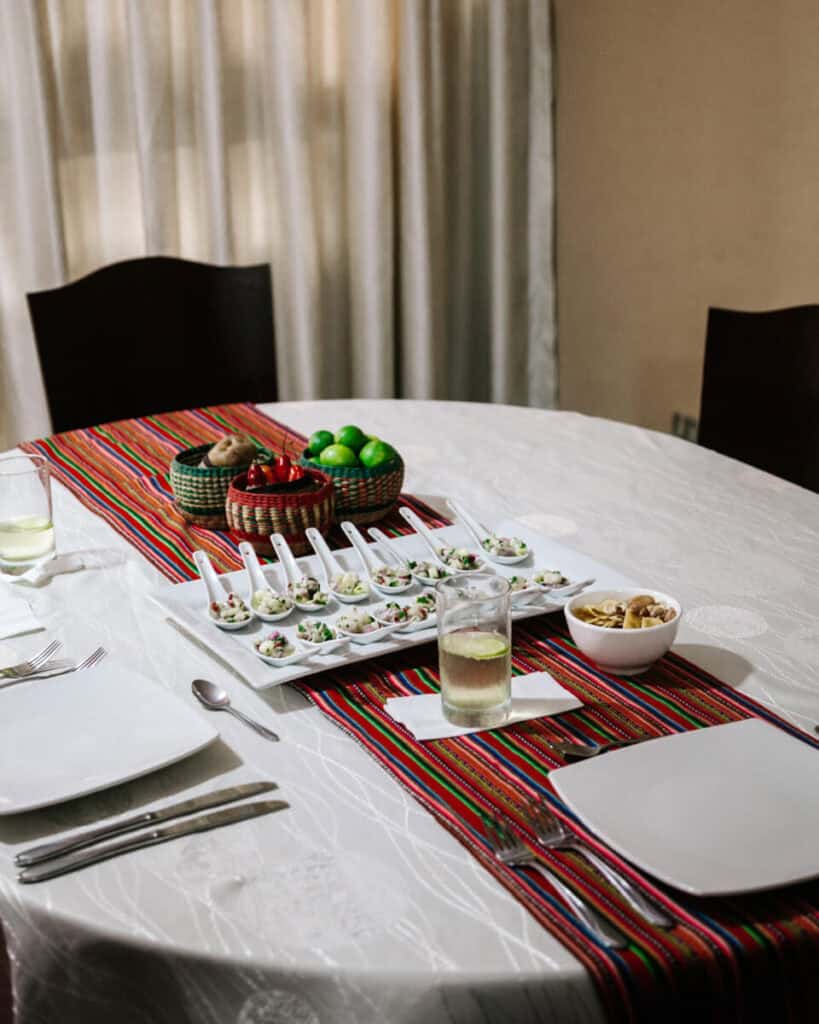
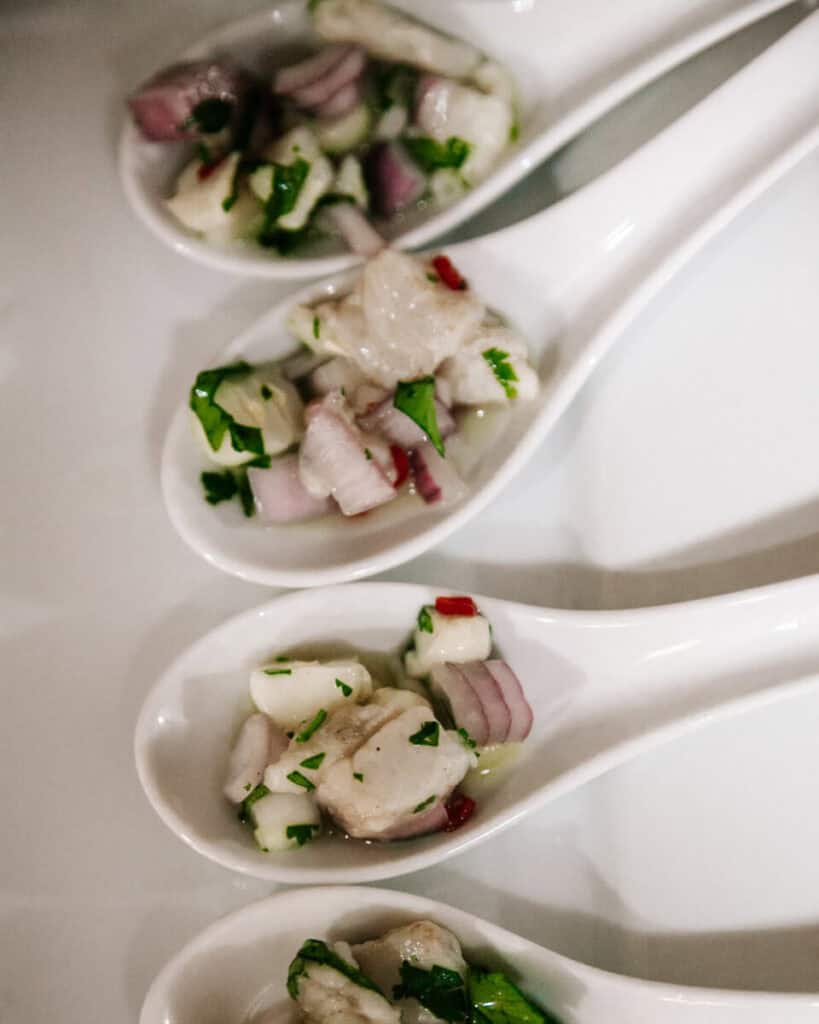
There’s also a special early-morning tour that picks you up from your accommodation at around 6 am. You’ll start at one of Lima’s large fish markets, where trading gets underway at around 3 am. You’ll see traders buying and selling fresh fish and other seafood, an important part of Peruvian food culture. You’ll also learn more about the richness of Peru’s coastline, where the cold Humboldt Current supports a wide variety of fish species. Afterwards, you’ll visit a fruit and vegetable market.
You can choose between a cooking class lasting around 2.5 hours and a more extensive programme of five to seven hours, including market visits and transport. The exact itinerary and duration vary depending on the experience. Take a look at the cooking experiences with the Aliaga Sisters and choose the programme that suits you best. I promise you that it is one of the things to do you won’t forget very soon.
Although I personally prefer staying in Barranco, many visitors also choose Miraflores. This neighbourhood is busier and more commercial, with a more urban feel and plenty of shops, cafés, and restaurants. It’s also a nice area to explore on foot.
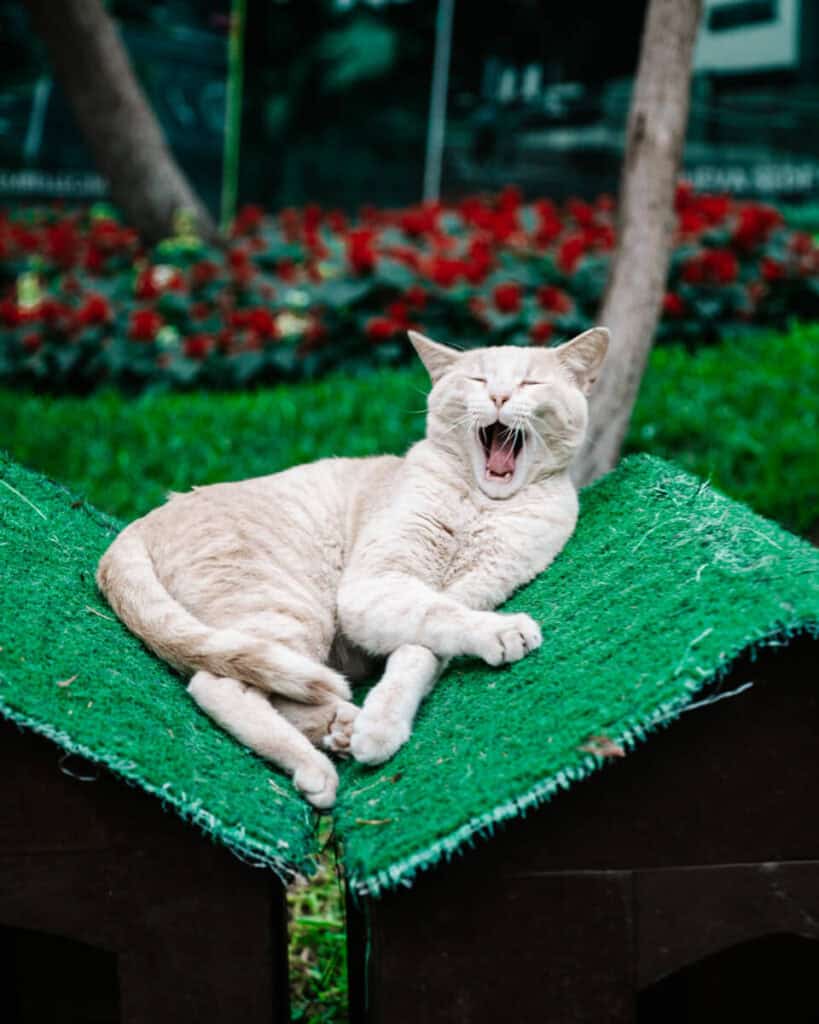
The heart of Miraflores revolves around Parque Kennedy and the adjoining Parque 7 de Junio. Around the squares, you’ll find cafés, shops, and places to eat. If you’re a cat lover, take a look around the park and the adjoining squares. You’ll regularly see cats lounging on benches or beneath the trees. Local volunteers look after them, and they’ve become a familiar part of the neighbourhood.
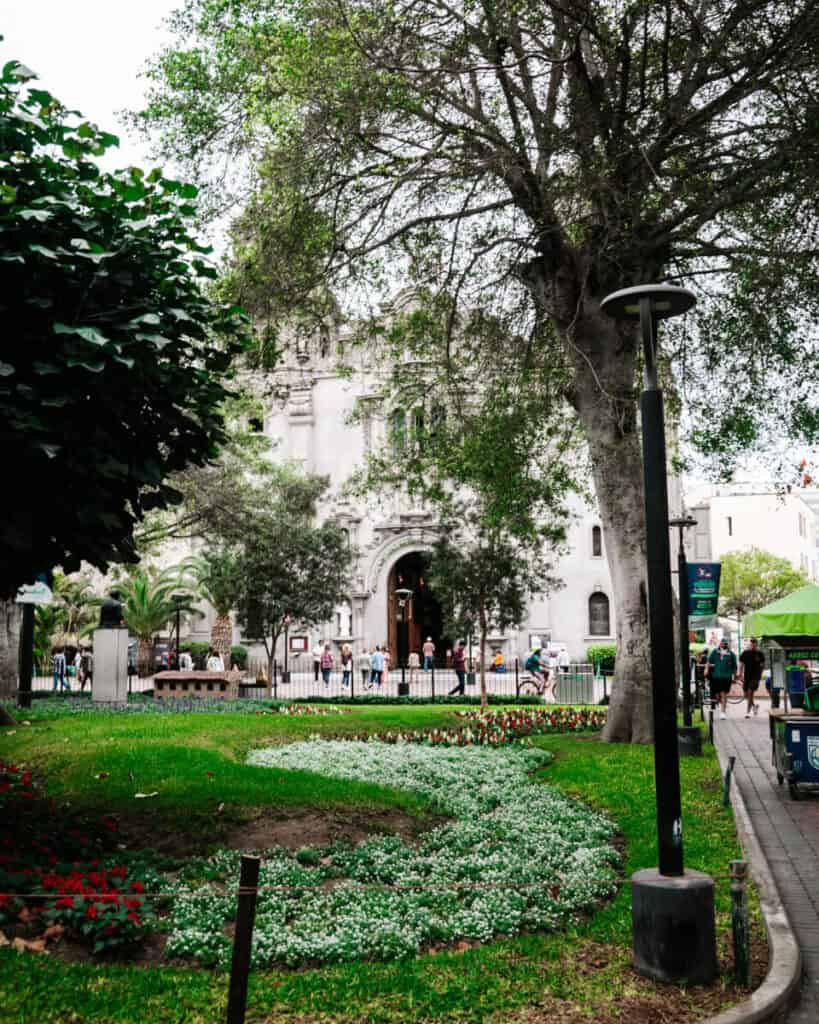
Avenida La Mar is particularly worth a visit if you want to explore Peruvian cuisine in Miraflores. The street is known for its many restaurants and cevicherías, where you can try fresh fish, ceviche, and other Peruvian specialities. La Mar and Pescados Capitales have been among my favourite places for fish dishes for years. At KION, Peruvian and Chinese cuisine come together. And when I’m in the mood for freshly baked bread, I like to stop by Pan de la Chola. Further on in this guide, I’ll share more of my favourite restaurants in Lima.

Are you interested in Peru’s ancient cultures? Then Museo Amano in Miraflores is well worth a visit. The museum has a remarkable collection of pre-Columbian textiles, including finely crafted fabrics from the Chancay culture. You’ll gain a fascinating insight into the techniques, patterns, and craftsmanship of ancient Peruvian civilisations. It’s an interesting addition to Lima’s cultural things to do, especially if you’d like to learn more about Peru’s history.
A shopping mall usually isn’t at the top of my list of things to do, but I’m happy to make an exception for Larcomar in Lima. This shopping centre is built into the coastal cliffs of Miraflores and offers ocean views from several spots.
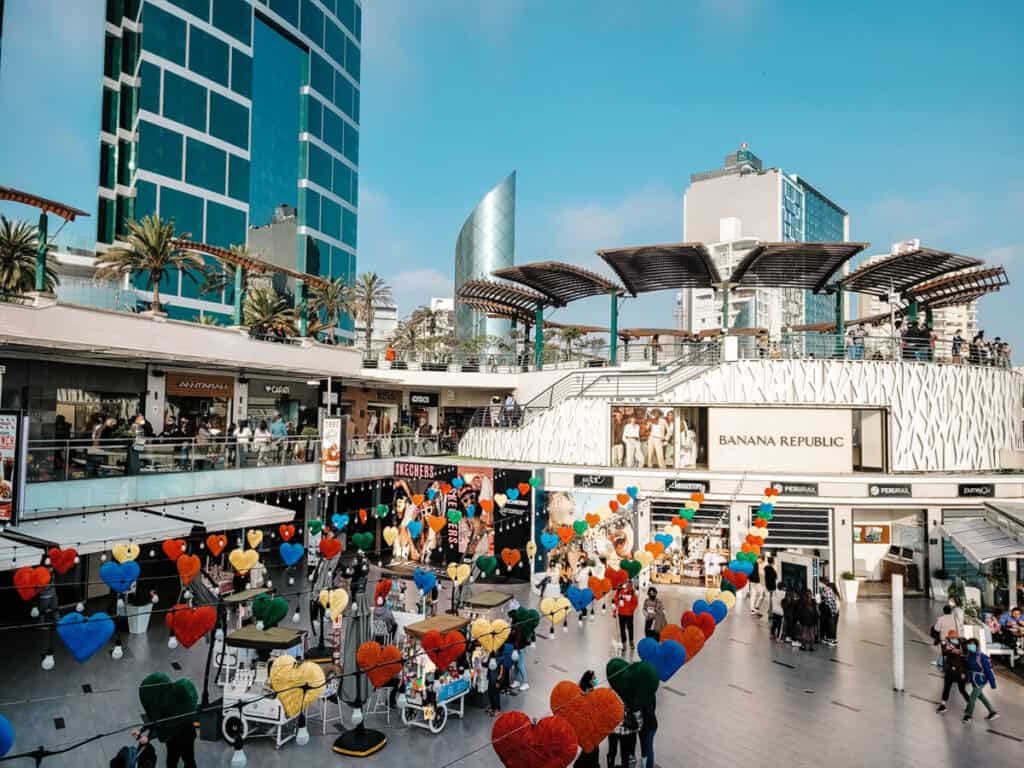

You’ll find restaurants, shops selling Latin American brands, international chains, smaller boutiques, and temporary pop-up stores. It’s a pleasant place to browse for a while or stop for a drink after a walk along the Malecón.
Lima is known for the paragliders soaring above its coastline. During your stay, you’ll probably see several of them in the air, especially along the cliffs near Miraflores. Want to see Lima’s coastline from an adventurous perspective? You can book a tandem paragliding flight here. During the flight, you’ll glide above the coast and enjoy views of the Pacific Ocean and the city. The exact route and duration depend on the provider and weather conditions.
All year round, you’ll see surfers in the Pacific Ocean, especially along the coast near Miraflores. Even if you’ve never stood on a surfboard before, you can take a lesson here. With an instructor, you’ll learn the basics and try to catch some waves yourself. It’s a fun way to experience Lima’s coastline more actively. You can book a beginner surf lesson here.

Cala is a beautiful restaurant at the foot of the coastal cliffs, overlooking the ocean. It’s located near the beaches where many surfers head into the water. From the terrace, you can regularly watch them waiting for the right wave, making for an entertaining sight. During the day, you can enjoy a lunch or stop for a drink with a sea view. In the evening, Cala transforms into a lively spot for cocktails and dinner. Club nights are also held here regularly, giving the restaurant a different atmosphere from the daytime.


Lima has more pre-Columbian history than you might expect at first glance. Two interesting places to visit are Huaca Pucllana and Huaca Huallamarca.
Right in the middle of Miraflores, surrounded by residential buildings and offices, you’ll find Huaca Pucllana. This ancient ceremonial centre was developed by the Lima culture, centuries before the Incas expanded their empire. The large pyramid and surrounding structures were built mainly from adobe, or sun-dried clay bricks. It’s fascinating to see how this ancient site has become part of the modern city. The complex was later used by other cultures as well, including the Wari. Archaeologists have discovered tombs, ceramics, and other objects here that reveal more about the different people who occupied the site and how it was used over the centuries.


Huaca Pucllana may not be the most impressive archaeological site in Peru, but it’s an interesting introduction to the country’s ancient cultures. Because it’s located right in the middle of Miraflores, you can easily combine a visit with a walk around the neighbourhood.
Another interesting site is Huaca Huallamarca, an ancient pyramid in the San Isidro neighbourhood. This archaeological structure was used by several different cultures and makes a good addition to a visit to Huaca Pucllana. It’s a smaller site, but worth exploring if you’d like to learn more about the civilisations that lived in the area around Lima long before the Spanish colonisation.
If you enjoy modern art, be sure to visit MAC, the Museo de Arte Contemporáneo, in Barranco. The museum focuses on contemporary art, with changing exhibitions and installations. MALI, the Museo de Arte de Lima, is housed in the Palacio de la Exposición. Its collection is broader and includes pre-Columbian art, colonial art, and works from later periods. The museum also hosts temporary exhibitions featuring Peruvian and other Latin American artists.
Both museums are worth visiting if you’d like to discover more than Lima’s well-known historical sights. In my guide to museums in Lima, you’ll find more information about these and other cultural things to do in the city.
In Parque de la Reserva, you’ll find Circuito Mágico del Agua, a park featuring fountains illuminated in the evening. During the evening show, jets of water, lights, music, and projections come together to create a colourful spectacle. You can walk around the park and admire the different fountains. It’s a fun activity if you have another evening to spend in Lima and are looking to do something different.

Many local families visit the park too, giving it a different atmosphere from the better-known tourist things to do in Lima. Check the latest opening hours and fountain show schedule before your visit.
Pisco is an important part of Peruvian food culture. This grape spirit is the basis of the famous Pisco Sour, a cocktail you’ll find on menus throughout Lima. Want to learn more about pisco and discover its different flavours? Visit Museo del Pisco in Lima’s historic centre. You can sample different types of pisco and learn how to make your own Pisco Sour. Prefer to explore with a guide? During this evening tour of Lima with a pisco tasting, you can combine pisco with an evening out.
There are many things to do and discover beyond Lima itself, too. For example, take a boat trip to the Palomino Islands, where you can swim alongside sea lions. If you’re interested in Peru’s history, a visit to the archaeological complex of Pachacámac is well worth considering. Here, you can explore ancient temples and the remains of several pre-Columbian cultures.

If you’d like to travel further afield, you can also take a day trip to Paracas and Huacachina. In Paracas, you can take a boat trip to the Ballestas Islands, known for their sea lions, penguins, and seabirds. From there, you’ll continue to the desert oasis of Huacachina, where you can try sandboarding among the dunes or head into the desert on a dune buggy. It’s a long day trip from Lima, but a great way to see more of Peru’s coastline and desert in a short time.
Lima has become one of South America’s most important culinary capitals. The city attracts food lovers from all over the world and boasts an impressive selection of restaurants that enjoy international acclaim. Names such as Mitsuharu ‘Micha’ Tsumura of Maido, Virgilio Martínez of Central, and Gastón Acurio of Astrid y Gastón have put Peruvian cuisine on the global culinary map.
What makes Lima’s cuisine so special is its blend of cultures and ingredients. You’ll find Nikkei cuisine, a fusion of Japanese and Peruvian influences, Chinese-Peruvian fusion cuisine, and Novo-Andean cuisine, which gives traditional Andean ingredients a contemporary twist. Pisco, Peru’s grape spirit, is also an important part of the city’s culinary culture. Why not try a Pisco Sour, the famous cocktail made with pisco, lime juice, egg white, and sugar syrup?
But there’s plenty to discover beyond these renowned restaurants, too. From ceviche and lomo saltado to traditional chifa dishes, Lima’s flavours are as diverse as the city itself. I’ve been returning to Pescados Capitales for years, one of my favourite places for fish dishes and ceviche.
Wondering where to eat in Lima? In my article about my favourite restaurants in Lima, I share my personal recommendations.
Lima has hotels to suit different budgets, from small boutique hotels in historic mansions to luxury properties along the coast. Without a doubt, my favourite neighbourhood to stay in is Barranco. You’ll find colourful streets, inviting terraces, great restaurants, and a creative atmosphere. Barranco is also relatively well connected to Miraflores and the historic centre. Here are my tips for special places to stay in Lima, from atmospheric boutique hotels to a luxurious seaside retreat.
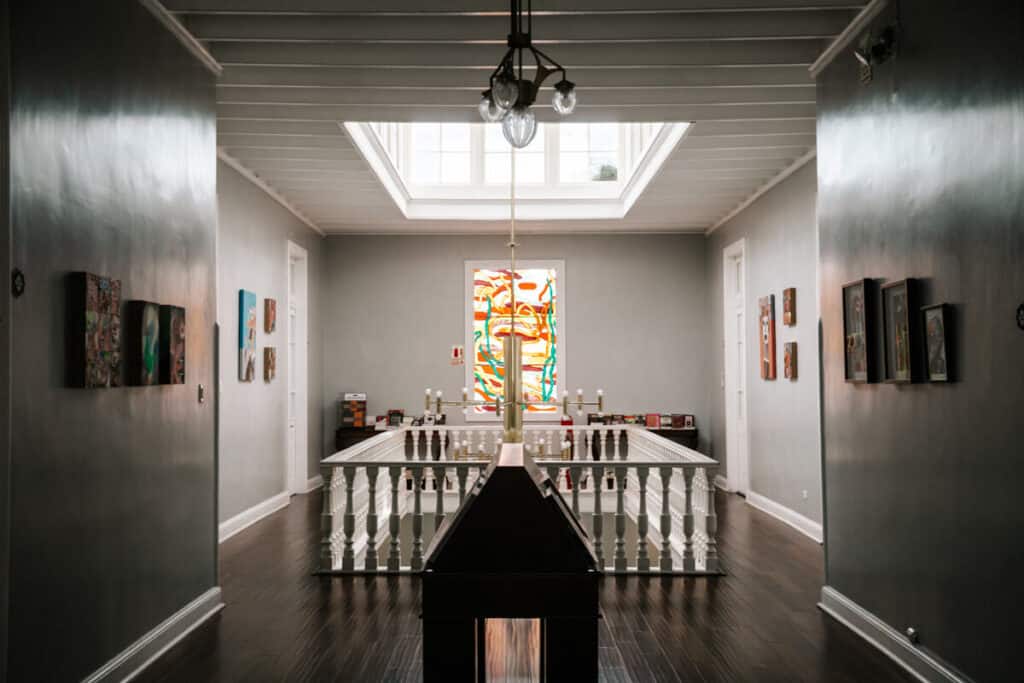
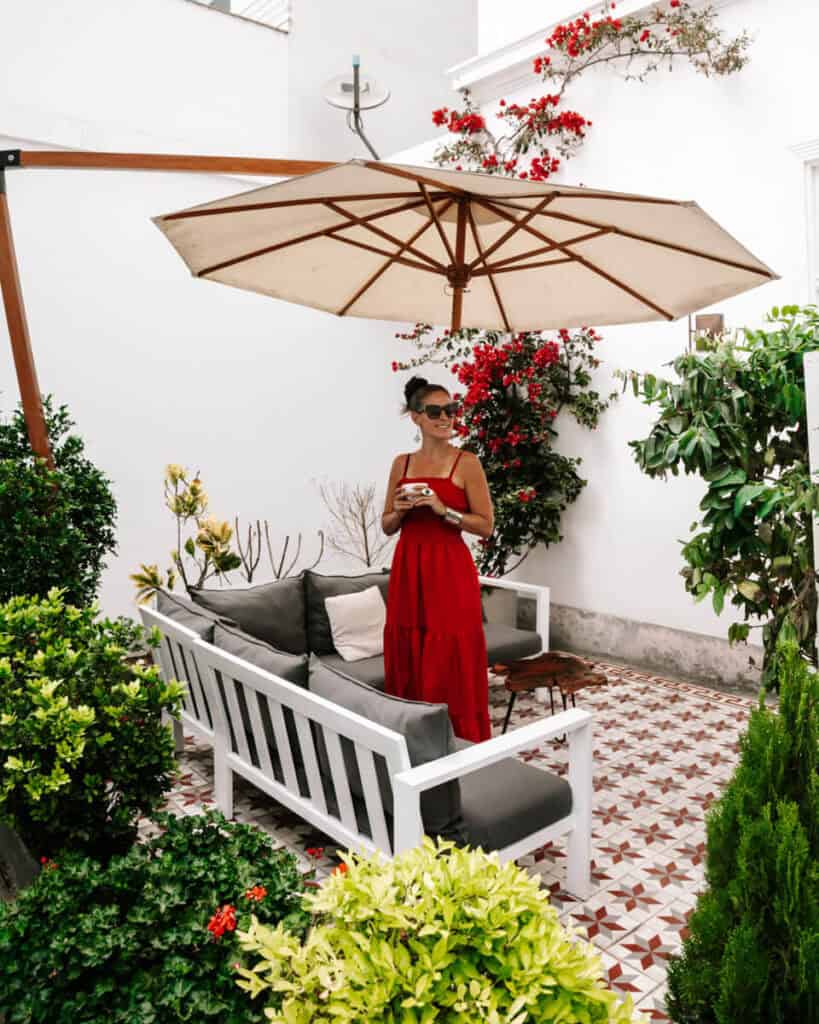
You can find more hotels in Lima here.
Most people set aside just one day for Lima before continuing their journey through Peru. Personally, I think that’s a shame, and I’d recommend staying a little longer. Lima has more to offer than you might expect, from a historic centre and interesting cultural things to do, to charming neighbourhoods and fantastic restaurants.
With two days in Lima, you can explore the historic centre, Miraflores, and Barranco. If you have three days, you’ll also have time for museums, archaeological sites, a cycling tour along the coast, and, of course, Peruvian cuisine. Lima is a destination where you can easily spend more time, especially if you’re interested in gastronomy, art, or history.
Jorge Chávez International Airport is located outside the city, and the journey to Miraflores or Barranco can take quite a while, depending on traffic. After a long flight, it’s therefore convenient to have your transport arranged in advance. With a private transfer through Welcome Pickups, you’ll be met at the airport and taken directly to your hotel. That way, you won’t have to look for a taxi on arrival, and you can start your stay in Lima in a relaxed way. Of course, you can also use an official taxi service at the airport.
Lima is a large city, and the distances between its different neighbourhoods can be considerable. I love walking around Miraflores and Barranco. Along the way, you’ll discover charming streets, restaurants, and art galleries, and there are several places where you can enjoy views of the coast.

For longer distances, such as travelling to the historic centre, I prefer taking an Uber or taxi. Just remember to allow extra time for traffic jams, especially during the morning and evening rush hours.
Lima can be visited throughout the year, but the weather varies considerably by season. From December to March, it’s generally warmer and sunnier, making it perfect for walking along the coast and sitting on a terrace. From June to September, the sky is more often grey because of the garúa, a mist typical of the Peruvian coast. You can still explore Lima perfectly well during these months. I’d recommend bringing an extra layer of clothing, though, as it can feel chilly, especially in the evenings.
Read more about the best time to visit Peru.
As in many large cities, it’s recommended to stay aware of your surroundings in Lima. Keep a close eye on your phone and bag in busy streets and markets, and preferably take an Uber or a reliable taxi for longer journeys or when travelling at night.
Conditions can vary from one neighbourhood to another. I’d recommend informing yourself in advance and asking your hotel for advice about what to look out for. In my article about safety in Peru, you’ll find more information on what to keep in mind during your trip.
If you’d like to eat at a well-known restaurant in Lima, make a reservation in advance. For popular culinary destinations, you may need to book weeks or even months ahead. I also recommend checking the opening hours of museums and archaeological sites before your visit. Some places are closed on certain days or offer guided tours at specific times. Checking in advance helps you avoid arriving to find the doors closed.
You can discover Lima by exploring independently, but joining a tour with a local guide is another great option. Choose a cycling tour along the coast, a street food tour, or a cooking class to get to know Peruvian cuisine better. You’ll learn more about the city’s history, food culture, and everyday life. Browse my selection of tours and excursions in Lima and choose an activity that suits your trip.
Planning a trip to Peru or just starting your research? In the next travel guide, you’ll find everything you need to know about traveling to Peru, including practical tips, essential travel info, and inspiration for where to go and what to see. Hopefully, my articles will help you get the most out of your trip, or convince you to add Peru to your travel bucket list.
Did you enjoy reading this article with tips for things to do and see in Lima Peru? Let me take you on a further journey along the most beautiful destinations and attractions in Peru in the next articles.
This article may contain affiliate links. If you purchase something using one of our links, we may receive a commission at no extra cost to you, which helps us keep this blog alive. Thank you for your support! Please see our disclosures for more information.
Are you interested in the world? Do you want to learn more about a country and its culture? Let me take you on a journey with Passport the World.
As a travel reporter, producer and tour guide, I have been traveling around the world for the last 20 years, looking for the most scenic places and stories that are worth sharing. In Passport the World, I am guiding you along scenic and cultural places, cities, art, viewpoints, hiking trails and unique experiences. To help you get the most out of your travels or to just get to know a country and culture better!


Are you interested in the world? Do you want to learn more about a country and its culture? Let me take you on a journey with Passport the World.
As a travel reporter, producer and tour guide, I have been traveling around the world for the last 20 years, looking for the most scenic places and stories that are worth sharing. In Passport the World, I am guiding you along scenic and cultural places, cities, art, viewpoints, hiking trails and unique experiences. To help you get the most out of your travels or to just get to know a country and culture better!