Travel to Chile: Practical information
Are you planning a vacation to Chile or simply curious about what this country has to offer? In this travel guide, you’ll find practical tips, inspiration for destinations and things to do, and useful advice to help your journey through Chile run smoothly. I hope my travel guides inspire you to put Chile on your bucket list and help you get the most out of your vacation.
Where Is Chile located in South America
Chile is located along the west coast of South America and stretches more than 4,000 kilometers from north to south. The country is bordered by Argentina to the east, Peru and Bolivia to the north, and the Pacific Ocean to the west. Chile also includes Easter Island (Rapa Nui), a fascinating remote island in the Pacific Ocean located thousands of kilometers from the mainland.
Top things to do when you travel to Chile
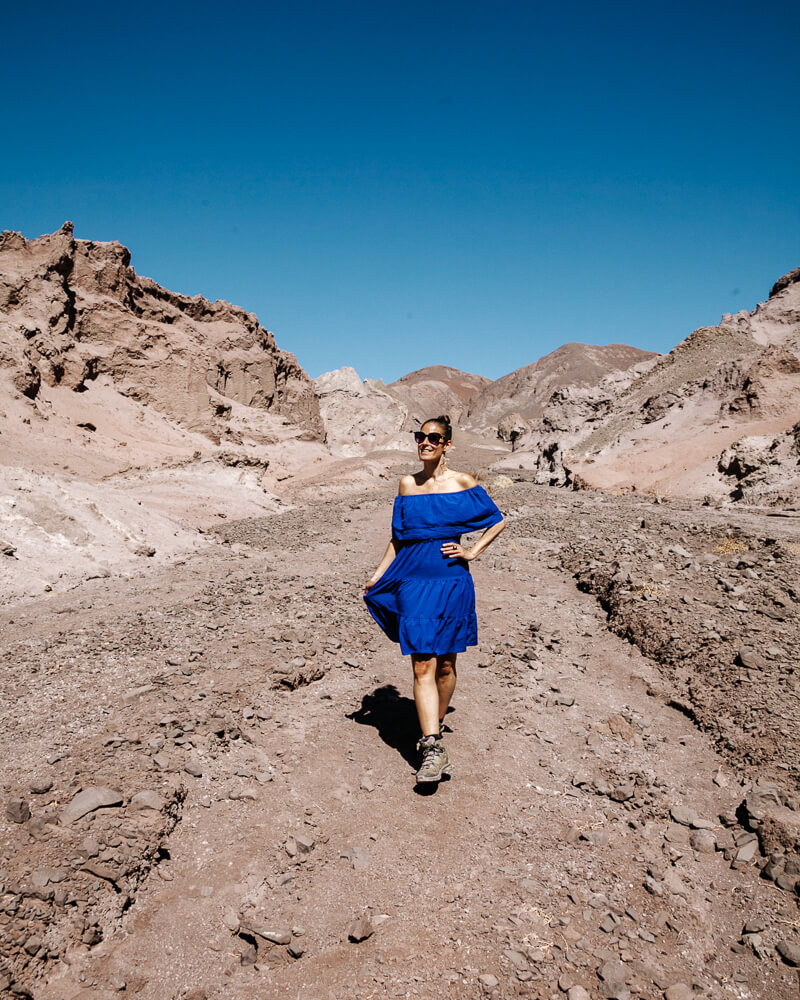
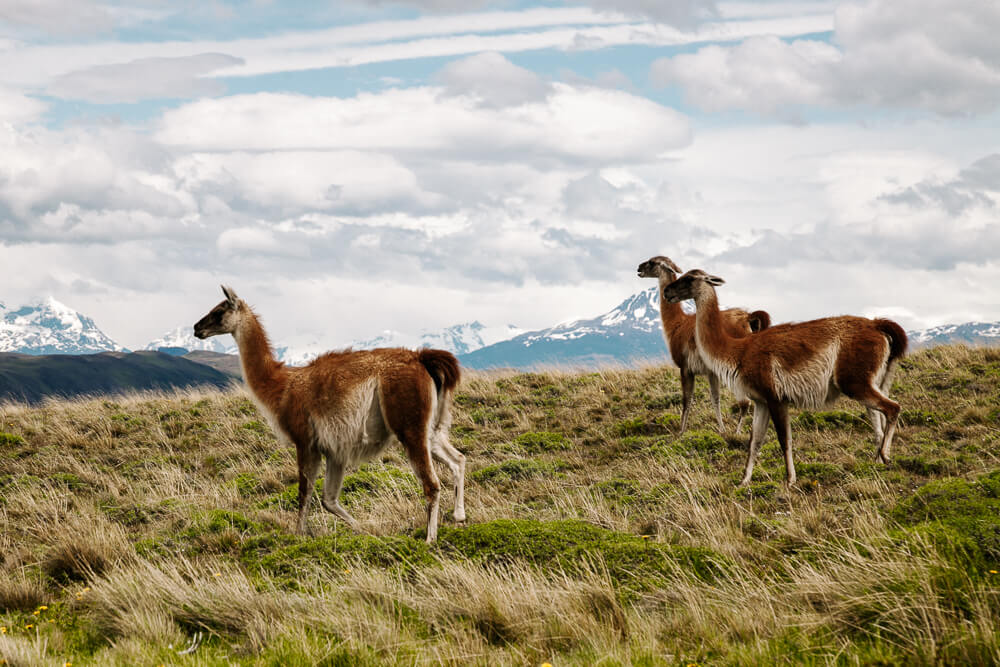
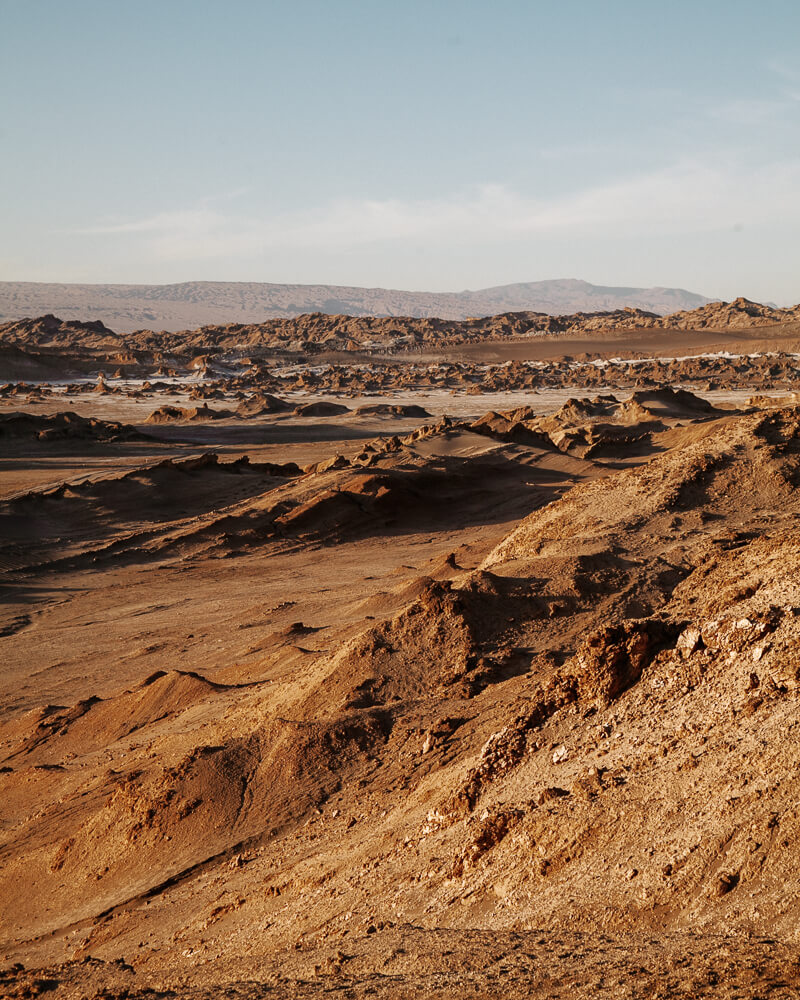
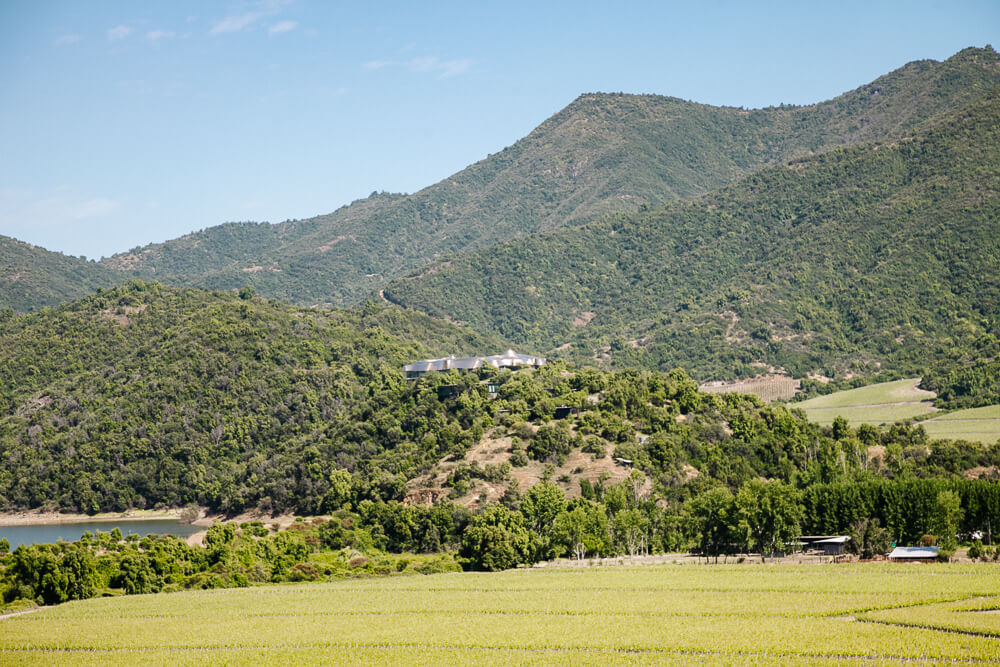
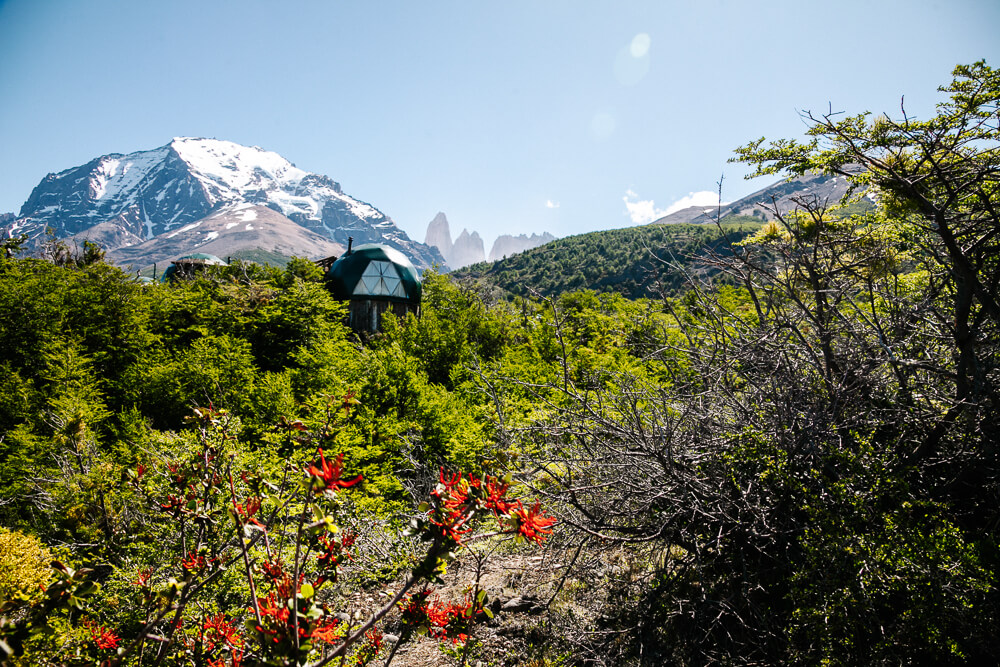
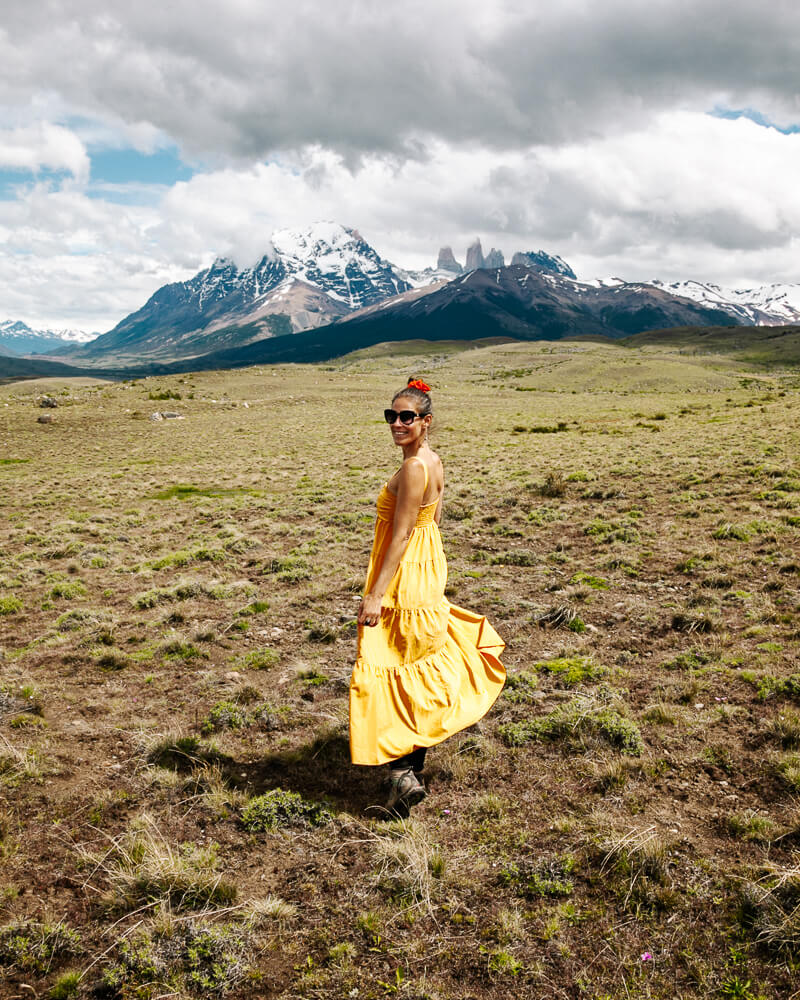
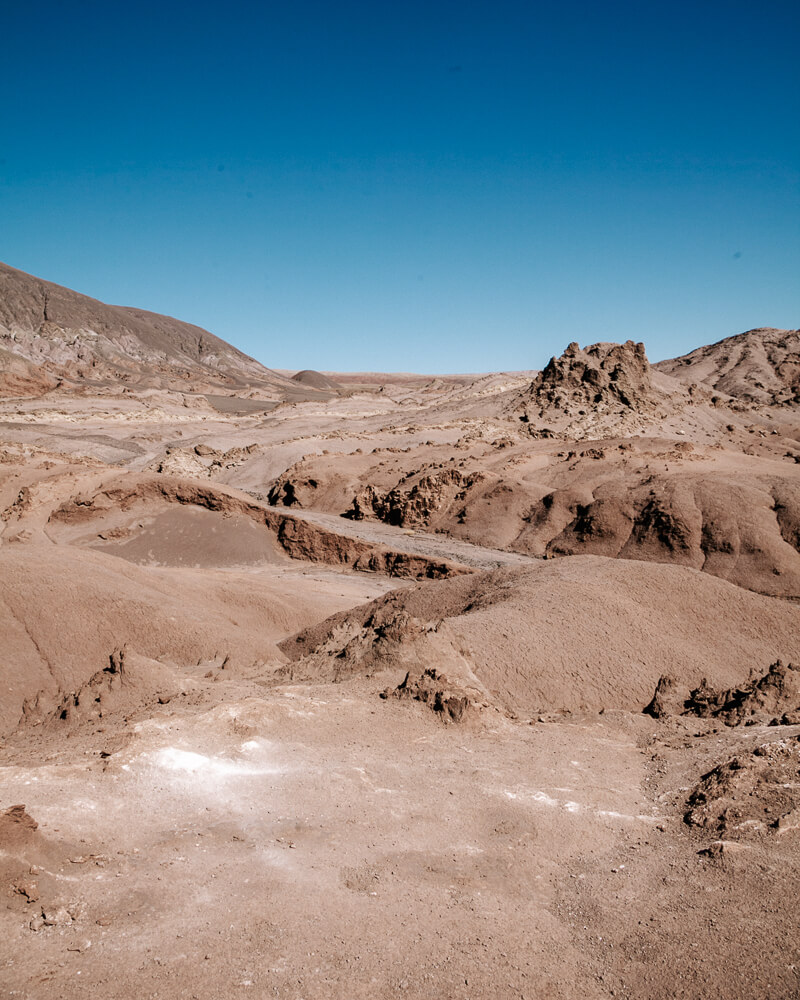
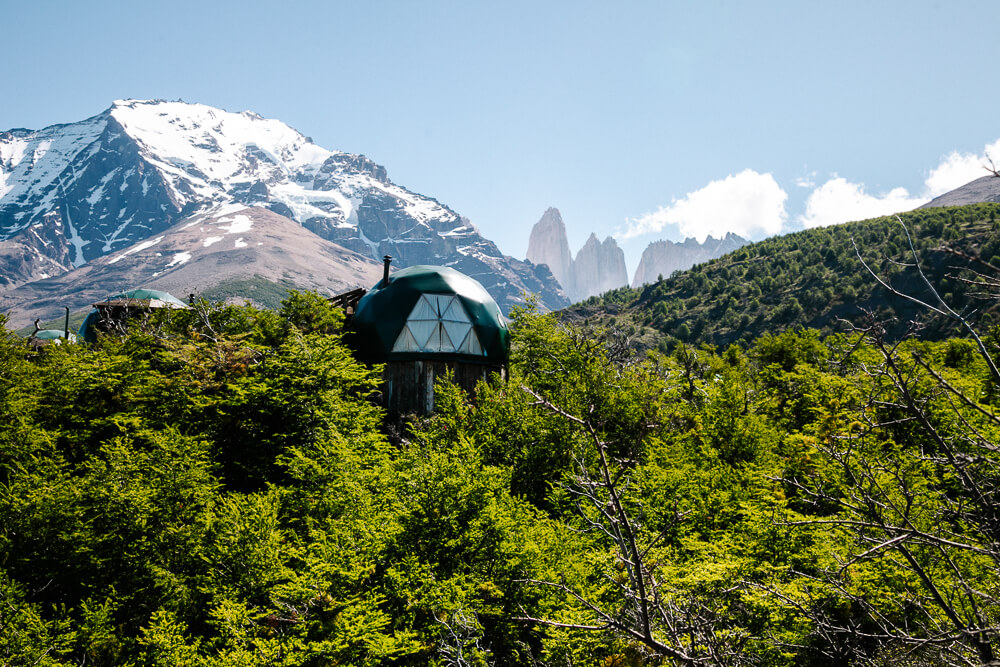
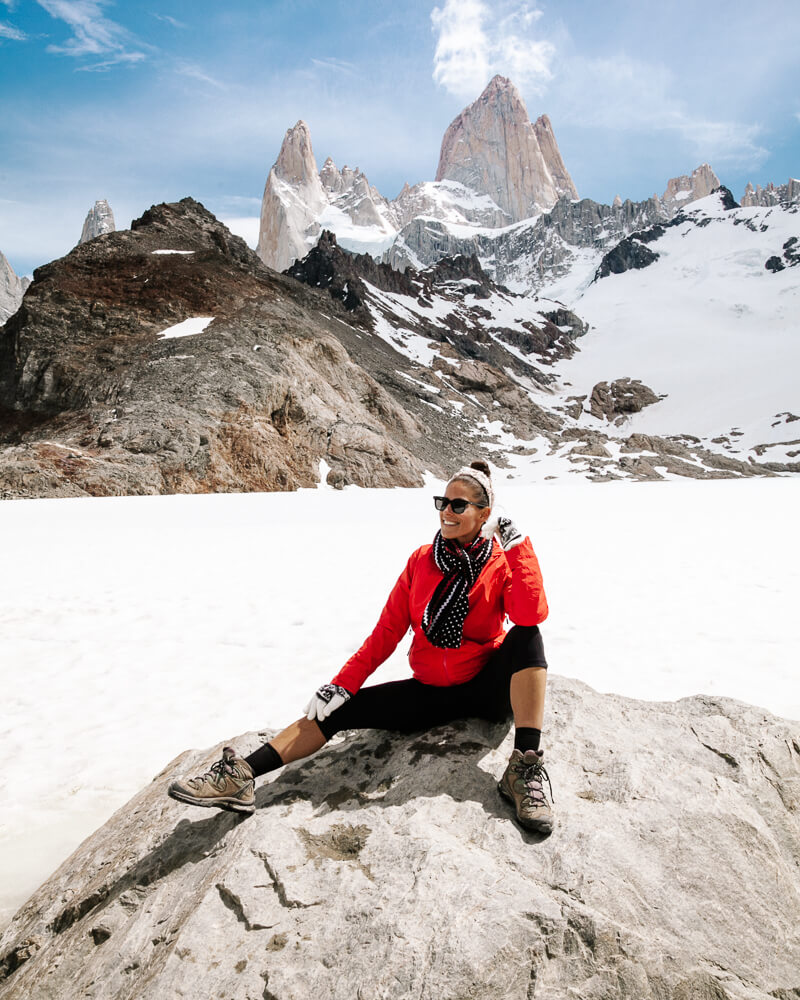
Travel to Chile means traveling through one of the most diverse countries in South America, with countless highlights and attractions. From the vibrant capital city of Santiago, the wine regions, and the surreal Atacama Desert in the north, to lush lake districts and volcanoes around Puerto Varas and Pucón, and the rugged Patagonian wilderness with icons such as Torres del Paine in the south. While the coast and Chiloé revolve around traditions and everyday life, Easter Island (Rapa Nui), with its moai statues, feels like a world of its own.
Climate in Chile: Seasons & weather by region
Due to its immense length, Chile has multiple climate zones. In the north, around the Atacama Desert, an extremely dry desert climate prevails, with large temperature differences between day and night. Central Chile, including Santiago, has a temperate Mediterranean climate with warm summers and milder winters. In the south and in Patagonia, the climate is cooler and more unpredictable, with strong winds, frequent rain, and snow in the mountain regions during winter. As in the rest of South America, the seasons are opposite to those in Europe: when it is summer in Europe, it is winter in Chile.
Best time to travel to Chile
The best time to travel to Chile depends on the regions you want to visit. Chile stretches thousands of kilometers from north to south. As a result, climate conditions and ideal travel periods vary by region.
Santiago, the central region, and northern Chile
For Santiago, the central region, and northern Chile, including the Atacama Desert and San Pedro de Atacama, spring (September to November) and autumn (March to May) are perfect. Temperatures are pleasant, and it is less crowded than during summer. In the summer months (December to February), temperatures in the north can become very hot.
Southern Chile and Patagonia
Southern Chile and Patagonia, with highlights such as Torres del Paine and the Carretera Austral, are best visited during the Chilean summer, from December to March. During this period, hiking trails, mountain passes, and national parks are accessible, and weather conditions are at their most stable.
Skiing in Chile
If you want to ski in Chile, the winter months from June to August are the best choice. Ski resorts around Santiago, such as Valle Nevado and Portillo, are then open and easily accessible.
For a trip that combines multiple regions, October to April offers the most flexibility. Keep in mind that during the Chilean summer holidays (January and February), many locals travel within the country, leading to higher prices and accommodations selling out more quickly.
How long should you travel in Chile
For a first introduction to Chile, a two to three week itinerary is a good starting point. For a more extensive trip through Chile that combines multiple regions, such as Santiago, the Atacama Desert, and Patagonia, three to four weeks is a realistic timeframe. If you plan to visit Easter Island in Chile, you should add a few extra days to your itinerary. If you have less time, it’s worth focusing on one or two regions and exploring them at a relaxed pace.
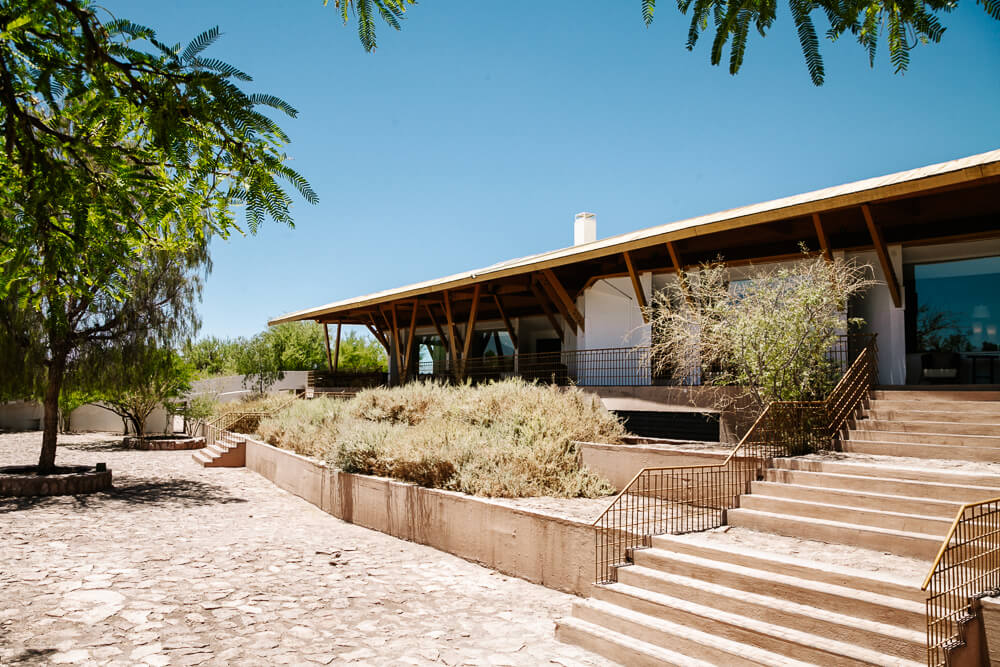
Accommodation in Chile: Hotels & unique places to Stay
Chile offers an enormous variety of accommodations, ranging from comfortable city hotels to unique boutique hotels located in the heart of nature.
Continue reading:
How to travel to Chile
Flying to Chile
Most international flights to Chile arrive in Santiago de Chile, at Arturo Merino Benítez International Airport. From Europe and North America, there are both direct and indirect connections. Searching for, comparing, and booking flights is easy via Skyscanner. After such a long journey, it’s nice to reach your accommodation without hassle, which is why I like to book an airport transfer in advance via Welcome Pick Ups.
Travel to Chile overland
From Argentina
Several border crossings through the Andes connect Argentina and Chile. The most well-known route runs between Mendoza and Santiago, where you cross the Andes by bus or car. In Patagonia, there are also popular overland travel routes, such as between El Calafate and Torres del Paine or along the Carretera Austral. Border crossings are generally well organized, but be prepared for delays during bad weather and strict food controls upon entering Chile.
From Bolivia
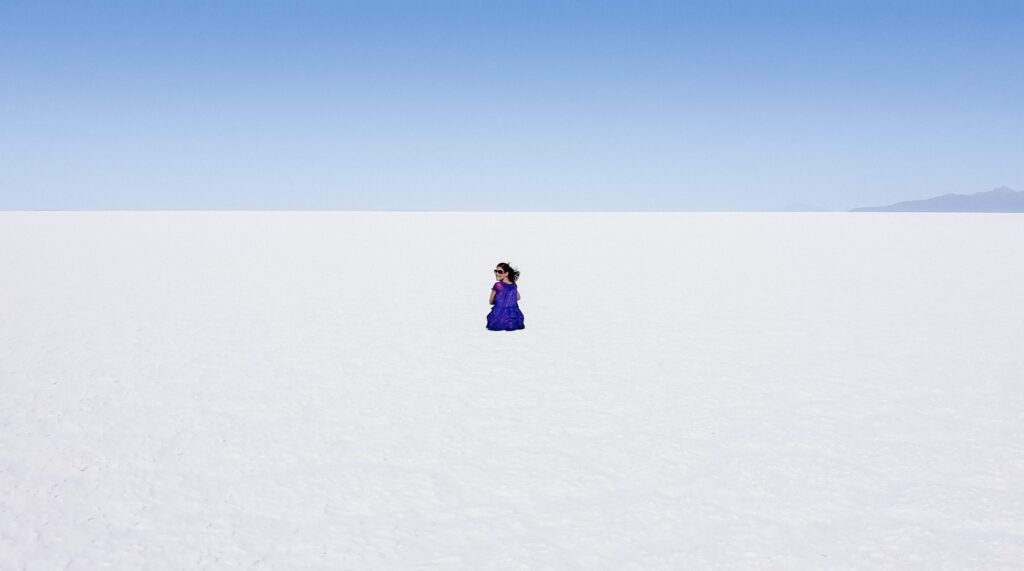
Overland travel from Bolivia to Chile is also easy and fits perfectly into a trip through southern Bolivia and northern Chile. The most commonly used route runs via Hito Cajón, near the salt flats and lagoons of the Eduardo Avaroa Reserve, often as part of a multi-day jeep tour from Uyuni to San Pedro de Atacama. The border crossing is located at high altitude in a remote area but is usually straightforward. Upon entering Chile, strict food inspections apply.
From Peru
From Tacna in Peru, you can travel overland to Arica in Chile, with daily bus connections. The short and straightforward border crossing makes this a popular route for travelers moving between Peru and Chile. Keep in mind that food controls upon entering Chile are strict.
Transportation in Chile: How to get around
Chile is a long and narrow country with large distances, making transportation planning an important part of your trip. In practice, a combination of different modes of transport is often the best option.
Domestic flights in Chile
If you want to visit multiple regions, domestic flights are almost indispensable. From Santiago, you can fly and travel relatively quickly to destinations such as Calama (for San Pedro de Atacama), Puerto Montt, Punta Arenas and Puerto Natales) for Torres del Paine, or Balmaceda in Patagonia. On clear days, you’ll also enjoy stunning views of the Andes.
Traveling overland in Chile
Long-distance bus companies connect nearly all cities and tourist regions and are known for their comfort and reliability. Traveling by bus is also a beautiful way to watch the landscapes gradually change. Keep in mind that travel times can be long, especially in the south. Good connections and shuttle services can be compared and booked via Bookaway.
Renting a car is especially popular in regions such as the Carretera Austral, Patagonia, and the lake district around Puerto Varas, where you have plenty of freedom to make stops along the way. Always check road conditions and current weather forecasts in advance.
Transportation in cities in Chile
In most cities, especially Santiago and Valparaíso, walking within central neighborhoods is easy. Santiago also has a well-developed metro system. Taxis and ride-hailing apps such as Uber or Cabify are widely available. Public transportation is affordable and efficient during the day, but in the evening it’s often better to use a taxi or ride app.
Safety in Chile – Is it safe to travel
Chile is known as one of the safer countries in South America, especially in tourist areas and national parks. Still, particularly in larger cities, it’s important to stay alert, keep an eye on your belongings, and use reliable taxis or ride apps at night. Also, make sure to follow government travel advice and ensure your travel insurance covers your trip to Chile. With a bit of common sense, you can travel to Chile safely and comfortably.
Health and vaccinations in Chile
No mandatory vaccinations are required for travel to Chile. Depending on your itinerary and length of stay, certain vaccinations may be recommended, especially if you visit remote areas. Medical care in larger cities is well organized, but always bring your own travel medical kit, particularly if you’re traveling to Patagonia or other sparsely populated regions.
Travel insurance for Chile
Good travel insurance is essential when traveling through Chile. World Nomads offers flexible travel insurance with coverage for medical emergencies, lost luggage, trip cancellations, and more than 150 activities, which is ideal if you plan to spend a lot of time outdoors.
Language in Chile
The official language is Spanish. In tourist areas, English is sometimes spoken, but basic Spanish knowledge makes traveling much easier. Before your trip, consider buying a small phrasebook with useful Spanish travel phrases for your vacation in Chile.
Money and payments in Chil
In Chile, the local currency is the Chilean peso (CLP). In tourist areas and larger cities, you can withdraw cash and pay by credit card almost everywhere, especially in hotels, restaurants, and shops. ATMs are widely available and easy to find. Still, it’s recommended to carry some cash, particularly when visiting smaller towns, markets, or remote regions.
Extra tip: Bring a Wise card. These multi-currency debit cards allow you to pay in different currencies without high conversion fees and use real-time exchange rates, making payments and withdrawals worldwide much smoother.
Internet and (e)SIM
In larger cities and tourist regions in Chile, Wi-Fi is widely available in hotels, cafés, and restaurants. For reliable internet access on the go, a local SIM card from providers such as Claro, Movistar, or Entel is a convenient option. You can also choose an eSIM, allowing you to be online immediately upon arrival without buying a physical SIM card. An eSIM for Chile can easily be purchased here.
Time zone in Chile
Chile mostly lies in the UTC-4 time zone and observes daylight saving time.
Voltage and power plugs
Chile uses 220V electricity with plug types C and L. Bringing a universal travel adapter is recommended.
Visa and entry requirements for Chile
In most cases, you can travel to Chile without a visa for tourist purposes. Upon arrival, you are usually granted permission to stay for up to ninety days, which is sufficient for most trips through Chile. Your passport must be valid for at least six months upon entry, and you may be asked for a return ticket or proof of onward travel. Always check the current entry requirements before departure, as regulations can change.
Final thoughts for traveling to Chile
Chile is not a destination you rush through. Whether you’re traveling through the Atacama Desert, hiking in Patagonia, exploring the lake district, or combining Chile with Argentina or Bolivia, every journey feels different. Due to the country’s size and diversity, it’s recommended to make choices in advance and carefully plan your itinerary Hopefully, this travel guide helps you shape your journey through Chile and make the most of your trip. On Passport the World, you’ll also find inspiration for other South American destinations, such as Argentina, Bolivia, and Peru, which can be easily combined with travel to Chile.
Receive my FREE South America Travel Guide!
In this guide I help you to discover this amazing continent with many tips and recommendations.
Yes, I want this guide
Disclaimer: This article may contain affiliate links. If you purchase something using one of our links, we may receive a commission at no extra cost to you, which helps us keep this blog alive. Thank you for your support! Please see our disclosures for more information.
Booking a trip soon? Here are some resources to use: