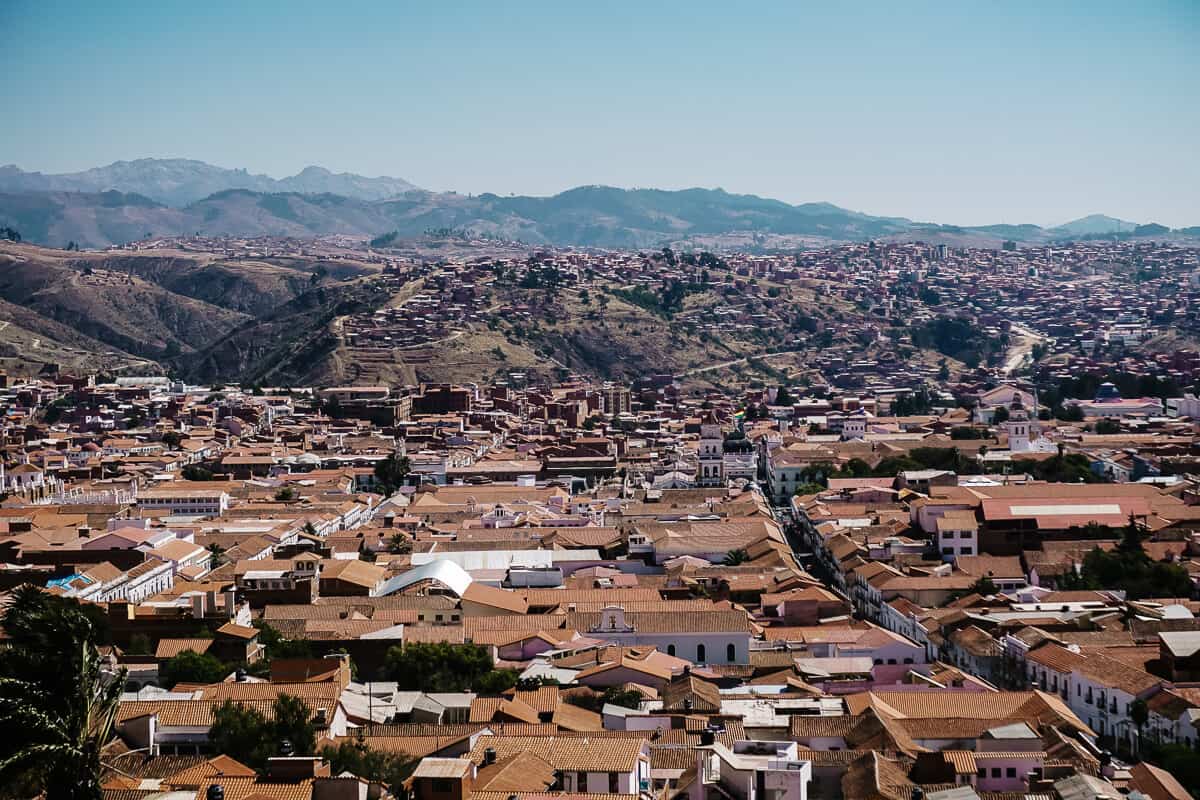
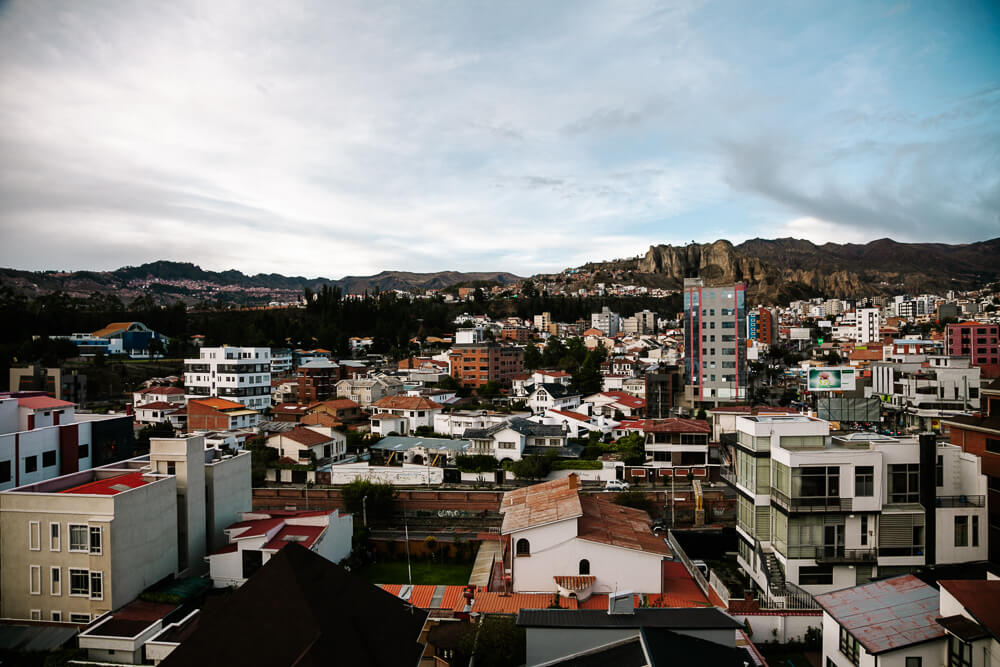
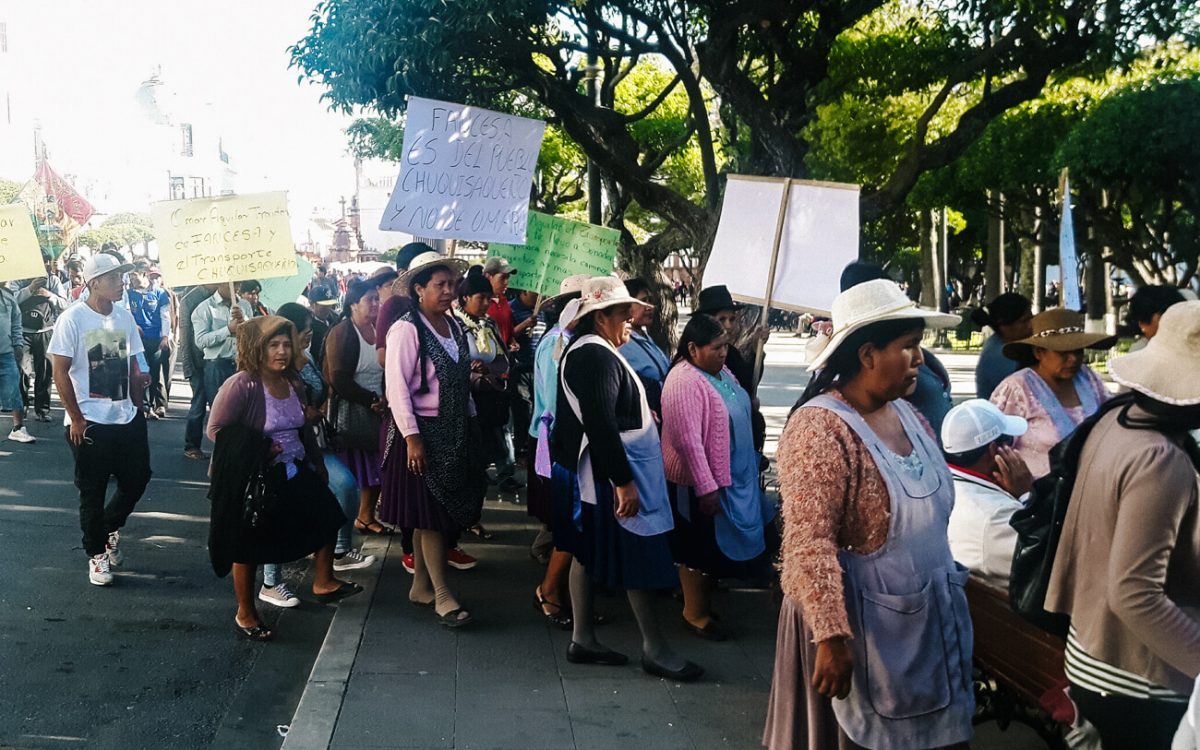
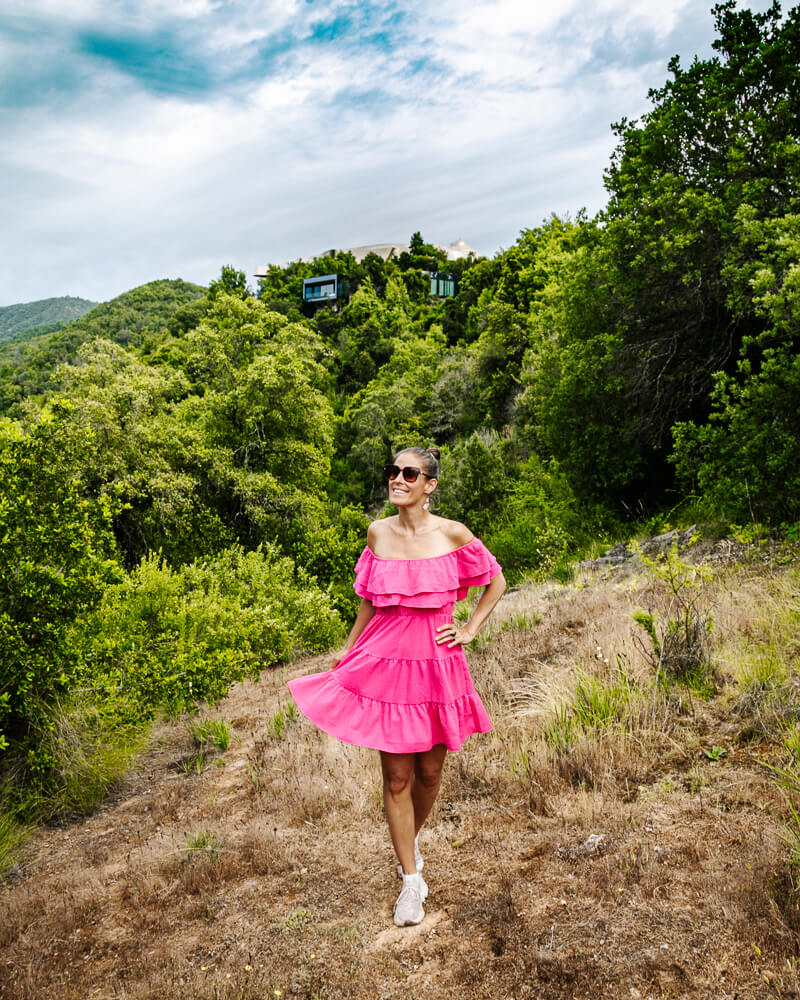
Santa Cruz de la Sierra might not be the first place you think of when planning a trip through Bolivia, but that is exactly what makes this city so interesting. While cities like La Paz and Sucre are located high in the Andes, here you will find a tropical and lively city in the eastern part of the country. From local markets and historic churches to sand dunes and national parks, there is more to discover than many travelers expect. In this travel guide you will discover the best things to do in Santa Cruz de la Sierra Bolivia, including tips for attractions, activities, and tours in the city and its surroundings. I am sure you will experience this city much better than you might expect at first.
Santa Cruz de la Sierra is located at around 400 meters above sea level in the east of Bolivia, in the transition zone between the highlands and the tropical lowlands towards Brazil, Paraguay, and Argentina (in the direction of the Pantanal). This location gives the city a warm, humid, and green climate that feels completely different from the Andes region. The city also has an international airport with connections to destinations across South America and beyond, making it a popular starting or ending point for a trip through Bolivia.
Santa Cruz de la Sierra is different from the rest of Bolivia. It is the largest and economically most important city in the country and feels more modern compared to many other regions. You will find luxury shopping centers and expensive cars, but at the same time there is still a strong connection with the countryside and traditional lowland culture in everyday life.

The city started growing rapidly from the 1950s onwards thanks to improved connections with Brazil and became an important economic hub due to investments in gas and oil production. The inhabitants, known as cruceños (or cambas), strongly identify with the lowlands and often have a different cultural identity compared to the Andes regions. This difference also appears in political discussions, as there has been a long-standing movement for more autonomy because many people in Santa Cruz feel that too much of the region’s wealth benefits the western part of Bolivia.

Around Santa Cruz de la Sierra in Bolivia you will also find a surprising amount of historical and cultural things to do. The region is home to old Jesuit missions from the 17th and 18th centuries, some of which are listed as UNESCO World Heritage Sites. There are also Mennonite communities in the area, as well as influences from international investments, including from Japan. Once you leave the city, you quickly notice that infrastructure and development can vary significantly, creating a strong contrast between the modern urban center and the surrounding areas.
Santa Cruz de la Sierra might not be the city with the biggest “wow moments” or the most famous attractions, but that is exactly why it is such a pleasant and relaxed place to start your journey and discover another side of the country. If you are looking for things to do in Santa Cruz de la Sierra Bolivia, you will quickly discover that both the city itself and the surrounding areas offer much more variety than expected.
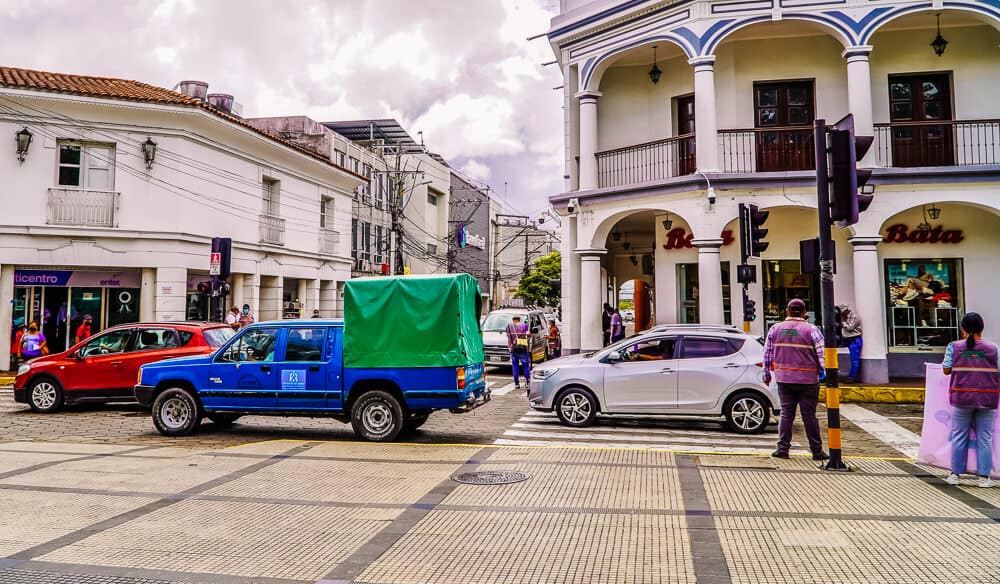
In the city center, you will mainly find a relaxed atmosphere with few colonial architecture and high-rise buildings. Because of the soft and humid ground, the city has remained relatively low-built, creating an open and accessible feeling. Santa Cruz is especially a place to walk around, enjoy the atmosphere, and slowly get introduced to tropical Bolivia.
Santa Cruz de la Sierra in Bolivia largely revolves around Plaza 24 de Septiembre, the lively heart of the city and one of the most well-known things to do. Around the square you will find the cathedral, shaded arcades, cafés, and restaurants. When I first came to the city 25 years ago, sloths used to live in the trees here. That is no longer the case, as too many accidents happened with sloths crossing streets and getting caught in electricity cables.

Today, it is still a great place to sit and observe city life during the day, but especially in the evening the square comes alive with music and a relaxed, social atmosphere. The name of the plaza refers to September 24, the day the independence movement in Santa Cruz began, an important moment in the identity of the city.
Plaza 24 de Septiembre in Santa Cruz de la Sierra is dominated by the Catedral Basílica de San Lorenzo, one of the city’s main landmarks. The original church was built in 1845 and later rebuilt, which resulted in its striking pink façade. It is worth stepping inside to admire the high vaulted ceilings and beautiful stained-glass windows. The wooden beams in the ceiling refer back to the simple mission churches in the region. It is also worth climbing the tower for views over the city center and Plaza 24 de Septiembre.

A completely different side of the city can be found in the Equipetrol district, just outside the historic center. This area is known for its international restaurants, cafés, and nightlife. It is Santa Cruz’s business district, home to many companies, but also a place that comes alive in the evening with both locals and expats gathering on terraces and rooftop bars. I spent many nights out here in my younger years. If you are staying longer in Santa Cruz de la Sierra, it is definitely worth exploring this area. Make sure to book a table at some of the best restaurants such as Vaca Morena, Tinto, and Sach’a Huaska.
Want to truly get to know Santa Cruz de la Sierra? During this walking tour through the history of Santa Cruz, you will discover the historic center, hidden stories, and the most important landmarks of the city together with a local guide. A fun and accessible way to better understand Santa Cruz.

Wine from Bolivia will probably surprise you. Thanks to the high altitude of the vineyards, Bolivian wines develop a distinctive and unique character, with grape varieties that are rarely found outside the country. In Santa Cruz de la Sierra, you can experience this yourself during a wine tasting, where you will taste different Bolivian wines paired with local snacks. During this experience, you will of course not only taste the wines but also learn about Bolivia’s wine regions and history.
One of the best things to do in Santa Cruz de la Sierra is visiting one of its local markets. This is where you step right into everyday life, surrounded by stalls filled with fresh produce, street food, clothing, and everything that keeps the city running. Mercado Los Pozos feels the most raw and local, with a chaotic but lively atmosphere mainly frequented by locals. Mercado Mutualista is larger and more structured, offering a wider variety of goods including textiles and souvenirs. Also Mercado Nuevo is full with busy food stalls and local vendors.

This park is not one of the most spectacular attractions, but if you want to experience local life in Santa Cruz de la Sierra in Bolivia, Parque El Arenal is a nice stop along your walk. Located within walking distance of the city center, it features a lake surrounded by walking paths and greenery. Especially in the late afternoon and early evening, the park comes alive with locals enjoying the cooler temperatures and softer light of the day.
You will likely pass it at least once while in the city. A major landmark in Santa Cruz de la Sierra and a symbol of the city is the Christo Redentor (Cristo Redentor) statue. It stands at a busy intersection and also serves as a popular meeting point. From here, you can directly walk onto Av. Monseñor Rivero, one of the city’s other populair streets for restaurants, cafés, and nightlife.
If you are looking for a relaxing day without traveling too far, Santa Cruz de la Sierra offers one of the region’s most popular weekend escapes just outside the city: Biocentro Güembé. This is a large nature and recreation park with tropical gardens, lagoons, butterfly houses, and walking trails. There are also large swimming pools, hammocks, and picnic areas. It is a great place to experience how green and tropical the surroundings of Santa Cruz really are, and the perfect spot to immerse yourself in local life just outside the city.

If you are interested in art and culture, Santa Cruz de la Sierra in Bolivia has a few small museums and cultural spaces that offer insight into the region’s history. Casa Cultural Melchor Pinto Parada is a historic house turned cultural center, where you can learn more about the political and social development of the region.
The Museo Guarayo (often locally referred to as the Guaraní museum) is a small but interesting place where you can discover indigenous cultures from the Amazon region, especially the Guarayo communities. Both museums are small and not very touristy, but that is exactly what makes them worth a short visit during a walk through the city
Santa Cruz de la Sierra has a surprisingly good and diverse food scene, where local flavors and modern cuisine come together.


A unique place just a short distance from Santa Cruz de la Sierra is Lomas de Arena, a vast sand dune landscape covering more than 6,000 hectares that feels almost un-Bolivian. This extraordinary natural area is surrounded by lush vegetation and a surprisingly rich ecosystem, meaning you will not only find impressive dunes but also a mix of flora and fauna. Especially around sunset, the landscape takes on an almost magical atmosphere.
During a visit, you can experience the area in different ways. A popular option is a tour that includes a walk through the dunes and the opportunity to go sandboarding. You can also choose a panoramic flight to see both Lomas de Arena and the city of Santa Cruz from above.
Check out the tour with viewpoints and sandboarding, or discover the region from another perspective with a panoramic flight over Santa Cruz and its surroundings
Santa Cruz de la Sierra is an ideal base for a day trip to Samaipata, a charming mountain village about three hours from the city. Located on the transition between the Andes and the Amazon, Samaipata enjoys a green and mild climate.
One of the most important cultural things to do near Santa Cruz de la Sierra in Bolivia is El Fuerte de Samaipata, an archaeological site and UNESCO World Heritage Site where pre-Inca, Inca, and colonial traces are carved into a massive rock formation. Not much of it remains today, but it is still highly worth visiting if you are interested in Inca history and culture. You can visit El Fuerte de Samaipata during this organized tour.


Although Samaipata can easily be done as a day trip, it is actually a place where you might want to stay longer. The village offers great restaurants, cafés, and serves as an excellent base for beautiful hikes in the surrounding nature.
One of the most beautiful day trips from Santa Cruz de la Sierra is the Codo de los Andes & Samaipata tour, where you enjoy a four-hour hike through lush green mountains and experience a completely different landscape.
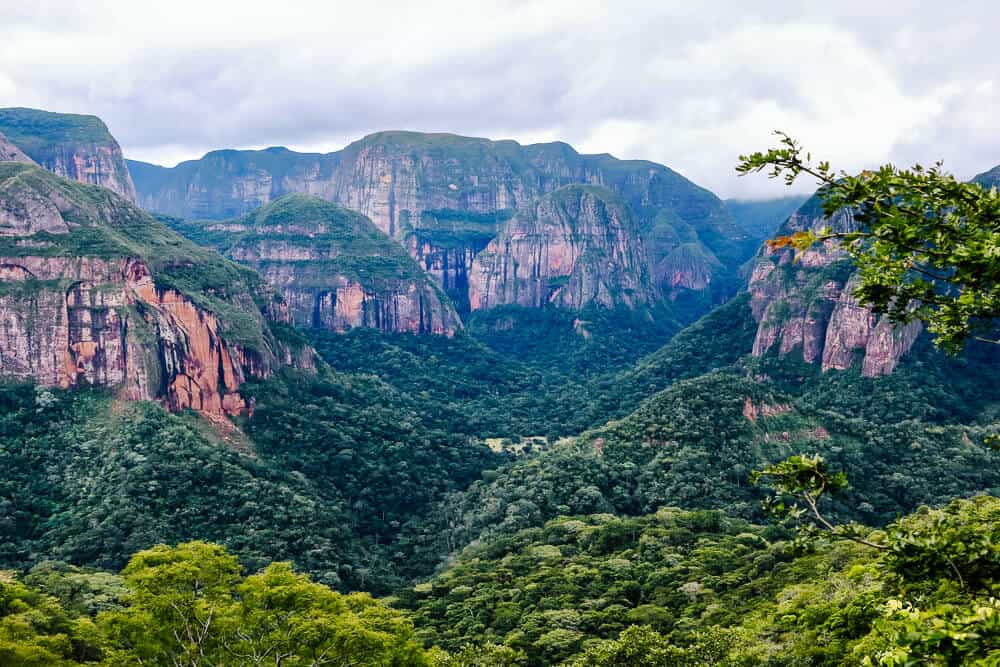
During this tour, you move through the transition zone between the Andes and the Amazon, where mountain ranges, green valleys, and dramatic viewpoints come together in the so-called “elbow of the Andes.” Afterward, the tour often continues to Samaipata for lunch and a visit to the village.
Check out the Codo de los Andes & Samaipata dagtour.
Just a short distance from Santa Cruz de la Sierra lies Amboró National Park, located in the transition zone between the Andes and the Amazon. The park covers thousands of square kilometers and contains an incredible diversity of ecosystems: from jungle and cloud forest to mountains and waterfalls. You can find countless bird and plant species, as well as rare wildlife such as the puma and, with some luck, the elusive spectacled bear.
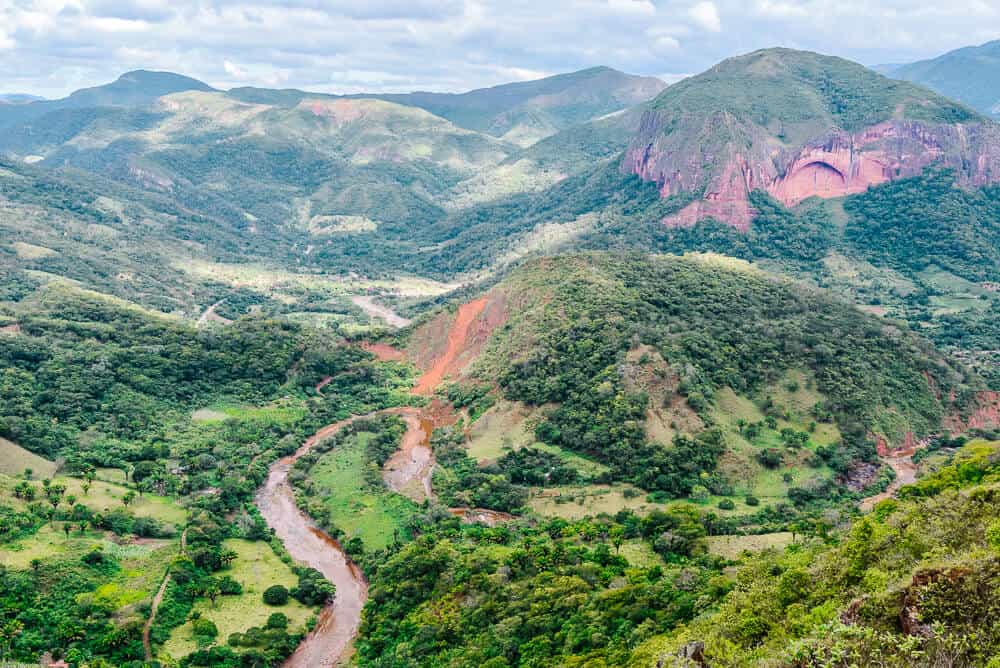
There are several ways to explore the park depending on how much time you have and how deep into nature you want to go:
The Jesuit Missions in eastern Bolivia, in the Chiquitania region around Santa Cruz de la Sierra, are among the country’s most remarkable cultural heritage sites and things to do. Spread across towns such as San José de Chiquitos, Concepción, and San Javier, you will find well-preserved baroque churches and mission settlements founded by Jesuit missionaries in the 17th and 18th centuries. Several of these sites are now listed as UNESCO World Heritage Sites.

The churches combine European baroque architecture with indigenous Chiquitano traditions, creating a unique style not found anywhere else in South America. What makes the missions even more special is that they are still part of local community life today. Besides the more famous missions, you can also visit smaller villages such as Porongo, known for its whitewashed colonial church and relaxed village square.
In my opinion, it is not only the churches that make this area worth visiting, but also the rural atmosphere and surrounding landscapes. Here you can find a tour that also includes relaxing hot springs afterwards.
Looking for more tips on tours and things to do in Santa Cruz de la Sierra Bolivia? Here you’ll find an overview of the best options.
Santa Cruz de la Sierra is easily accessible via Viru Viru International Airport, the main international hub for flights from Europe, South America, and the United States. There is also El Trompillo Airport, a smaller airport closer to the city center, mainly used for domestic and charter flights within Bolivia. Domestic and International flights can easily be booked via Skyscanner. A flight from Santa Cruz de la Sierra to La Paz takes about 1 hour and 15 minutes, while a flight to Sucre takes around 45 to 60 minutes. Airport transfers can be booked here.
Santa Cruz is also well connected by bus to other cities in Bolivia and neighboring countries. Platforms such as Tickets Bolivia allow you to compare and book tickets from different bus companies, with a wide range of comfort levels and prices. Depending on your departure point, both day and night buses are available, so it is worth comparing options in advance.
Getting around Santa Cruz de la Sierra is mainly done by taxi, radio taxi, and shared minibuses (collectivos), which are cheap and widely available. Apps like InDrive are also commonly used, and for short distances in the city center, walking is often a good option.
Santa Cruz de la Sierra has a tropical climate with warm temperatures and high humidity throughout the year. The rainy season runs roughly from November to April, while the dry season from May to October is slightly more pleasant and sunny, making it the best time to explore both the city and its surrounding nature.
Santa Cruz is different from the rest of Bolivia, and that is exactly what makes it interesting. It is not a city full of obvious highlights, but that is part of its charm. In many places you will likely only encounter a few other tourists. Try to plan at least two or three days in Santa Cruz de la Sierra to explore both the city and its surroundings. Especially if it is your entry or exit point for a trip through Bolivia, it is well worth including in your itinerary.
Are you making plans for a holiday to Bolivia or simply curious about what the country has to offer? In the next Bolivia travel guide you will find practical tips, inspiration for destinations and attractions, and useful advice to ensure your travel to Bolivia runs smoothly. I hope my articles inspire you to add Bolivia to your bucket list and help you make the most of your Bolivia trip.
Did you enjoy reading this travel guide with tips and things to do in Bolivia? Let me take you on a journey along the most beautiful destinations and places to visit in Bolivia. In the next articles you will find my Bolivia travel guides with lots of inspiration and tips.
Disclaimer: This article may contain affiliate links. If you purchase something using one of our links, we may receive a commission at no extra cost to you. This helps us to keep this blog alive. Thank you for your support! Please see our disclosures for more information.
Are you interested in the world? Do you want to learn more about a country and its culture? Let me take you on a journey with Passport the World.
As a travel reporter, producer and tour guide, I have been traveling around the world for the last 20 years, looking for the most scenic places and stories that are worth sharing. In Passport the World, I am guiding you along scenic and cultural places, cities, art, viewpoints, hiking trails and unique experiences. To help you get the most out of your travels or to just get to know a country and culture better!

Are you interested in the world? Do you want to learn more about a country and its culture? Let me take you on a journey with Passport the World.
As a travel reporter, producer and tour guide, I have been traveling around the world for the last 20 years, looking for the most scenic places and stories that are worth sharing. In Passport the World, I am guiding you along scenic and cultural places, cities, art, viewpoints, hiking trails and unique experiences. To help you get the most out of your travels or to just get to know a country and culture better!