Traveling to Belize – practical information
Planning a trip to Belize or just starting your research? Belize may be a small country in Central America, but it’s big on diversity. As the only English-speaking nation in the region, it offers an incredible mix of experiences, from relaxing on picture-perfect beaches and exploring ancient Maya cities to hiking through lush jungles filled with waterfalls and exotic birds, and diving into a vibrant underwater world. Add to that a fascinating blend of cultures, and you’ve got a truly unique destination.
In this guide, you’ll find everything you need to know about traveling to Belize, including practical tips, essential travel info, and inspiration for where to go and what to see. Hopefully, my articles will help you get the most out of your trip, or convince you to add Belize to your travel bucket list.
Where is Belize
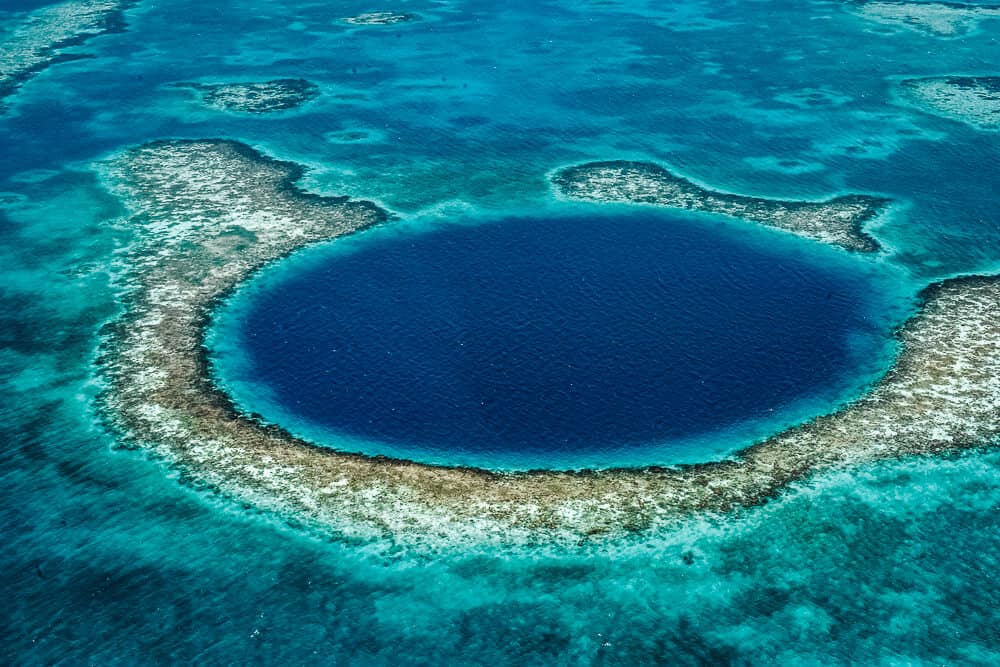
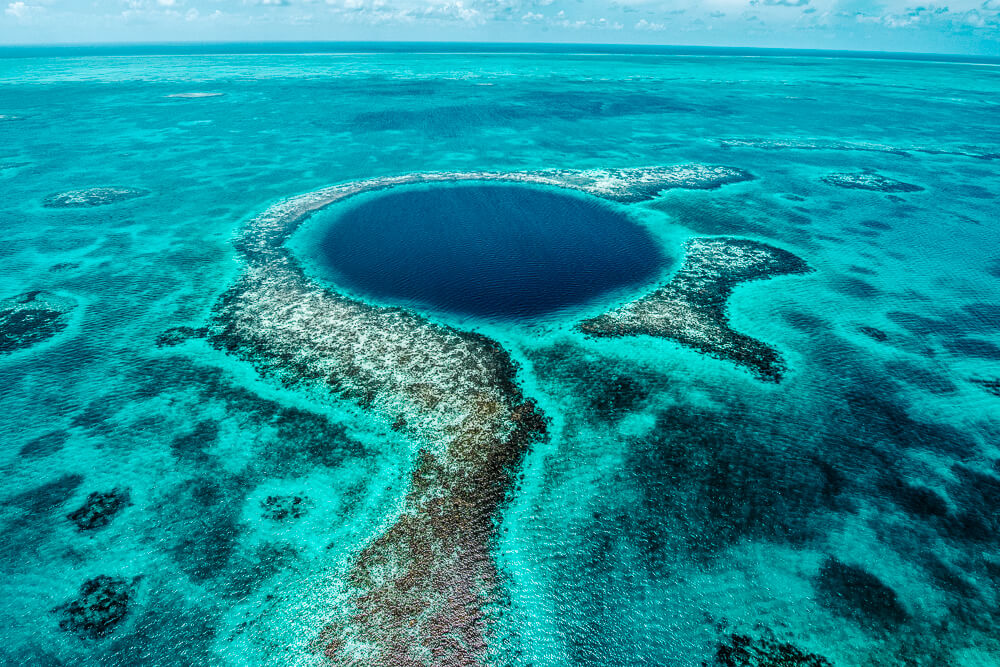
Belize sits on the eastern coast of Central America, bordered by the Caribbean Sea to the east, Mexico to the north, and Guatemala to the west and south. The coastline is dotted with hundreds of small islands, the famous Cayes, and it’s home to the world’s second-largest barrier reef.
Things to do and see in Belize
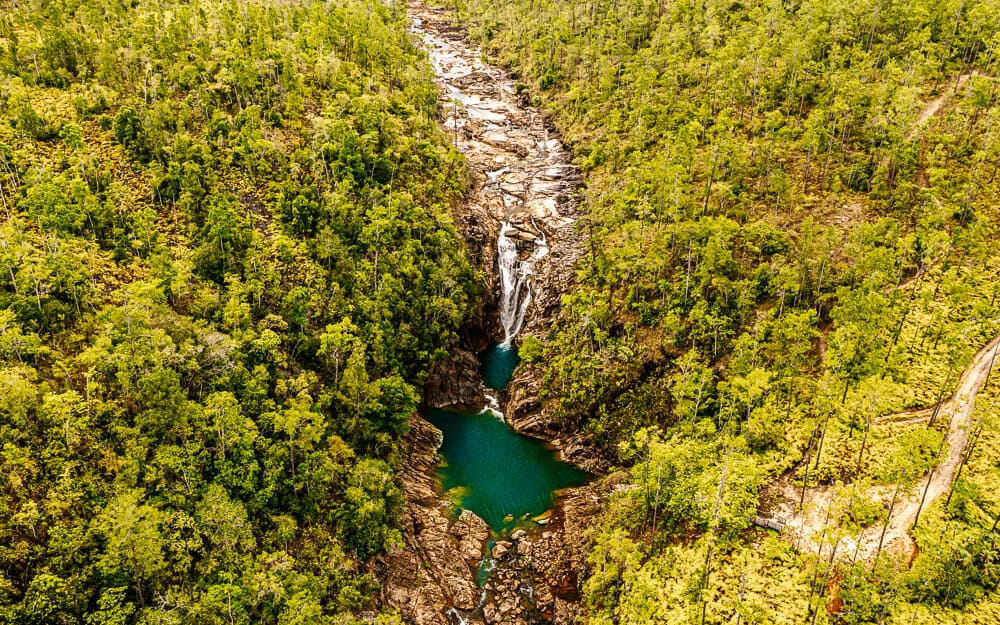
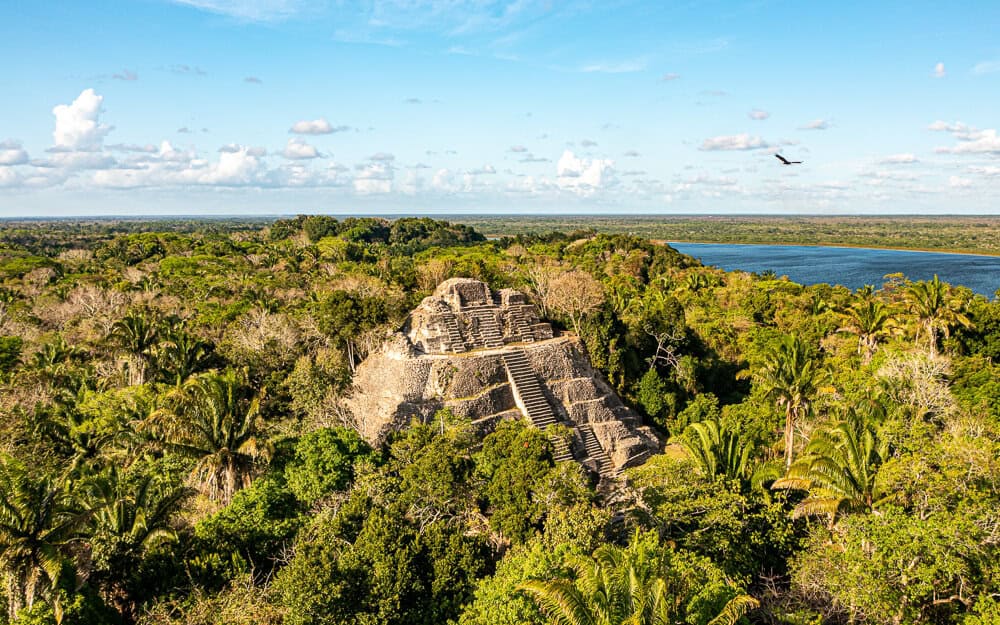
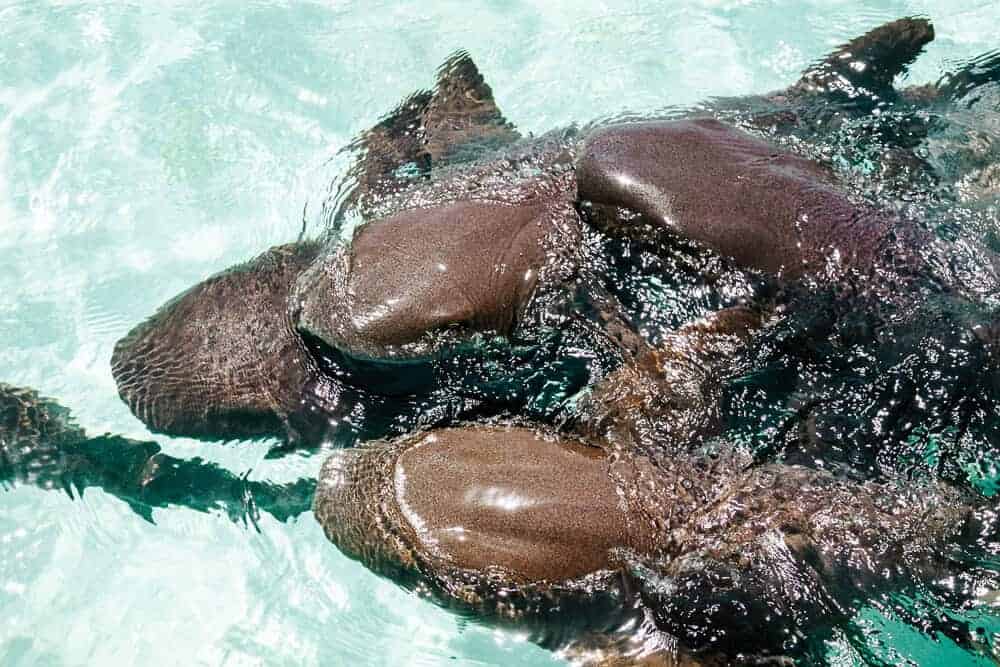
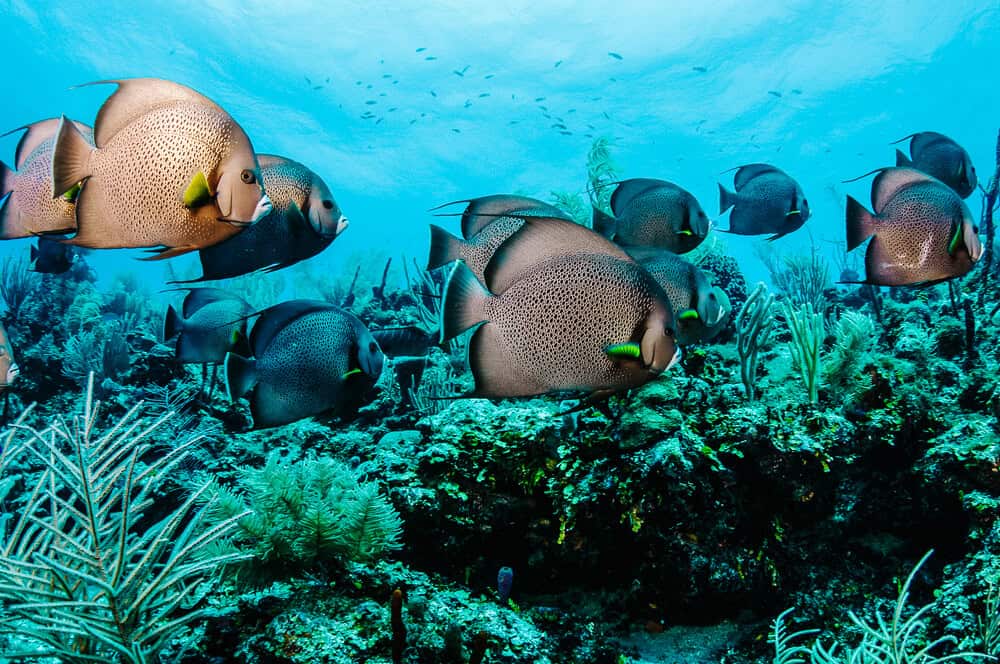
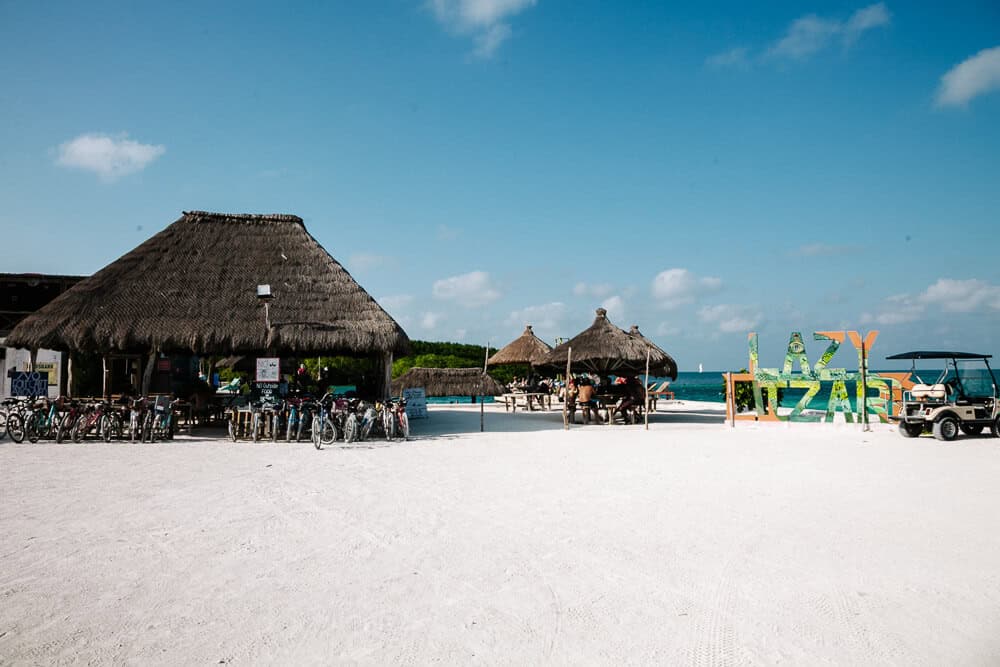
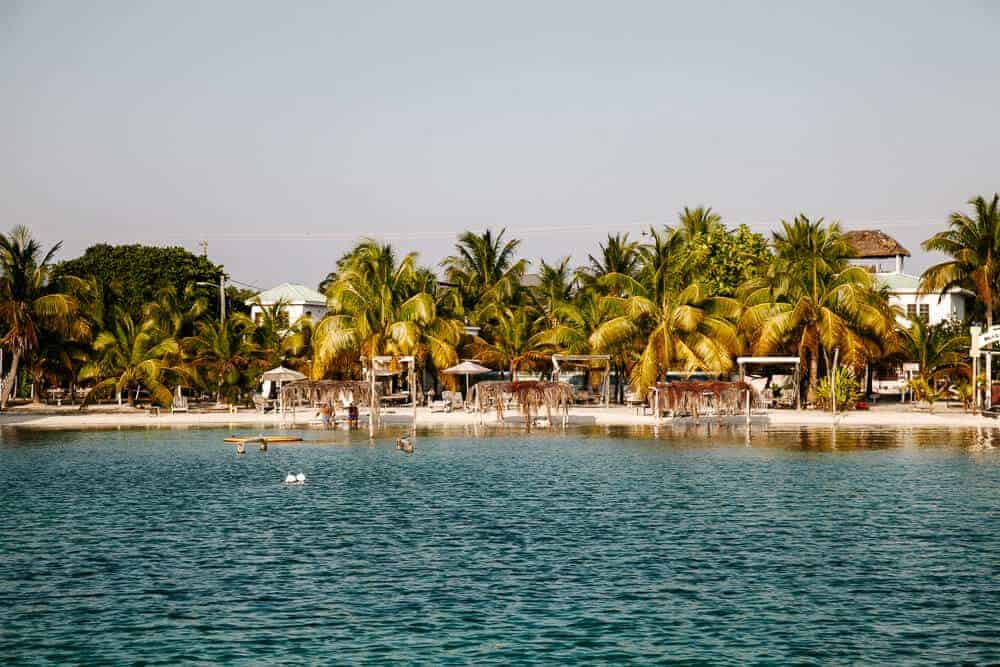
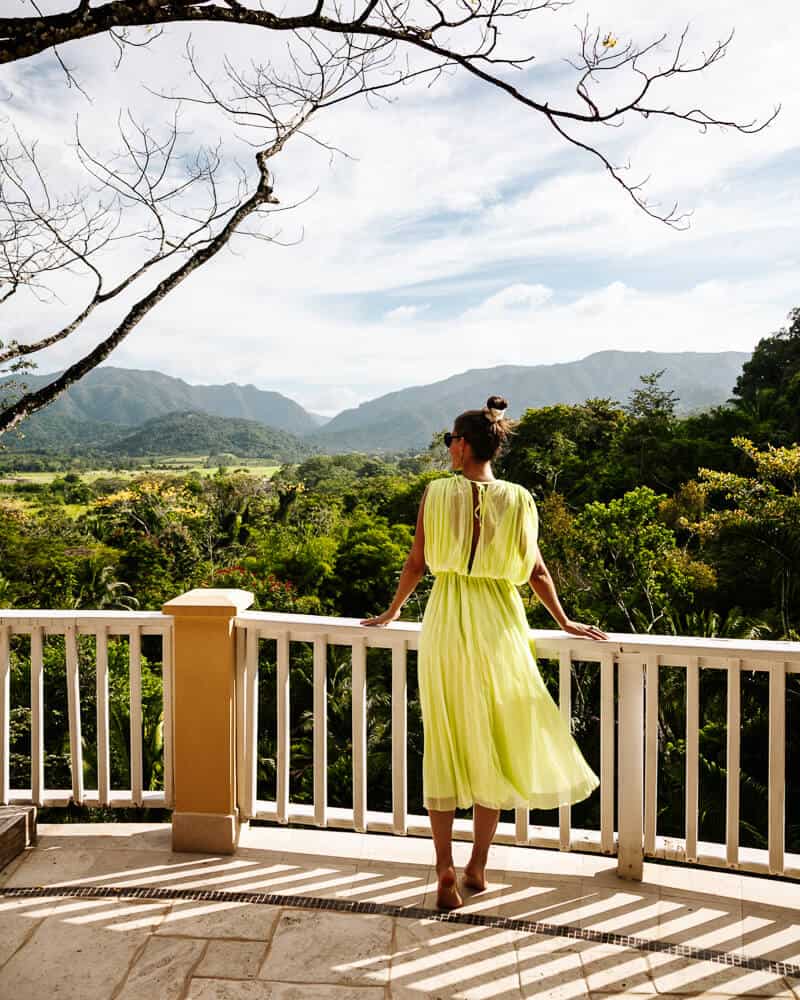
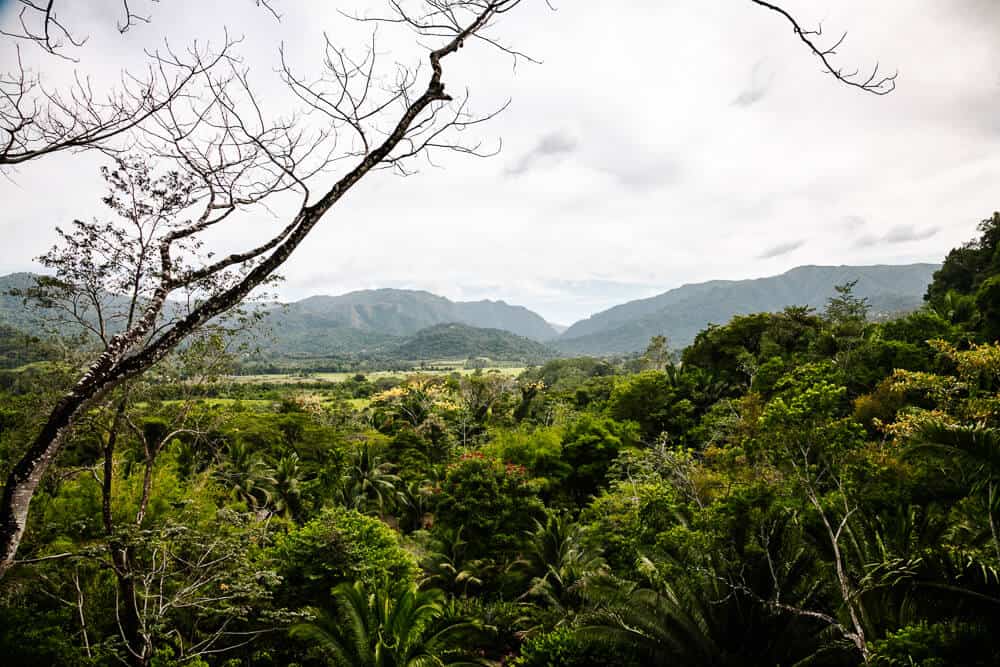
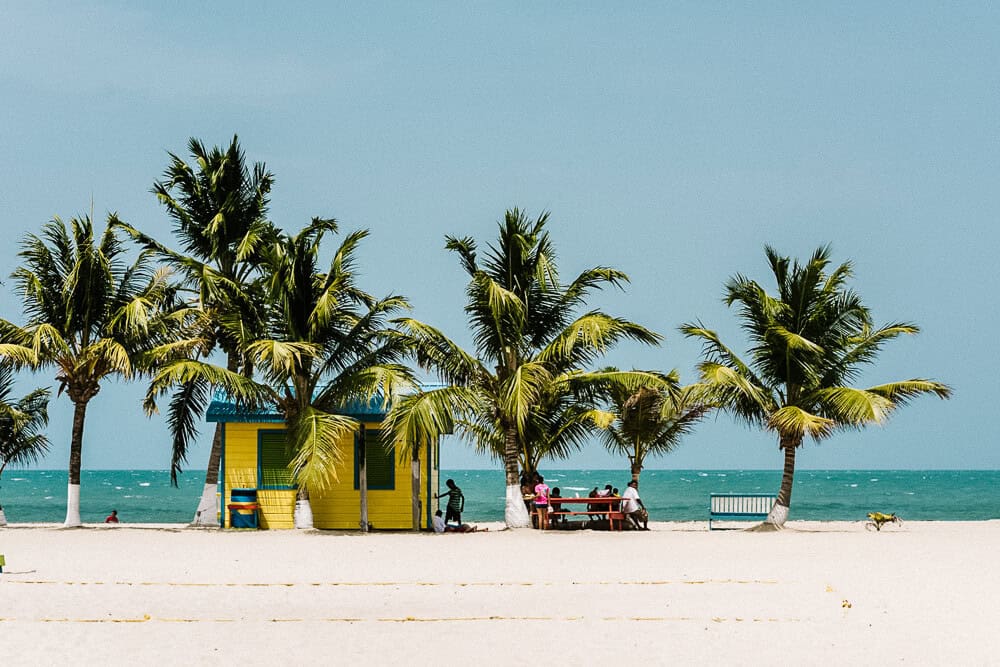
Travel to the Caribbean islands of Caye Caulker and Ambergris Caye in Belize, where you can snorkel with colorful fish and sea turtles. Explore the lush inland jungles around San Ignacio, filled with waterfalls, caves, and ancient Maya ruins like Xunantunich and Caracol. Discover the vibrant Garifuna culture in coastal towns like Hopkins and Placencia, take a boat tour through mangrove forests, and look for toucans or even jaguars in the Cockscomb Basin Wildlife Sanctuary. Want to end your trip in total relaxation? The white-sand beaches and turquoise waters of the Cayes are the perfect place to unwind.
Read also: Belize Travel Guide: Things to do and see, activities, and places to go
Climate in Belize
Belize has a tropical climate with warm temperatures averaging around 29°C (84°F) year-round. Along the coast, it’s often sunny and humid, while the inland areas and especially the mountains around the Maya range tend to be slightly cooler. Belize has two seasons: a dry season from November to May and a rainy season from June to November. During the rainy season in Beloze, heavy showers may occur, especially in the afternoon, but there are still plenty of sunny days, making it sill possible to travel. The landscape is lush and green, and nature is at its most beautiful. The hurricane season, bringing wind and rain, typically occurs around September and October.
Best time to visit Belize
The best time to travel to Belize is from November to April, during the dry season. This period is perfet for beach days, island hopping, snorkeling, and diving, with clear weather and good underwater visibility. Between April and June, you also have a chance to spot whale sharks. The rainy season from June to November offers lush green scenery and fewer tourists but includes the hurricane season. Keep in mind that July, August, and the days around Christmas and New Year are peak season, meaning higher prices and limited availability.
How long to stay in Belize
For a first-time visit in Belize, 10 to 14 days is perfect to travel around. This gives you enough time to explore both the coast and the inland areas, a few days of island-hopping, followed by jungle adventures or ancient Maya ruins. If you have more time, Belize combines perfectly with a trip to Guatemala (think of Tikal or Livingston) or Mexico’s Yucatán region
Where to stay in Belize – hotel tips
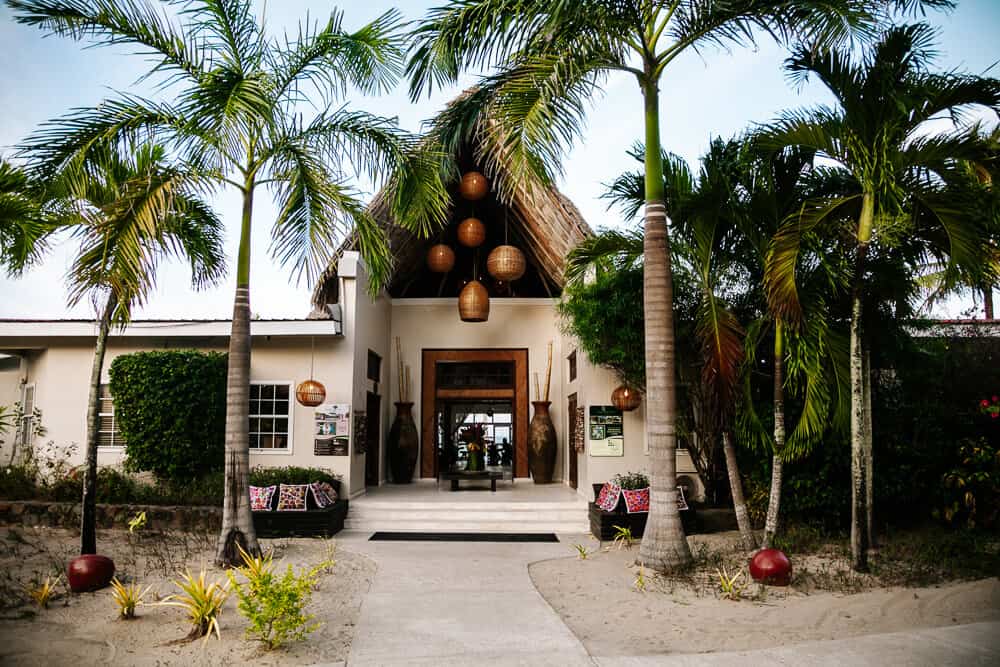
From stylish boutique hotels to charming eco-lodges, Belize is a dream destination if you love unique places to stay. Some of my favorite areas:
- Ambergris Caye – luxury beachfront boutique resorts
- Caye Caulker – laid-back island vibe with cozy guesthouses and small-scale hotels
- San Ignacio – atmospheric jungle lodges and eco-retreats
- Placencia – elegant beach hotels with Caribbean charm
Check out some of my favorite hotels:
How to travel to Belize
There are several airlines that fly to Belize. You can easily search, compare and book flights via Skyscanner. And there’s nothing better than being picked up right at the airport after a long flight, I always book mine through Welcome Pick Ups. It is also easy to travel overland from Mexico and Guatemala. You can find, compare and book your transportation and itinerary here.
Getting around in Belize
Getting around Belize is fairly easy, with several ways to travel between the mainland and the islands.
Domestic Flights
Domestic flights are available in Belize and perfect if you want to move around quickly. Maya Air and Tropic Air operate small planes that function like a bus service, picking up and dropping off passengers at locations such as Belize City, San Pedro, Corozal, Caye Caulker, Lamanai River, Dangriga, Placencia, and Punta Gorda. Plus, the scenic views from above come free of charge. You can easily search, compare, and book flights via Skyscanner.
Boats to travel from the mainland to the islands of Belize
Since much of Belize is coastal, boat transport plays an important role. Water taxis run regularly between the mainland and the cayes (islands) and are a fun and affordable way to get around. The most popular route is between Belize City, Caye Caulker, and San Pedro. Check here for available routes and prices.
Overland Travel in Belize
For travel on the mainland in Belize, there are bus services and shuttles. Local buses are a cheap way to travel between towns and cities, although they can be slower and less comfortable. For more convenience, shuttle services or private transfers are a great alternative, you can easily find, compare, and book them via Bookaway.
Car Rental
Renting a car is a great option if you want more freedom and wish to explore off-the-beaten-path regions. Keep in mind that roads in rural areas can be unpaved, and a 4×4 can be useful for off-road routes.
Taxis
In larger towns and cities, taxis are the safest way to get around. The Uber app doesn’t work in Belize (2026). Always confirm the fare before you get in.
Safety in Belize
Let me start by saying you should always check the official travel advisories of your own government before traveling to Belize. Different countries use color codes (like yellow, orange, and red) to indicate which areas are considered safe to visit. Follow their recommendations and make sure your travel insurance covers your trip to Belize.
Overall, Belize is safe to visit, especially in tourist areas, national parks, coastal towns, and on the islands like Ambergris Caye and Caye Caulker. The atmosphere is relaxed, and locals are warm and welcoming. Still, as in many parts of Central and South America, it’s wise to stay alert and use common sense. Avoid isolated areas at night and keep an eye on your belongings.
Language in Belize
English is the official language of Belize, unique in Central America. You’ll also hear Creole, Spanish, and several indigenous languages (like Maya dialects).
Voltage & Power plugs
Belize uses 110–120V electricity with plug types A and B (the same as in the U.S.). If you’re coming from Europe, you’ll need a universal travel adapter for Belize. Some hotels offer 220V outlets, but don’t count on it.
Health & Vaccinations
Check with your doctor before traveling to Belize about recommended vaccinations. Bring mosquito repellent and make sure you have a comprehensive travel insurance policy. World Nomads offers flexible coverage for over 150 activities, including medical emergencies, lost luggage, trip cancellations, and more.
Visa & Entry requirements
Many nationalities don’t need a visa for short stays (30–90 days), but this depends on your passport. Make sure your passport is valid for at least six months beyond your arrival date, and that you meet the entry conditions for Belize (like proof of accommodation or onward travel). Border officials may ask you for it.
Money & Payments
The official currency is the Belize Dollar (BZD), but US dollars are widely accepted, especially in tourist areas. Credit cards are accepted in most hotels and restaurants, though cash is still useful for small purchases, markets, and local buses.
Travel tip: Bring a Wise Card (multi-currency debit card) for easy payments and withdrawals without high exchange fees. It uses real-time exchange rates, making global travel smoother and cheaper.
Internet & (E)SIM Card
Most hotels and cafés have Wi-Fi, though speeds can vary. If you want to stay connected, buy a local SIM card from Digi or Smart, or use an eSIM so you can get online as soon as you land. Coverage is generally good in cities and on the larger islands
Time zone Belize
Belize is in the Central Standard Time (CST) zone, UTC −6. The country doesn’t observe daylight saving time, so the time remains the same all year round.
Disclaimer: This article may contain affiliate links. If you purchase something using one of our links, we may receive a commission at no extra cost to you, which helps us keep this blog alive. Thank you for your support! Please see our disclosures for more information.
Booking a trip soon? Here are some resources to use: